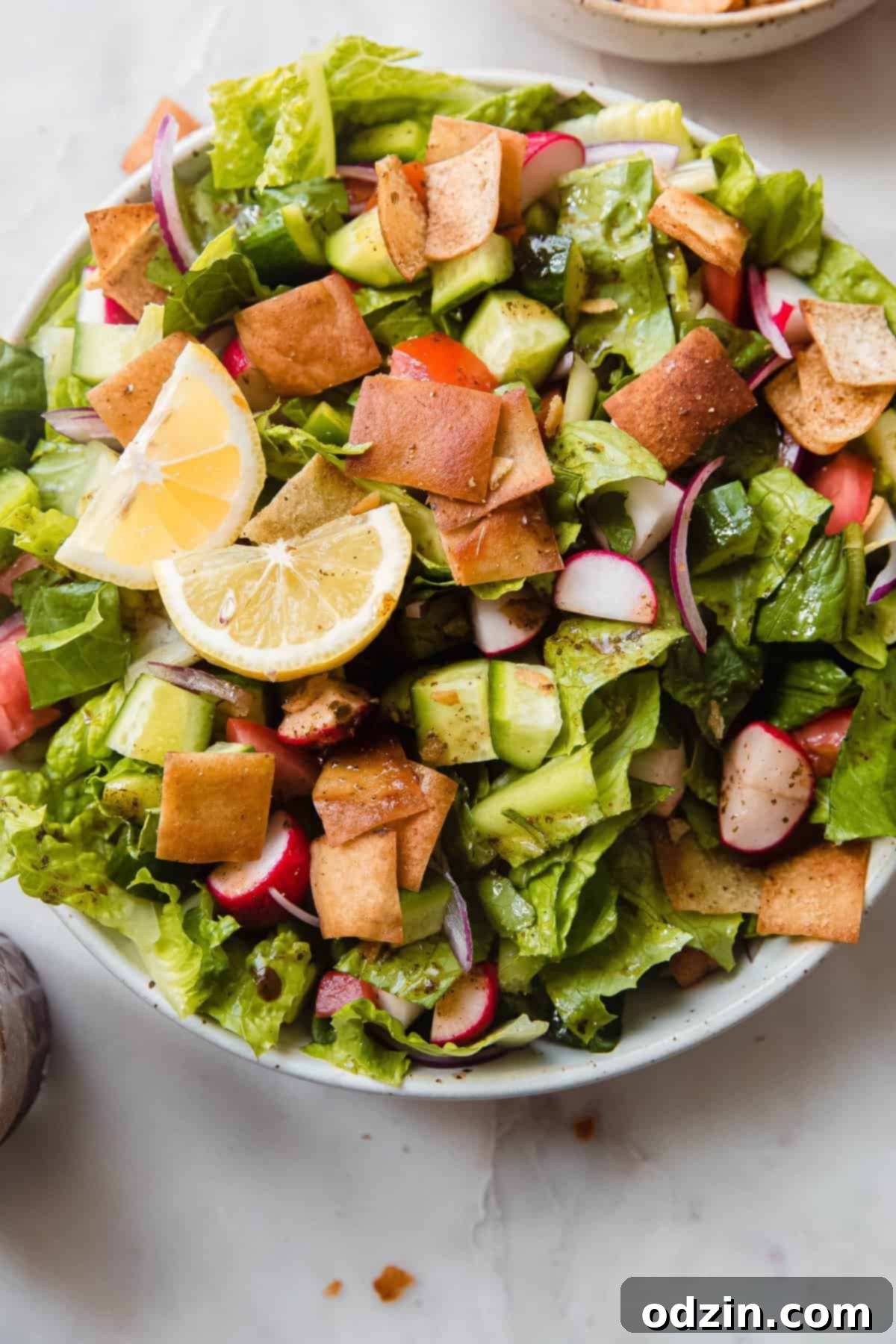
Authentic Lebanese Fattoush Salad: A Zesty, Crispy, and Refreshing Mediterranean Staple
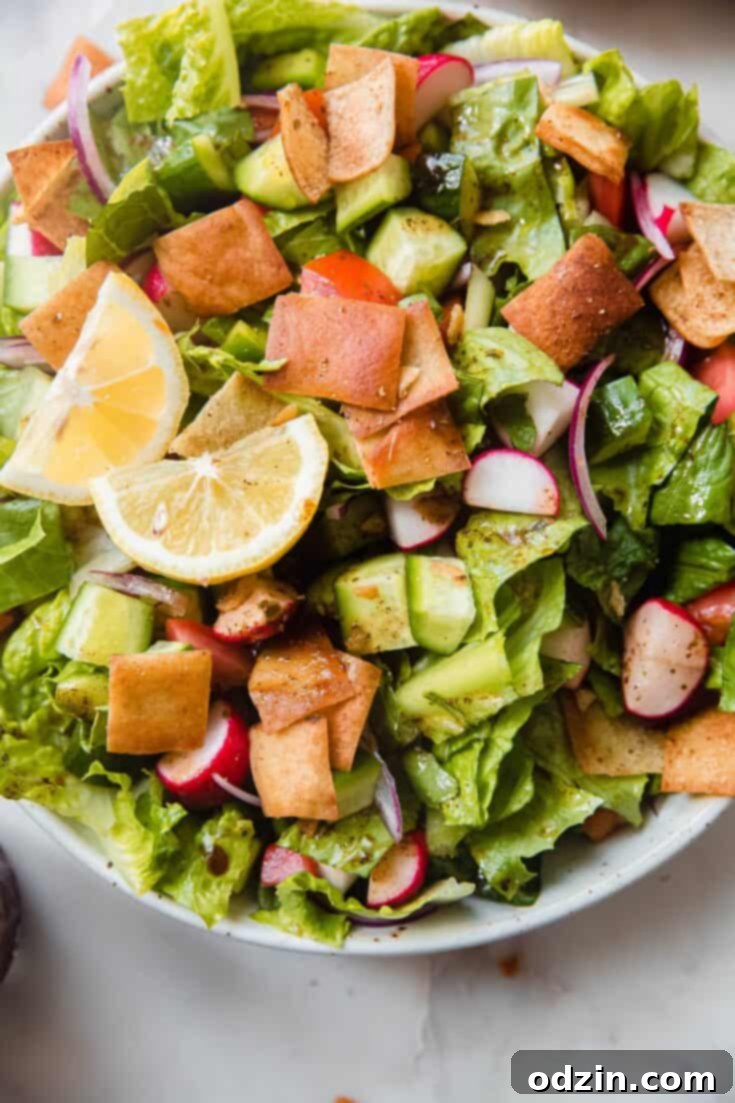
Discover the vibrant flavors of an authentic Lebanese Fattoush Salad, featuring crisp romaine lettuce, ripe tomatoes, crunchy Persian cucumbers, spicy radishes, and irresistible homemade pita chips. All perfectly tossed in a bright, zesty Mediterranean dressing – it’s a staple you’ll crave!
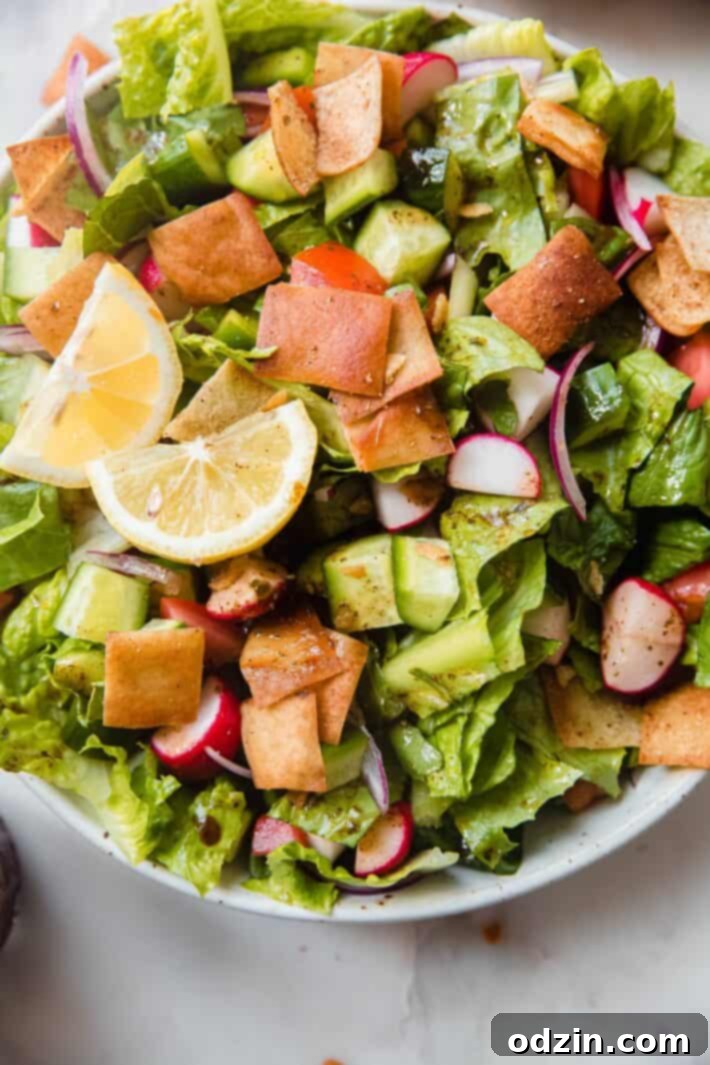
There are certain dishes that instantly transport you, and for many, an authentic Fattoush salad is one of them. This colorful Lebanese Fattoush salad is a true jewel of Mediterranean cuisine, a staple that I always look for on the menu when dining out. It’s more than just a salad; it’s a celebration of fresh, vibrant vegetables and textures, elevated by a distinctive zesty dressing and, of course, those glorious crispy pita chips.
When indulging in rich Mediterranean dishes like succulent beef Kefta or savory Koobideh kebabs, a bright, refreshing salad is essential to balance the meal. Fattoush perfectly fulfills this role, offering a delightful counterpoint with its fresh flavors and satisfying crunch. The real magic, however, lies in the fried (or baked!) pocket pita bread, which adds an unparalleled crispiness that distinguishes Fattoush from any other salad. This, coupled with a tangy lemon and sumac dressing, creates a deliciously irresistible package that’s bursting with authentic Mediterranean taste.
What is Fattoush Salad? A Culinary Journey
Fattoush is a traditional Lebanese bread salad known for its refreshing blend of mixed greens and other vegetables, often including Persian cucumbers, ripe tomatoes, and thinly sliced onions. Historically, Fattoush originated as a “peasant salad” in the Levant region, where frugal home cooks would use stale pita bread, frying or toasting it to create crunchy croutons, then tossing it with whatever fresh garden vegetables were available. This ingenious use of leftovers gives Fattoush its characteristic texture and makes it both hearty and economical.
The defining element of a Fattoush salad is undoubtedly the iconic fried or baked pita bread croutons. These add a crucial crunch and absorb the flavorful dressing, making each bite a symphony of textures and tastes. Beyond the standard greens and tomatoes, traditional Fattoush often incorporates radishes, bell peppers, and fresh herbs like mint and parsley, all contributing to its vibrant appearance and complex flavor profile. The dressing, typically a combination of olive oil, lemon juice, sumac, and often pomegranate molasses, ties all these fresh ingredients together with a unique sweet-tart zing.
Fattoush vs. Tabbouleh: Understanding the Distinction
While both Fattoush and Tabbouleh are beloved Lebanese salads, they possess distinct characteristics that set them apart. The primary difference lies in their base ingredients and overall texture.
In Fattoush salad, the base is typically a medley of leafy greens, most commonly romaine lettuce. The vegetables, while chopped, are generally cut into larger, more substantial pieces, allowing for a satisfying bite and a clear distinction between each component. The standout feature is, of course, the crispy fried pita bread topping, which introduces a unique crunchy element that defines the salad.
In contrast, Tabbouleh salad is built upon a base of finely chopped fresh parsley and cracked bulgur wheat. The vegetables, including tomatoes and mint, are minced much more finely than in Fattoush, creating a uniform, almost granular texture. Tabbouleh is typically less leafy and more grain-and-herb focused, offering a different kind of fresh, chewy bite. It lacks the fried pita croutons that are so central to Fattoush, relying instead on the bulgur for its body and the herbs for its dominant flavor.
Essentially, Fattoush is a hearty, crunchy garden salad with bread, while Tabbouleh is a lighter, herb-and-grain salad with a delicate texture. Both are incredibly delicious and essential to Lebanese cuisine, but they serve different roles on the table.
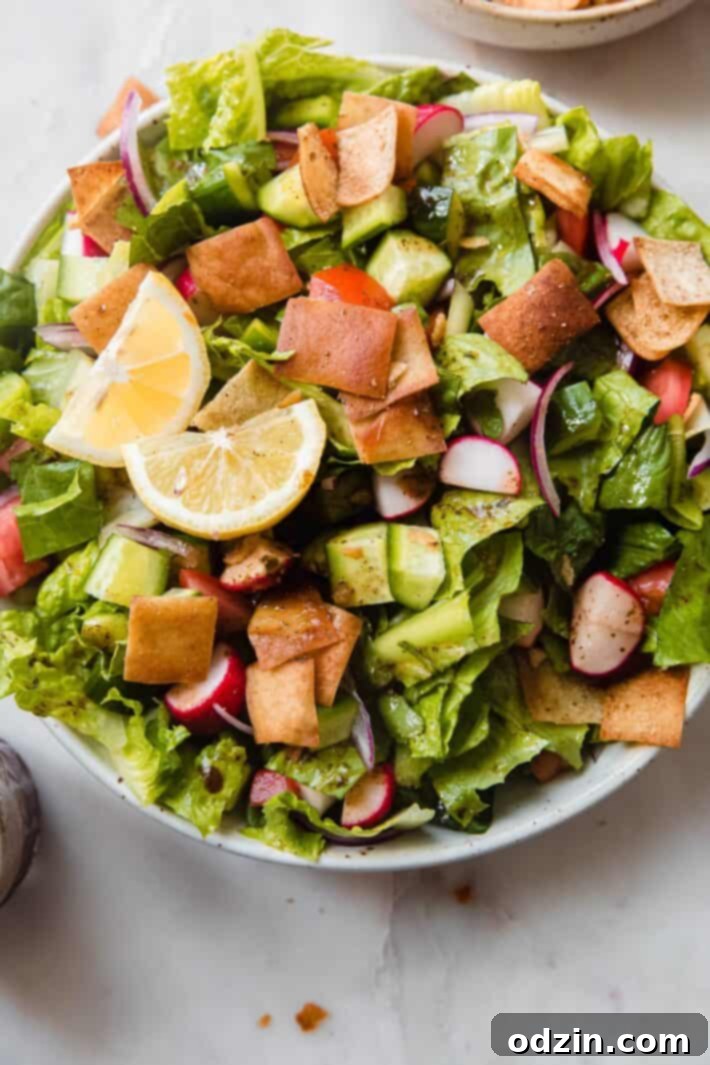
Essential Ingredients for the Best Fattoush Salad:
Crafting an exceptional Fattoush salad hinges on using fresh, quality ingredients and understanding how each component contributes to the overall flavor and texture. Here’s a detailed look at what you’ll need:
- Unique Seasonings: These are the flavor powerhouses of Fattoush.
- Sumac: A deep red spice made from dried, ground sumac berries. It imparts a distinctive tangy, lemony flavor with a hint of astringency that is absolutely crucial for the dressing’s authentic taste. It’s what gives many Middle Eastern dishes their signature bright acidity without being overpowering.
- Za’atar: This is a versatile Middle Eastern spice blend, often compared to the “Italian seasoning” of the region. It typically includes dried thyme, oregano, marjoram, toasted sesame seeds, and sumac. We’ll use it to season the crispy pita chips, adding an incredible depth of herbaceous and nutty flavor.
- Dried Mint: Don’t underestimate the power of a good pinch of dried mint in the dressing. It offers a subtle, refreshing coolness that brightens the entire salad without tasting like toothpaste. It’s a key ingredient for that authentic Mediterranean aroma.
- High-Quality Olive Oil: As a primary component of the dressing and for frying the pita, the quality of your olive oil truly makes a difference. Opt for a good extra virgin olive oil for its fruity, peppery notes, which will elevate the entire dish.
- Fresh Lemon Juice: This provides the essential acidic backbone for the dressing, working in harmony with sumac to create that signature zesty flavor. Always use freshly squeezed lemon juice for the best results.
- Garlic Cloves: Pressed or very finely grated garlic adds a pungent depth to the dressing. Pressing or grating ensures the garlic dissolves seamlessly into the dressing, preventing any harsh, chunky bites and allowing its flavor to permeate evenly.
- Pomegranate Molasses: This thick, dark syrup, made from reduced pomegranate juice, is a game-changer. It offers a unique balance of sweet and tart, adding complexity and a beautiful glossy finish to the dressing. You can often find it at Middle Eastern grocery stores or easily online. If unavailable, a combination of balsamic glaze with a squeeze of lemon or a touch of honey can be a decent substitute, though it won’t be exactly the same.
- Honey: While not always found in traditional Fattoush dressing recipes, a small drizzle of honey or a touch of maple syrup helps to beautifully balance the tartness from the lemon juice and ground sumac, rounding out the flavors and adding a subtle sweetness that enhances the overall appeal.
- Pocket Pita Bread: The type of pita bread is crucial for authentic crispy chips. Look for large, flat pocket pitas—the kind typically used for wrapping shawarma. These yield thinner, crispier chips when fried or baked. If large ones aren’t available, use about 1 ½ regular-sized pocket pitas from the grocery store. Avoid thick, fluffy pitas, as they won’t get as crispy.
- A Colorful Array of Fresh Veggies: Fattoush thrives on freshness and variety. Beyond the classic romaine lettuce, I recommend including:
- Romaine Lettuce: The crisp, slightly bitter base of the salad.
- Tomatoes: Ripe, juicy tomatoes (Roma or cherry work well) add sweetness and acidity.
- Persian Cucumbers: Small, crunchy, and less watery than regular cucumbers, they offer a delightful crisp texture.
- Radishes: Their peppery bite and vibrant color are a traditional and welcome addition.
- Red Onions: Thinly sliced red onions provide a sharp, pungent flavor. Soaking them briefly in cold water can mellow their intensity if desired.
- Bell Peppers: Diced bell peppers (any color) add extra sweetness and crunch.
- Optional Additions: Fresh parsley, mint leaves, green onions, or even some thinly sliced carrots can further enhance your salad.
Crafting Your Authentic Lebanese Fattoush Salad: Step-by-Step Guide
Making Lebanese Fattoush at home is surprisingly simple, allowing you to enjoy fresh, vibrant flavors with minimal effort. Here’s how to bring this delightful salad to your table:
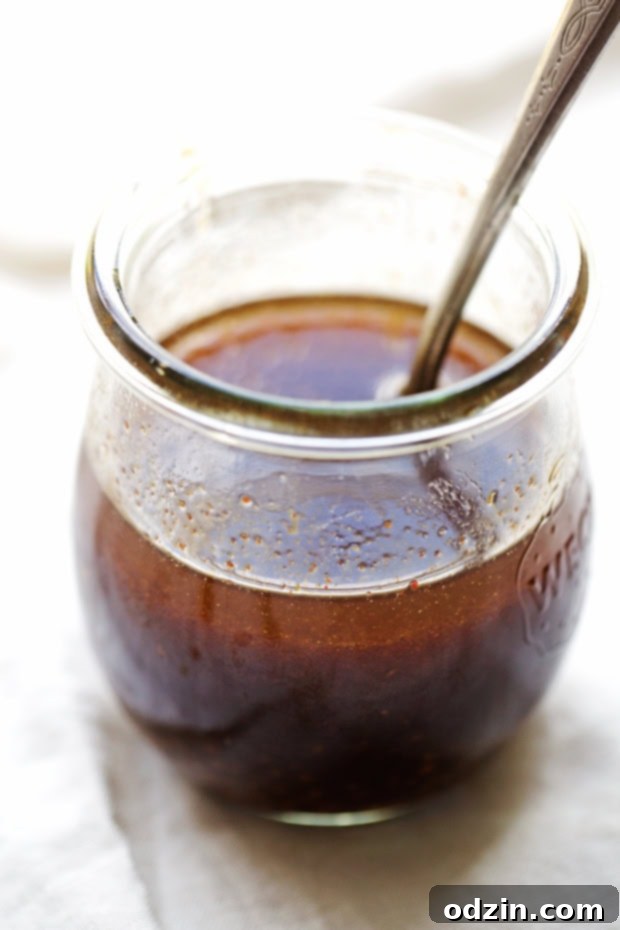
- Prepare the Zesty Dressing. The dressing is the heart of Fattoush. In a mason jar, combine all the dressing ingredients: ground sumac, olive oil, fresh lemon juice, pressed garlic, pomegranate molasses, honey, dried mint, and kosher salt. Seal the jar tightly and shake vigorously until all ingredients are thoroughly combined and the dressing appears emulsified. Alternatively, for an even smoother and longer-lasting emulsion, you can add all ingredients to a blender and blend for a few seconds until creamy. This method helps the dressing stay integrated without separating as quickly. Taste and adjust seasonings as needed, adding more lemon for tang, honey for sweetness, or salt to enhance flavors.
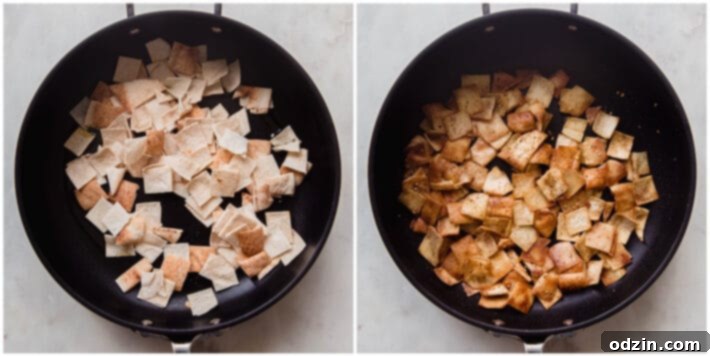
- Fry the Crispy Pita Chips. Heat 2 tablespoons of olive oil in a large skillet over medium heat. Once the oil is shimmering and hot (but not smoking), add the chopped pita bread pieces in a single layer. Avoid overcrowding the pan; work in batches if necessary to ensure even crisping. Fry for 4-6 minutes, flipping the pieces frequently with tongs, until they turn beautifully golden brown and become wonderfully crispy. Immediately after removing them from the skillet, toss the hot pita chips with za’atar seasoning and a pinch of salt. This allows the seasoning to adhere perfectly. Transfer the seasoned pita chips to a plate lined with paper towels to drain any excess oil and allow them to cool completely. Cooling is essential for maximum crispness.
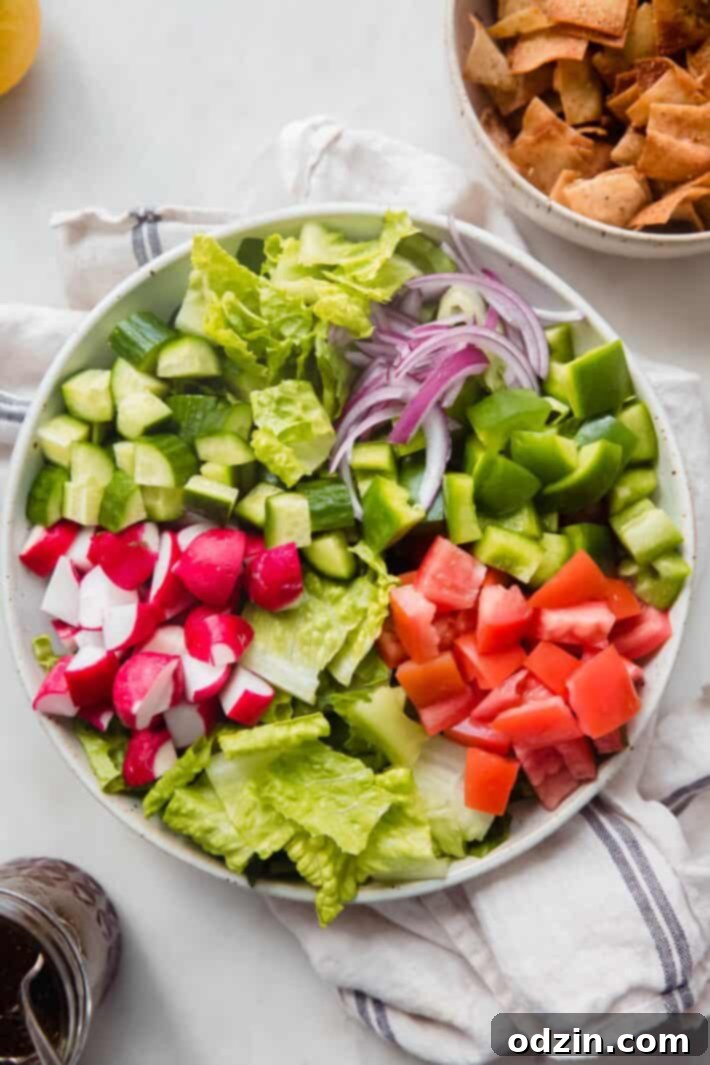
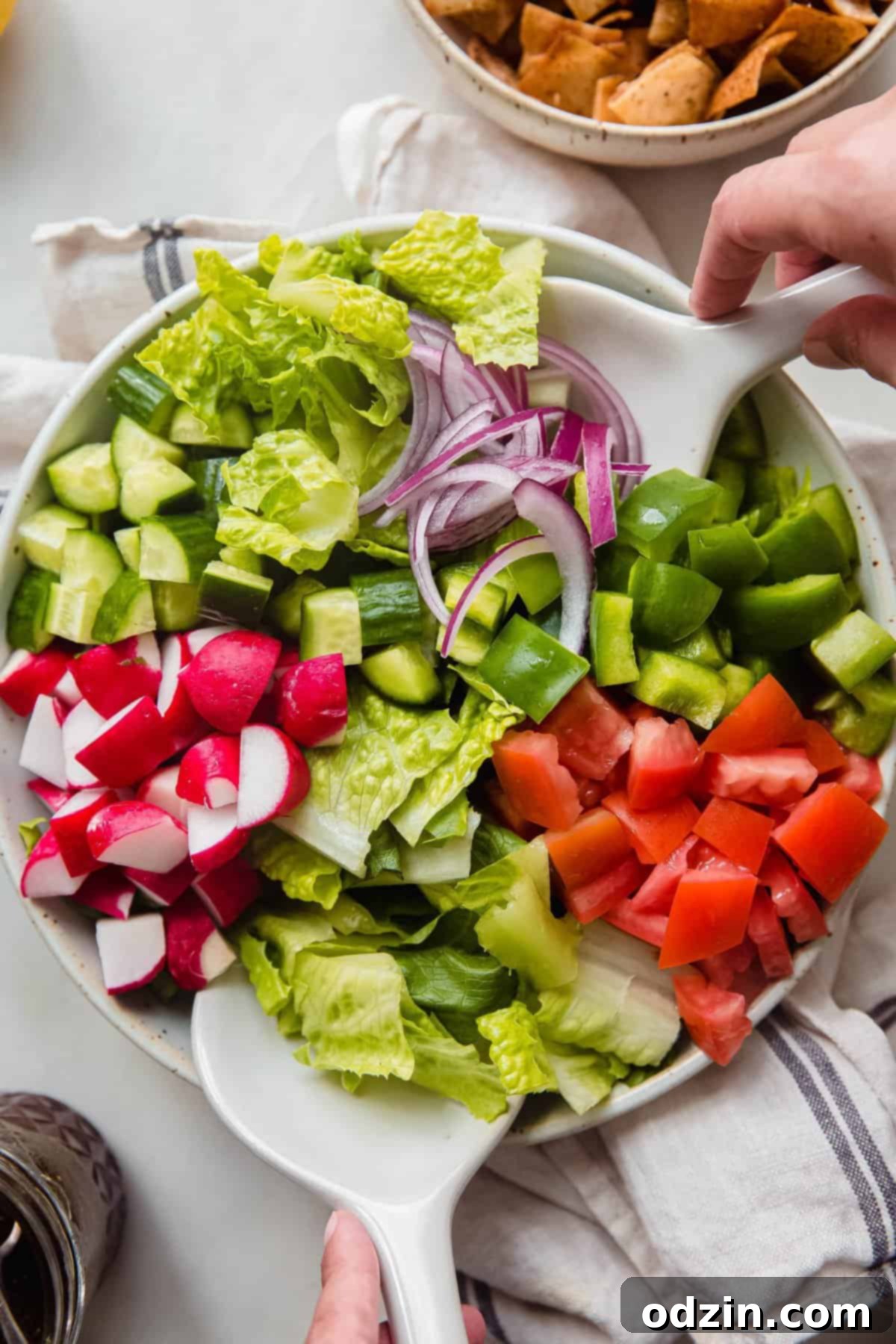
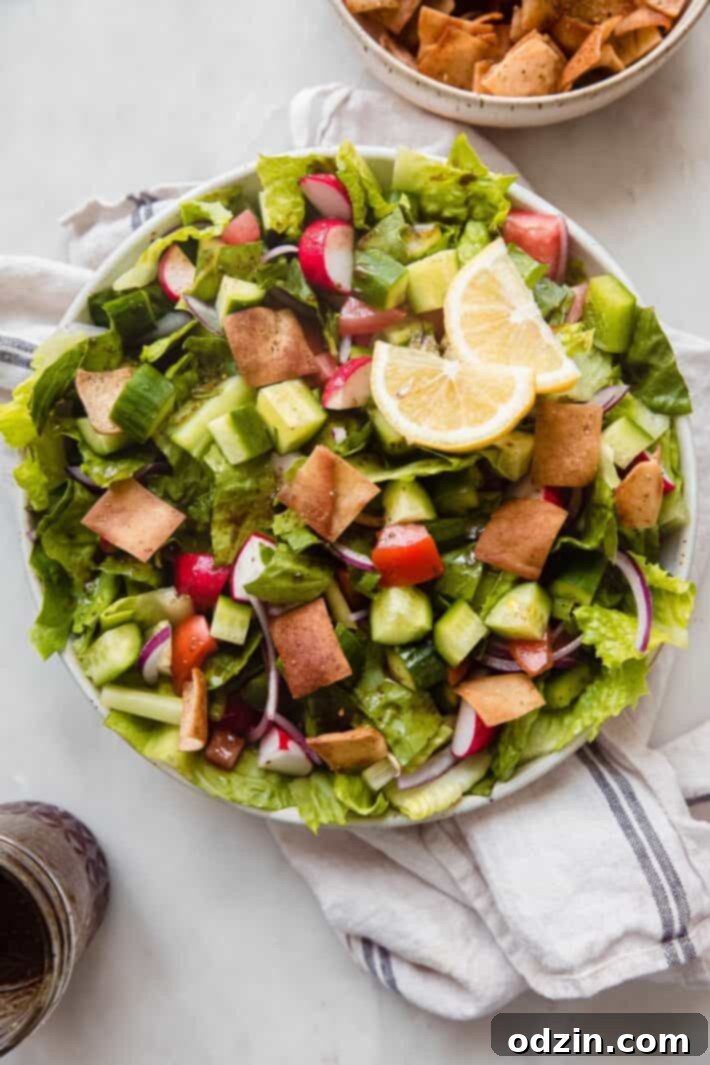
- Assemble and Toss the Salad. In a large mixing bowl, combine all your fresh salad ingredients: chopped romaine lettuce, thinly sliced red onions, chopped Persian cucumbers, diced Roma tomatoes, diced bell peppers, and diced radishes. Just before you are ready to serve, drizzle the prepared dressing generously over the vegetables. Toss everything gently to ensure that every leaf and piece of vegetable is coated in the flavorful dressing. The goal is to lightly dress, not drench, the salad. Finally, add the cooled, crispy pita chips to the bowl. Toss one last time very gently, or simply arrange them on top, to ensure they retain their crunch. Serve immediately to enjoy the ultimate fresh and crispy Fattoush experience!
Expert Tips for Making the Best Fattoush Salad:
Achieving a truly exceptional Fattoush is all about attention to detail. Follow these tips to elevate your homemade salad:
- Prioritize Ingredient Quality. Since Fattoush relies heavily on fresh produce, the quality of your ingredients directly impacts the final taste. Splurge on the freshest, ripest vegetables you can find. Critically, use a high-quality extra virgin olive oil for the dressing; its nuanced flavor is a foundational element that binds all the ingredients into a harmonious, irresistible package. Freshness in every component will shine through.
- Embrace Seasonal Produce. Fattoush is at its absolute best when made with peak-season ingredients. Tomatoes, especially, are at their most flavorful and juicy during the summer months. Enjoying Fattoush in the warmer seasons, when local produce is abundant and vibrant, will give you the most authentic and delicious experience. Consider visiting a farmer’s market for inspiration.
- Keep Pita Chips Crispy by Adding Them Last. While you can (and should!) fry or bake the pita bread croutons ahead of time, it is crucial to store them separately and add them to the salad just before serving. The dressing’s moisture will quickly soften the pita, compromising its delightful crunch. Mixing them in at the last moment ensures they remain perfectly crispy, providing that essential textural contrast in every bite.
- Chop Uniformly for Evenness. Aim for relatively uniform chopping of your vegetables. While Fattoush vegetables are typically larger than Tabbouleh, consistency in size ensures that each bite contains a balanced mix of ingredients and that the dressing coats everything evenly.
- Don’t Overdress. The goal is to lightly coat the salad, not drown it. Start with a smaller amount of dressing and add more as needed, tossing gently. You can always add more, but you can’t take it away. This preserves the freshness of the vegetables and prevents the salad from becoming soggy.
- Personalize Your Herbs. While dried mint is classic in the dressing, consider adding fresh chopped mint or parsley to the salad itself for an extra burst of herbaceous freshness. These fresh herbs complement the overall flavor profile beautifully.
Frequently Asked Questions About Fattoush Salad:
Here are answers to some common questions about preparing and enjoying Fattoush salad:
- Can I prepare this salad ahead of time? You can certainly do some prep work in advance to save time. Feel free to chop all your vegetables, prepare the dressing, and fry/bake the pita chips ahead of time. However, to maintain optimal freshness and prevent sogginess, it is highly recommended to combine and toss the salad ingredients with the dressing, and add the pita chips, right before serving. The acid in the dressing will rapidly break down the leafy greens and tomatoes once they are mixed, leading to a watery and limp salad if left too long. Store components separately in airtight containers in the refrigerator.
- Can I bake or air fry the pita instead of frying? Absolutely! While traditional Fattoush often features fried pita for maximum flavor and crispiness, baking or air frying are excellent healthier alternatives that still yield wonderfully crunchy chips.
- To Bake: Preheat your oven to 350ºF (175ºC). Tear or cut the pita bread into desired pieces. Toss them with 1-2 tablespoons of olive oil, a pinch of salt, and a generous sprinkle of za’atar seasoning. Spread the pita in a single layer on a baking sheet. Bake for 8-10 minutes, flipping halfway through, until the bread is golden brown and toasted.
- To Air Fry: Preheat your air fryer to 350ºF (175ºC). Toss pita pieces with oil, salt, and za’atar as above. Arrange in a single layer in the air fryer basket (work in batches if necessary). Air fry for approximately 5-8 minutes, shaking the basket halfway, until crispy and golden.
Both methods offer a great crunch with less oil, and you can adjust the cooking time based on your desired level of crispness.
- What if I can’t find specific Middle Eastern ingredients like za’atar or pomegranate molasses? I understand that some ingredients like pomegranate molasses, sumac, and za’atar might be challenging to locate in all grocery stores. However, these unique seasonings are truly what give my Fattoush its distinctive and incredibly delicious flavor, especially the za’atar on the fried pita. If you absolutely cannot find them, you can:
- For Sumac: A little extra lemon juice can provide some acidity, but the unique tangy flavor will be missed.
- For Za’atar: You can omit it, or try a small pinch of dried thyme combined with toasted sesame seeds as a very basic approximation. However, I highly recommend sourcing za’atar if possible, as it adds an irreplaceable herbaceous and nutty depth to the pita chips.
- For Pomegranate Molasses: A dash of balsamic glaze mixed with a touch of honey or a very small amount of concentrated cranberry juice reduction can offer a sweet-tart alternative, though it won’t replicate the specific richness of pomegranate molasses.
Often, international or specialty food stores are good sources for these items, or they are readily available online.
- Is Fattoush Salad healthy? Yes! Fattoush is a wonderfully healthy salad. It’s packed with fresh vegetables, providing a rich source of vitamins, minerals, and dietary fiber. The olive oil contributes healthy monounsaturated fats, and the lemon juice adds a boost of Vitamin C. Even with the pita chips, it can be a balanced meal, especially if you opt for baked or air-fried versions.
- What main dishes pair well with Fattoush? Fattoush is incredibly versatile and pairs beautifully with a wide range of dishes. It’s excellent alongside grilled meats like chicken shawarma, lamb kebabs, or beef koobideh. It also complements vegetarian mains like lentil rice pilaf (Mujadara), falafel, or hummus and warm pita bread. Its refreshing qualities cut through richer flavors, making it a perfect side for almost any Mediterranean-inspired meal.
If you like this recipe, you might also like these other delightful Middle Eastern-inspired dishes:
- Most Delicious Homemade Shawarma Seasoning
- Beef Shawarma Bowls with Persian Rice
- Easy Persian Chicken Kebabs
- Lentil Rice Pilaf (Mujadara)
- Frozen Mint Lemonade (Limonana)
This Fattoush recipe was originally shared in Aug. 2016, and has been lovingly updated with new images, minor recipe tweaks for enhanced flavor, and clearer instructions in June 2021 to ensure you get the very best results.
Lebanese Fattoush Salad
15 minutes
15 minutes
An authentic Lebanese Fattoush Salad featuring crispy romaine lettuce, juicy tomatoes, Persian cucumbers, radishes, and homemade pita chips. Tossed in a vibrant, zesty Mediterranean dressing!
Ingredients
For the Zesty Dressing:
- 1 ½ teaspoon ground sumac
- ¼ cup quality olive oil
- 3 tablespoons fresh lemon juice
- 2 cloves garlic, pressed or finely grated
- 2 tablespoons pomegranate molasses
- 1 tablespoon honey (or maple syrup)
- ½ teaspoon dried mint
- ¼ teaspoon kosher salt
For the Fattoush Salad:
- 1 large pita pocket, chopped into small pieces (or 1 ½ regular size)
- 2 tablespoons olive oil (for frying pita)
- 1 teaspoon za’atar seasoning
- 2 Persian cucumbers, chopped
- 2 Roma tomatoes, chopped
- 5 radishes, diced
- ½ red onion, thinly sliced
- 1 cup chopped bell pepper (any color)
- 1 head of romaine lettuce, chopped (or 2 smaller hearts)
Instructions
- PREPARE DRESSING: In a mason jar, combine all ingredients for the dressing. Shake vigorously until well combined and emulsified. For a smoother, longer-lasting emulsion, blend ingredients in a blender.
- FRY PITA CHIPS: Heat 2 tablespoons of olive oil in a large skillet over medium heat. Once hot, add pita pieces in a single layer. Cook for 4-6 minutes, flipping frequently, until golden brown and crispy. Season immediately with a pinch of salt and the za’atar seasoning. Transfer pita to a plate to cool.
- ASSEMBLE SALAD: In a large bowl, combine chopped romaine, red onions, cucumbers, tomatoes, bell peppers, and radishes. If the dressing has separated, give it a good shake. Drizzle dressing over the salad and toss gently to combine. You may not need all the dressing, depending on your preference. Top with the crispy pita chips and serve immediately to maintain crunch.
Notes
- This recipe makes a generous amount of dressing; use as much or as little as you prefer. Leftover dressing can be stored in the refrigerator for up to a week.
- To transform this into a heartier main course, consider adding diced or shredded rotisserie chicken, grilled chicken, or even chickpeas. If serving as a main dish, you might want to increase the lettuce to 2 1/2 or 3 hearts of romaine to comfortably feed 3-4 people.
- For a healthier alternative, bake or air fry the pita chips instead of frying. Toss pita pieces with olive oil, salt, and za’atar. Bake at 350°F (175°C) for 8-10 minutes, or air fry at 350°F (175°C) for 5-8 minutes, until crispy.
Recommended Products
- Dried Mint
- Pomegranate Molasses
- Ground Sumac
- Za’atar
- 68 Oz. Olive Oil
- Stainless Steel Skillet
Have you made this recipe?
If you enjoyed this recipe, please consider leaving a ⭐️⭐️⭐️⭐️⭐️ rating and a comment below. You can also share a picture on Instagram with the hashtag #LITTLESPICEJAR, I’d love to see what you made!