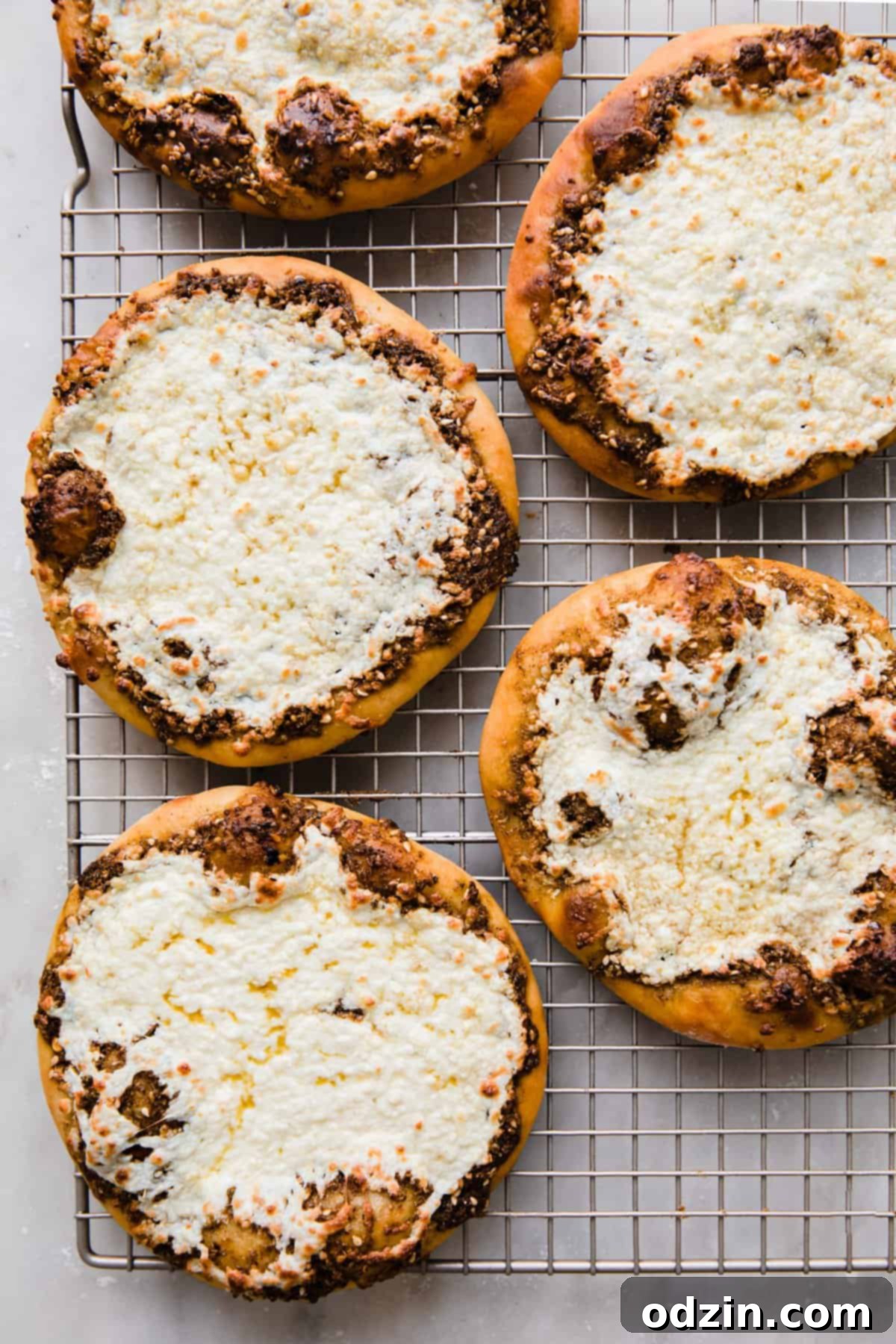
Authentic Homemade Manakish Recipe: Your Guide to Perfect Middle Eastern Za’atar & Cheese Flatbread
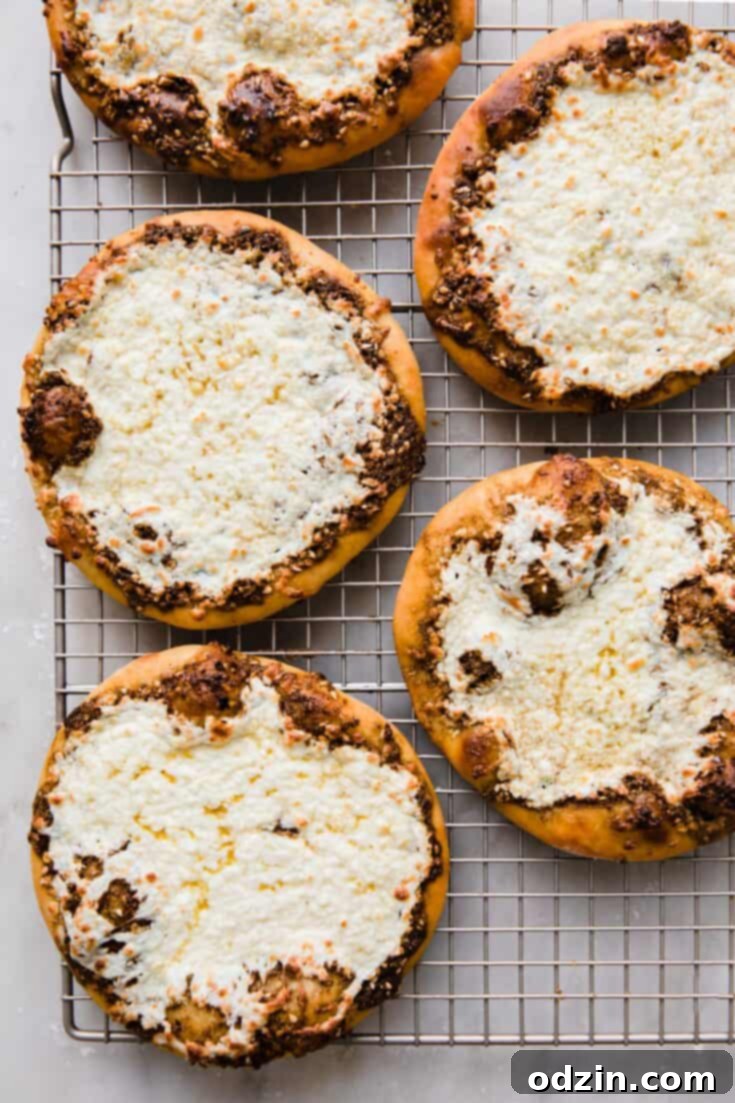
Manakish, also known as Manakeesh, is a cherished Middle Eastern flatbread often likened to a pizza, featuring delectable toppings like aromatic za’atar and savory shredded cheese. The magic lies in its incredibly fluffy and tender bread! These delightful individual flatbreads are an absolute staple, perfect for a cozy breakfast, a leisurely brunch alongside a warm mug of tea, or as a flavorful appetizer for any gathering.
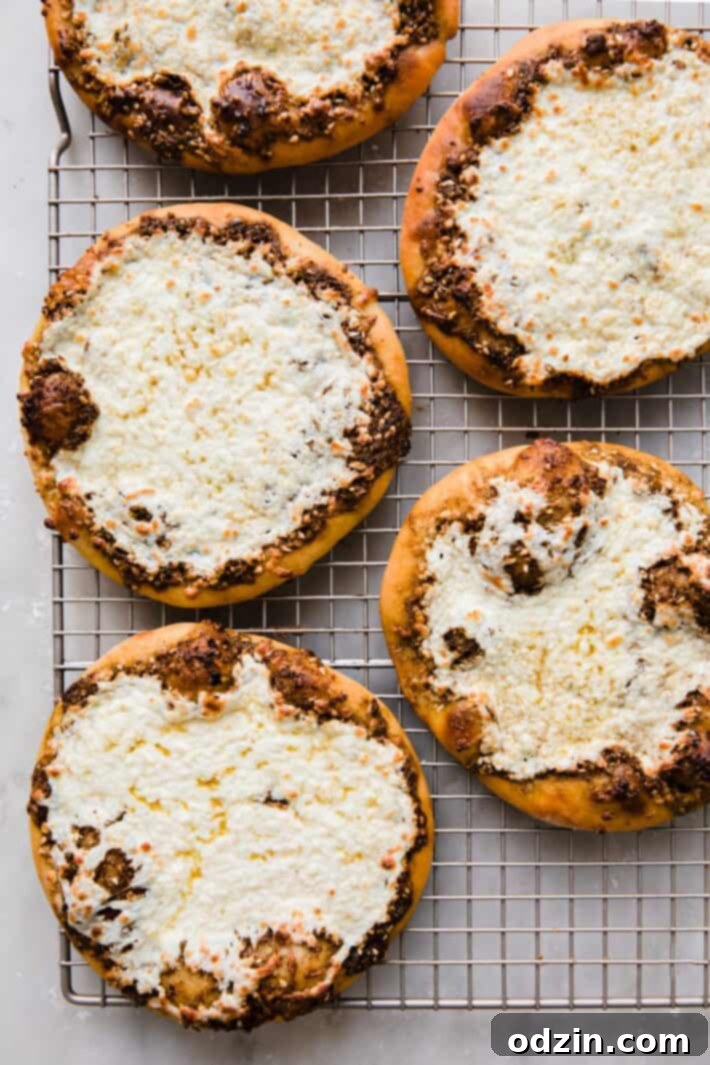
There’s truly nothing quite like waking up to the aroma of warm, fluffy manakish. It’s a comfort food that holds a special place in my heart and on my breakfast table. My fondness for this traditional Middle Eastern delicacy began with frequent visits to my favorite local Middle Eastern grocery store. They bake them fresh daily, and it’s a rare occasion that I leave without a pack in hand. A quick reheat in the air fryer or a skillet until it’s perfectly warmed through transforms it into an instant, satisfying breakfast, especially when paired with a fresh cup of coffee. Its convenience and portability make it an ideal grab-and-go option for busy mornings.
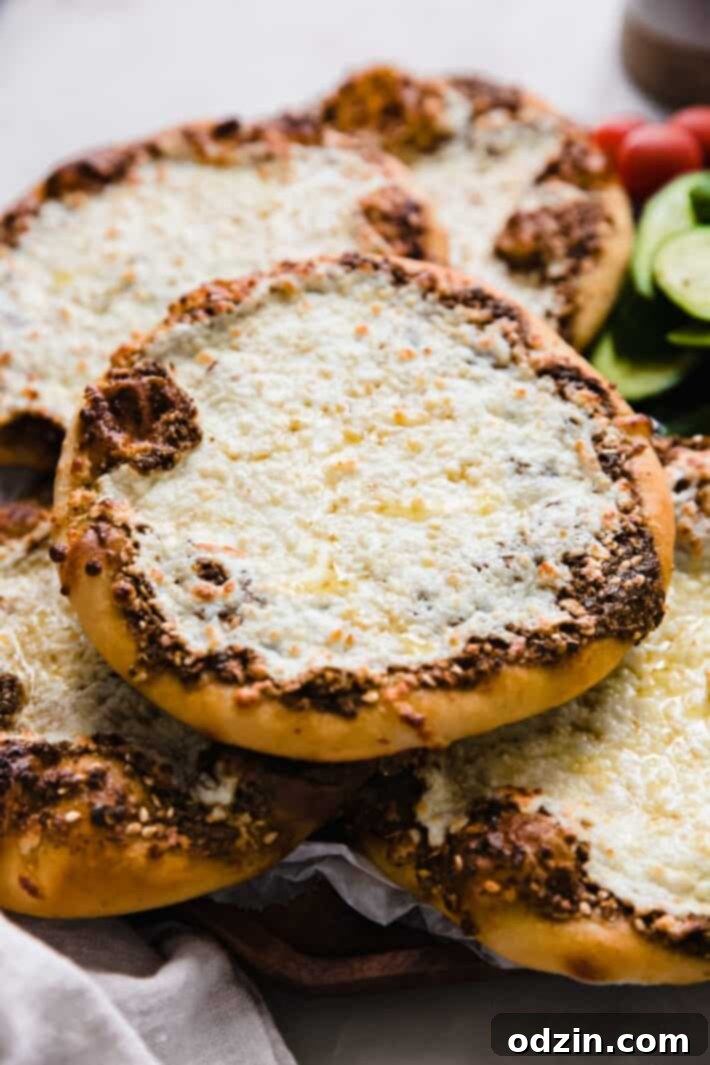
Manakish comes in a wonderful variety of toppings, each offering a unique flavor profile. The most classic is Za’atar Manakish, where the flatbread is generously coated with a vibrant paste made from za’atar seasoning and rich olive oil. Then there’s Cheese Manakish, typically topped with creamy Akawi cheese, baked until the bread is golden and the cheese is beautifully melted and bubbly. For those who can’t choose between these two incredible flavors, my personal favorite combines the best of both worlds: manakish topped with both za’atar and cheese, creating an irresistible symphony of savory notes. While traditionally enjoyed for breakfast or brunch, manakeesh is incredibly versatile and makes a fantastic addition to a vibrant mezze platter or a crowd-pleasing appetizer for any party or family gathering.
The Origins and Pronunciation of Manakish
Manakish, a beloved culinary icon across the Levant region (including Lebanon, Syria, Jordan, and Palestine), boasts a rich history deeply rooted in Middle Eastern culture. Its name is derived from the Arabic word “na’qash” (نقش), meaning “to engrave” or “to sculpt,” referring to the indentations made in the dough with fingertips to hold the toppings. This simple yet profound dish has been a staple for centuries, passed down through generations, and remains a cornerstone of family meals and social gatherings.
For those curious about its pronunciation, Manakish is actually pronounced more like “manaeesh” (man–na–eesh), with the ‘k’ sound often softened or silent in many dialects. This phonetic nuance adds to the charm of this authentic dish, which is enjoyed from bustling city bakeries to quiet village homes.
Essential Ingredients for Crafting Perfect Homemade Manakish
Creating authentic, soft, and flavorful manakish starts with selecting the right ingredients. Each component plays a vital role in achieving that signature fluffy texture and delightful taste. Here’s a closer look at what you’ll need and why:
- Flour: For the ideal texture, I highly recommend using a 50:50 blend of all-purpose flour and bread flour. Bread flour contains a higher protein content, which encourages slightly more gluten development than if you were to use only all-purpose flour. This increased gluten production results in a slightly chewier, yet wonderfully tender texture in the final bread dough – perfect for manakish. If you only have all-purpose flour, that will work too, but the bread flour blend truly elevates the texture.
- Yeast: Instant yeast is a game-changer for this recipe. It allows the manakish dough to rise more rapidly and eliminates the need for activation, significantly cutting down on your prep time. Its reliability ensures a consistent and impressive rise every time.
- Sugar: A tablespoon of sugar isn’t just for sweetness; it acts as vital “food” for the yeast. This helps to activate the yeast quickly and keeps it happy and active throughout the rising process, contributing to a lighter, airier dough.
- Milk Powder: This secret ingredient is key to achieving a bakery-like tenderness and a beautiful golden-brown crust. Milk powder also plays a crucial role in extending the bread’s softness, meaning your leftovers will stay delicious for longer. It’s an ingredient I always keep on hand for baking.
- Kosher Salt: Essential for enhancing the overall flavor of the dough. Don’t skip it, as it balances the richness of the other ingredients and makes the manakish truly savory.
- Yogurt: Plain yogurt adds an incredible amount of softness and a subtle, delightful tang to the dough. It also contributes to a richer flavor profile and helps create a more pliable dough.
- Oil: Beyond adding moisture, oil significantly improves the texture of the bread, making it tender and smooth. Along with the milk powder, it helps the bread maintain its freshness and prevents it from drying out too quickly. You can use a neutral oil like avocado or sunflower.
- Water: Warm water is crucial for quickly waking up the yeast, ensuring an efficient and timely rise for your dough. Aim for around 105°F (40°C).
- Toppings: For an authentic and robust flavor, I love using a high-quality za’atar mixed with olive oil, paired with plenty of shredded Akawi cheese. Za’atar spice is a unique Middle Eastern blend typically featuring dried thyme, toasted sesame seeds, earthy cumin, tangy sumac, and often a touch of salt. For the cheese, if Akawi is hard to find, a combination of shredded mozzarella and crumbled feta cheese makes an excellent substitute, mimicking Akawi’s mild saltiness and texture. Ensure your olive oil for the topping is good quality as it’s a prominent flavor.
Step-by-Step Instructions for Making Manakish at Home
Making manakish from scratch is a rewarding experience. Follow these detailed instructions to create perfectly fluffy and flavorful Middle Eastern flatbreads right in your own kitchen.
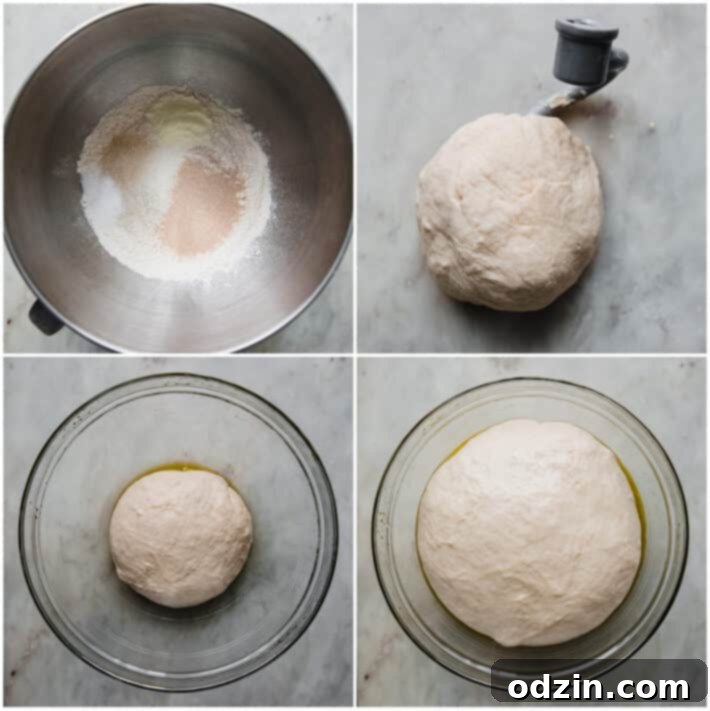
- Prepare the Dough: Begin by combining all the dry ingredients for the dough in the bowl of a stand mixer. Give them a quick whisk to ensure they’re well distributed. In a separate measuring cup, whisk together the wet ingredients (yogurt, oil, and warm water). Gradually add the wet mixture to the dry ingredients. Mix by hand with a dough whisk, or if using a stand mixer, attach the dough hook and knead on medium speed for about 8-10 minutes. The goal is a smooth, elastic dough that is slightly tacky but not sticky when you touch it. If the dough seems too dry or crumbly, add an additional tablespoon of warm water, one at a time, until the desired consistency is reached. If it’s too wet, incorporate a tablespoon of flour.
- Allow the Dough to Rise: Form the kneaded dough into a ball. Lightly oil a large mixing bowl, place the dough ball inside, and turn it once to coat it in the oil. Cover the bowl tightly with plastic wrap or a clean kitchen towel. Place it in a warm, dark place to rise for about 45 minutes to an hour, or until it has doubled in size. A pro tip for finding a warm spot: if your oven is off, you can use its warmth, or even briefly heat your dryer for a few minutes until it’s warm, then turn it off and place the dough bowl inside (do not turn the dryer back on!). If your oven has a proof setting, this is the perfect time to use it.
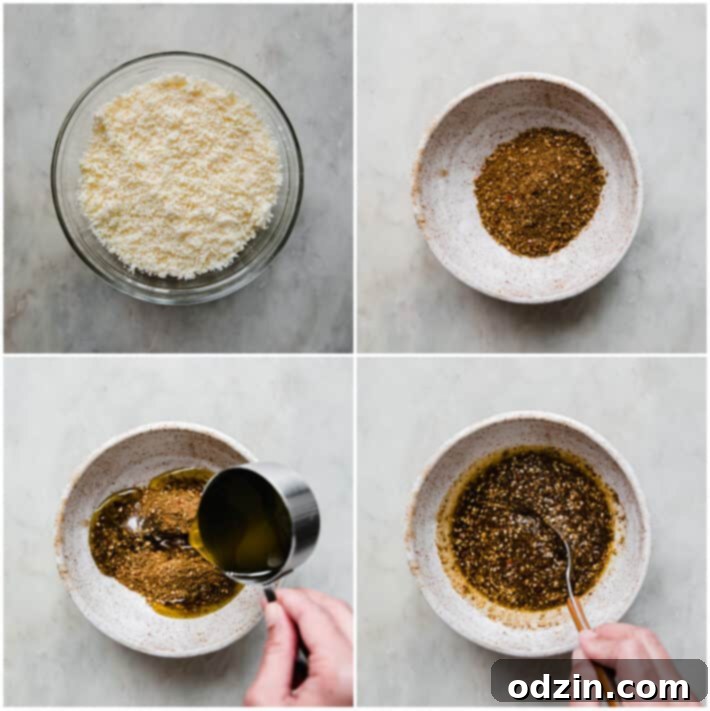
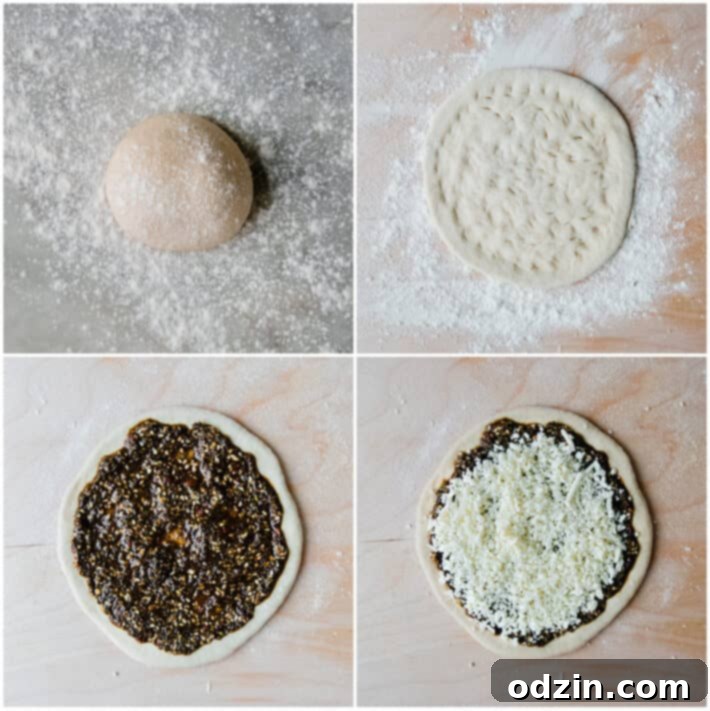
- Preheat Oven and Prepare Dough Rounds: About 10 minutes before the end of the dough’s rising time, preheat your oven to 500°F (260°C). If you’re using a pizza stone or steel, ensure it preheats in the oven as the oven comes to temperature – this is key for a crispy crust. Once the dough has risen, gently punch it down and divide it into 8 equal pieces. On a lightly floured surface, take each piece and flatten it, then roll it out into a roughly 6-inch circle, about 1/2-inch in thickness. Transfer these dough rounds to a baking sheet sprayed with oil or, if using a pizza stone, to a floured pizza peel. Before adding toppings, use your fingertips to gently dimple the dough all over. This crucial step prevents the dough from puffing up too much in the oven and creates small pockets for the delicious za’atar and cheese mixture to settle into.
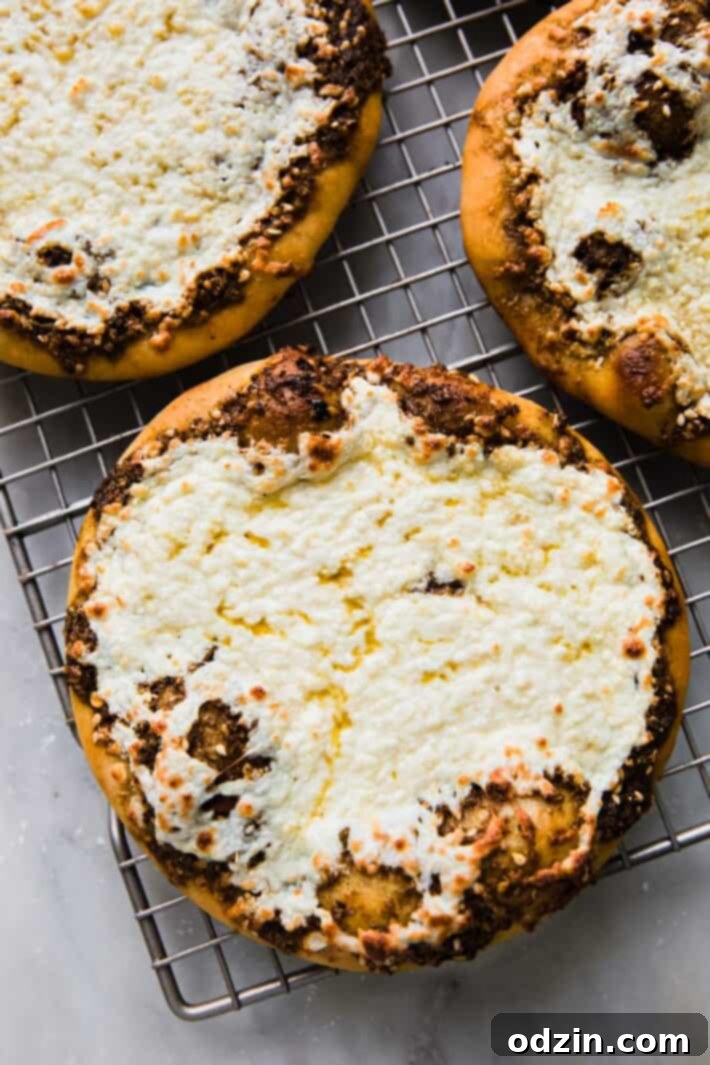
- Craft the Topping and Bake: In a small bowl, thoroughly stir together the za’atar seasoning and olive oil until it forms a spreadable paste. Evenly spread about 2 tablespoons of this za’atar mixture over each dough round, leaving a small 1/4-inch border around the edge. Generously sprinkle the shredded cheese on top of the za’atar. Carefully place the baking sheet into the preheated oven, or if using a pizza stone, slowly slide the manakish onto the hot stone. Baking times will vary: if baking directly on a pizza stone, they will cook quickly in 5-6 minutes. If using a baking sheet, it will take slightly longer, typically 6-10 minutes, until the crust is golden brown and the cheese is melted and bubbly.
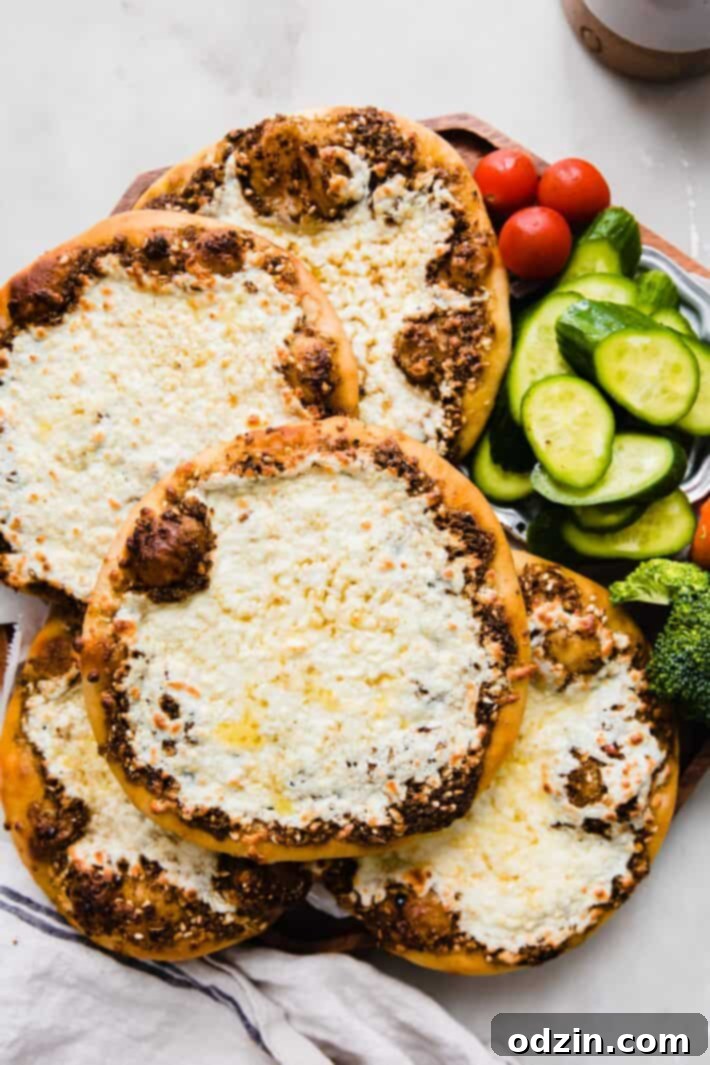
- Serve and Enjoy: Remove the manakish from the oven and serve immediately while warm. They are absolutely delightful on their own, as part of a vibrant mezze board with fresh vegetables like cucumbers and tomatoes, or paired with a warm mug of tea for an authentic breakfast or brunch experience!
Frequently Asked Questions About Homemade Manakish
Here are some common questions and helpful answers to ensure your homemade manakish turns out perfectly every time.
- What exactly is Akawi cheese? Akawi cheese is a traditional Middle Eastern white brined cheese with a wonderfully mild, slightly salty taste. Its texture is firm yet springy, very similar to mozzarella or even some types of feta. It melts beautifully, making it an ideal choice for manakish.
- Can I use just za’atar and skip the cheese? Absolutely! Za’atar manakish is a classic on its own. If you plan to use only the za’atar mixture, I recommend cutting some of the olive oil with a high-heat oil like avocado oil or sunflower oil. This is because pure olive oil can sometimes burn and become bitter when exposed directly to high oven temperatures without the protective layer of cheese.
- Can I use active dry yeast instead of instant yeast? Yes, you can, but you’ll need to “bloom” the active dry yeast first. To do this, combine the warm water, sugar, and active dry yeast in a small bowl, stir gently, and let it sit for 5-10 minutes. The mixture should become foamy on top, indicating the yeast is active. If it doesn’t foam, your yeast may be expired. Keep in mind that dough made with active dry yeast might also take a bit longer to rise compared to instant yeast.
- What if I don’t have milk powder? While milk powder significantly contributes to the tenderness and golden crust, you can substitute it if you don’t have any. Simply swap half of the water in the recipe for warm milk. For example, if the recipe calls for 1 cup of water, use 1/2 cup warm water and 1/2 cup warm milk. I highly recommend keeping milk powder on hand if you bake frequently, as it works wonders in many recipes, including my cinnamon rolls!
- Can I make these ahead of time and refrigerate or freeze them? Yes, manakish is great for meal prepping! With just two of us at home, I often make a batch and store some in an airtight container in the refrigerator for a few days. For longer storage, I place the remaining manakish between sheets of wax paper and then transfer them to a freezer bag, where they can be frozen for several weeks. To reheat from frozen, I prefer a skillet over low heat, or an air fryer/oven at 300°F (150°C) for 5-10 minutes until warmed through and slightly crispy.
- Can I make manakish in an outdoor pizza oven? Absolutely, and they turn out FABULOUSLY in a high-heat outdoor pizza oven! However, you’ll need to make a couple of adjustments. First, I recommend swapping about 50% of the olive oil in the za’atar mixture with a high-heat oil. Outdoor pizza ovens often reach temperatures of 750°F (400°C) or higher, and pure olive oil can burn at such extreme heat. Second, the cooking time will be drastically reduced. Manakish will typically cook through in just 1-2 minutes in a wood-fired pizza oven, so be sure to turn them frequently to ensure even cooking and prevent burning.
If you enjoy this Manakish recipe, you might also like these Middle Eastern favorites:
- Extra Smooth Hummus
- Homemade Shawarma Seasoning
- Lebanese Meat Stuffed Pitas (Arayes)
- Fattoush Salad
- Beef Shawarma Bowls
Manakish (Manakeesh) with Za’atar and Cheese
Manakish or Manakeesh is a Middle Eastern flatbread pizza topped with za’atar and shredded cheese. The bread is so fluffy! These are perfect for breakfast or brunch with a warm mug of tea!
Ingredients
- 1 ½ cups bread flour
- 1 ½ cups AP flour (or use 3 cups total and skip bread flour)
- 1 tablespoon EACH: instant yeast AND sugar
- 1 tablespoon dry milk powder (or replace ½ cup water with milk)
- 1 ¼ teaspoon kosher salt
- 2 tablespoons plain yogurt
- 3 tablespoons oil (such as avocado, sunflower etc.)
- 1 cup warm water, plus more (105ºF)
Toppings:
- 1 ¼ cups zaa’tar seasoning
- 1 cup olive oil (scant)
- 3 cups shredded Akawi cheese (or 50:50 mozzarella and feta)
Instructions
- MAKE DOUGH: In the bowl of a stand mixer, add the dry ingredients and whisk to combine. Combine the yogurt, oil, and warm water in a measuring cup with a whisk, then add to the mixing bowl. With hands, a dough whisk, or in a stand mixer set on speed 4, knead the dough for 10 minutes or until smooth and elastic. The dough shouldn’t be sticky when you poke it with your finger. It also shouldn’t be too dry or crumbly. If it is, you can use 1-2 more tablespoons of water and mix it into the dough well.
- LET IT RISE: Gather and form a dough ball. Place in a lightly oiled bowl, cover, and let sit in a warm place to prove for 45 minutes or until doubled in size (see notes.) When 10 minutes are remaining, position a rack in the center of the oven and preheat the oven to 500ºF. If your preparing this on a pizza stone/steel, allow it to preheat in the oven.
- ROLL: Divide dough into 8 equal dough balls. Once divided, flatten the dough by rolling it out into a 6-inch circle that is ½ inch in thickness. If the dough sticks to the counter, use a sprinkle of flour on the surface and the rolling pin. If the dough doesn’t give, cover with a tea towel and let rest 10 minutes. Dimple the dough with your fingers pushing all the way down so that the dough doesn’t rise too much in the oven. Transfer to a sheet pan sprayed with oil spray or to a floured peel before topping.
- TOP: Combine the zaa’tar and olive oil in a small bowl. Spread roughly 2 tablespoons on the dough leaving a ¼ inch border. Then sprinkle with cheese. If you are baking these on a sheet pan, spray a nonstick sheet pan with cooking spray. Place 1-3 manakish on the sheet pan (whatever fits comfortably.)
- BAKE: Place the baking sheet in the oven and bake. The pizza steel takes 5-6 minutes for the dough to cook through and the cheese to melt, baking on a sheet pan will take longer; about 6-10 minutes to cook through. Serve warm!
Notes
Recommended Products
- Dry Milk Powder, 22 Oz
- Wood Rolling Pin
- Half Sheet Pan
- Pizza Stone
Have you made this recipe?
If you enjoyed this recipe, please consider leaving a ⭐️⭐️⭐️⭐️⭐️ rating and a comment below. You can also share a picture on Instagram with the hashtag #LITTLESPICEJAR, I’d love to see what you made!