Authentic Homemade Pad See Ew: Your Ultimate Guide to This Classic Thai Noodle Stir Fry
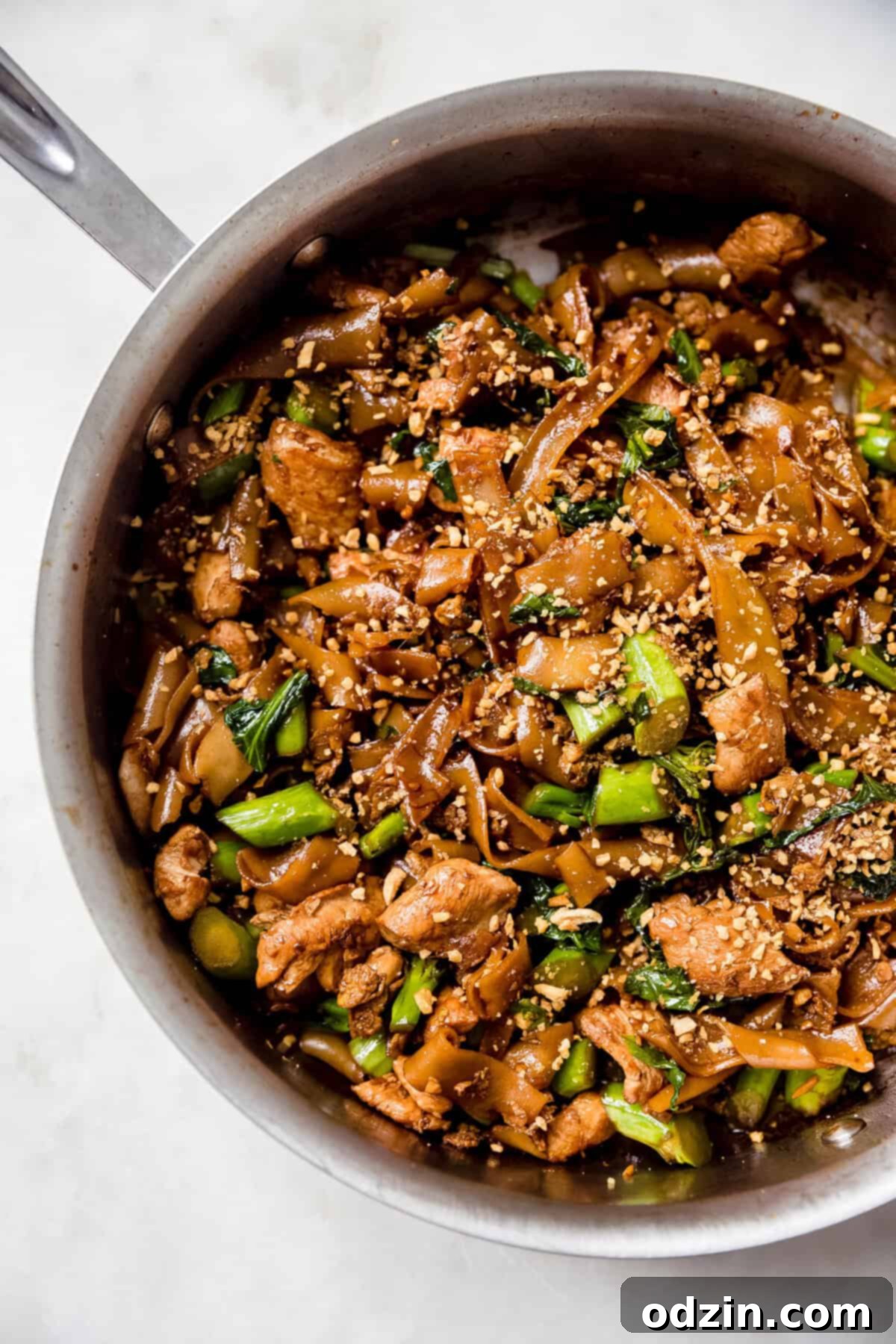
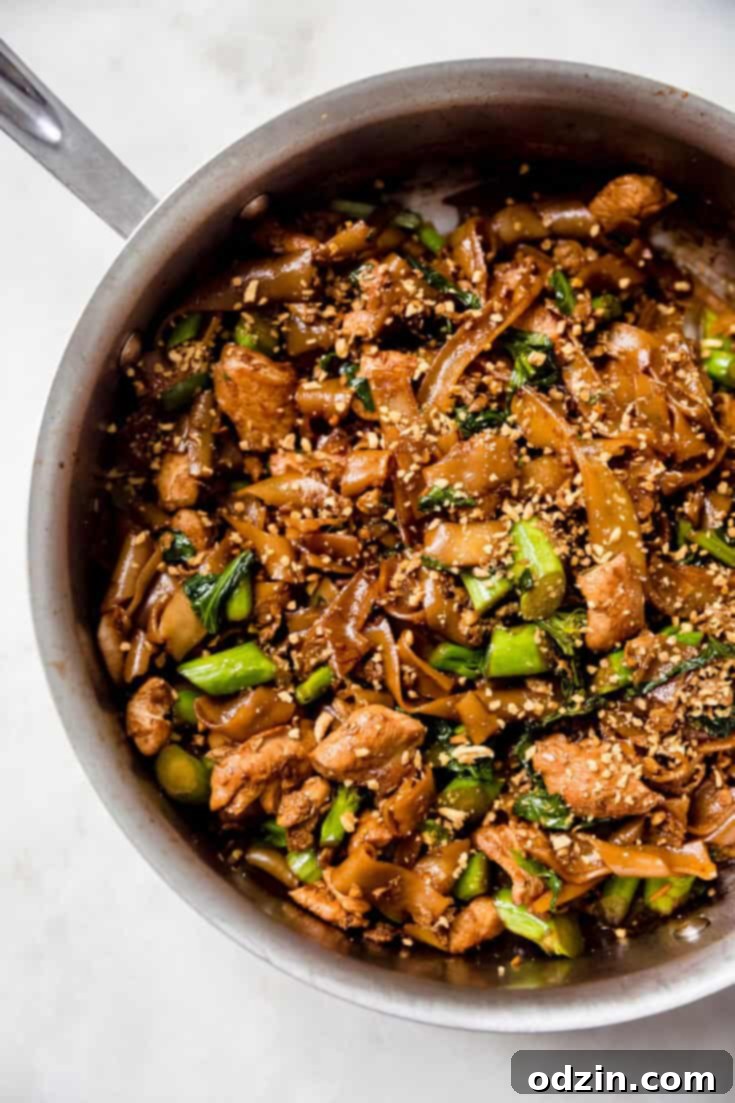
Homemade Pad See Ew is an incredibly quick and utterly delicious Thai noodle stir fry that brings the vibrant flavors of Thailand right into your kitchen! Featuring delightfully chewy wide rice noodles generously coated in a rich, savory brown sauce, alongside tender Chinese broccoli (Gai Lan) and a fragrant sprinkle of fried garlic, this dish truly tastes just like your favorite Thai restaurant version. Best of all, it’s surprisingly simple and easy enough for any home cook to master.
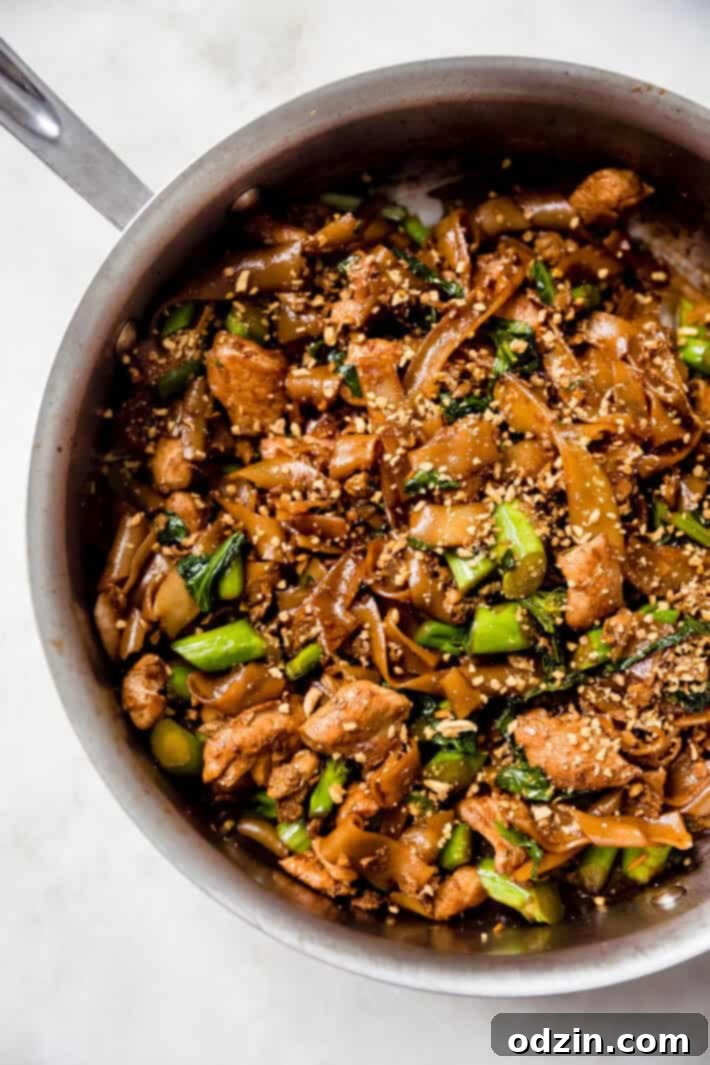
Pad See Ew holds a special place as a beloved staple whenever you venture out for Thai food. Its comforting blend of textures and deeply savory, slightly sweet, and smoky flavors makes it a perennial favorite. While it might seem like a complex dish best left to professional chefs, it’s actually one of the simpler noodle stir-fry creations that you can effortlessly replicate at home. The secret lies in its uncomplicated sauce, which comes together with a few shakes in a jar, and its straightforward assembly using readily available ingredients like thinly sliced chicken, eggs, vibrant Chinese broccoli, and fresh minced garlic. Don’t be fooled by its sometimes rustic appearance; the flavors are truly out of this world and profoundly satisfying!
What Does Pad See Ew Mean? Unveiling the Name Behind the Dish
The name “Pad See Ew” literally translates to “stir-fried with soy sauce,” which perfectly encapsulates the essence of this popular Thai dish. Originating as a common street food in Thailand, Pad See Ew is celebrated for its wide, flat rice noodles, which are the perfect vehicle for absorbing its signature dark, savory sauce. The dish is incredibly versatile, traditionally incorporating a range of proteins. While chicken is a popular choice, you can easily customize it with thinly sliced beef, tender pork, or succulent shrimp. For those following a vegetarian diet, fried tofu or savory shiitake mushrooms make excellent alternatives, ensuring everyone can enjoy this flavorful Thai noodle stir fry. Its humble origins and adaptability have made it a go-to comfort food for many, embodying the hearty and accessible spirit of Thai cuisine.
Essential Ingredients for Perfect Homemade Pad See Ew
Crafting authentic Pad See Ew at home requires a few key components. While some ingredients might seem specialized, they are increasingly available and contribute significantly to the dish’s distinctive taste and texture. Here’s a detailed look at what you’ll need:
- Chicken (or your preferred protein): For this recipe, both boneless, skinless chicken breasts or chicken thighs work beautifully. The most important technique here is to slice the chicken thinly and uniformly. This ensures quick and even cooking, allowing the chicken to remain tender and absorb the flavors of the stir-fry sauce. If chicken isn’t your preference, thinly sliced sirloin beef, pork, or even shrimp are fantastic options. For a vegetarian version, consider using firm fried tofu cut into cubes or slices, or a medley of shiitake and other Asian mushrooms.
- Rice Noodles: The foundation of Pad See Ew! You have the choice between fresh or dried wide rice noodles. Dried rice noodles are generally easier to find in most mainstream grocery stores. They require rehydration before cooking, a process we’ll detail below to prevent them from becoming mushy. Fresh rice noodles, often found in specialty Asian grocery stores, offer a chewier, more authentic texture and typically require less preparation. If using fresh noodles, you’ll generally need just under double the amount by weight compared to dried, as they contain more moisture. Look for “Chantaboon” noodles or “ho fun” noodles for the best results.
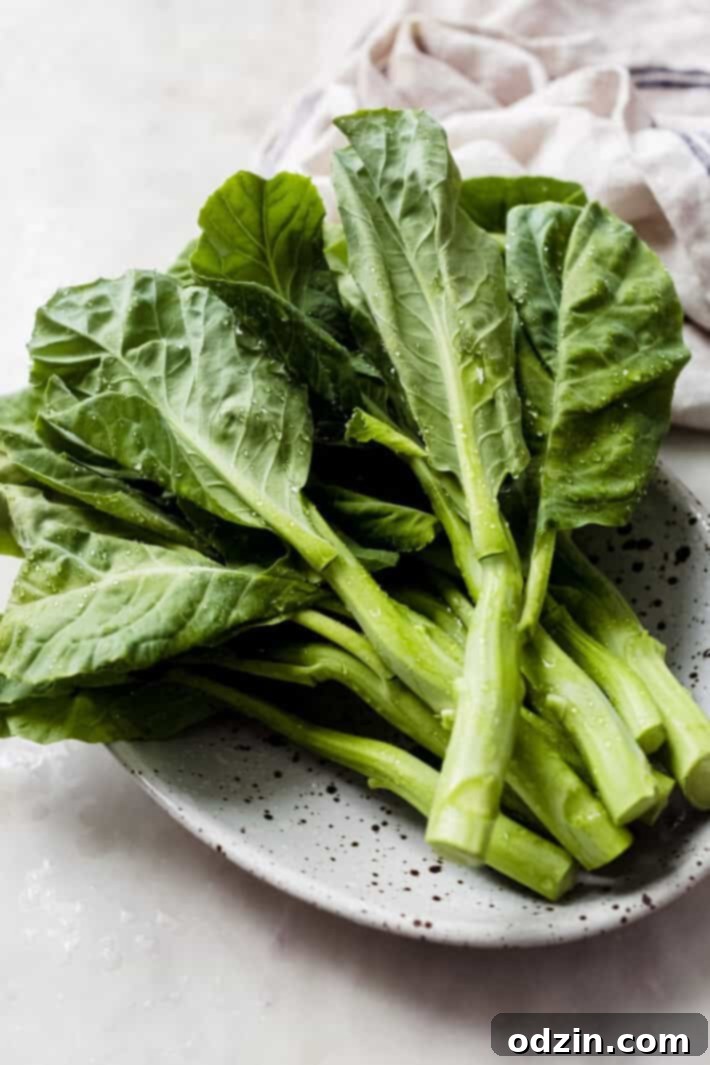
- Chinese Broccoli (Gai Lan): This leafy green vegetable is a non-negotiable ingredient for authentic Pad See Ew. At Asian grocery stores, it’s commonly labeled as “Gai Lan.” It features thick, tender stems reminiscent of broccolini, broad, flat dark green leaves, and sometimes small, tight florets similar to regular broccoli. Chinese broccoli provides a slight bitterness and a satisfying crunch that beautifully complements the rich sauce and soft noodles. When preparing, separate the stems from the leaves as they have different cooking times.
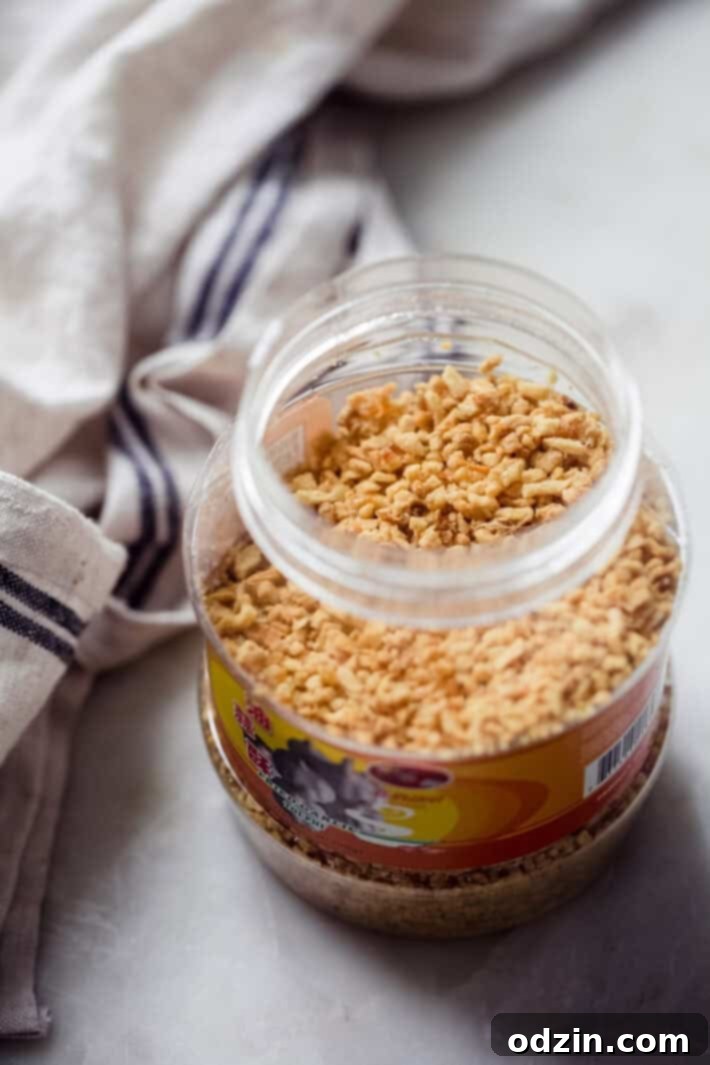
- Garlic: Garlic plays a dual role in Pad See Ew, contributing layers of flavor and texture. We use fresh minced garlic extensively during the stir-frying process to build an aromatic base for the noodles and other ingredients. Additionally, crispy fried garlic is added on top just before serving. This provides a delightful crunch and an intense, caramelized garlic flavor that elevates the entire dish. Fried garlic is readily available in jars at Asian grocery stores (often found here) and is a common condiment in many Thai dishes.
- Eggs: Similar to classic fried rice, scrambled eggs are incorporated into this stir-fry. They add a soft, savory texture and a boost of protein, contributing to the dish’s overall richness and substance.
- Homemade Stir-fry Sauce: This is where the magic truly happens! A perfectly balanced sauce is crucial for authentic Pad See Ew flavor. We’ll detail the specific ingredients for this essential sauce below.
Crafting the Perfect Pad See Ew Sauce: Essential Ingredients
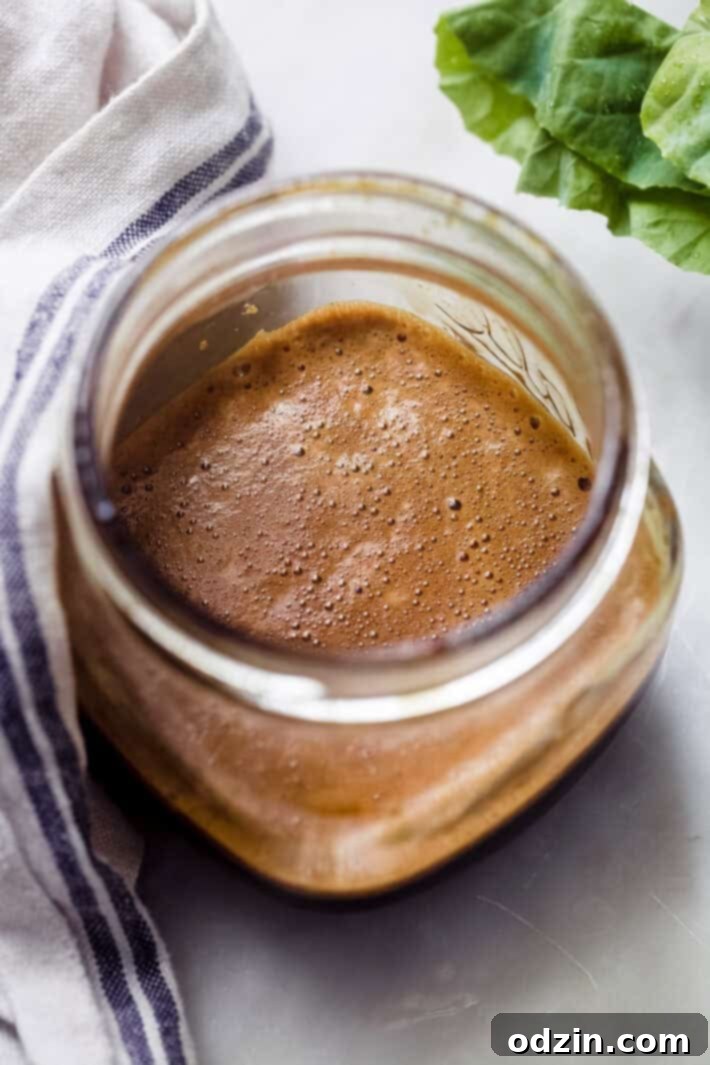
The sauce is arguably the most critical component of Pad See Ew, delivering its distinctive savory, sweet, and umami-rich profile. Each ingredient plays a vital role:
- Low Sodium Soy Sauce: This forms the savory backbone of our sauce. Using a low-sodium variety is key, as several other sauce components also contribute saltiness. This helps prevent the dish from becoming overly salty, allowing for better control over the final flavor balance.
- Dark Soy Sauce (or Thai Soy Sauce): Distinct from regular soy sauce, this is a thicker, darker, and slightly sweeter sauce, often described as having a molasses-like richness. It’s crucial for giving Pad See Ew its characteristic deep brown color and contributes a unique, subtle sweetness derived from palm sugar. Do not substitute it with regular soy sauce, as the flavor and color will be significantly different. You can find black soy sauce here.
- Seasoning Sauce: Often a secret weapon in Thai cooking, seasoning sauce (such as Maggi or Golden Mountain Sauce) offers an intensely savory, slightly yeasty, and aromatic flavor that adds depth and complexity. It’s an ingredient worth keeping on hand if you enjoy making authentic Thai dishes; I’ve used it in my cashew chicken and other stir-fries. You might be surprised to find it in the international aisle of larger supermarkets, or readily in Asian markets.
- Fish Sauce: The cornerstone of Thai cuisine, fish sauce provides an unparalleled depth of umami. While its aroma might be strong in the bottle, it transforms into a complex, savory flavor when cooked, enhancing all other ingredients without imparting a “fishy” taste. It’s truly essential for authentic Pad See Ew.
- Oyster Sauce: This thick, savory, and slightly sweet sauce adds another layer of umami and a glossy finish to the noodles. Its richness is unmistakable. For those with oyster allergies or dietary restrictions, be sure to use oyster mushroom sauce, a delicious vegetarian alternative made from oyster extracts.
- Sugar: A vital component for balancing the intense savory and umami flavors from the various soy and fish sauces. Sugar (preferably granulated or palm sugar for a more authentic touch) helps to round out the taste profile, creating that perfectly harmonious sweet and savory dynamic that defines Pad See Ew.
- White Pepper: Ground white pepper contributes a unique, pungent heat and aromatic complexity that differs from black pepper. It’s a signature spice in many Thai stir-fries, adding a subtle warmth and distinct flavor to the dish.
Mastering Dried Rice Noodles: The Hot Water Hydration Method
When working with dried wide rice noodles, the instructions on the package often suggest boiling them for a few minutes. However, through much trial and error, I’ve found that boiling can easily lead to overcooked, mushy noodles, especially since they’ll be cooked again in the skillet with the stir-fry sauce. The goal for Pad See Ew is chewy, resilient noodles, not soft or brittle ones.
My preferred method is to hydrate the noodles using hot water in a glass bowl, bypassing the stovetop boil entirely. Here’s how to achieve perfectly tender yet chewy noodles: First, heat a kettle full of water until it reaches a rolling boil. While the water heats, place your dried rice noodles into a large heat-proof bowl, ensuring it’s spacious enough to fully submerge the noodles. Once the water is boiling, carefully pour it directly over the noodles, making sure they are completely covered. Now, here’s the trick: allow the noodles to rehydrate for *one minute longer* than what the package instructions recommend for boiling. For instance, if the package suggests boiling for 4 minutes, you’ll soak them in hot water for 5 minutes. This extra minute ensures they are pliable enough for stir-frying without becoming waterlogged. Immediately after the soaking time, drain the noodles thoroughly in a colander and rinse briefly with cold water to stop the cooking process and prevent sticking. Keep them ready to go; once the stir-fry begins, everything moves very quickly!
Step-by-Step: How to Make Authentic Homemade Pad See Ew
Once your noodles are perfectly rehydrated and all your ingredients are prepped (this is known as “mise en place” and is crucial for stir-fries), assembling your homemade Pad See Ew becomes a quick and incredibly satisfying process. The key is to work fast and keep your wok or skillet hot.
- Prepare the Sauce: This is arguably the easiest step! Simply combine all the ingredients listed under the “Sauce” section into a mason jar or a small bowl. Secure the lid (if using a jar) or whisk vigorously until the sugar completely dissolves and all the components are well integrated. Set aside.
- Marinate and Cook the Chicken: While your noodles are rehydrating, place the thinly sliced chicken (or your chosen protein) into a small bowl. Add a tablespoon of low sodium soy sauce and toss to coat evenly. This quick marinade infuses the chicken with flavor and helps it achieve a lovely golden hue when cooked. Heat a wok or a large sauté pan over medium-high heat. Add one tablespoon of vegetable oil and allow it to heat until it shimmers, indicating it’s hot enough. Add the marinated chicken in a single layer (cook in batches if necessary to avoid overcrowding, which can steam rather than sear the chicken). Cook for a couple of minutes, flipping as needed, until the chicken is cooked through and lightly browned. Remove the cooked chicken to a clean plate and set it aside for later.
- The Dynamic Stir Fry Process: Now for the heart of the dish! Add the remaining two tablespoons of vegetable oil to the same skillet or wok and allow it to heat until shimmering again. Add the fresh minced garlic and sauté for a quick 10 seconds until fragrant but not browned (burnt garlic is bitter!). Immediately add the whisked eggs and quickly scramble them in the pan. While the eggs are still slightly runny, introduce the thicker stems of the Chinese broccoli. Stir-fry for about 30 seconds to give them a head start, then add the leafy parts. Cook for another 15 seconds until the leaves just begin to wilt but retain a vibrant green color.
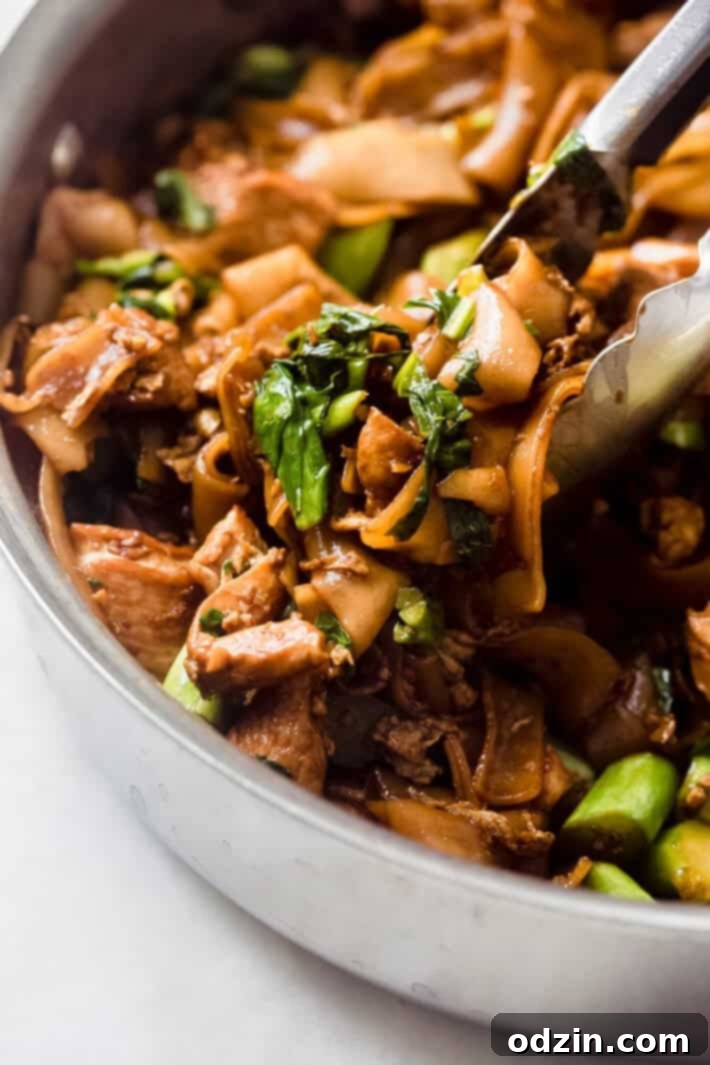
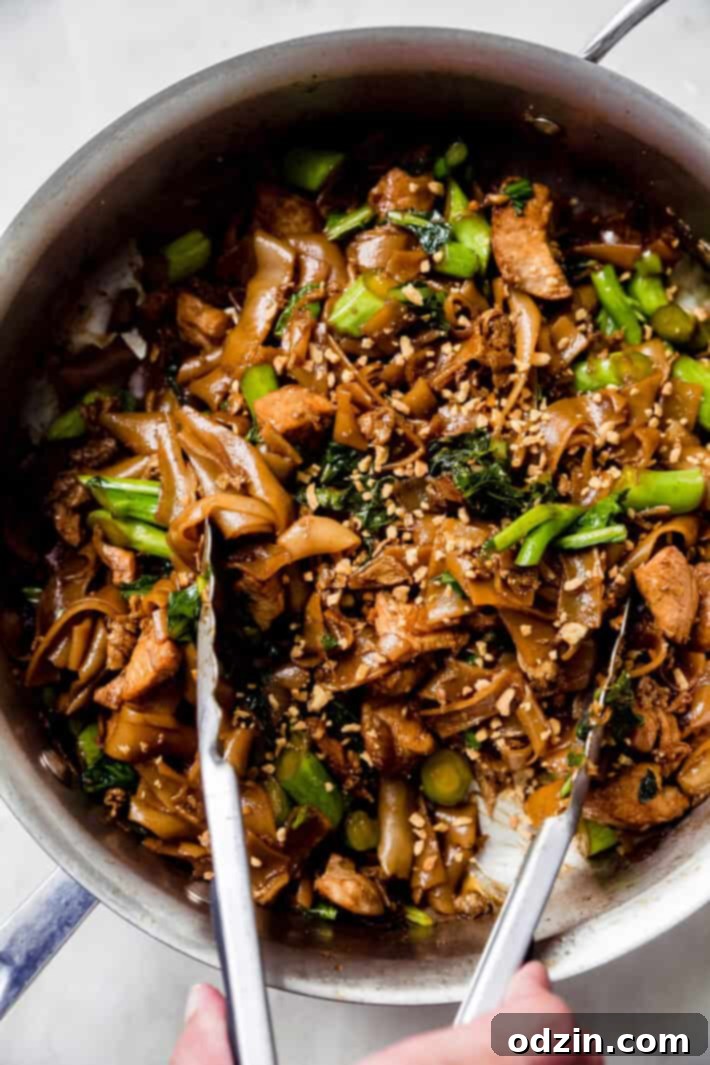
- Noodles, Sauce, and the Signature Char: At this point, add your prepared rice noodles to the wok. Give the pre-made sauce a quick shake or whisk one more time, then drizzle it evenly over the noodles and vegetables. Using tongs or a spatula, quickly and vigorously toss everything together, ensuring the noodles are thoroughly coated with the rich, dark sauce. Spread the noodles out in an even layer across the bottom of the pan and let them sit undisturbed for 20-30 seconds. This crucial step allows the noodles to slightly char and sizzle, and the sugars in the sauce to caramelize, developing that authentic “wok hei” (smoky breath of the wok) and the characteristic deep flavor of Pad See Ew. Finally, add the cooked chicken back into the wok. Toss everything together one last time to combine. Be mindful NOT to add any juices that may have collected from the chicken on the plate, as this would introduce too much liquid and prevent the noodles from frying properly.
- Serve and Enjoy: Once everything is beautifully combined and heated through, immediately transfer the stir fry to serving plates. Garnish generously with crispy fried garlic (a teaspoon for a subtle hint, or up to two tablespoons for garlic lovers!). Serve your homemade Pad See Ew hot and revel in the delicious flavors you’ve created!
FAQs About Pad See Ew: Your Questions Answered
Here are some common questions about making Pad See Ew, along with detailed answers to help you achieve the best results:
- Can I replace the seasoning sauce with something else? Seasoning sauce, like Golden Mountain or Maggi, has a very distinct umami-rich, savory, and slightly aromatic profile that is unique to Thai cuisine. I’ve personally never used a substitute in my Pad See Ew recipe because it contributes so much to the authentic flavor. However, if you genuinely can’t find seasoning sauce in your area, some online resources suggest a homemade alternative using equal parts Worcestershire sauce and regular low-sodium soy sauce. While this won’t be an exact match, it might offer a similar savory and slightly tangy depth that could work as a passable substitute in a pinch.
- What can I use if I cannot find Chinese broccoli (Gai Lan)? While Chinese broccoli is traditional and highly recommended for its unique flavor and texture, if Gai Lan is unavailable in your local Asian market or grocery store, you have a couple of good alternatives. I suggest using either bok choy or broccolini. If opting for bok choy, remember that its leaves and stems are much more delicate than Chinese broccoli, so the cooking time will be significantly less – stir-fry only until just tender-crisp to avoid sogginess. Broccolini, on the other hand, has a texture and stem thickness more akin to Gai Lan, meaning its cooking time will be roughly the same. Ensure you separate the stems and florets from the leaves if using larger bok choy, cooking the stems slightly longer.
- Why do you suggest discarding the juices from the chicken instead of adding them to the pan? This is a crucial point for achieving the authentic Pad See Ew texture. When chicken rests, it naturally releases juices. If these juices are added back into the hot pan with the noodles, they will introduce too much liquid. This excess moisture will cause the noodles to steam and become soggy, rather than stir-fry and achieve that desirable “char” or caramelization. The goal of Pad See Ew is a dry stir-fry with perfectly coated, slightly browned noodles. For this reason, it’s absolutely okay and recommended to discard any chicken juices that may have collected on the plate.
If you love savory, Asian-inspired dishes, you might also enjoy these recipes:
- Asian Sesame Chicken Salad
- Mongolian Beef Meatballs
- Garlic Lovers Pepper Steak Stir Fry
- Crazy Good Quick Garlic Noodles
- Super Tender Mongolian Beef
- 15 Minute Fried Rice
- Black Pepper Chicken Stir Fry
- Best Broccoli Beef Stir Fry
- Sesame Ginger Tofu Stir Fry
- 20-Minute Teriyaki Chicken
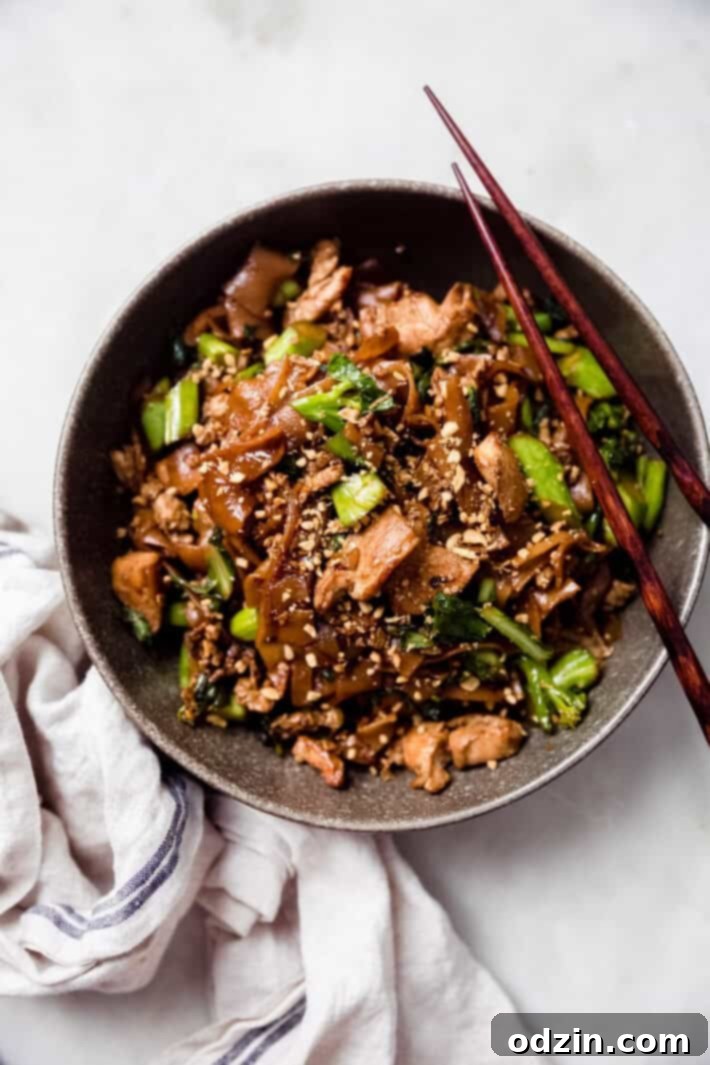
Garlicky Pad See Ew (Thai Rice Noodle Stir Fry)
15 minutes
10 minutes
25 minutes
50 minutes
Homemade Pad See Ew is a quick and delicious Thai noodle stir fry! Chewy rice noodles tossed in a brown sauce with Chinese broccoli (Gai Lan) and fried garlic. This tastes just like your favorite Thai restaurant, but it’s easy enough to make at home!
Ingredients
Stir Fry
- 10 ounces dried wide rice noodles (use 19 ounces if fresh)
- 8 ounces thinly sliced chicken (or sirloin beef, shrimp, or tofu)
- 1 tablespoon low sodium soy sauce
- 5 stalks of Chinese broccoli (Gai Lan), separated into stems and leaves, thinly sliced
- 3 tablespoons vegetable oil (divided)
- 4 cloves garlic, minced
- 2 large eggs, whisked
- Fried garlic, for topping (optional, but highly recommended)
Sauce:
- 2 tablespoons low sodium soy sauce
- 2 tablespoons dark soy sauce (or Thai soy sauce)
- 2 teaspoons seasoning sauce (such as Golden Mountain or Maggi)
- 2 teaspoons fish sauce
- 1 tablespoon water
- 1 tablespoon oyster sauce (or oyster mushroom sauce for vegetarian)
- 5 teaspoons sugar
- ¼ teaspoon white pepper
Instructions
- NOODLES: Rehydrate the dried wide rice noodles according to the “Mastering Dried Rice Noodles” section above. Ensure they are al dente and chewy, not mushy. If your package states to boil, consider soaking in hot water for 1 minute longer than the boiling time to prevent overcooking. Drain immediately and set aside.
- CHICKEN PREP: In a small bowl, combine the thinly sliced chicken with one tablespoon of low sodium soy sauce. Toss to coat and allow the chicken to marinate for at least 5 minutes while you prepare other ingredients.
- SAUCE: In a small bowl or mason jar, whisk together all the ingredients listed under the ‘Sauce’ section until the sugar is fully dissolved and the mixture is well combined. Set aside.
- COOKING THE COMPONENTS: Heat 1 tablespoon of vegetable oil in a hot skillet or wok over high heat until it shimmers. Add the marinated chicken and stir-fry until cooked through and lightly browned (about 2-3 minutes). Remove the chicken to a plate and set aside. Add the remaining 2 tablespoons of oil to the skillet and let it heat up. Add the minced garlic and sauté for a quick 10 seconds until fragrant. Pour in the whisked eggs and quickly scramble them in the wok until semi-set. Add the stems of the Chinese broccoli and toss for 30 seconds, then add the leaves and cook for another 15 seconds until vibrant green.
- FINAL STIR-FRY: Add the rehydrated rice noodles to the wok. Give the prepared sauce a final quick shake or whisk, then pour it evenly over the noodles and vegetables. Using tongs or a spatula, quickly and thoroughly toss everything to coat the noodles evenly in the sauce. Spread the noodles into an even layer in the pan and allow them to sit undisturbed for 15-20 seconds to toast and sizzle, developing a slight char and caramelized flavor. Toss the noodles again, then add the cooked chicken back into the wok. Crucially, DO NOT ADD ANY JUICES THAT MAY HAVE COLLECTED FROM THE CHICKEN on the plate, as this will prevent the noodles from frying correctly. Once the chicken and noodles are combined and heated through, remove the stir-fry immediately to serving plates. Garnish generously with crispy fried garlic (1 teaspoon to 2 tablespoons, to your taste), and serve hot!
Notes
- If Chinese broccoli (Gai Lan) is not available in your area, you can substitute with bok choy or broccolini. Remember that bok choy cooks much faster, so adjust stir-frying time accordingly. Broccolini has a similar cooking time to Gai Lan.
- For an extra layer of flavor and authenticity, consider using fresh wide rice noodles if you can find them in an Asian grocery store.
- Achieving “wok hei” (the smoky flavor) is easier with a well-seasoned wok over high heat. If using a regular skillet, ensure it’s piping hot before adding ingredients.
Recommended Products
- Oyster Sauce
- Seasoning Sauce
- Fried Garlic
- Reusable Chopsticks
- Wok Spatula
- 5 Quart Pan
Have you made this recipe?
If you enjoyed this recipe for homemade Pad See Ew, please consider leaving a ⭐️⭐️⭐️⭐️⭐️ rating and a comment below. You can also share a picture of your delicious creation on Instagram with the hashtag #LITTLESPICEJAR, I’d absolutely love to see what you made!