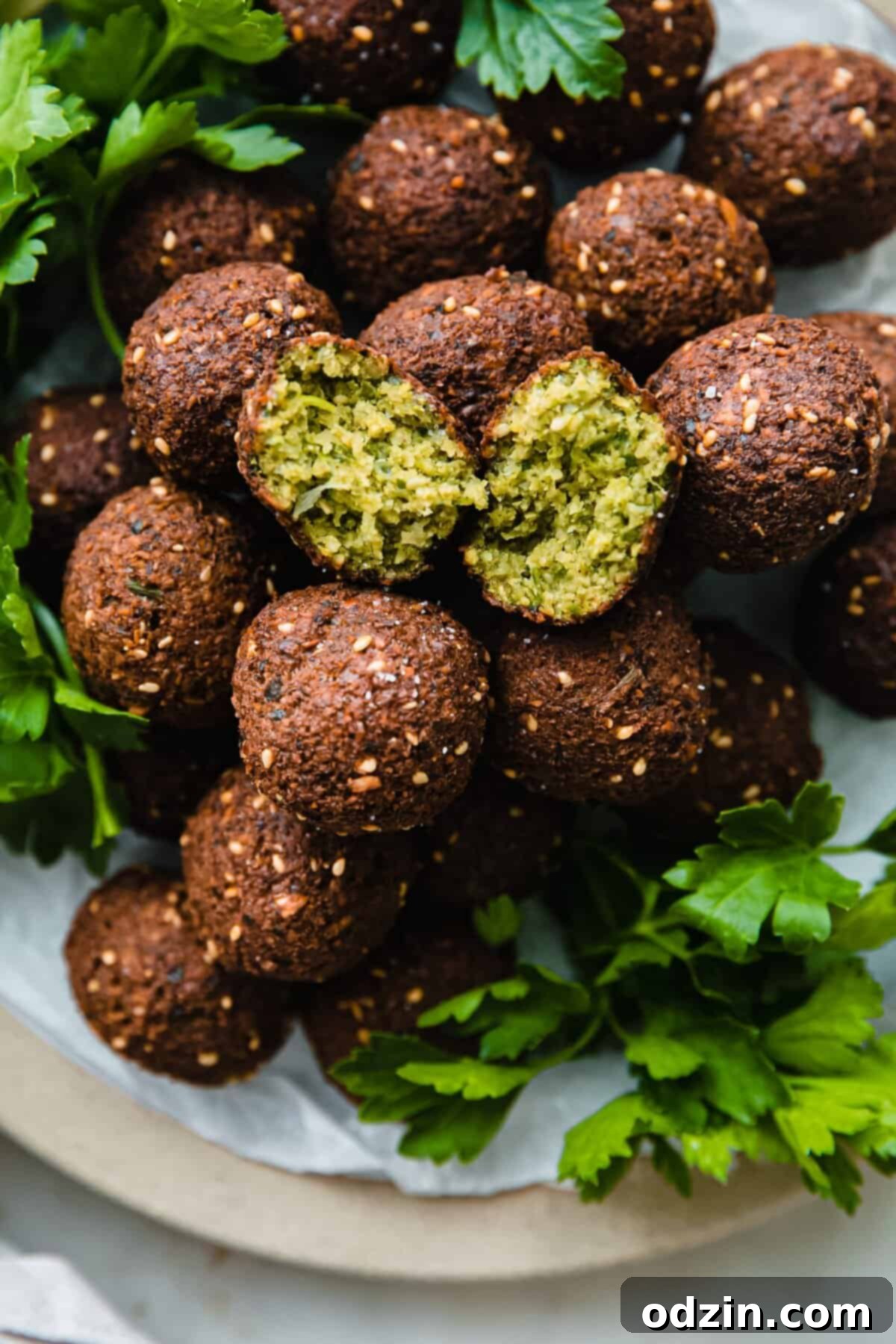
Homemade Falafel Perfection: Your Guide to Crispy, Flavorful Mediterranean Delights
Unlock the secrets to crafting traditional restaurant-style falafels right in your own kitchen! These irresistible fritters are a delightful medley of soaked chickpeas, fresh onions, vibrant parsley, and a harmonious blend of aromatic spices. Whether you choose to pan-fry, deep-fry, or bake them to golden perfection, you’re in for a truly delicious and authentic culinary experience.
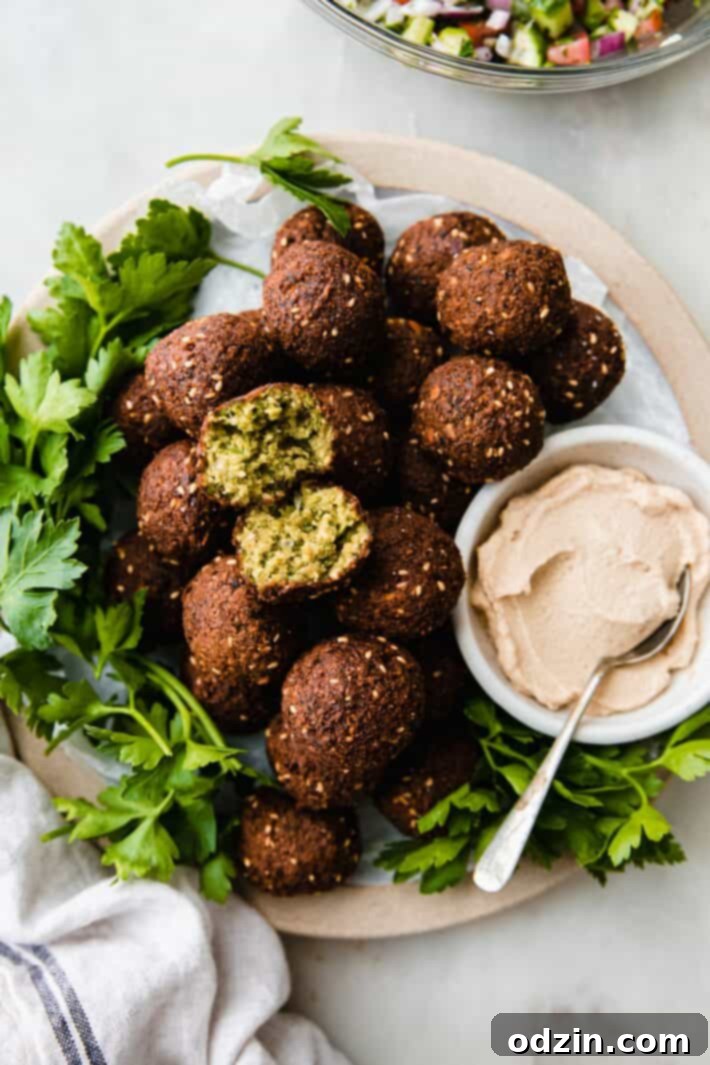
There’s nothing quite like the experience of biting into a perfectly made falafel – crispy on the outside, yet tender and flavorful on the inside, often revealing a striking green hue. While the thought of making falafel from scratch might seem daunting, this comprehensive guide will walk you through every step, ensuring your homemade batch is nothing short of spectacular. Forget store-bought versions; once you master this recipe, you’ll understand why homemade falafel truly reigns supreme.
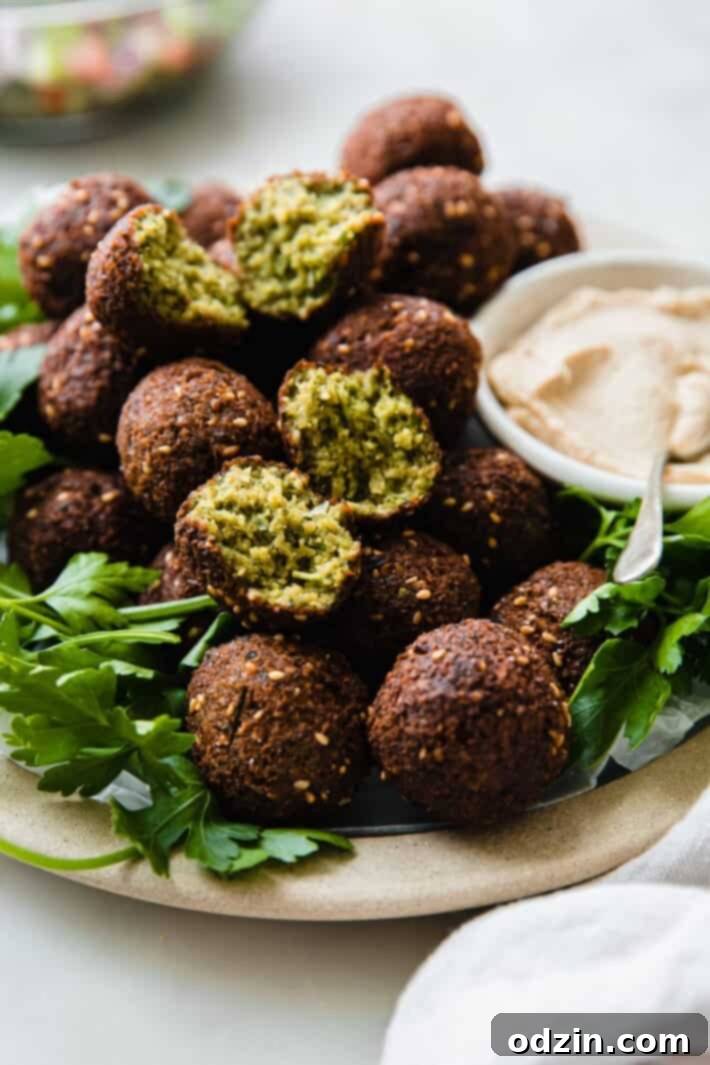
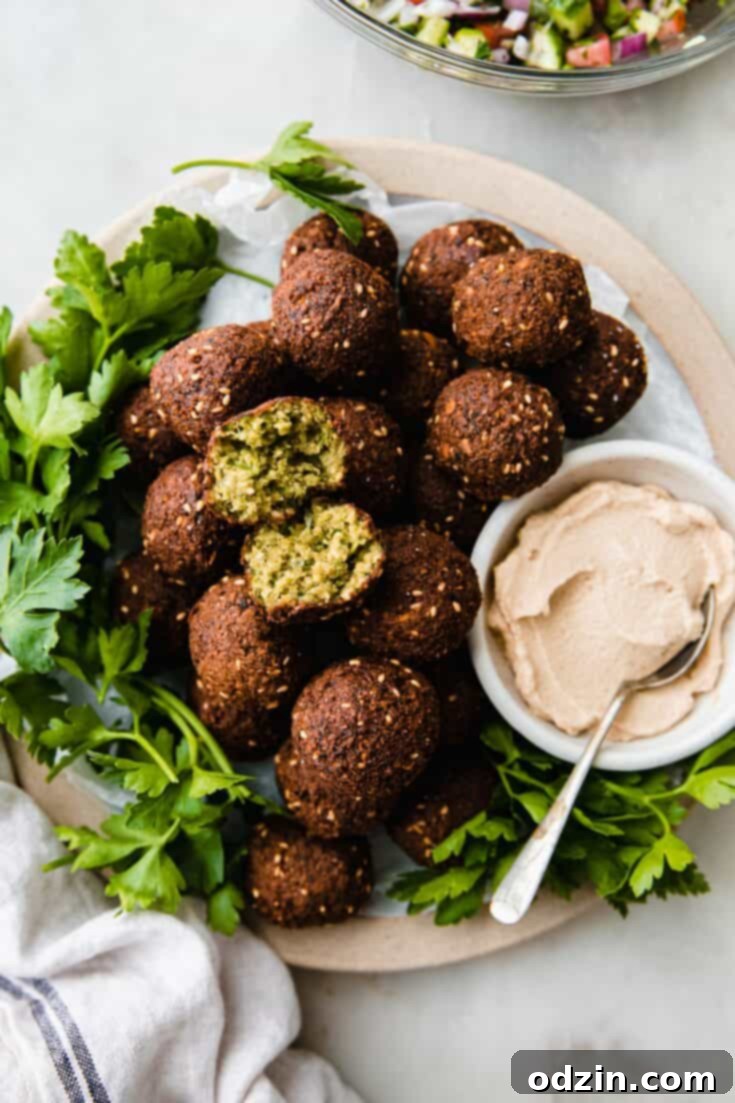
The magic of a great falafel lies in its contrasting textures and a symphony of well-balanced spices. You’ll achieve that coveted golden-brown crispness on the exterior, yielding to a soft, melt-in-your-mouth interior, often boasting a signature verdant color from an abundance of fresh herbs. A common point of discussion among falafel aficionados is the inclusion of sesame seeds. While some regions, like Egypt, frequently incorporate them for their nutty flavor and added crunch, others prefer them without. In this recipe, we embrace the delightful addition of sesame seeds, though they remain an optional component for those with allergies or different preferences.
Essentially, a falafel is a chickpea fritter bursting with robust, earthy flavors, making it a beloved staple in vegetarian and vegan diets. This recipe has been meticulously tested and refined to ensure absolutely perfect results every time. My personal dedication to perfecting falafel comes from an unshakeable love for this incredible dish, constantly striving for that ideal balance of flavor and texture.
Once your falafels are ready, the possibilities are endless! You can tuck them into warm pita bread with your favorite toppings, toss them into a vibrant salad bowl, or simply enjoy them dipped into a creamy, homemade toum (garlic sauce) or a rich tahini sauce. In my humble opinion, there’s absolutely no wrong way to savor the deliciousness of a freshly made falafel!
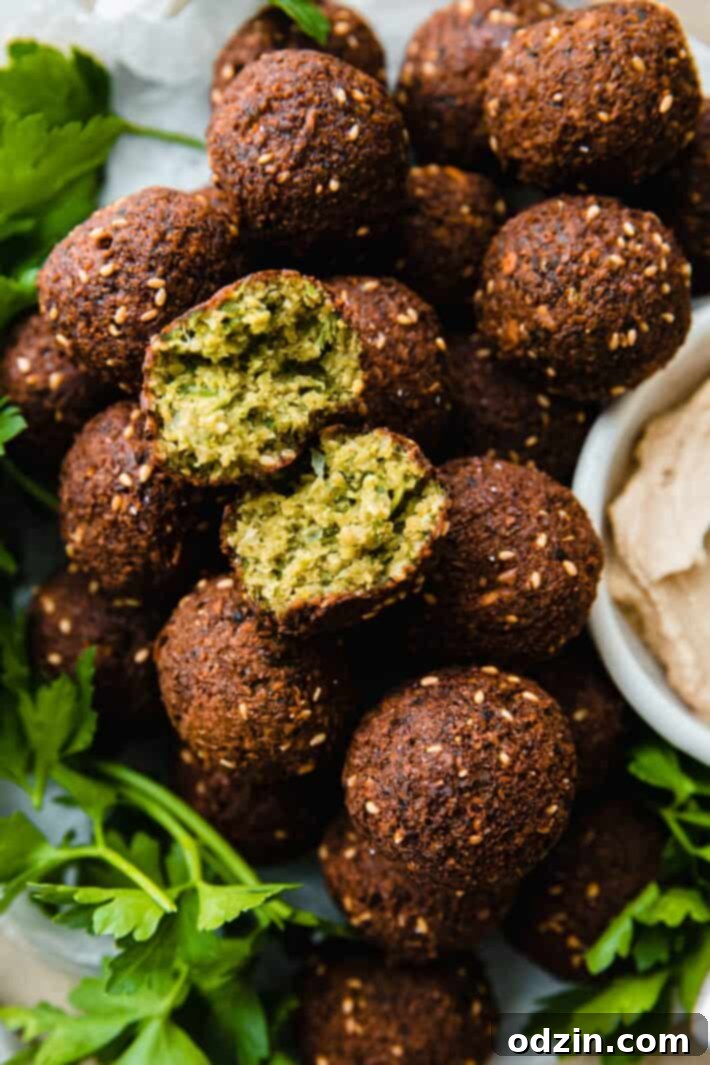
Essential Ingredients for Your Homemade Falafel
Crafting the perfect falafel begins with selecting the right ingredients. Here’s a breakdown of what you’ll need and why each component is vital for achieving optimal flavor and texture:
- Garbanzo Beans (Chickpeas): At the heart of any great falafel lies the humble garbanzo bean, more commonly known as the chickpea. While some traditional recipes, particularly Egyptian ones, incorporate fava beans (broad beans), this recipe focuses exclusively on dried chickpeas for their unparalleled texture and flavor profile. It’s absolutely crucial to use *dried* chickpeas, which must be rinsed thoroughly and then soaked in approximately 6 cups of water for a full 12-24 hours prior to preparation. Using canned chickpeas, which are typically pre-cooked, will result in a mushy texture and a completely different end product – they simply won’t yield the authentic crispy falafel experience. Beyond falafel, chickpeas are wonderfully versatile, forming the base for creamy hummus, various refreshing salads, and even serving as a delightful protein source in vegetarian sandwiches and other dips.
- Fresh Parsley: This isn’t just for garnish! Fresh parsley is indispensable for falafel, not only contributing to that iconic vibrant green interior but also infusing the fritters with a profound fresh, herbaceous flavor. While some recipes call for all parsley, you have the flexibility to swap out some or all of the parsley for fresh cilantro if you prefer its unique citrusy notes. I often use a balanced combination of both to create a complex flavor profile.
- Onions: A foundational flavor element, onions provide a subtle sweetness and aromatic depth to the falafel mixture. For this recipe, either a white or yellow onion will work perfectly. We’ll simply chop it roughly and pulse it alongside the other ingredients in the food processor, allowing its flavor to meld beautifully.
- Garlic: A few cloves of fresh garlic are essential for giving the falafel patties their characteristic pungent and savory kick. The amount can be adjusted to your preference, or you can omit it entirely if you’re not a fan of garlic, though it’s highly recommended for authentic flavor.
- Spices and Seasonings: The soul of falafel lies in its distinct spice blend. My recipe features a carefully selected mix of ground cumin and coriander for their warm, earthy notes, along with salt and black pepper to enhance all the other flavors. A pinch of cayenne pepper is added for a subtle warmth and depth, which can be adjusted to your heat preference. For an extra layer of flavor and a slight kick, I’ve recently started incorporating one or two hulled-out jalapeños into the mix; this is entirely optional but adds a wonderful dimension.
- Baking Soda: A crucial leavening agent, baking soda plays a vital role in achieving the desired light and airy texture in your falafel. When it reacts with the acidic lemon juice in the mixture, it creates small air pockets, giving the falafel a delightful lift and preventing them from becoming too dense.
- Lemon Juice: Fresh lemon juice serves multiple purposes here. Its acidity reacts with the baking soda, activating its leavening properties. Beyond that, it brightens the overall flavor of the falafel, adding a necessary tangy counterpoint to the rich herbs and spices.
- Sesame Seeds: These tiny seeds contribute a wonderful nutty flavor and a delicate crunch to the falafel, enhancing its overall texture. As mentioned, while some falafel traditions omit them, I find they add a fantastic dimension. They are optional and can be left out if you have allergies or simply prefer not to use them.
- All-purpose Flour: Flour acts as a binding agent, helping to hold the falafel mixture together and preventing it from crumbling during frying. It also effectively absorbs any excess moisture in the mixture, which is key for achieving a crispy exterior.
- Oil, for Frying: Whether you choose to deep-fry for ultimate crispiness or pan-fry for convenience, a neutral, high-smoke-point oil is essential. Vegetable oil, canola oil, or sunflower oil are excellent choices. The amount of oil will depend on your chosen cooking method and the shape of your falafel, whether you opt for traditional balls or easier-to-manage patties.
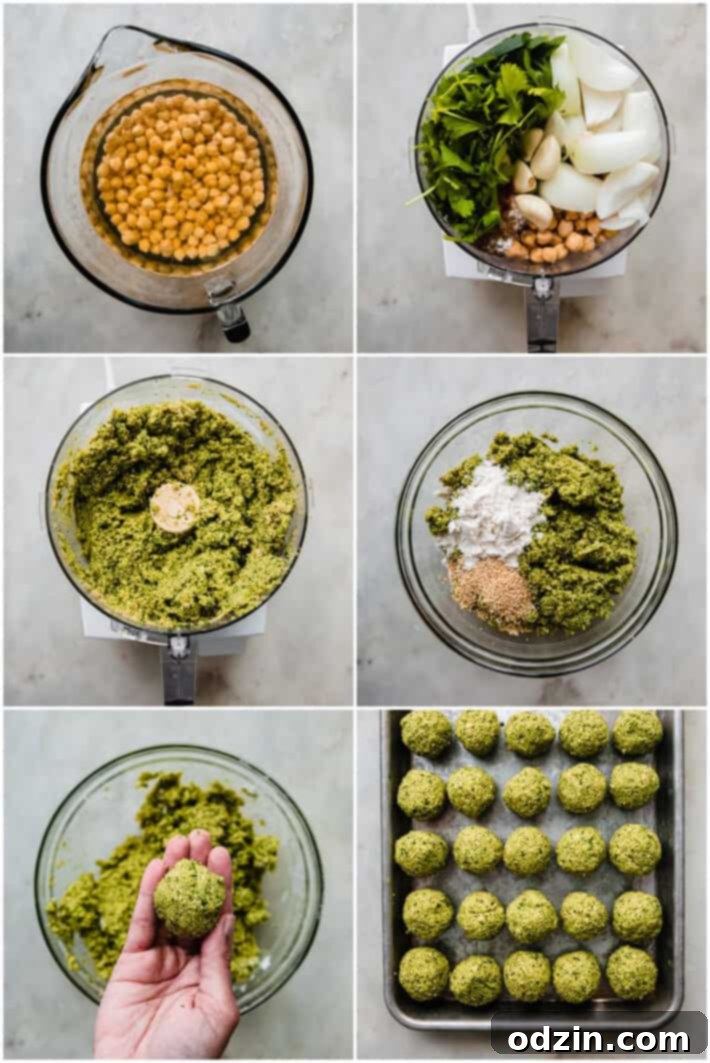
Step-by-Step Guide: How to Make Perfect Homemade Falafel
Follow these detailed instructions to create falafels that are crispy on the outside and tender on the inside, bursting with authentic flavor.
- Soak and Thoroughly Dry the Chickpeas: This crucial first step cannot be skipped. Begin by rinsing your dried chickpeas and then soaking them in plenty of water (around 6 cups) for a minimum of 12 hours, up to 24 hours. This rehydrates them and makes them soft enough to process without cooking, which is essential for the right falafel texture. Once soaked, drain the chickpeas thoroughly and pat them completely dry with paper towels or a clean kitchen towel. Any residual moisture can lead to a soggy falafel mixture, so ensure they are as dry as possible.
- Prepare the Falafel Mixture in a Food Processor: In the bowl of your food processor, combine the soaked and dried chickpeas with all the remaining ingredients, except for the sesame seeds and all-purpose flour. This includes your fresh parsley, chopped onions, garlic, and all the spices (cumin, coriander, salt, black pepper, and cayenne, plus optional jalapeño). Pulse the mixture in short bursts. The goal is to break down the chickpeas and herbs into a coarse, chunky texture – similar to coarse sand – not a smooth paste. Over-processing will result in dense, heavy falafels. While preparing the mixture, if you plan to fry immediately, begin heating your oil in a pan or deep fryer to the target temperature (around 325ºF/160ºC).
- Combine, Shape, and Rest the Mixture: Transfer the pulsed falafel mixture from the food processor to a large mixing bowl. Now, gently fold in the sesame seeds (if using) and start by adding 2 tablespoons of the all-purpose flour. Mix well. Attempt to form a small patty or ball with a portion of the mixture. If it doesn’t hold its shape easily and crumbles, gradually add the remaining 1 to 2 tablespoons of flour, mixing until the mixture comes together and is pliable enough to form shapes. Allowing the mixture to sit for at least 10-15 minutes before shaping is a key tip; this gives the flour time to fully absorb any excess moisture, further stabilizing the mixture. I typically prefer forming these into patties (about 1 ¼ inch in diameter) as they cook more evenly and tend to retain moisture better than balls, though the recipe works wonderfully for both. If making balls, you might find you need slightly more flour to maintain their spherical shape.
- Fry to Golden Perfection and Serve: For patties, pan-frying in a skillet or frying pan with about an inch of oil works beautifully. For falafel balls, deep-frying in a deep saucepan with at least 2 cups of oil or in a dedicated deep fryer is ideal. Ensure your oil is heated to the recommended temperature (medium heat, or precisely 325ºF/160ºC). Carefully place 4-6 falafels into the hot oil at a time, being careful not to overcrowd the pan, as this can lower the oil temperature and lead to soggy falafels. Fry for approximately 5-6 minutes total, turning them gently, until they are beautifully golden brown and cooked through. The moderate heat ensures they cook evenly on the inside without burning the exterior. Always perform a test fry with one falafel to check for doneness and adjust frying time as needed. Once cooked, remove the falafels with a slotted spoon and transfer them to a plate lined with paper towels to drain excess oil. Serve these delightful falafels immediately! They are fantastic stuffed into warm pita bread with fresh tomatoes, cucumbers, thinly sliced onions, and a generous drizzle of toum or tahini sauce. Accompany them with crispy French fries and a refreshing Israeli salad for a complete meal. While I haven’t personally tested it yet, air frying is another potential method worth exploring for a lighter alternative!
Frequently Asked Questions About This Falafel Recipe:
- How do you best shape the falafel patties and balls? For consistent sizing, I highly recommend using a medium cookie scoop to portion out the mixture. If you prefer falafel balls, simply roll the portion between your palms until smooth. To make patties, form a ball, place it on a baking sheet, and then gently press down on the top to flatten it to your desired thickness.
- How can I make these into spicy falafel? To add a delightful kick, I’ve recently started incorporating one or two hulled-out jalapeños into the food processor with the chickpea mixture. You can also easily increase the amount of cayenne pepper specified in the recipe to your desired level of heat!
- Do you have any tips for making perfectly round falafel balls that don’t fall apart? The key to robust falafel balls (or patties) that hold their shape in hot oil is to roll or press them very firmly. Ensure there are no visible cracks on the surface. Loosely formed or “scraggly” falafels have a higher chance of disintegrating when they hit the hot oil. The denser and smoother they are packed, the better they will fry without breaking apart, yielding a beautifully crisp exterior.
- Can I prepare the falafel mixture ahead of time? Absolutely! You can prepare the falafel mixture (before shaping and frying) up to 24 hours in advance. Store it in an airtight container in the refrigerator. Just before frying, give it a quick stir. If it seems a little too wet, you can add another tablespoon of flour to re-bind it.
- What is the best way to reheat leftover falafel? For the crispiest results, reheat cooked falafels in an oven preheated to 350°F (175°C) for about 10-15 minutes, or in an air fryer at 325°F (160°C) for 5-7 minutes. This helps restore their delightful crunch. Microwaving is not recommended as it can make them soggy.
If you like this recipe, you might also enjoy these complementary dishes:
- Lebanese Meat Stuffed Pitas (Arayes)
- Lebanese Fattoush Salad
- Shirazi Salad
- Most Delicious Shawarma Seasoning
- Moroccan Chickpea Quinoa Power Salad
Original recipe shared February 2016, updated with new post, images, and more clear directions May 2022.
The Best Homemade Falafel
10 minutes
30 minutes
40 minutes
Traditional restaurant-quality falafels made simple at home! These delightful fritters combine properly soaked chickpeas with fresh onions, parsley, a hint of sesame, and an aromatic blend of spices. Perfect for pan-frying, deep-frying, or baking until beautifully golden and irresistibly delicious!
Ingredients
- 1 cup dried garbanzo beans (chickpeas – soak in 6 cups of water for 12-24 hours)
- 1 bunch fresh parsley (see note for optional cilantro blend)
- 1 small yellow or white onion, roughly chopped
- 5 cloves garlic, roughly chopped (minced also works)
- 1 ½ teaspoon EACH: ground cumin AND fine sea salt
- 1 teaspoon EACH: ground coriander AND freshly ground black pepper
- ¼ – 1 teaspoon cayenne pepper (adjust to your preferred level of heat)
- ¼ teaspoon baking soda
- 1 teaspoon fresh lemon juice
- 1 tablespoon sesame seeds (optional, for nutty flavor and texture)
- 2-4 tablespoons all-purpose flour (for binding)
- Neutral oil, for frying (e.g., vegetable, canola, or sunflower oil)
Instructions
- DRAIN & DRY: Thoroughly drain the soaked garbanzo beans from the water. Pat them completely dry using a clean kitchen towel or paper towels. This step is crucial for crispy falafel.
- PROCESS: Transfer the dried garbanzo beans, along with the fresh parsley, chopped onion, garlic, cumin, salt, coriander, black pepper, cayenne, baking soda, and lemon juice (all ingredients EXCEPT sesame seeds and flour) to a food processor. Pulse the mixture in short bursts until it reaches a coarse, chunky consistency, similar to coarse sand. Avoid over-processing into a smooth paste; you want small bits of chickpeas to remain.
- COMBINE & SHAPE: Transfer the falafel mixture to a large bowl. Stir in the sesame seeds (if using). Begin by adding 2 tablespoons of all-purpose flour and mix well. Test the mixture by trying to form a small patty or ball. If it crumbles, add the remaining 1-2 tablespoons of flour, mixing until the mixture holds its shape firmly. Let the mixture rest for at least 10 minutes; this allows the flour to absorb moisture and helps with shaping. Shape the mixture into patties (about 1 ¼ inch in diameter, or use a 2 tbsp scoop for balls and flatten slightly).
- FRY & SERVE: Heat about 1 inch of oil in a nonstick skillet over medium heat (or to 325ºF/160ºC if using a thermometer or deep fryer). A skillet is recommended for patties to prevent breakage. Carefully place 4-6 patties (or balls) into the hot oil, ensuring not to overcrowd the pan. Fry for 5-6 minutes total, turning as needed, until they are golden brown and cooked through. Cooking time may vary based on size. Always test one falafel to ensure it’s cooked internally. Remove with a slotted spoon to a paper towel-lined plate to drain. Serve immediately with toum, in pita bread with fresh vegetables, or alongside Israeli salad.
Notes
- HERB BLEND: For a nuanced flavor, I often use a 50/50 blend of fresh parsley and fresh cilantro. You can adjust this to use all parsley, all cilantro, or any combination that suits your taste.
- SPICE LEVEL: The cayenne powder is entirely optional. If you prefer no heat, feel free to omit it. For an extra kick, consider adding 1-2 hollowed-out jalapeños to the food processor mixture.
- DEEP FRYING: If deep frying falafel balls, use a slotted spoon to carefully lower them into the hot oil to prevent splattering and ensure even cooking.
Recommended Products
- 2 Tablespoon Scoop
- Food Processor
- Half Sheet Pan
Have you made this recipe?
If you enjoyed this recipe, please consider leaving a ⭐️⭐️⭐️⭐️⭐️ rating and a comment below. You can also share a picture on Instagram with the hashtag #LITTLESPICEJAR, I’d love to see what you made!