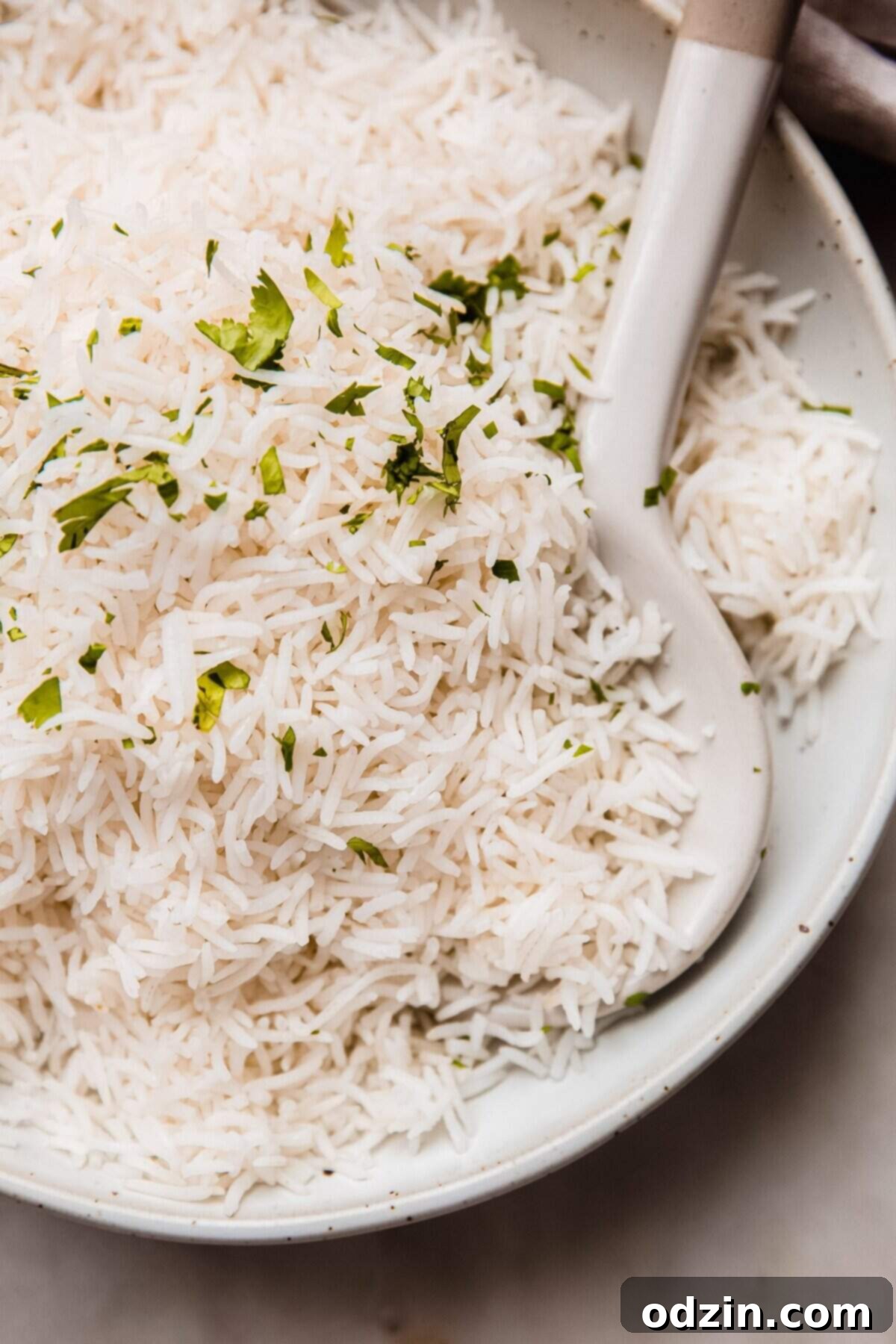
The Ultimate Guide to Perfectly Fluffy Basmati Rice: Indian Restaurant Style at Home
Unlock the secret to flawlessly fluffy, fragrant basmati rice, just like you enjoy at your favorite Indian restaurant. This comprehensive guide will show you how to achieve this culinary perfection right in your own kitchen.
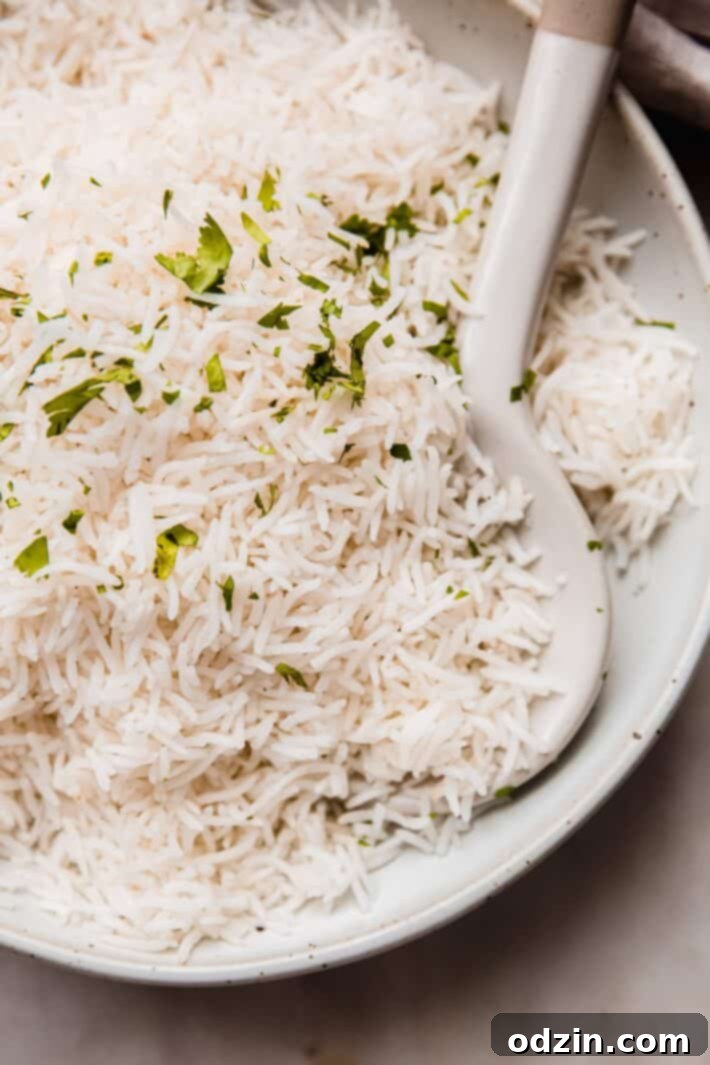
There’s nothing quite like a warm, fluffy plate of homemade basmati rice. For many, including myself, the distinctive aroma evokes a deep sense of comfort and nostalgia. If you’ve ever dined at an authentic Indian restaurant, you know that moment when the server places that steaming bowl of rice on your table – the fragrant plumes rising, enveloping you in an inviting warmth. This isn’t just side dish; it’s an experience, and one you can easily replicate at home.
However, cooking basmati rice to achieve that signature light, separate grain texture is a unique art. It differs significantly from cooking other rice varieties you might be accustomed to, which often rely on strict water-to-rice ratios. For basmati, the key lies in mastering two specific techniques: soaking the grains like you would dried beans and cooking them with an abundance of water, much like pasta. We’ll delve into these crucial steps below, transforming your rice cooking game forever.
The Secret to Fluffy Basmati Rice: Soak it like Beans, Cook it like Pasta
This unconventional approach is the cornerstone of achieving perfectly separate, non-sticky basmati grains. Let’s break down the science behind it.
Why You Must Soak Basmati Rice Before Cooking
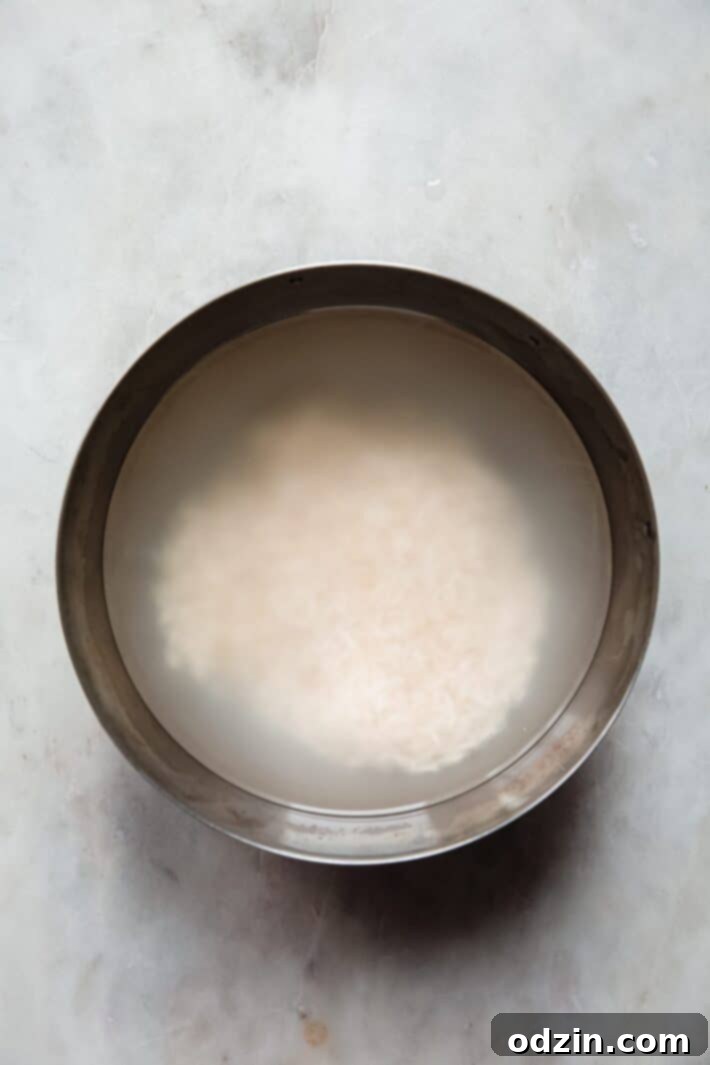
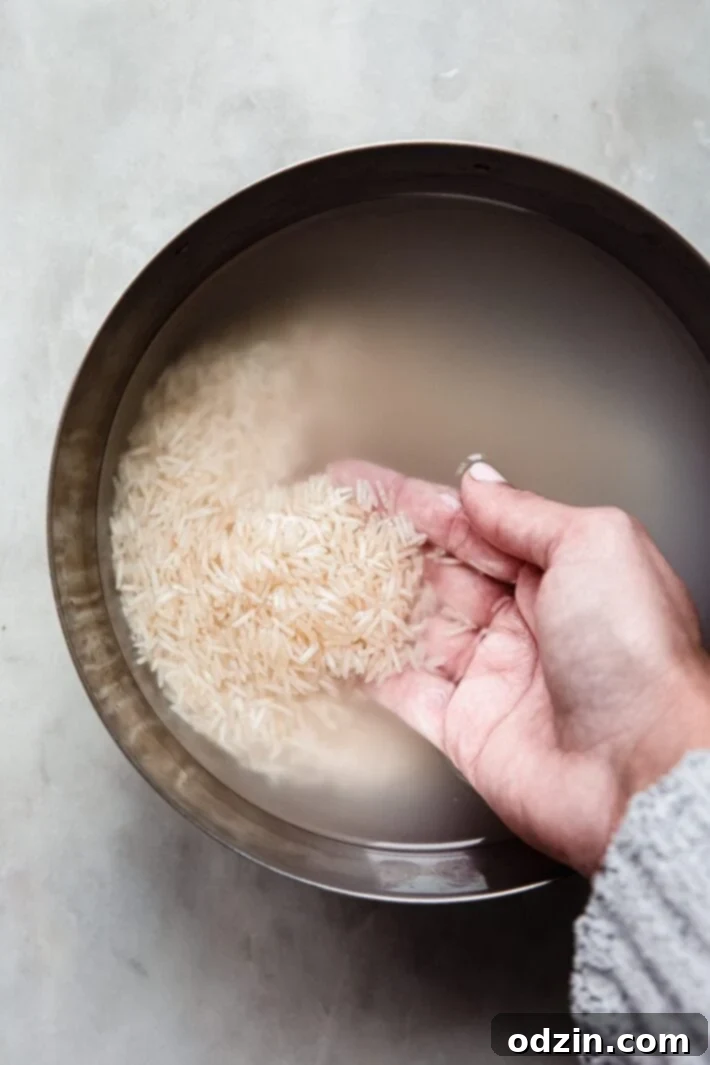
Just as with dried beans, soaking basmati rice in room temperature water for a period allows the grains to absorb moisture evenly. This pre-hydration is vital for several reasons:
- Reduces Cooking Time: Since the rice has already absorbed water, it requires less time boiling, preventing overcooking and mushiness.
- Promotes Uniform Cooking: Soaking ensures each grain cooks evenly from the inside out, leading to a consistent, tender texture.
- Minimizes Breakage: Hydrated rice grains are less brittle and less prone to breaking during the boiling process, maintaining their elegant long-grain appearance.
- Enhances Fluffiness: By allowing the starch to soften, soaking contributes to the final fluffy, distinct grain structure we crave.
Essential Ingredients for Perfect Basmati Rice
Crafting flawless basmati rice requires a few simple, yet crucial, ingredients. Quality matters here, especially for the rice itself.
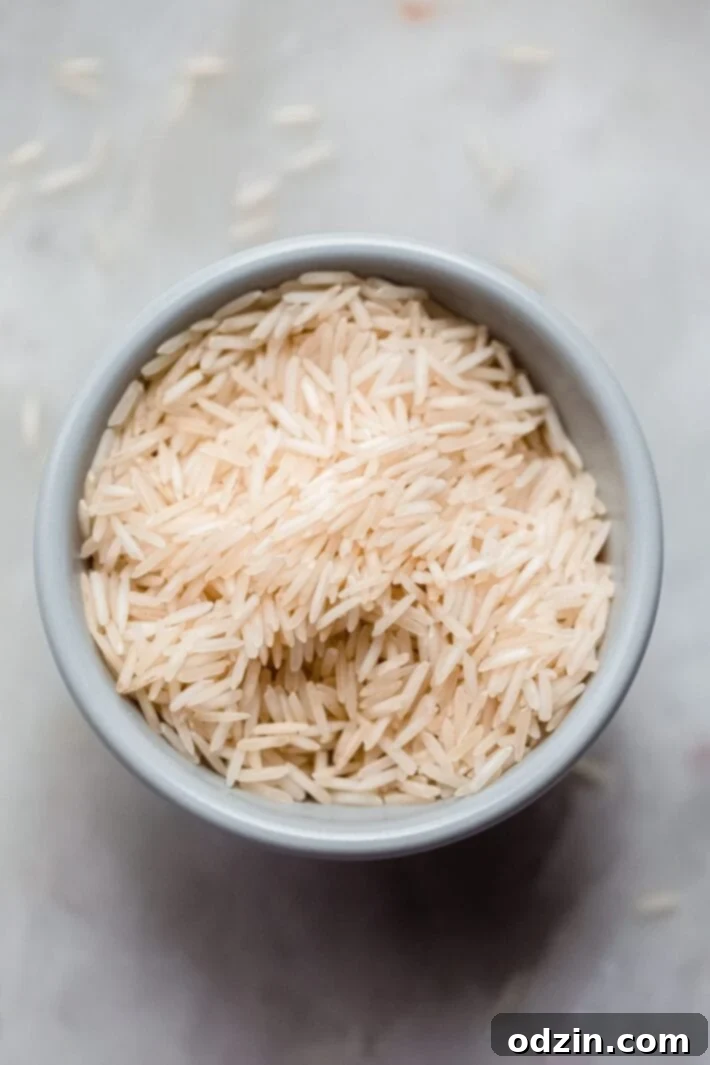
- Basmati Rice: For this recipe, always opt for a long-grain basmati rice. Its elongated grains and aromatic properties are distinct. While many mainstream grocery stores now stock popular Indian brands, seeking out an authentic Indian brand is highly recommended for the best flavor and texture. This brand has been my go-to for over eight years and consistently delivers exceptional results. While it might be pricier online, a local Indian grocery store often offers it at a more economical price.
- Water: Do not be surprised by the generous amount of water used in this recipe. We are employing a “pasta-like” boiling method, which requires ample water to circulate freely and wash away excess starch.
- Salt: I exclusively use kosher salt for its clean taste and ease of measurement. The quantity provided in the recipe is calibrated for kosher salt. If you’re using finer table salt, remember to reduce the amount by about half to avoid over-salting, as it is denser and saltier by volume.
- White Vinegar: This inexpensive and readily available pantry staple plays a surprisingly significant role.
- Oil (or Ghee/Butter): A small drizzle of oil is added to the pot during the final steaming phase. While any neutral cooking oil works well, using ghee or butter can impart a wonderful, subtle richness and additional aromatic depth to your finished rice.
The Magic of Vinegar: Keeping Grains Separate and Fluffy
Adding a tablespoon of white vinegar to the boiling water is a simple yet incredibly effective trick. The acidity in the vinegar helps to prevent the rice starches from sticking together. This ensures that each grain remains distinct, resulting in that coveted fluffy, easy-to-separate texture characteristic of restaurant-quality basmati. It also adds a subtle brightness to the flavor without making the rice taste sour.
Step-by-Step Guide: How to Make Perfect Basmati Rice at Home
Follow these detailed steps carefully, and you’ll be enjoying perfectly cooked basmati rice in no time.
- Rinse and Soak Thoroughly:
Begin by accurately measuring your basmati rice. Place the measured rice into a fine-mesh strainer and rinse it thoroughly under cold running water. Continue rinsing for at least 2-3 minutes, gently agitating the rice, until the water draining from the strainer runs completely clear. This crucial step washes away excess surface starch, which is a primary culprit for gummy or sticky rice. Once rinsed, transfer the clean rice to a medium-sized bowl and cover it generously with cold water – ensuring at least 3 cups of water for every 1 cup of rice. Allow the rice to soak for a minimum of 30-45 minutes at room temperature. Soaking significantly reduces the subsequent boiling time and promotes even cooking. If you decide to soak for a full hour, reduce your boiling time by 1-2 minutes. However, avoid soaking beyond one hour unless you are using the specific brand I recommended, as some basmati varieties can become overly soft and prone to breakage if soaked for too long.
- Boil Like Pasta:
Approximately 15 minutes before your soaking time is complete, prepare your boiling water. Add the recommended amount of water (e.g., 8 cups for 1 cup of dry rice) to a 3-quart saucepan (or a larger pot for bigger batches). Bring the water to a rapid boil over high heat. Once boiling, momentarily reduce the heat to low, then carefully add the salt and white vinegar. Be cautious, as the water might foam up when the vinegar is added. Increase the heat back to medium-high to maintain a strong boil. Now, drain your soaked rice thoroughly using the same mesh strainer, ensuring all excess water is removed. Carefully add the drained rice to the actively boiling water. Cook the rice, uncovered, for approximately 5-9 minutes, depending on your preferred texture. Begin checking the rice for doneness after the 5-minute mark, tasting a few grains every minute. You want the rice to be “al dente” – slightly underdone to your ideal preference – as it will continue to cook during the steaming phase. For softer rice, aim for 6-9 minutes; for a firmer, more al dente grain, 4-6 minutes might suffice. Once cooked to your liking, immediately drain the rice again in the mesh strainer and give it a quick, gentle rinse under cold running water. This second rinse removes any remaining surface starch and halts the cooking process, preventing overcooking. Let the rice drain completely while you prepare your saucepan for steaming.
- Steam for Ultimate Fluffiness:
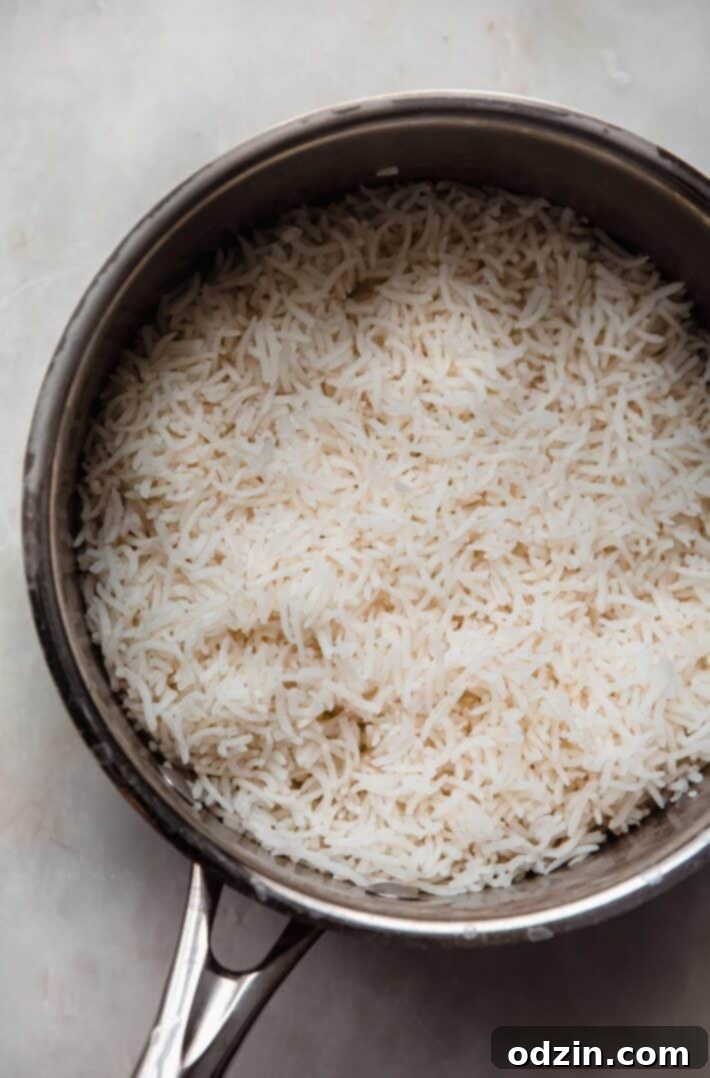
Ensure your saucepan is completely dry and free of any residual water. Place the pan over medium heat and drizzle the oil (or ghee/butter) into the bottom, allowing it to heat slightly. Return the drained rice to the pot, spreading it evenly. Cover the pot with a tight-fitting lid – this is crucial for trapping steam. Reduce the heat setting to medium-low. Listen carefully for the rice to start making a gentle sizzling sound. This indicates that any remaining moisture at the bottom of the pot is beginning to turn into steam. Once you hear this sizzling, lower the heat setting to the absolute lowest possible setting and allow the rice to steam undisturbed for 6 minutes. After 6 minutes, turn off the heat completely but leave the lid on. Let the rice sit, covered, for an additional 5 minutes. This resting period allows the trapped steam to finish cooking the rice gently, making it incredibly fluffy and ensuring every grain is perfectly tender. Resist the urge to lift the lid during this time! Finally, remove the lid, gently fluff the rice with a fork, and serve immediately.
Frequently Asked Questions About Cooking Fluffy Basmati Rice
Here are answers to some common queries about mastering basmati rice:
- Do I need to double the water if I double the rice in this recipe?
No, not proportionally. The beauty of this Indian-style “pasta method” for basmati rice is that you don’t rigidly double the water for every additional cup of rice. While you do need to increase the water, the ratio shifts. For 1 cup of dry basmati rice, I recommend 8 cups of water. For 2 cups of rice, you’ll need 10 cups of water. So, the rule of thumb is: for every additional cup of rice, add 2 more cups of water to the initial 8 cups for the first cup. This ensures enough liquid for effective boiling without being wasteful.
- What about adjusting the salt and vinegar quantities?
For up to a double batch (2 cups of rice), the quantities of salt and vinegar will remain the same as listed (1 tablespoon each). Their role is more about the chemical reaction and seasoning the water, rather than being absorbed directly proportionally by the rice volume. If you decide to triple the recipe (3 cups of rice), then you would increase the salt to 3 tablespoons (for 12 cups of water) and the vinegar to 2 tablespoons.
- My favorite Indian restaurant sometimes has whole cinnamon sticks, black peppercorns, and cloves in the rice. How can I achieve that fragrant flavor?
This is a wonderful way to infuse your basmati rice with an exquisite aroma and depth of flavor! You can easily replicate this by adding a few whole spices to the boiling water along with the salt and vinegar. I typically add: 1 stick of cinnamon, 5-10 whole black peppercorns, 3-5 whole cloves, 1 star anise, 1 bay leaf, 3 green cardamom pods, and ½ teaspoon cumin seeds. You can strain out all the whole spices (except perhaps the cumin seeds) before serving if you prefer, as biting into a whole spice can be an intense experience!
- Can I boil the rice in a Dutch oven?
Yes, absolutely! A Dutch oven can work beautifully, but there are a couple of points to consider due to its excellent heat retention. Since cast iron retains heat much more effectively than a standard saucepan, your rice will likely take slightly less time to boil. Furthermore, during the final steaming phase, you’ll want to be extra mindful of the heat. Instead of letting it “sizzle” on medium-low, start directly on the lowest possible heat setting. The Dutch oven’s superior heat retention will be sufficient to generate the necessary steam and cook the rice perfectly without any risk of scorching.
- Can you freeze prepared basmati rice?
Yes, cooked basmati rice freezes quite well! To freeze, allow the rice to cool completely, then transfer it to an airtight container or a zip-top freezer bag. If using a bag, flatten the rice for quicker thawing. While the flavor remains excellent, you might notice that the grains tend to break a little more after freezing and thawing, resulting in a slightly less distinct texture than freshly made rice. It’s still a fantastic option for meal prepping and having a quick side dish on hand.
- How do I prevent my basmati rice from becoming sticky or mushy?
The primary culprits for sticky or mushy basmati rice are insufficient rinsing, not soaking the rice, and overcooking. Ensure you rinse the rice until the water runs completely clear to remove excess starch. Always soak the rice for the recommended time to help the grains cook evenly and stay separate. Finally, keep a close eye on the boiling time and drain the rice as soon as it’s “al dente” – slightly undercooked. The final steaming step will complete the cooking without making it mushy.
- What if I don’t have white vinegar? Are there alternatives?
While white vinegar is ideal, you can substitute it with an equal amount of lemon juice. Lemon juice will offer a similar acidic effect to help prevent stickiness and add brightness. Avoid using darker vinegars like balsamic or red wine vinegar, as they will alter the color and flavor of the rice too much.
Perfect Pairings: What to Serve with Homemade Indian Basmati Rice
This versatile and flavorful basmati rice is the ideal accompaniment to a vast array of Indian and South Asian dishes. Its neutral yet fragrant profile allows it to complement rich curries and lighter lentil preparations alike. Here are some delectable suggestions:
- The BEST Butter Chicken (Murgh Makhani)
- Homemade Palak Paneer (Saag Paneer)
- Classic Chicken Tikka Masala
- Quick 30-Minute Spicy Shrimp Masala
- Comforting Red Lentil Soup (Dal Soup)
- Hearty 30-Minute Garlic Brown Lentil Dal
- Creamy Chipotle Butter Chicken Meatballs
- Flavorful Weeknight Chana Masala Rice Bowls
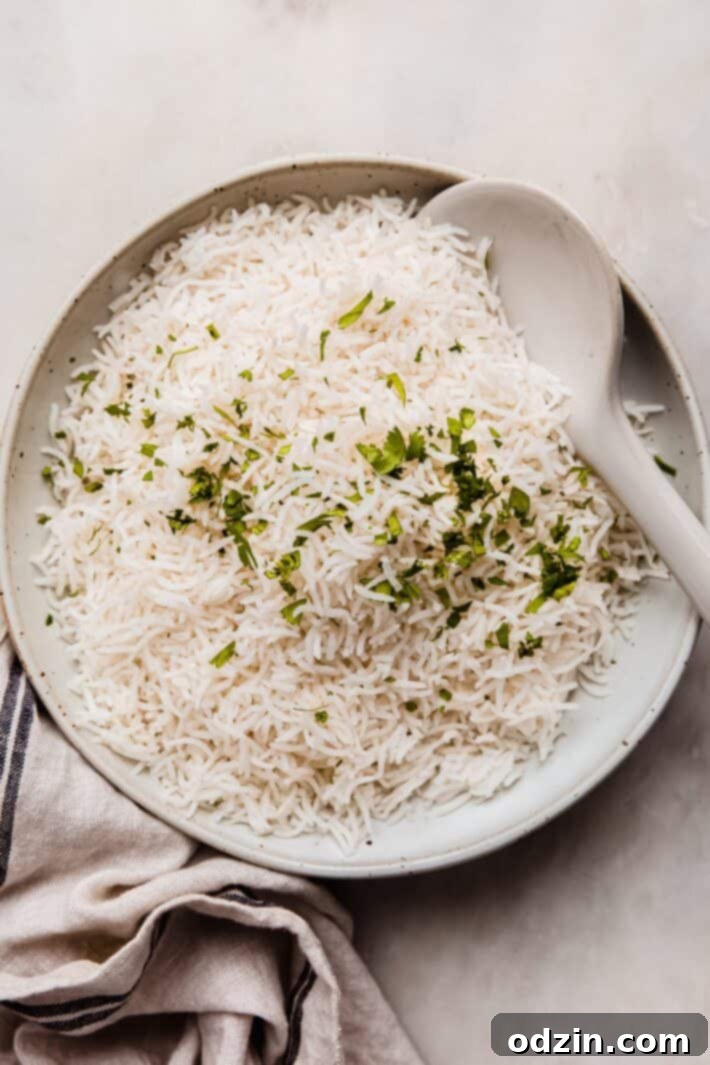
How to Make Perfect Basmati Rice
5 minutes
18 minutes
35 minutes
58 minutes
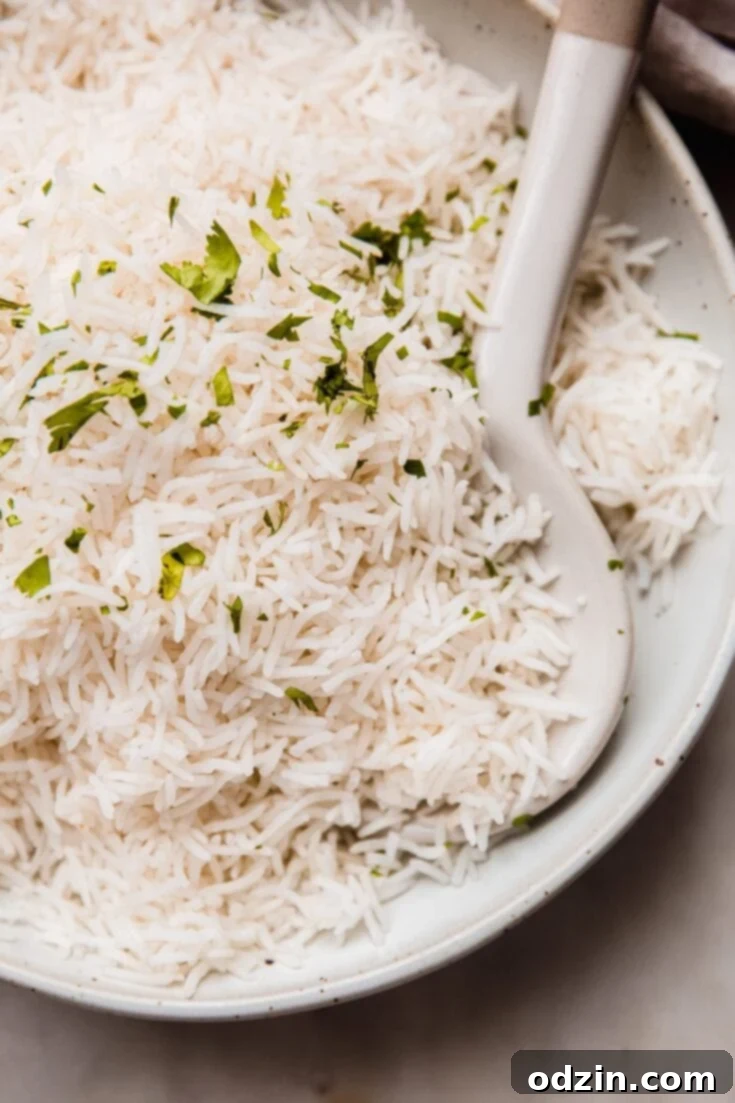
Learn how to make perfect basmati rice just like your favorite Indian restaurant! This fluffy, fragrant rice is easy to achieve at home with my method.
Ingredients
- 1 cup long-grain basmati rice
- 8 cups water
- 1 tablespoon kosher salt
- 1 tablespoon white vinegar
- 2 teaspoons oil
Instructions
- RINSE AND SOAK: Place the rice in a mesh sieve. Rinse under cold running water for at least 2-3 minutes until the water runs clear. When clean, transfer the rice to a medium bowl and cover with at least 3 cups of cold water for 1 cup of rice. Allow the rice to soak for 30-45 minutes. During the last 15 minutes of soaking, bring 8 cups of water to a boil in a 3-quart saucepan (or larger).
- BOIL: Once the water is boiling, lower the heat briefly and add the salt and vinegar. Increase heat back to medium-high. Drain the soaked rice using a sieve. Add the rice to the boiling water and cook for 5-9 minutes, checking for doneness after 5 minutes. You want it slightly underdone (al dente). For softer rice, aim for 6-9 minutes; for al dente, 4-6 minutes. Drain the rice in the same mesh sieve and rinse quickly under cold running water to stop the cooking. Let it drain while preparing the saucepan.
- STEAM: Ensure the saucepan is completely dry. Place the pan over medium heat and drizzle with oil. Add the drained rice back to the pot, cover with a tight-fitting lid, and lower the heat to medium-low. Listen for a gentle sizzling, indicating steam is forming. Once it sizzles, reduce the heat to the lowest setting and steam for 6 minutes. Turn off the heat and let the rice sit undisturbed for 5 minutes to finish cooking and fluff up. Fluff with a fork before serving.
Recommended Products
- Extra Long Basmati Rice
- Mesh Sieve/ Strainer
- 3-Quart Saucepan
Have you made this recipe?
If you enjoyed this recipe, please consider leaving a ⭐️⭐️⭐️⭐️⭐️ rating and a comment below. You can also share a picture on Instagram with the hashtag #LITTLESPICEJAR, I’d love to see what you made!