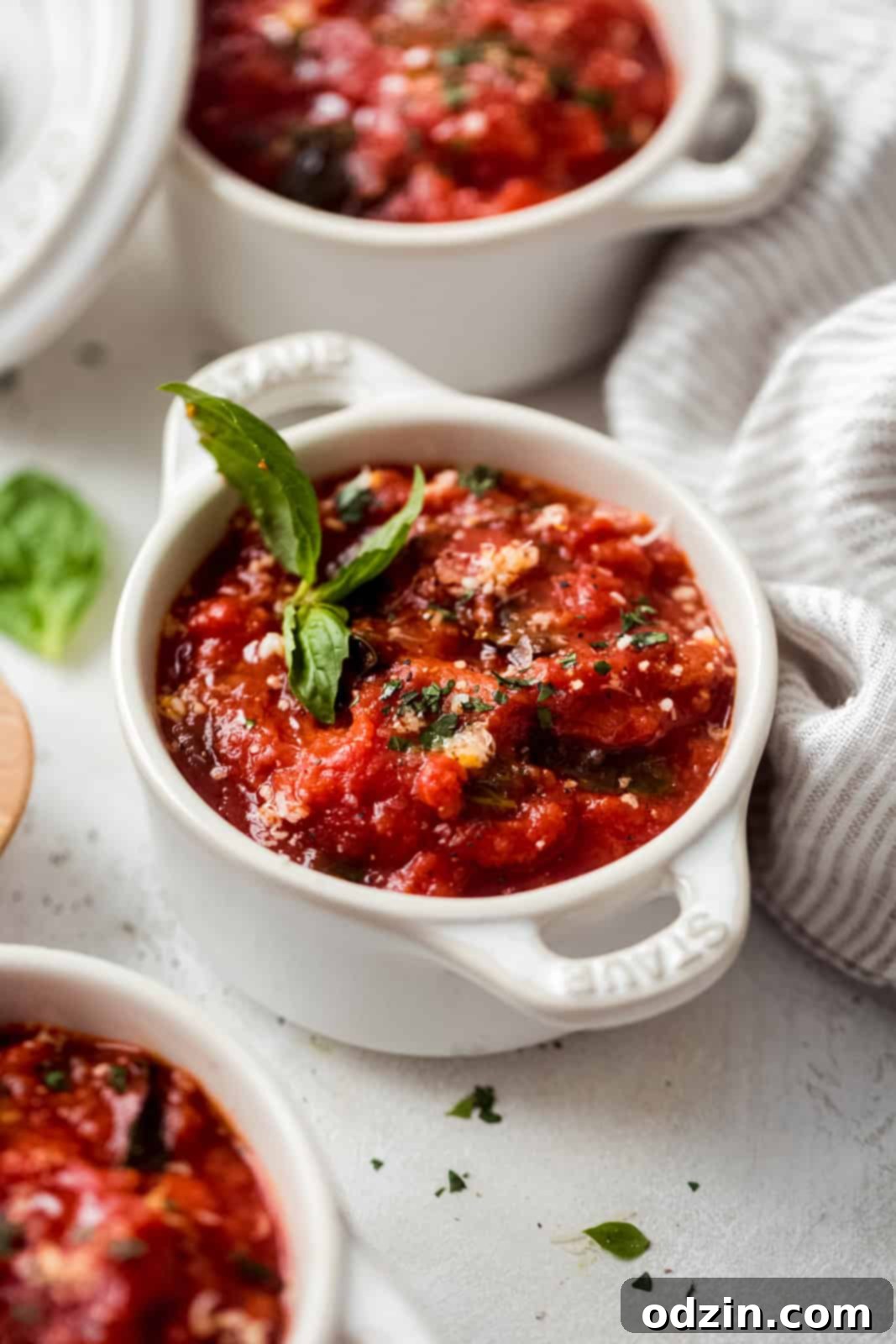
Authentic Pappa al Pomodoro Recipe: The Hearty Tuscan Tomato Bread Soup You Need to Try
Discover the timeless allure of Pappa al Pomodoro, a cozy and hearty Tuscan tomato bread soup. Crafted with just a handful of simple, high-quality ingredients, this rustic Italian classic comes together effortlessly, promising a truly comforting culinary experience.
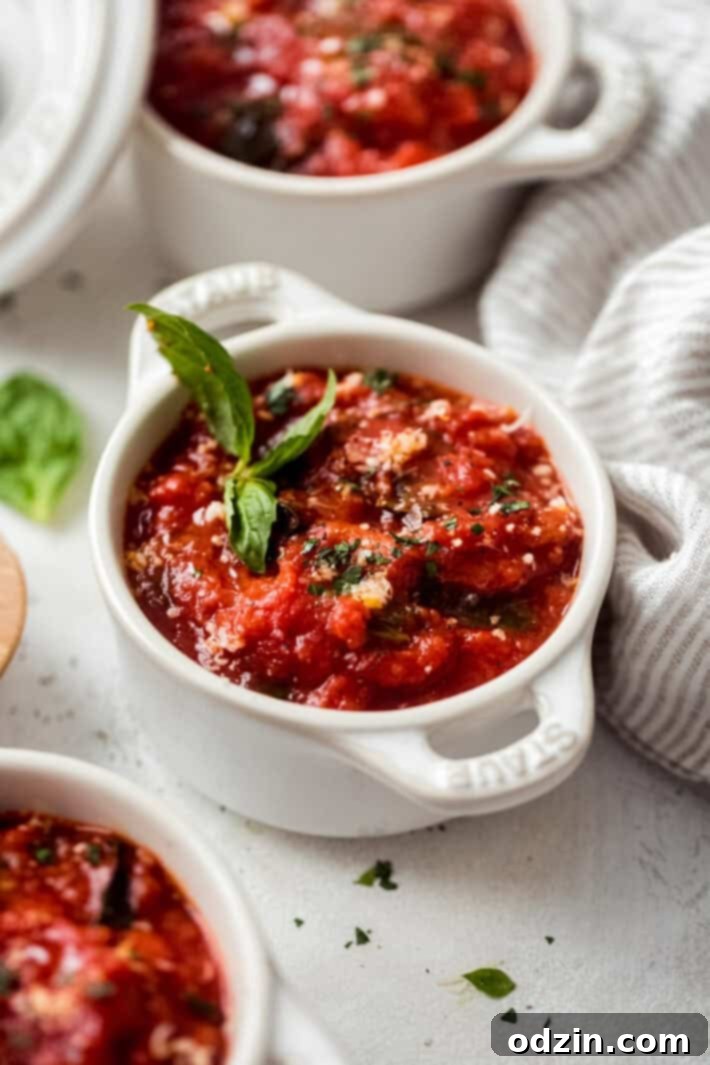
Pappa al Pomodoro! Even the name itself is a delight to pronounce, carrying the rustic charm of the Italian countryside. This deceptively simple yet profoundly satisfying soup has captivated my heart and palate since my first taste. Its minimal prep work and incredible depth of flavor make it an instant favorite – a dish so effortlessly delicious that it’s hard not to keep thinking about it. In fact, the very first time I prepared this Tuscan tomato bread soup at home and shared a glimpse on Instastories, my inbox was flooded with requests for the recipe. It’s a testament to its universal appeal and the magic of authentic Italian cooking.
To be completely honest, the concept of Pappa al Pomodoro was entirely new to me until a memorable trip to Italy a couple of summers ago. Our journey led us to Florence, a city renowned for its art, history, and, of course, its incredible food. On one particular day, the weather took an unexpected turn, presenting us with an unseasonably cold and rainy afternoon. Seeking refuge from the chill, we stumbled upon the most enchanting tavern-style restaurant. It felt as if we had stepped straight into a scene from Harry Potter, complete with a majestic boar’s head mounted on the wall and a warm, inviting atmosphere that promised comfort.
Deciding on an early dinner before retreating to our Airbnb, I was drawn to the soup section of the menu. And there it was, Pappa al Pomodoro. It proved to be the absolute perfect starter on that abnormally chilly summer’s evening, offering warmth and comfort that seeped deep into my bones. The experience was truly magical, transforming a simple meal into an unforgettable memory of Italian hospitality and culinary genius.
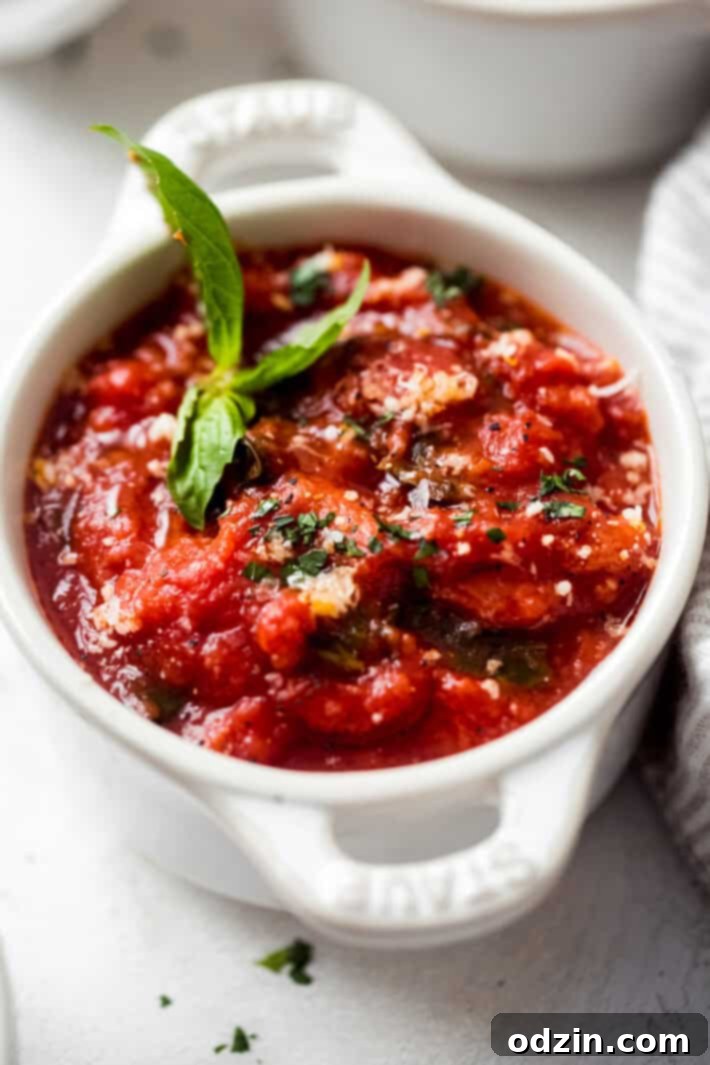
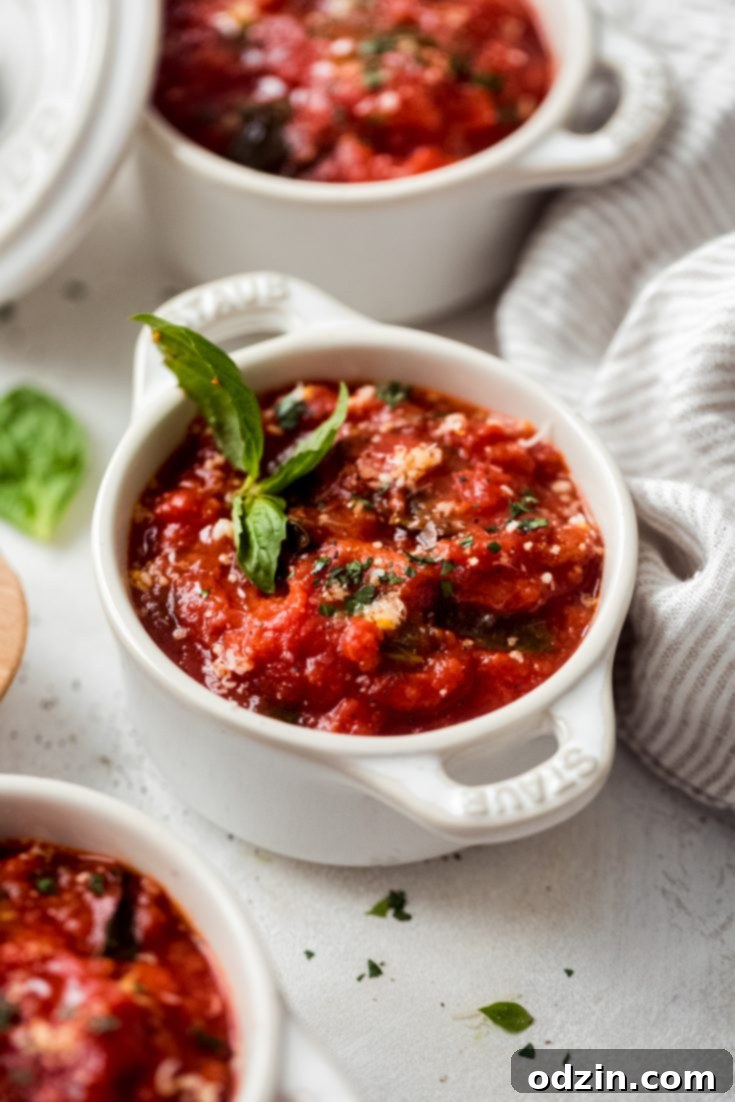
That initial spoonful of Pappa al Pomodoro remains vividly in my memory. It was an explosion of bright, sun-kissed tomato flavor, elegantly smooth yet incredibly hearty. The soup’s rich base was beautifully layered with aromatic garlic and fresh basil, punctuated by tender, comforting bits of bread that had fully absorbed the delicious broth. It might sound understated, but this Tuscan tomato bread soup possesses a certain magic that words simply cannot convey. You truly have to experience it for yourself to understand its profound deliciousness and comforting embrace. Trust me, it’s a revelation that will transport you straight to the heart of Tuscany.
Over the years, I’ve explored a multitude of tomato-centric recipes, from my highly popular roasted tomato basil soup to a robust homemade arrabbiata sauce, a wonderfully simple 5-ingredient tomato sauce, a refreshing marinated mozzarella tomato salad, classic tomato basil bruschetta, and even a comforting tomato baked chicken. Each offers its own unique charm, but none, in my opinion, quite capture the rustic, soulful essence and unparalleled flavor of Pappa al Pomodoro. This is especially remarkable given that this incredible soup requires only a small handful of very accessible, high-quality ingredients, showcasing the inherent brilliance of Italian culinary simplicity and the philosophy of letting ingredients shine.
What is Tuscan Tomato Bread Soup (Pappa al Pomodoro)? Unpacking an Italian Classic
Pappa al Pomodoro is far more than just a soup; it’s a beloved staple of Tuscan cuisine, embodying the spirit of cucina povera, or “peasant cooking.” This thick, hearty, and deeply comforting soup is traditionally prepared with ripe tomatoes (often passata, as we’ll discuss), fresh basil, fragrant extra virgin olive oil, garlic, and, most importantly, stale country-style bread. Its origins lie in the resourcefulness of home cooks who sought to transform leftover, hardened bread and abundant summer tomatoes into a nourishing and delicious meal, preventing waste while creating something truly special. The magic truly lies in how these humble ingredients combine to create an unbelievably rich and satisfying texture and flavor profile, reflecting the wisdom and ingenuity of generations of Tuscan cooks.
This dish is a testament to the fact that extraordinary flavor doesn’t require complex ingredients or elaborate techniques. Instead, it relies on the quality of each component and the simple act of allowing them to meld together harmoniously. Pappa al Pomodoro is traditionally quite thick, often spoonable, making it wonderfully substantial. It can be served warm or even at room temperature, making it versatile for various occasions.
Essential Ingredients for Your Pappa al Pomodoro: Simple, Yet Profound
The beauty of Pappa al Pomodoro lies in its simplicity and the impeccable quality of its core components. When embarking on this culinary journey, remember that each ingredient plays a crucial role in building the soup’s distinctive character. Here’s what you’ll need to create this authentic Tuscan masterpiece:
- High-Quality Extra Virgin Olive Oil: This isn’t merely a cooking fat; it’s a foundational flavor enhancer and a cornerstone of Italian cuisine. Its fruity, sometimes peppery notes are essential.
- Fresh Garlic: Infuses the olive oil with its pungent, aromatic notes, laying the groundwork for the soup’s depth.
- Red Pepper Flakes (Optional): For a subtle warmth and a gentle kick that complements the sweetness of the tomatoes without overpowering them.
- Passata: The star of the tomato show. Its smooth, pure tomato base is fundamental to achieving the soup’s characteristic texture and vibrant flavor.
- Stale Italian or Country Bread: Absolutely crucial for the soup’s unique, chunky-yet-creamy texture. Stale bread absorbs liquid beautifully without disintegrating into a watery mess.
- Sugar (Optional): A small amount can help balance the natural acidity of the tomatoes, especially if they are particularly tart, bringing out their sweetness.
- Fresh Basil Leaves: Provides that quintessential Mediterranean aroma and a burst of herbaceous freshness. Fresh basil is indispensable for an authentic taste.
- Water or Vegetable Broth: Used to achieve the desired soup consistency and to help the ingredients meld together.
Understanding Passata: The Key to Smooth Tomato Flavor
You might be wondering about “passata” – it’s a fundamental ingredient for an authentic Pappa al Pomodoro, and its purity is what makes it so special. Passata is essentially a thick, uncooked or lightly cooked tomato puree, meticulously strained to remove all seeds and skin. When imported from Europe, you might find it labeled as ‘strained tomatoes’ in some stores, which is exactly what it is. The key characteristic of passata is its pure tomato flavor; it’s generally unflavored unless explicitly stated on the packaging, allowing you to build the flavor profile from scratch without interference from added herbs or spices.
I typically locate passata in the same aisle as canned tomatoes at most supermarkets, though it’s commonly sold in glass jars or boxed cartons rather than traditional cans. It’s important to note the distinction: passata usually contains only tomatoes, providing a clean, vibrant base, whereas many canned tomato sauces often include added herbs, spices, or even other vegetables, which might alter the desired authentic taste of Pappa al Pomodoro. Its inherently smooth consistency is perfect for creating that velvety texture in your soup, allowing the bread to absorb it beautifully.
No Stale Bread? No Problem! Adapting for Fresh Bread
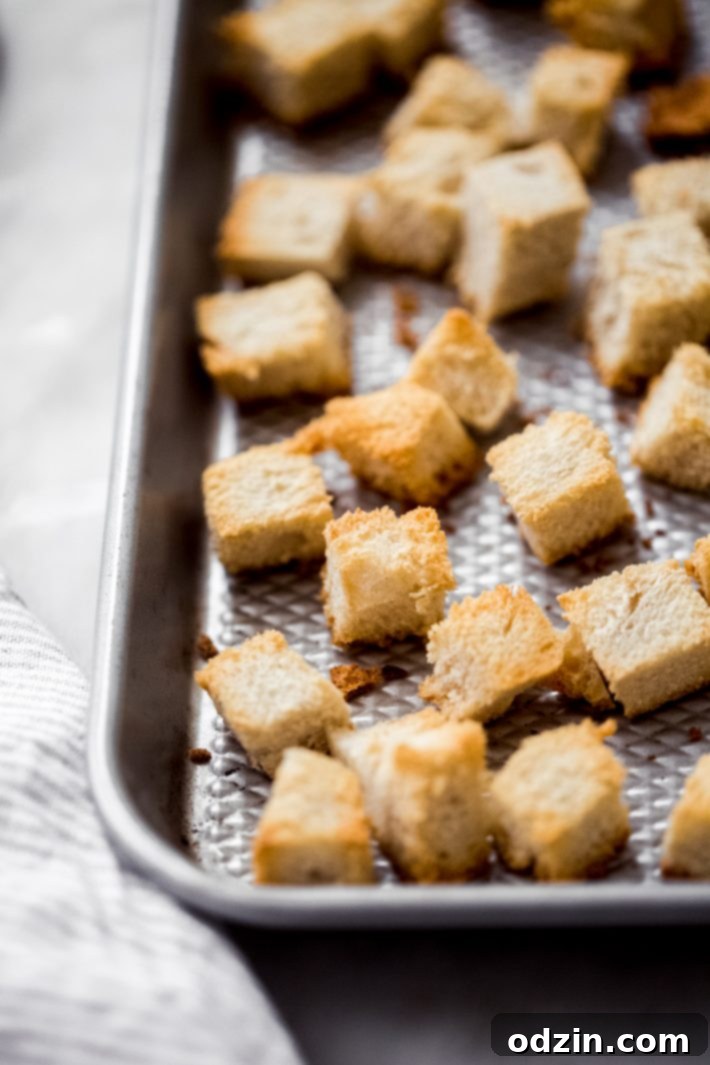
While stale bread is traditionally preferred for its ability to absorb liquid and maintain some structure without becoming overly soggy, don’t let a lack of day-old bread deter you from making this delicious soup. The very first time I prepared Tuscan tomato bread soup, I didn’t have the luxury of waiting for bread to naturally go stale. My solution was simple yet effective: I cut fresh country-style bread into small, uniform cubes and spread them out evenly on a baking tray. Then, I toasted them in the oven until they were beautifully dried out and lightly golden. This process typically takes about 16-20 minutes, depending on your oven and the bread’s initial moisture content, effectively mimicking the qualities of stale bread.
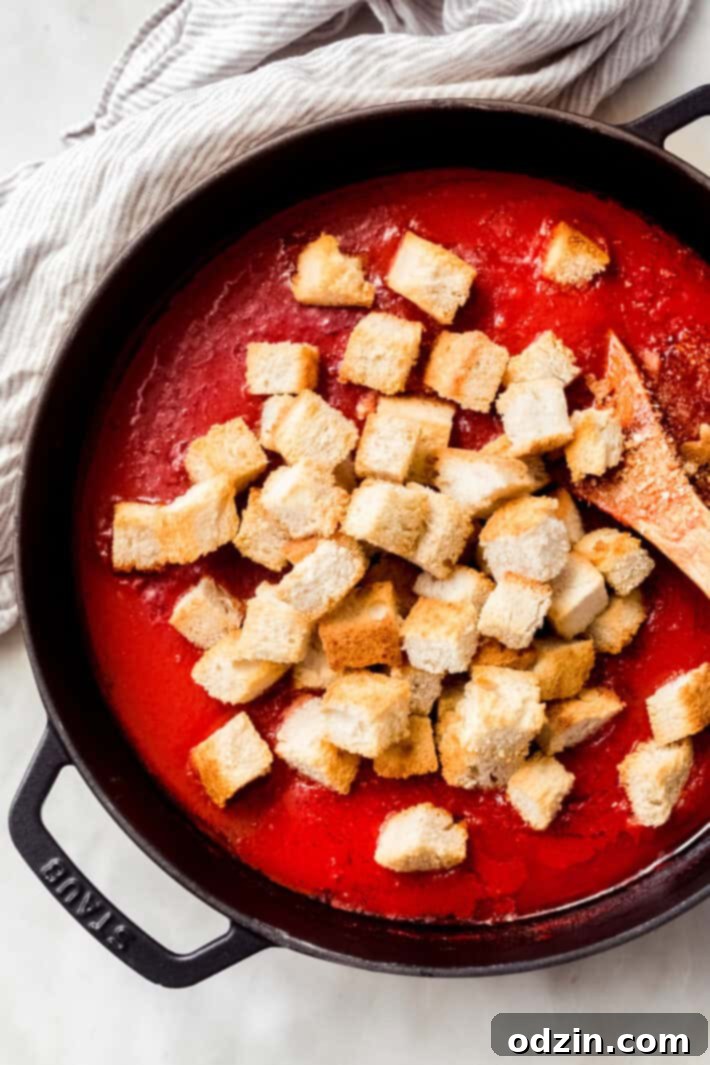
Even if you are using pre-stale bread, the recipe calls for a brief 8-10 minute bake to enhance its texture and drying process. If you’re starting with fresh bread, plan to toast it for approximately double that time to achieve the ideal dryness and slight crispness needed for the soup. This crucial extra step ensures your bread performs its role perfectly, soaking up the exquisite tomato flavors without disintegrating too quickly, contributing to that perfect rustic Pappa al Pomodoro texture.
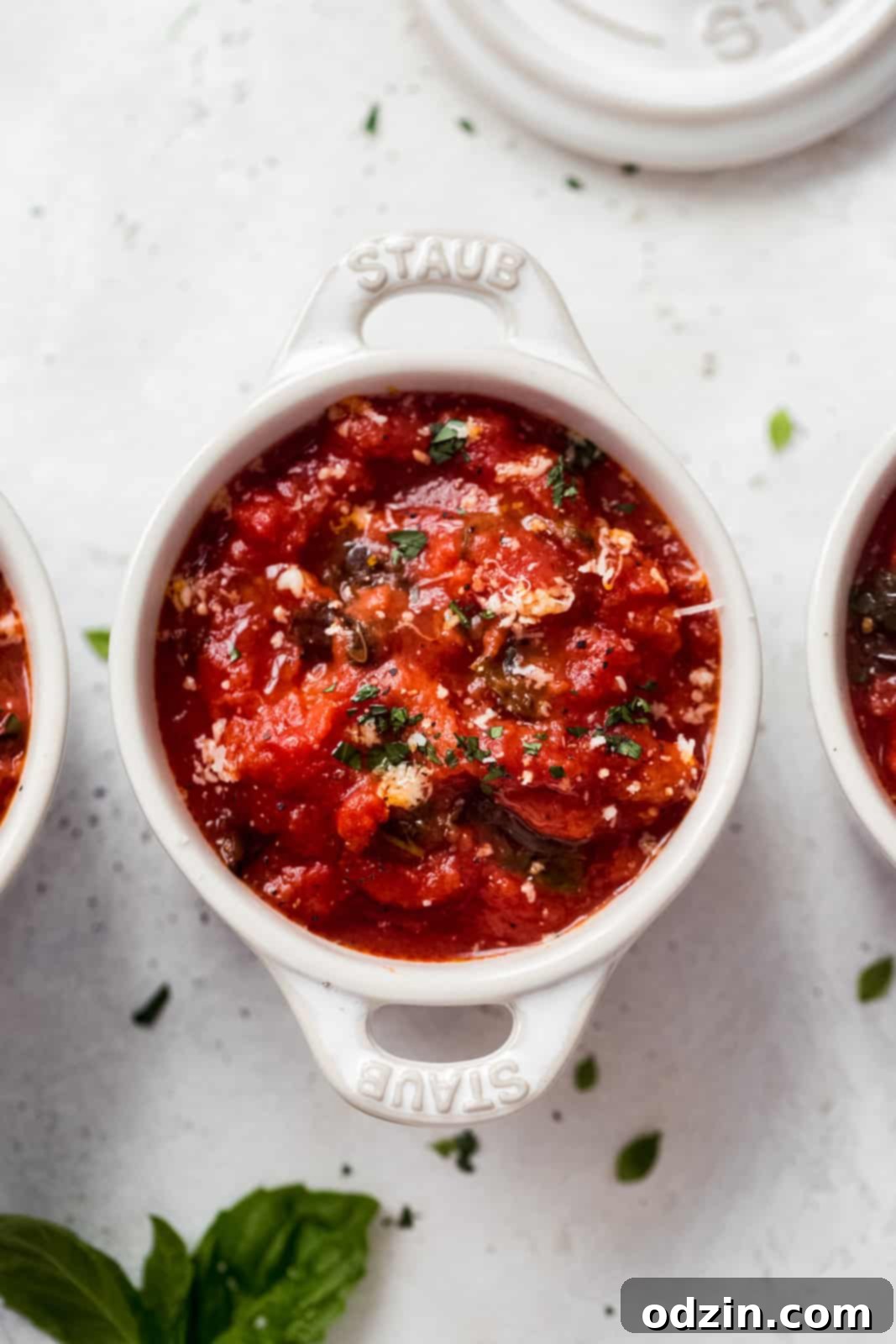
Crafting Your Pappa al Pomodoro: A Step-by-Step Guide to Tuscan Comfort
Making Pappa al Pomodoro is a meditative culinary experience, focusing on simple techniques that bring out the best in each ingredient. Follow these steps meticulously for a perfect bowl of Tuscan comfort, paying attention to the subtle cues that signal each stage is ready:
- Prepare and Toast the Bread: Begin by positioning a rack in the center of your oven and preheating it to 350°F (175°C). Cut your stale or fresh country-style bread into small, roughly 1-inch cubes. Keeping the cubes relatively small ensures they toast up quickly and absorb the soup evenly. Spread them in an even layer on a baking sheet. Place the baking sheet in the preheated oven for 8-10 minutes if using stale bread, or 16-20 minutes if using fresh bread, until they are wonderfully dried out and lightly golden. This step is critical for the soup’s texture, so keep a close eye on them to prevent burning!
- Infuse the Olive Oil with Aromatics: In a heavy-bottomed saucepan or a Dutch oven, combine the generous amount of olive oil with your smashed garlic cloves and a pinch of red pepper flakes (if using). Place the pot over the absolute lowest heat setting. The key here is patience; allow the garlic and red pepper flavors to slowly and gently infuse into the olive oil. This delicate process can take up to 10 minutes, ensuring maximum flavor extraction without burning the garlic, which would turn bitter. You’ll know it’s ready when the kitchen fills with a wonderful, inviting garlicky aroma and the garlic cloves begin to lightly change color, turning golden.
- Simmer the Tomato Base: Once the olive oil is beautifully infused, it’s time to introduce the star: the passata. Pour it into the saucepan along with about half of your fresh basil leaves. Here’s a tip for maximizing flavor: I always tear the basil leaves with my hands rather than cutting them. This gentle tearing motion helps to release their fragrant essential oils more effectively, imparting a fresher, more vibrant basil flavor. Add the sugar (if using, to balance the acidity of the tomatoes) and half a cup of water, stirring everything together until well combined. Bring the mixture to a gentle simmer and let it cook for about 10 minutes, allowing the flavors to meld and deepen, creating a rich and aromatic tomato base.
- Integrate the Bread and Finish: Now, add your beautifully toasted bread cubes to the simmering tomato mixture, along with another cup of water (or vegetable broth for added depth of flavor). Stir gently to ensure the bread is fully submerged. Continue to simmer the soup for an additional 13-15 minutes. During this crucial time, the bread will gradually break down, thickening the soup and imparting its unique rustic texture. Pappa al Pomodoro is traditionally served quite thick and hearty, almost stew-like, rather than thin and liquidy. However, you can adjust the consistency to your personal preference by adding a little more water or broth if you prefer a slightly looser soup. Once it reaches your desired consistency, season generously with salt, tasting and adjusting as needed (the initial saltiness of your bread can impact this). Finally, stir in the remaining torn fresh basil leaves and allow them to wilt slightly in the warmth of the soup, releasing their final burst of aroma. Fill bowls and serve immediately while warm, or for a different, yet equally delicious, experience, you can cool it down and serve at room temperature. Top each serving with a generous drizzle of extra virgin olive oil and a sprinkle of freshly grated Parmesan cheese, if desired, for an extra touch of Italian luxury.
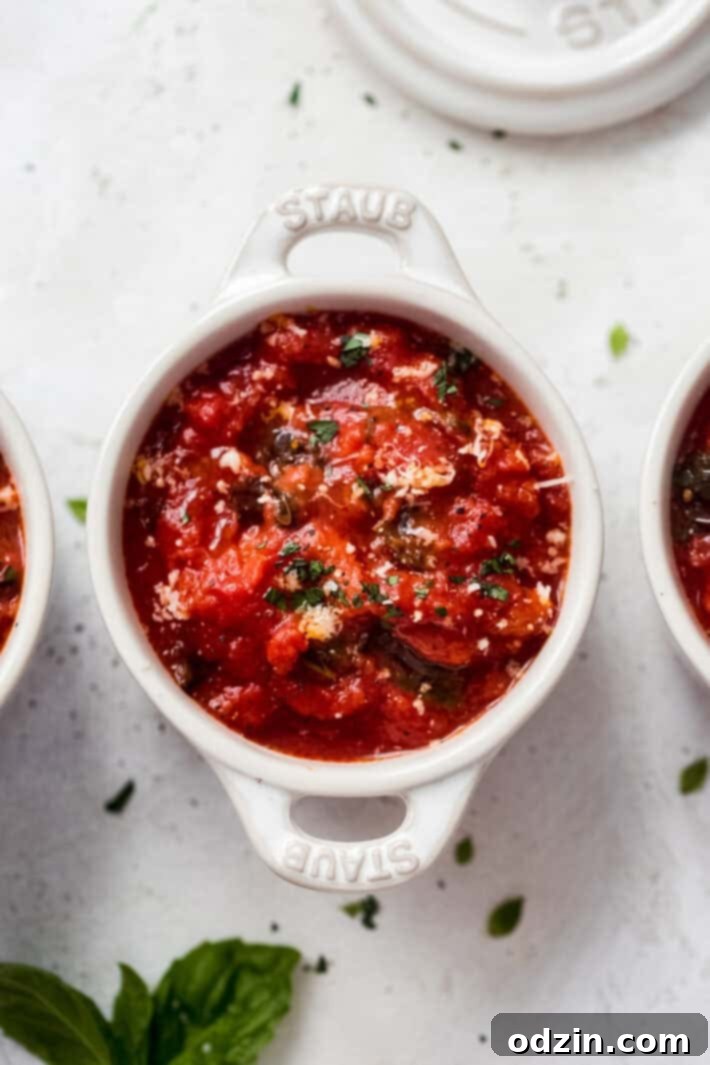
Tips for the Best Pappa al Pomodoro: Elevate Your Tuscan Soup
While Pappa al Pomodoro is wonderfully simple, a few considerations can truly elevate your homemade version:
- Quality Ingredients are Paramount: With so few components, the quality of each truly shines. Invest in a good extra virgin olive oil, fresh garlic cloves, and high-quality passata (or the best canned whole peeled tomatoes you can find, crushed by hand).
- Don’t Rush the Garlic Infusion: This slow and gentle step is crucial for developing the foundational flavor of your soup. Burnt garlic will introduce an unpleasant bitter taste that can ruin the entire dish. Patience here pays off immensely.
- Stale Bread is Best (But Fresh Works with a Trick): As we’ve discussed, naturally stale rustic bread offers superior texture and absorption. If using fresh bread, make sure to toast it thoroughly until it’s perfectly dried out and crisp, creating its own “stale” quality.
- Adjust Consistency to Your Liking: While traditionally thick and hearty, almost like a stew, don’t hesitate to add a little more water or vegetable broth if you prefer a slightly thinner, more spoonable soup. It’s all about personal preference.
- Balance the Flavors: Always taste as you go. A pinch of sugar can brilliantly balance the acidity of the tomatoes, especially if they’re particularly tart. Always adjust salt and pepper before serving to ensure the flavors sing.
- Garnish Generously: A final drizzle of fresh, robust extra virgin olive oil, more torn fresh basil, and perhaps some freshly grated Parmesan or Pecorino Romano cheese can add an extra layer of flavor and aesthetic appeal.
- Consider a Soffritto: For an even deeper flavor base, you can start by sautéing finely diced onion, carrot, and celery (a traditional Italian soffritto) before adding the garlic. This adds another layer of sweetness and complexity.
Storing and Reheating Pappa al Pomodoro: Enjoying Leftovers
One of the many wonderful qualities of Pappa al Pomodoro is how well it keeps. I’ve successfully stored this soup in an airtight container in the refrigerator for up to four days without any issues. In fact, much like many stews and hearty soups, I often find that the flavors deepen and meld even more beautifully on day two and three, as all the ingredients have had ample time to truly mingle and marinate. It’s like a delicious scientific experiment happening right in your fridge, resulting in an even more profound taste!
You’ll notice that the soup thickens significantly and firms up considerably as it cools and sits. This is entirely normal due to the bread absorbing more liquid, becoming even more substantial. When reheating leftovers, a small splash of water or vegetable broth will likely be needed to bring it back to your preferred consistency. Simply add a tablespoon or two at a time, stirring as it heats gently on the stovetop over low heat or in the microwave, until it’s just right. This allows you to enjoy the rich flavors again and again.
I sincerely hope you’ll take the opportunity to try this simple yet profoundly delicious Tuscan tomato bread soup. Every single bite transports me back to that charming little tavern in Florence, to that unexpected cozy moment on a cold day, filled with the warmth of good food and great company. It’s more than just a meal; it’s a feeling of warmth, comfort, and culinary discovery that you can recreate in your own kitchen. Enjoy this taste of Italy – it’s seriously the best feeling. ❤️
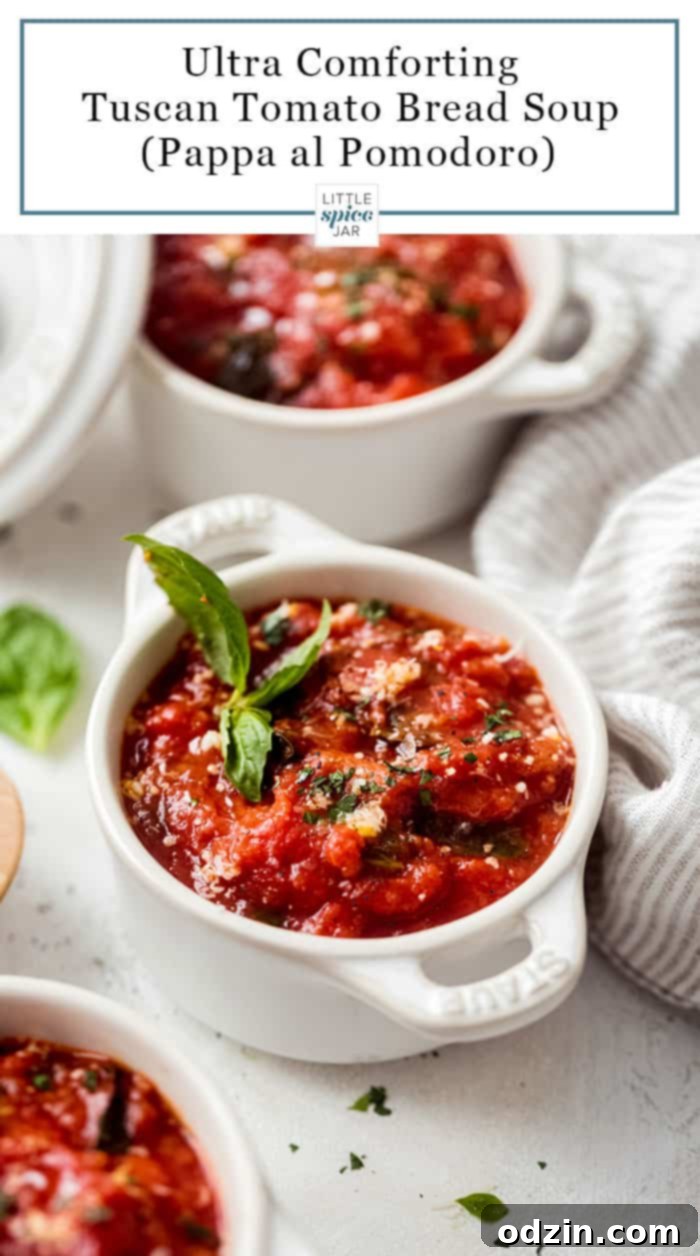
Comforting Tuscan Tomato and Bread Soup (Pappa al Pomodoro)
5 minutes
25 minutes
30 minutes
A cozy and hearty Tuscan tomato bread soup recipe. Pappa al Pomodoro is made with just a handful of ingredients and takes no time to make at all!
Ingredients
- ⅓ cup olive oil
- 4 cloves garlic, smashed
- Pinch of red pepper flakes, optional
- 4 ½ cups (36 ounces) of passata
- ~ 3 cups stale country-style bread (crust removed and cut into small cubes)
- 2-3 teaspoons sugar, optional
- 10-12 fresh basil leaves
- ½ cup water for initial simmer + 1 cup water for bread (or vegetable broth)
Instructions
- INFUSE: Position a rack in the center of the oven and preheat the oven to 350ºF (175°C). Add the garlic cloves and red pepper flakes to a 4-quart soup pot or Dutch oven and pour the olive oil on top. Heat the garlic over the lowest heat setting until it starts to slowly sizzle and the aroma fills the kitchen; this could take up to 10 minutes. Then, pour in the passata along with half of the basil leaves (torn with hands to release their flavor), sugar (if using), ½ cup of water, and allow for the mixture to simmer gently for 10 minutes.
- TOAST: While the tomato base simmers, place the cubed bread on a baking sheet. Place the baking sheet in the oven for 8-10 minutes (for stale bread) or 16-20 minutes (for fresh bread) to further dry and toast the bread. This step is crucial for the perfect soup texture.
- FINISH: Next, add the toasted bread cubes to the simmering soup, along with 1 cup of water (or vegetable broth). Allow the soup to continue simmering for another 13-15 minutes, or until the bread breaks down and the soup reaches your desired thick, hearty consistency. Season with ½ teaspoon of salt and adjust with additional salt as needed, tasting carefully (the initial saltiness of your bread might vary). Finally, stir in the remaining torn fresh basil leaves and let them wilt slightly in the warmth of the soup. Fill bowls and serve warm, or you can cool it down and serve at room temperature for a refreshing take. Top with a drizzle of extra virgin olive oil and freshly grated Parmesan cheese, if desired.
Have you made this recipe?
If you enjoyed this recipe, please consider leaving a ⭐️⭐️⭐️⭐️⭐️ rating and a comment below. You can also share a picture on Instagram with the hashtag #LITTLESPICEJAR, I’d love to see what you made!