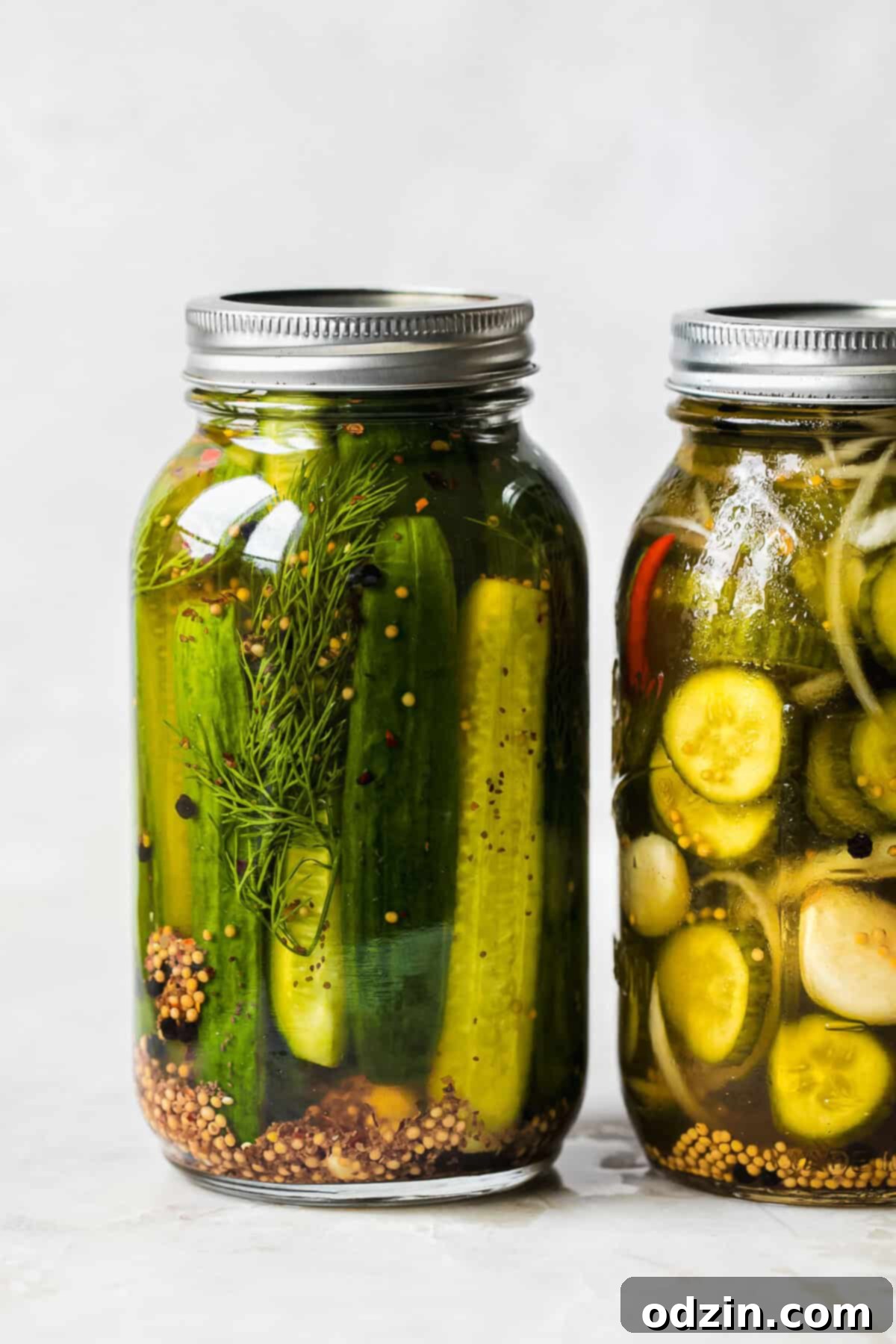
Mastering Homemade Refrigerator Pickles: Easy Sweet & Spicy and Classic Dill Recipes (Two Ways!)
Discover how to effortlessly make your own quick refrigerator pickles at home! This comprehensive guide provides two fantastic recipes – one for zesty sweet & spicy pickles and another for traditional dill – perfect for topping burgers, enhancing sandwiches, enlivening salads, or simply enjoying as a refreshing snack. Customize your batch with your favorite spices and prepare them as crisp chips or crunchy spears!
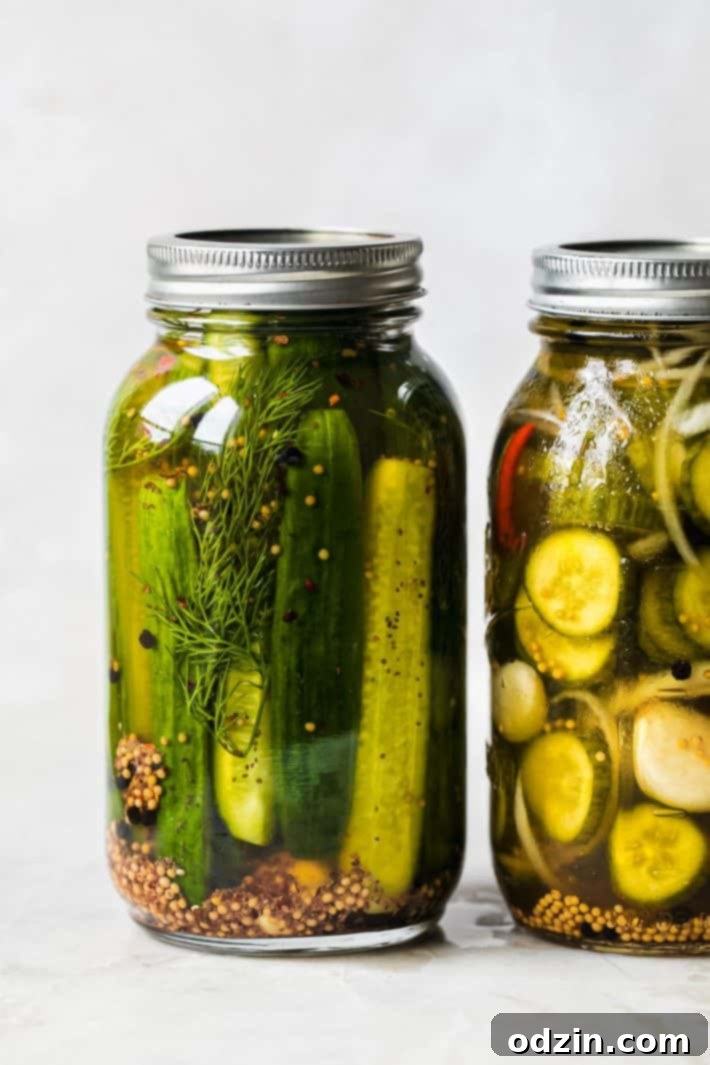
There’s nothing quite like the vibrant flavor and satisfying crunch of homemade refrigerator pickles. They instantly elevate any dish, adding a burst of color, irresistible texture, and an incredible depth of flavor that store-bought versions simply can’t match. Making your own batch is a rewarding experience, giving you complete control over the ingredients and taste profile.
I absolutely adore preparing a large batch of these quick pickles to have on hand. They’re my secret weapon for spicing up homemade burgers, adding a tangy kick to crispy chicken sandwiches, bright-on up tuna salad, or even transforming into air fryer fried pickles and my famous fried pickle dip! For burgers, I lean towards thin, crisp pickle chips, but when a serious craving for a refreshing crunch strikes, it’s pickle spears all the way. That’s precisely why I’m sharing two distinct yet equally delicious versions with you today.
Why Choose Homemade Refrigerator Pickles?
Pickling cucumbers is a fantastic and time-honored method to preserve the bounty of your garden or make the most of fresh produce from the farmer’s market. What sets refrigerator pickles apart is their simplicity and speed. Unlike traditional canning, which requires special equipment and precise techniques to achieve shelf stability, refrigerator pickles are much more forgiving. They don’t require a water bath canner, making them an accessible project for even novice cooks. You get to be the master of your brine, customizing the sweetness, spiciness, and aromatic ingredients like mustard seeds, garlic cloves, and peppercorns to perfectly suit your palate.
The beauty of these quick pickles lies in their fresh, vibrant flavor. Because they aren’t subjected to the high heat of traditional canning, they retain more of their natural crispness and a brighter taste. Plus, you know exactly what goes into them, avoiding artificial preservatives often found in commercial pickles.
Two Irresistible Pickle Recipes to Try Today!
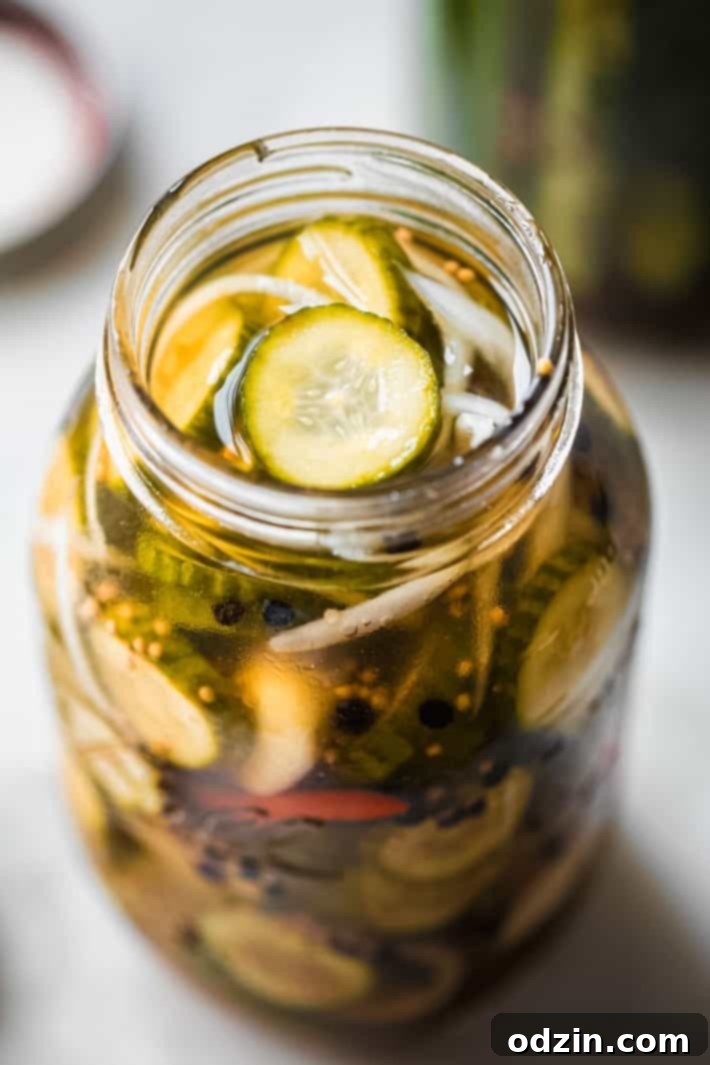
Today, I’m thrilled to offer you two fantastic recipes that cater to different taste preferences. The first is my unique lightly salty-sweet-vinegary pickle, boasting just the tiniest kick of heat and delightful pickled onions. This version is incredibly versatile; it tastes wonderful on its own, and surprisingly, it’s absolutely phenomenal on peanut butter and honey sandwiches, offering a delightful contrast of flavors! It’s an unexpected twist that you simply must experience.
The second recipe is for classic traditional dill pickles. This is the timeless, tangy, and aromatic favorite that pairs perfectly with almost any savory dish, delivering that familiar, comforting pickle taste we all love.
Essential Ingredients for Perfect Homemade Pickles
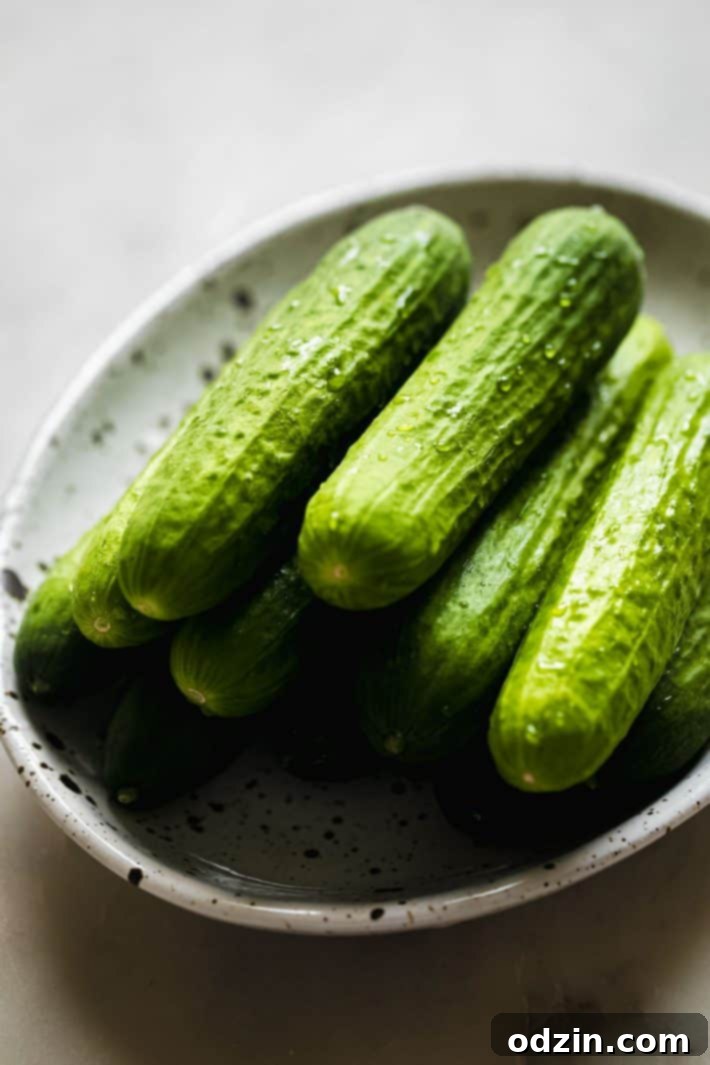
- Cucumbers: For this recipe, I often reach for crisp Persian cucumbers, known for their thin skin and minimal seeds, which make them ideal for pickling. However, the best cucumbers for pickling are entirely a matter of preference! Many pickle enthusiasts swear by Kirby cucumbers due to their thicker skin and firm flesh, which helps them maintain an excellent crunch even after soaking in the pickling liquid. Other great options include English cucumbers (seedless, great for spears) or even regular garden cucumbers (just be sure to remove any large seeds). You can slice them into 1/4-inch thick chips or cut them into 2-4 spears, depending on their size and your preference.
- Distilled White Vinegar: Vinegar is the heart of any pickle brine, providing the essential acidity that preserves the cucumbers and gives them their characteristic tangy flavor. While you can experiment with different vinegars like apple cider vinegar (which adds a slightly fruitier, milder tang) or rice vinegar (for a delicate, Asian-inspired flavor), I personally prefer good old distilled white vinegar. Its clean, sharp acidity provides a classic pickle taste without imparting any additional flavors that might compete with your chosen spices.
- Sugar: Sugar plays a crucial role in balancing the sharp acidity of the vinegar and enhancing the overall flavor profile. We’ll use just a hint of granulated sugar in the traditional dill pickle recipe for a subtle sweetness that rounds out the tang. For the sweet and spicy pickle recipe, a bit more sugar creates that delightful sweet-and-sour contrast. You can adjust the amount to your personal preference for a sweeter or tangier result.
- Kosher Salt: Salt is indispensable for flavor and contributes to the crispness of the pickles. What would a pickle be without a good source of sodium? It’s important to use kosher salt or pickling salt, as these are pure salts without anti-caking agents or iodine that can sometimes make pickle brine cloudy or alter the flavor. We’ll combine the vinegar, water, salt, and sugar in a saucepan and bring it to a gentle simmer, ensuring the salt and sugar fully dissolve before the cucumbers are introduced to the flavorful brining liquid.
- Customizable Add-ins: This is where the real fun begins and where you can truly personalize your pickles! The choice of add-ins will vary based on whether you’re making sweet and spicy or traditional dill, but don’t hesitate to play around with these ingredients based on the flavor profiles you enjoy. Common and popular additions include:
- Fresh Dill: The quintessential herb for dill pickles, providing a wonderfully fresh, herbaceous, and slightly aniselike flavor. Dried dill also works well if fresh isn’t available.
- Celery Seeds: These tiny seeds offer an earthy, slightly bitter, and aromatic complexity, often found in traditional pickle recipes.
- Whole Black Peppercorns: Adding a subtle, warm, and pungent kick.
- Coriander Seeds: Imparting a delicate citrusy, sweet, and nutty aroma.
- Garlic Cloves: Essential for a robust, savory depth. Use whole or roughly chopped.
- Bay Leaf: Contributes a mild, aromatic, and slightly bitter background note.
- Red Pepper Flakes / Thai Red Chilies: For customizable heat! Use a little for a gentle warmth or more for a fiery kick.
- Sliced White Onions: These pickle beautifully, adding a sweet and tangy bite and another layer of texture.
Tips for success! Thai red chilies are incredibly versatile. If you buy a bunch and are looking for other delicious ways to use them, consider making Thai Basil Fried Rice, Garlic Lovers Thai Basil Chicken, Sweet and Tangy Green Mango Salad, and Peri Peri Chicken. They add a fantastic punch to many Asian-inspired dishes!
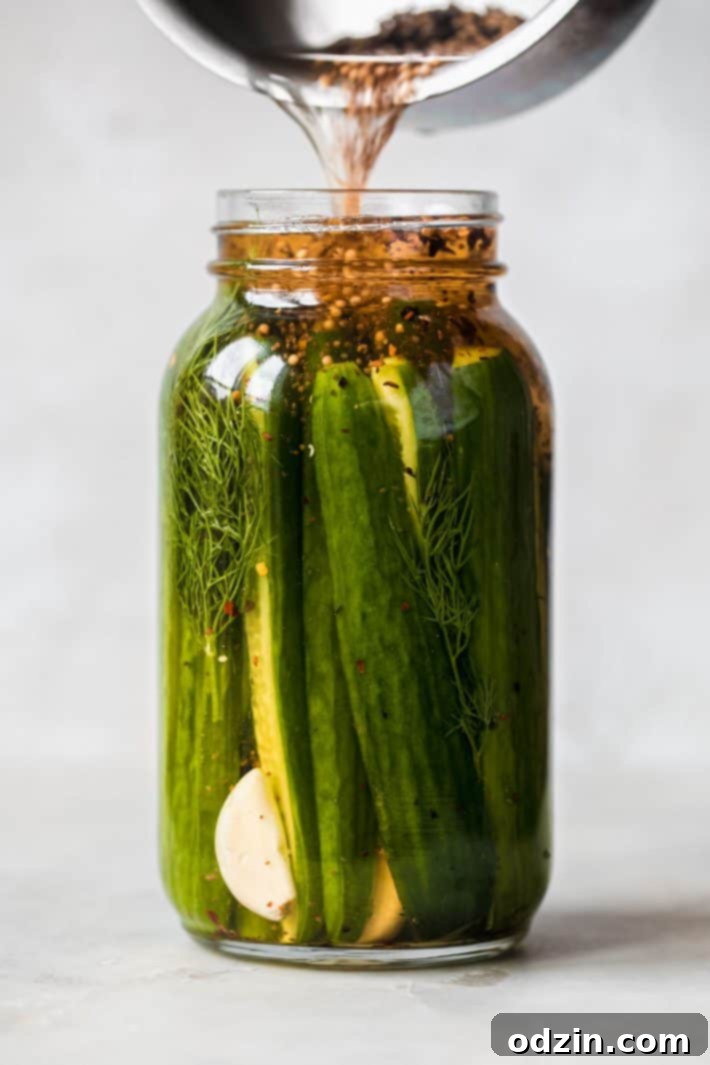
Step-by-Step: How to Make Easy Refrigerator Pickles
Making delicious refrigerator pickles is simpler than you might think. Follow these steps for crisp, flavorful results every time:
- Prepare Your Cucumbers: Begin by thoroughly washing your cucumbers under cold running water, scrubbing gently to remove any dirt. Decide whether you prefer pickle chips or spears. For chips, trim the ends and slice the cucumbers into uniform 1/4-inch thick rounds. For spears, cut each cucumber in half lengthwise, then halve each half, resulting in 2-4 spears depending on the cucumber’s thickness. Aim for consistent sizing to ensure even pickling. Set the prepared cucumbers aside.
- Craft the Perfect Pickling Brine: In a medium saucepan, combine the water, distilled white vinegar, sugar, kosher salt, and any additional dry add-ins specific to your chosen recipe (like mustard seeds, peppercorns, celery seeds, or chilies). Bring this mixture to a gentle boil over medium-high heat, stirring occasionally until both the sugar and salt are completely dissolved. Once dissolved, immediately remove the saucepan from the heat. This is a crucial step: allow the pickling liquid to cool completely to room temperature. Pouring hot liquid over the fresh cucumbers will cook them, resulting in soft, mushy pickles. Patience here is key to achieving that desirable crisp texture!
- Assemble Your Jars for Pickling: While the brine cools, prepare your jars. Ensure you use clean, sterilized glass jars with tight-fitting lids. Into each jar, place your desired fresh add-ins that don’t go into the brine, such as fresh dill weed, whole garlic cloves, bay leaves, or sliced white onions. Neatly pack the prepared cucumber chips or spears into the jars, leaving a little headspace at the top. Once the pickling liquid has cooled to room temperature, carefully pour it over the cucumbers, ensuring they are fully submerged.
- Store and Let the Magic Happen: After pouring the brine, let the pickles sit uncovered for about 5 minutes to allow any air bubbles to escape. Then, securely place a tight-fitting lid on top of each jar. Transfer the jars of pickles to the refrigerator immediately. Remember, these are refrigerator pickles and are not shelf-stable, so they must always be kept chilled. For the best flavor and texture, allow the pickles to refrigerate for at least 48 hours before enjoying them. This gives them ample time to absorb the delicious brine and develop their full pickled flavor.
For your convenience, the full, detailed ingredients list and precise directions for both pickle varieties are provided below in the recipe card.
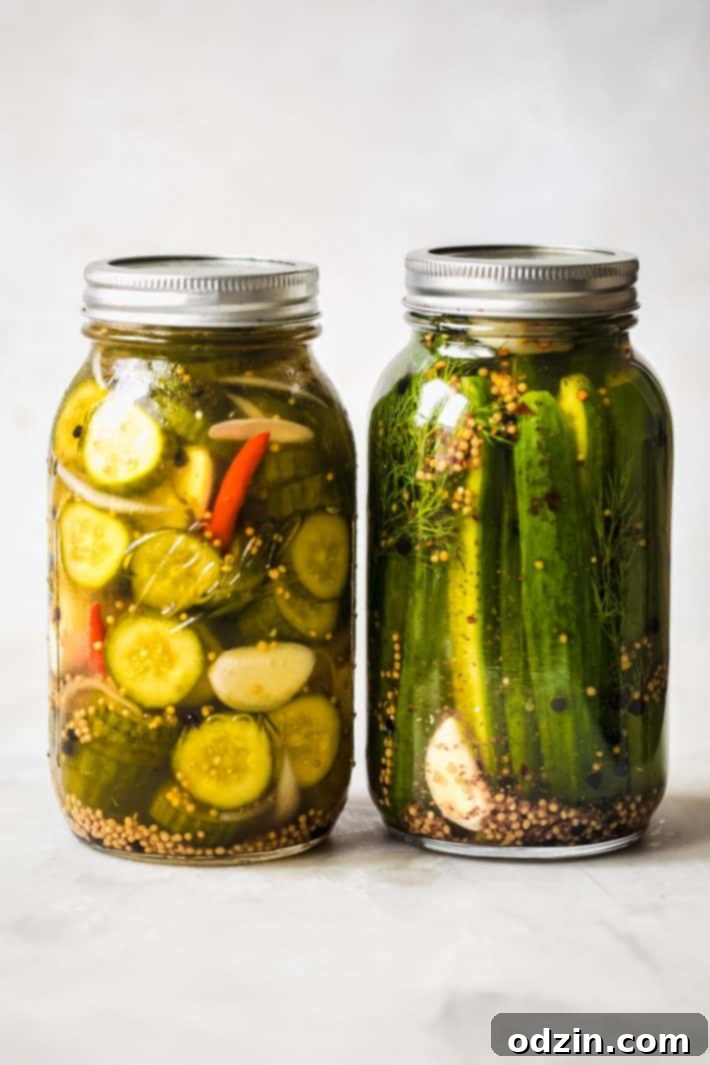
Tips for Perfectly Crisp Refrigerator Pickles
Achieving consistently crisp and delicious refrigerator pickles is easy when you follow a few simple guidelines:
- Start with Fresh Cucumbers: The fresher the cucumbers, the crisper your pickles will be. Look for firm, blemish-free cucumbers. If you’re using garden cucumbers, pickle them as soon as possible after harvesting.
- Chill Your Cucumbers: Some enthusiasts recommend soaking sliced cucumbers in an ice bath for 30 minutes to an hour before pickling. This helps to firm up their texture even more.
- Cool the Brine Completely: As mentioned in the instructions, pouring hot brine over cucumbers will cook them, making them soft. Always allow the pickling liquid to come to room temperature.
- Don’t Overcook the Brine: Only bring the brine to a simmer just long enough for the salt and sugar to dissolve. Prolonged boiling isn’t necessary and can diminish the vibrant flavors of your spices.
- Even Slices/Spears: Cut your cucumbers into uniform sizes. This ensures that they pickle evenly and maintain a consistent texture throughout the jar.
- Experiment with Flavors: Don’t be afraid to deviate from the recipe once you’re comfortable with the basic process. Try adding different herbs like tarragon or cilantro, various types of peppercorns, or even a slice of ginger for an unexpected twist.
- Storage Matters: Always keep refrigerator pickles in the coldest part of your fridge. While they last for months, their crispness and flavor are best within the first few weeks.
Frequently Asked Questions About Refrigerator Pickles
When properly stored in an airtight jar in the refrigerator, homemade refrigerator pickles can last for a good 3-4 months, and sometimes even longer! Always use your senses to determine freshness – look for mold, off-colors, or an unusual smell. If any of these are present, it’s best to discard them.
The primary difference lies in their preservation method and shelf stability. Canned or commercially jarred pickles undergo a hot water bath canning process, which creates a vacuum seal and kills potential spoilage bacteria, making them shelf-stable for extended periods (often years) without refrigeration. Refrigerator pickles, on the other hand, are made without this intensive canning process. They rely on the acidity of the vinegar and cold temperatures to prevent spoilage and must be continuously kept refrigerated. They do not contain added preservatives that commercial brands might use.
Technically, yes, you can consume them immediately after they’ve cooled in the brine. However, for the best and most robust flavor, it’s highly recommended to allow them to refrigerate for a minimum of 48 hours. This resting period gives the cucumbers ample time to absorb the flavors of the pickling liquid and spices, transforming them into truly delicious pickles.
Yes, absolutely! Refrigerator pickles are very safe to eat as long as they are prepared with clean ingredients and stored properly in the refrigerator. The high acidity of the vinegar prevents the growth of harmful bacteria. Just like any other refrigerated food, always ensure the jar is placed back in the fridge promptly after use to maintain food safety and quality.
Absolutely! The beauty of refrigerator pickling is its versatility. This basic brine recipe can be used to pickle a variety of other vegetables such as sliced carrots, bell peppers, green beans, radishes, cauliflower florets, or even thinly sliced red onions. Adjust the pickling time based on the vegetable’s density; harder vegetables may benefit from slightly longer pickling for optimal flavor and texture.
While refrigerator pickles last a long time, they can eventually spoil. Signs of spoilage include visible mold on the pickles or on the surface of the brine, a cloudy or murky brine (beyond a slight haziness from spices), a fermented or “off” smell, or a noticeably soft and slimy texture to the cucumbers. If you observe any of these signs, it’s best to discard the batch to ensure safety.
If you like this recipe, you might also like these delicious ideas:
- Quick Pickled Onions
- Pickle-Brined Crispy Chicken Sandwich
- Vietnamese Chicken Sandwich (with tangy pickled carrots + daikon)
- Crispy Vietnamese Chicken Bowls
- Sweet Heat Southern Deviled Eggs
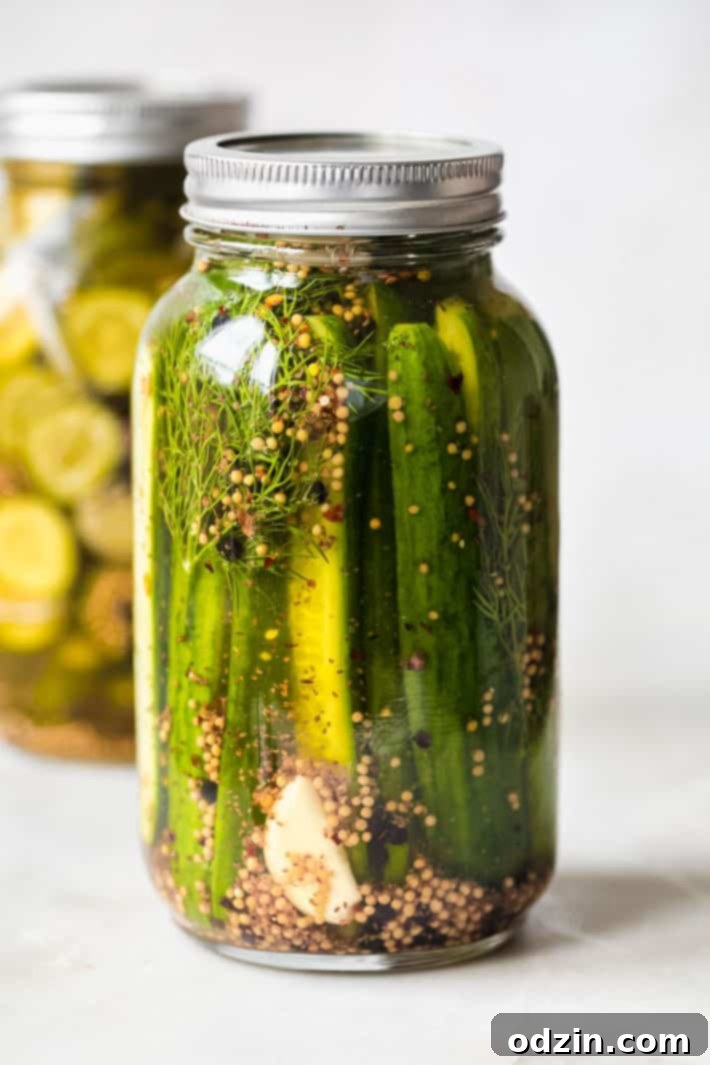
Easy Refrigerator Pickles (Sweet & Spicy & Traditional Dill)
10 minutes
5 minutes
15 minutes
Learn how to make quick and unbelievably delicious refrigerator pickles to elevate your burgers, sandwiches, salads, or simply for healthy snacking! This versatile recipe teaches you to create pickles two ways: a vibrant Sweet & Spicy version and a classic Traditional Dill. Both are easily customizable with your favorite spices and can be prepared as crunchy pickle chips or satisfying spears. Say goodbye to store-bought and hello to homemade freshness!
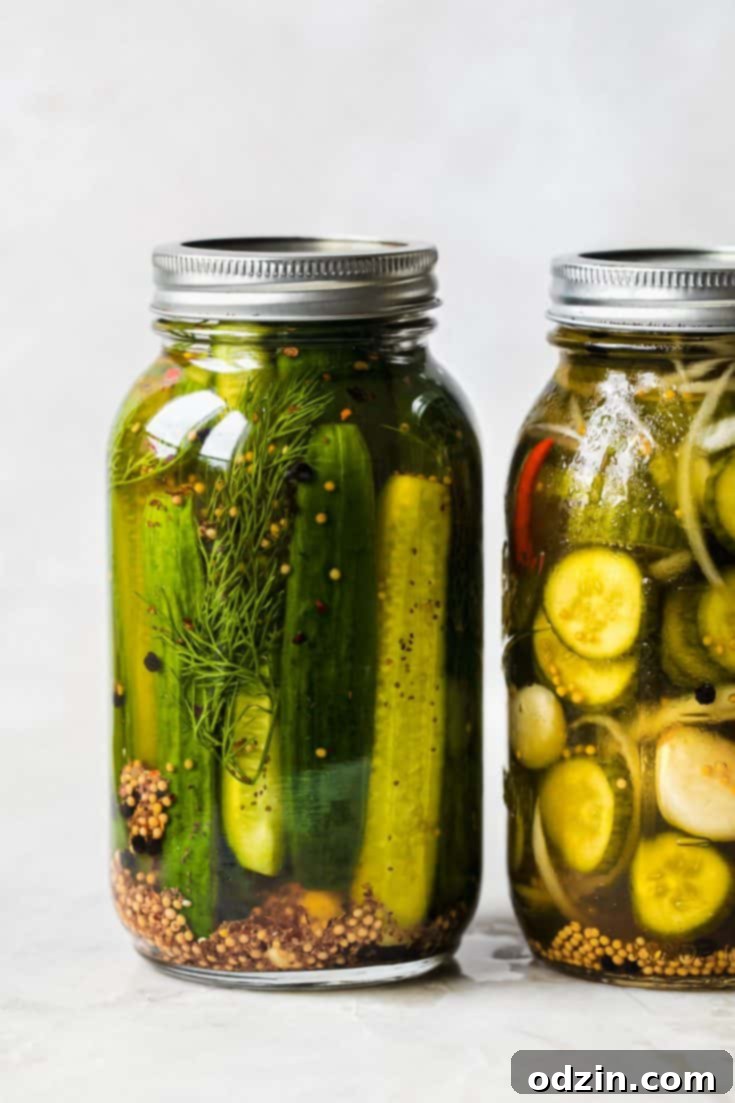
Ingredients
For Sweet and Spicy Pickles (Yields 1 quart jar):
- 6 medium Persian or pickling cucumbers (washed, ends trimmed, sliced into 1/4-inch chips)
- ½ cup water
- 1 ½ cups distilled white vinegar
- ½ cup granulated sugar
- 1 tablespoon kosher salt
- 1 tablespoon mustard seeds
- 1 tablespoon whole black peppercorns
- 1-3 Thai red chilies (sliced, adjust to preferred heat level)
- 5 cloves garlic, roughly chopped
- ¼ cup sliced white onions
OR For Traditional Dill Pickles (Yields 1 quart jar):
- 6 medium Persian or pickling cucumbers (washed, ends trimmed, cut into 2-4 spears each)
- ½ cup water
- 1 ½ cups distilled white vinegar
- 1 tablespoon kosher salt
- 1 tablespoon granulated sugar
- 1 tablespoon mustard seeds
- 1 teaspoon celery seeds (optional, but adds classic flavor)
- 1 teaspoon whole black peppercorns
- 4 cloves garlic, peeled and smashed
- 1 dried bay leaf
- 1 tablespoon dried dill (or a generous bunch of fresh dill weed)
- ¼ teaspoon red pepper flakes (optional, for a subtle kick)
Instructions
- PREPARE CUCUMBERS: Thoroughly wash and trim the ends of your chosen cucumbers. Slice them into ¼-inch thick rounds if making pickle chips (ideal for the sweet and spicy recipe), or cut each cucumber into 2-4 spears depending on its thickness (perfect for traditional dills). Set the prepared cucumbers aside.
- MAKE SWEET & SPICY BRINE: If you’re preparing the sweet and spicy pickles, combine the water, distilled white vinegar, granulated sugar, kosher salt, mustard seeds, black peppercorns, and sliced red chilies in a medium saucepan. Bring the mixture to a simmer over medium-high heat, stirring until the sugar and salt are completely dissolved. Once dissolved, remove the saucepan from the heat and allow the pickling liquid to cool completely to room temperature. This is essential for crisp pickles.
- MAKE TRADITIONAL DILL BRINE: If you’re opting for traditional dill pickles, combine the water, distilled white vinegar, granulated sugar, kosher salt, mustard seeds, black peppercorns, and celery seeds (if using) in a medium saucepan. Bring it to a simmer over medium-high heat, stirring until the sugar and salt are fully dissolved. Remove from heat and, just like the sweet & spicy version, allow the mixture to cool entirely to room temperature before proceeding.
- ASSEMBLE JARS: Prepare a clean, sterilized quart-sized glass jar with a tight-fitting lid. For sweet and spicy pickles, add your prepared cucumber chips, chopped garlic, and sliced white onions to the jar. For traditional dill pickles, add your cucumber spears, smashed garlic cloves, bay leaf, dried dill (or fresh dill sprigs), and red pepper flakes (if using) to the jar. Once the prepared brining liquid (either sweet & spicy or dill) is at room temperature, carefully pour it over the cucumbers, ensuring they are fully submerged.
- STORE & CHILL: Let the jar sit uncovered for about 5 minutes after pouring the brine to allow any air bubbles to escape. Then, securely cover the jar with its lid and transfer it to the refrigerator. These pickles are not shelf-stable and must be kept refrigerated at all times. For optimal flavor development and crispness, allow the pickles to chill and “pickle” in the refrigerator for at least 48 hours before enjoying. They can easily be stored in the fridge for 3-4 months – or even longer, consistently providing a delicious, tangy crunch!
Recommended Products
- Crinkle Knife
- Mason Jars 32 oz
- Mini Saucepan
Have you made this recipe?
If you enjoyed making these homemade refrigerator pickles, please consider leaving a ⭐️⭐️⭐️⭐️⭐️ rating and a comment below to share your experience! You can also share a picture of your delicious creations on Instagram with the hashtag #LITTLESPICEJAR – I’d absolutely love to see what you made!