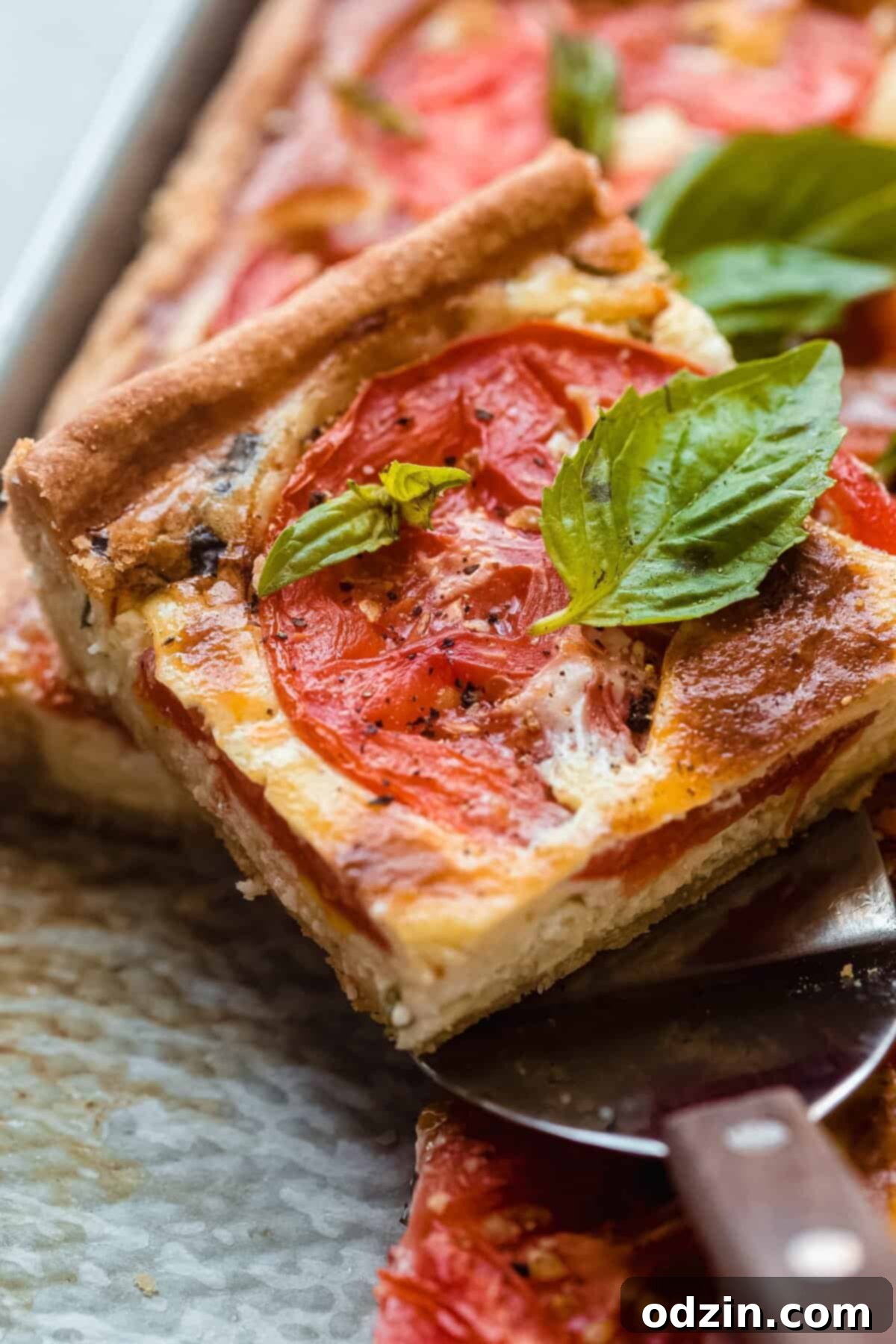
Sheet Pan Tomato Quiche with Basil: The Ultimate Crowd-Pleasing Brunch Recipe
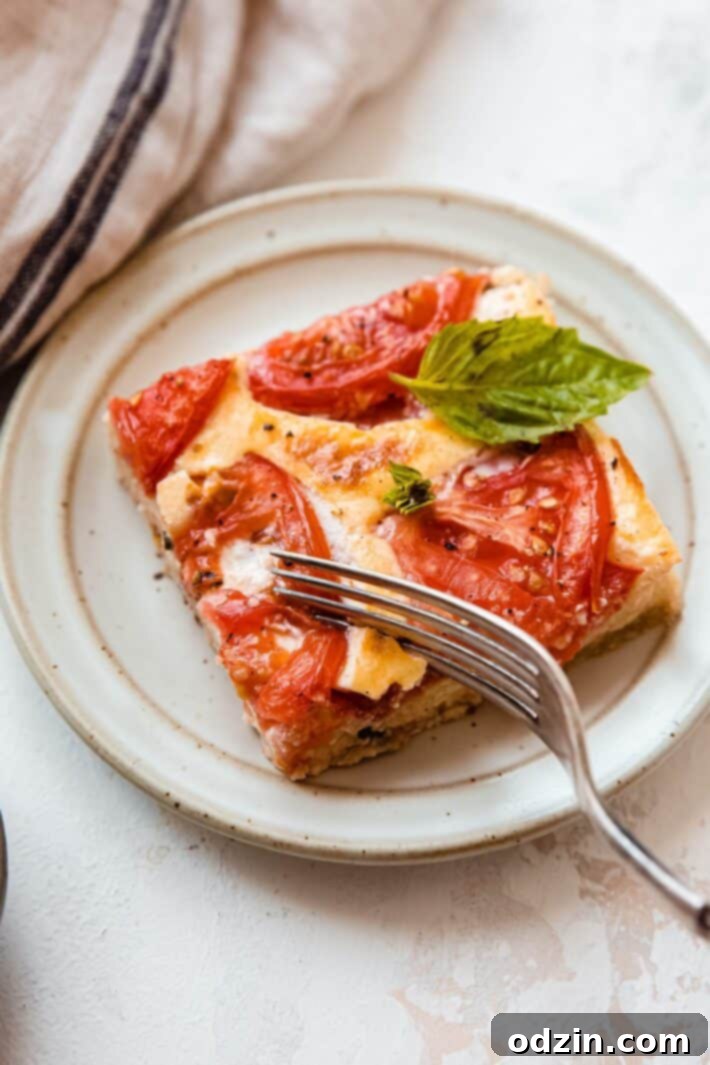
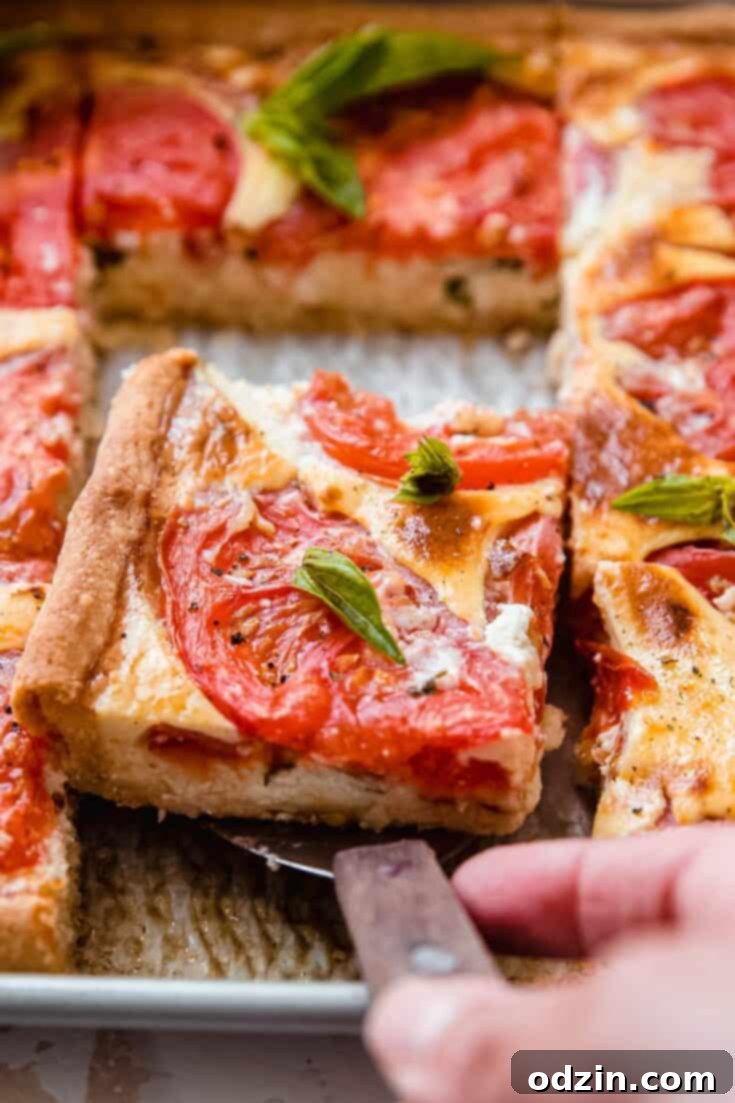
Searching for the perfect brunch centerpiece that’s both impressive and surprisingly simple to prepare? Look no further than this delightful Sheet Pan Tomato Quiche with Basil! It’s a culinary masterpiece that begins with an easy, homemade crust—effortlessly made in your food processor—then filled with a rich, cheesy egg custard, topped with vibrant, juicy ripe tomatoes, and finished with fragrant fresh basil. This recipe is specifically designed to feed a crowd, making it an ideal choice for any gathering. Whether you’re hosting a sophisticated bridal shower, a heartwarming baby shower, celebrating Mother’s Day, or gathering for Easter brunch, this sheet pan quiche is guaranteed to be a hit, offering easy serving and irresistible flavors.
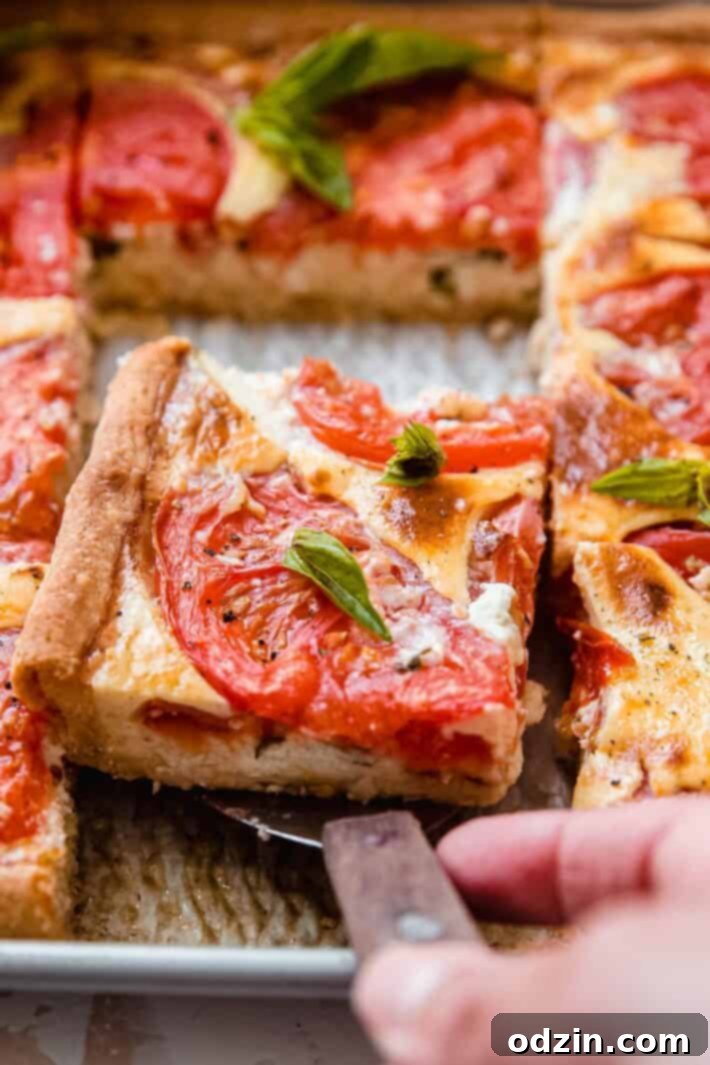
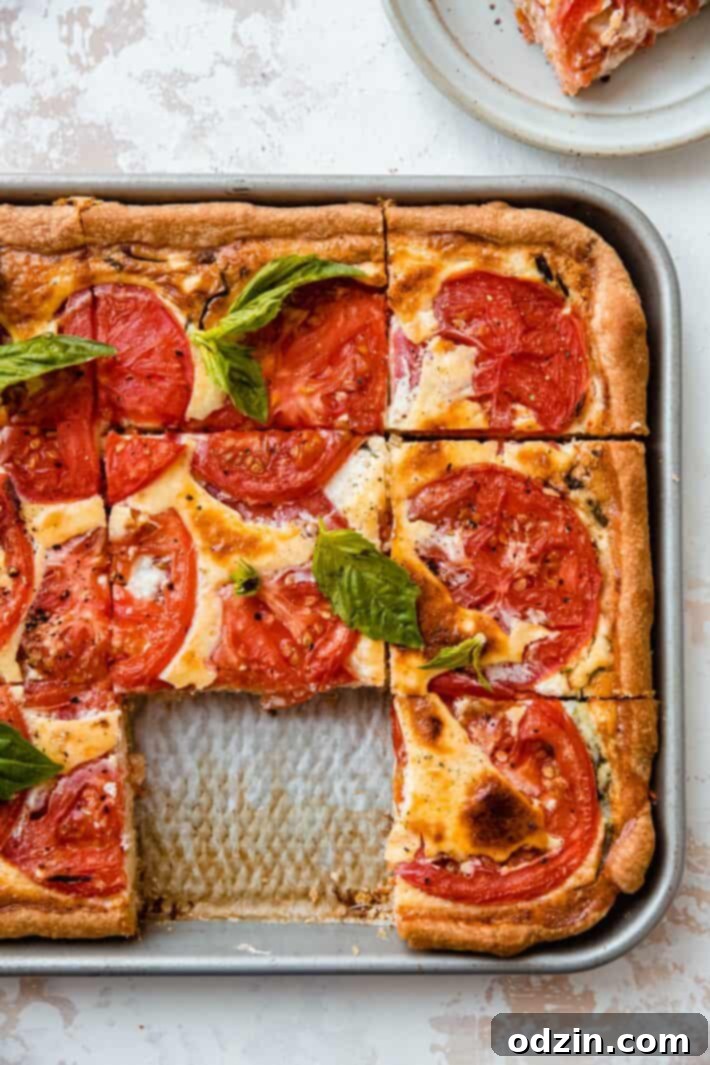
Are you feeling those undeniable brunchy vibes yet? This sheet pan tomato quiche is not just a meal; it’s an experience, designed to bring people together around a table filled with deliciousness. Its broad appeal and ease of preparation make it a standout choice for various spring celebrations and beyond. Instead of painstakingly crafting individual tarts or traditional round quiches, this innovative sheet pan approach allows you to bake one large, beautiful quiche that can be effortlessly cut into elegant, bite-sized squares or larger portions, depending on your event. This method saves you precious time and effort, letting you focus on enjoying your guests rather than fussing in the kitchen.
The magic of this recipe truly begins with its foundation: a remarkably simple quiche crust. Unlike traditional methods, our crust comes together entirely in the food processor, transforming cold butter and flour into a perfectly tender and flaky dough in mere minutes. Once the dough is ready, a brief chill in the fridge allows it to firm up, making it easy to roll out into a generous rectangle perfectly suited for a standard sheet pan. While the crust par-bakes to golden perfection, you’ll assemble the star of the show: the luxurious quiche filling. And here’s where this quiche elevates to extraordinary status—it’s crafted with farm-fresh eggs and a decadent blend of three distinct cheeses. Each bite is a symphony of textures and flavors: the buttery, flaky crust yielding to the creamy, savory egg custard, brightened by the juicy burst of ripe tomatoes, and finished with the aromatic freshness of basil. It’s so incredibly delicious, it truly could make a grown adult tear up with joy.
Understanding Quiche: A Culinary Classic
At its heart, a quiche is a savory tart of French origin, characterized by its creamy egg custard filling. This versatile dish typically features a combination of vegetables, meats, or cheeses, suspended within a rich mixture of eggs and cream, all baked in a pre-baked (or “par-baked”) pastry shell. While most quiches rely on a flaky crust for texture and flavor, some innovative recipes can be made crustless, where the egg and cream mixture is simply baked in a dish, offering a lighter, gluten-free alternative. The beauty of quiche lies in its adaptability; it can be enjoyed warm or at room temperature, making it ideal for everything from elegant brunches to casual weeknight dinners.
Quiche vs. Tart: What’s the Difference?
Often, the terms “quiche” and “tart” are used interchangeably, but there are distinct differences that set them apart. Tarts, broadly speaking, are open-faced baked dishes, similar to pies but typically with straighter sides and a firmer crust that is often baked without a top. Tarts can be either savory or sweet and do not necessarily contain eggs or cream as a primary component. They might feature fruit fillings, custards (without eggs being the main binder), or various savory ingredients like vegetables and cheese bound with less liquid. A quiche, on the other hand, is a specific type of savory tart that is *always* defined by its rich, egg and cream-based custard filling. This custard is the unifying element that gives quiche its characteristic silky texture and savory depth. So, while all quiches are tarts, not all tarts are quiches!
Essential Ingredients for Your Sheet Pan Tomato Quiche
Crafting this irresistible sheet pan quiche requires a selection of fresh, high-quality ingredients. Each component plays a crucial role in building the layered flavors and perfect texture that define this brunch favorite:
- Butter: For the crust, I highly recommend using cold, salted butter. The salt enhances the flavor of the dough, providing a perfect counterpoint to the rich filling. If you only have unsalted butter on hand, simply add about ¾ teaspoon of kosher salt to the flour mixture in your food processor for equivalent seasoning. Cold butter is key to a flaky crust, creating pockets of steam during baking.
- Flour: Unbleached all-purpose flour is my go-to for this recipe. When measuring flour for baking, especially for crusts, the “spoon and level method” is paramount. Gently fluff the flour in its container, then use a smaller scoop (like a ¼ cup measuring cup or even a tablespoon) to lightly spoon the flour into your main measuring cup until it’s heaped. Finally, use the flat edge of a knife to level off the top without compacting the flour. This precise method prevents over-measuring, which can lead to a tough crust.
- White Vinegar: Just a small amount of white vinegar is added to the dough. This seemingly minor ingredient performs a powerful job: it helps to tenderize the quiche dough and, crucially, discourages the development of gluten. By minimizing gluten formation, we ensure a tender, melt-in-your-mouth flaky crust that’s a joy to eat.
- Eggs: As the backbone of any quiche, large eggs are essential for creating the rich, creamy custard. They provide structure and incredible flavor.
- Heavy Cream: Paired with the eggs, heavy cream forms the decadent custard base of the quiche filling. Its high-fat content contributes to the luxurious, velvety texture that is a hallmark of a truly great quiche. For best results, use full-fat heavy cream.
- Seasonings: We enhance the savory profile of our homemade quiche with a thoughtful blend of seasonings. Red pepper flakes add a subtle warmth and a touch of gentle heat, while a dash of garlic powder deepens the overall flavor without being overpowering.
- Cheese: This recipe calls for a lavish trio of cheeses, elevating the quiche to a truly decadent status! We use freshly grated Parmesan for its sharp, salty notes, crumbled goat cheese for a tangy, creamy counterpoint, and shredded Gruyere for its nutty, melty qualities. This combination creates a complex and utterly satisfying cheesy experience in every bite.
- Basil: Fresh basil is non-negotiable for this recipe. Its bright, aromatic, and slightly peppery notes are essential for complementing the sweet tomatoes and rich cheese, lending a vibrant fragrance and fresh flavor that dried basil simply cannot replicate.
- Tomatoes: Choose high-quality, ripe tomatoes such as beefsteak or heirloom varieties. The key to success here is to slice the tomatoes thinly, ideally about ⅛-inch thick. Thinner slices ensure they cook evenly and release less excess moisture into the quiche, preventing a watery result. Thicker slices can lead to a soggy quiche, which we definitely want to avoid!
How to Make a Sheet Pan Tomato Quiche That Feeds a Crowd
Creating this impressive sheet pan quiche is surprisingly straightforward, especially with the help of a food processor for the crust. Follow these steps for a crowd-pleasing brunch:
- Prepare the Dough: Begin by adding the flour and cold, cubed butter to the bowl of your food processor, fitted with the blade attachment. Pulse the machine several times until the mixture resembles coarse crumbs, similar in texture to rolled oats, with some larger pea-sized butter pieces remaining. This ensures a flaky crust. While the machine is running, slowly drizzle in the white vinegar through the feed tube, followed by the ice water, starting with 3 tablespoons. Add just enough liquid—usually between 3.5 to 5 tablespoons total—until the dough *just* comes together and forms a cohesive mass. Be careful not to overmix, as this can develop gluten and lead to a tough crust. Stop the processor, remove the dough, gently flatten it into a disc, wrap it tightly in plastic wrap, and refrigerate for a minimum of 2-3 hours. This chilling period is crucial for the butter to firm up and for the gluten to relax, making the dough easier to roll. You can even prepare the dough a couple of days in advance for ultimate convenience.
- Blind Bake the Quiche Crust: When you’re ready to bake, retrieve the dough from the refrigerator. If it’s particularly stiff, let it rest on the counter for about 5-10 minutes to soften slightly, making it easier to roll. Flour a clean work surface generously, and also flour your rolling pin to prevent sticking. Roll the dough out gently and evenly into a large rectangle, approximately 12×16 inches, which is perfect for a 9×13-inch (quarter) sheet pan. Carefully transfer the rolled dough to the sheet pan, which should be lined with parchment paper and lightly sprayed with cooking spray. Gently press the dough into the corners and up the sides of the pan without stretching it, allowing any overhang to droop or be crimped decoratively. For an extra flaky crust, place the sheet pan with the dough into the freezer for 20 minutes to firm up again. Once firm, use a fork to prick holes all over the bottom and sides of the dough; this is called “docking” and helps prevent the crust from puffing up excessively during baking. Place a sheet of aluminum foil (sprayed with cooking spray on the side facing the dough) over the crust, and fill it with pie weights, dried beans, or rice. Blind bake the crust in a preheated 400°F (200°C) oven for 20 minutes. After this initial bake, carefully remove the foil and weights, and continue baking the crust for an additional 5 minutes until it’s lightly golden.
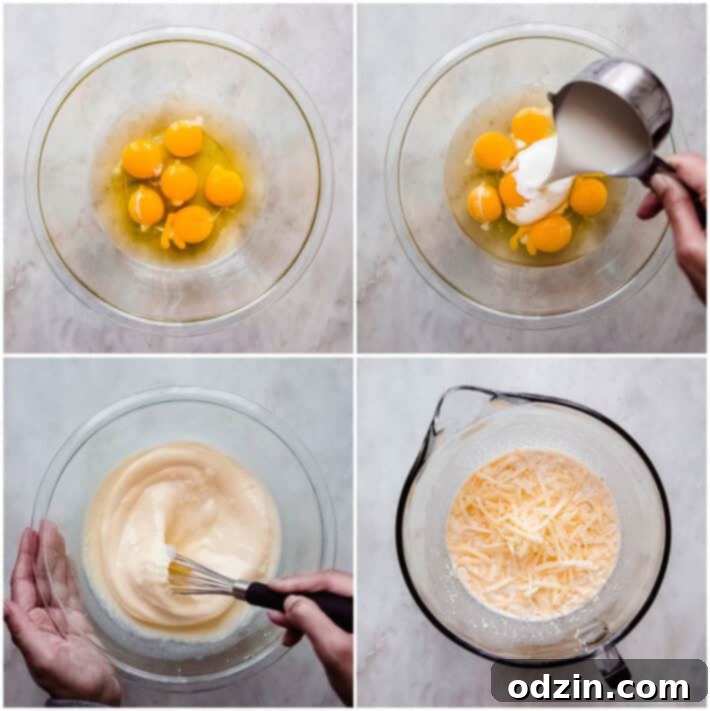
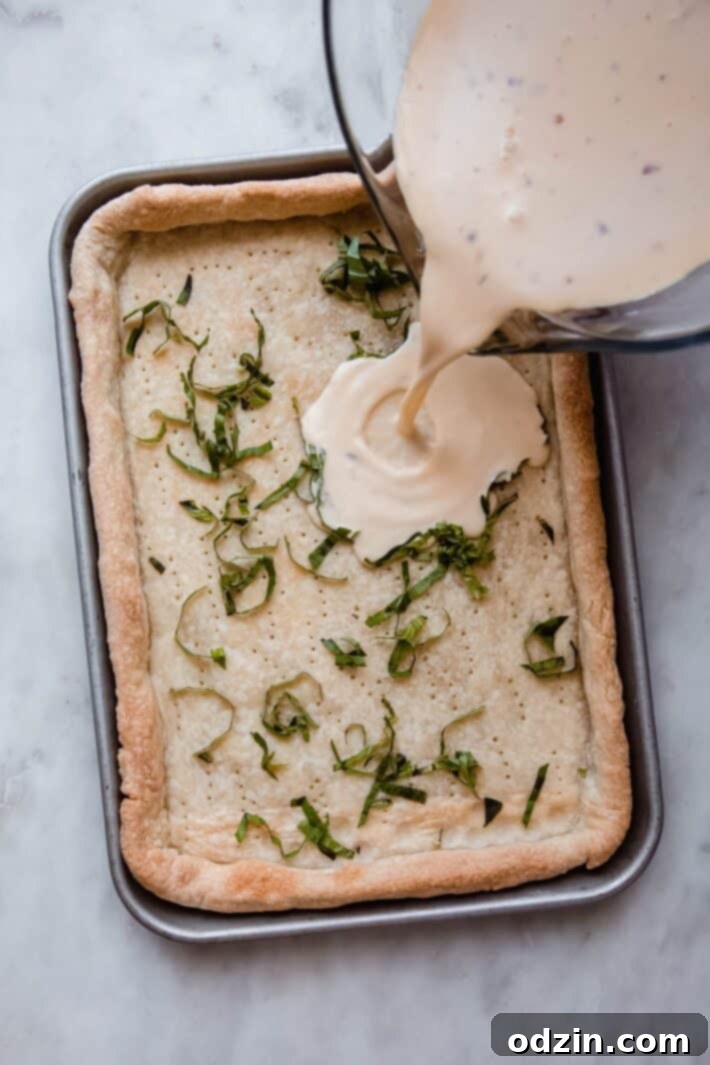
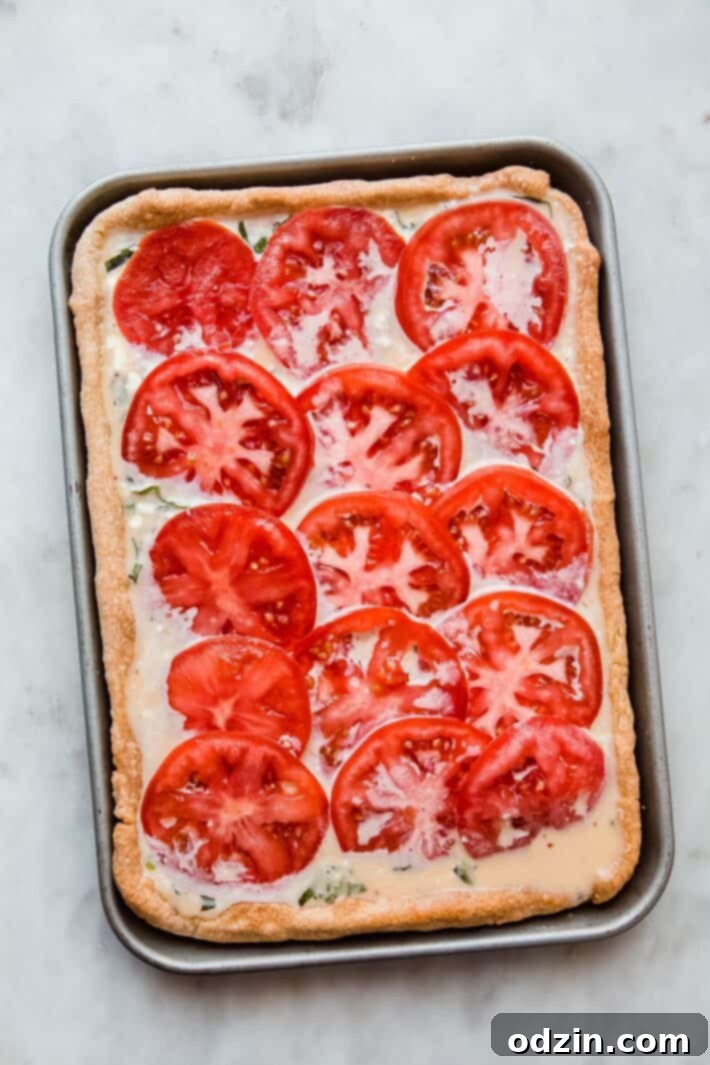
- Assemble and Bake the Filling: While the quiche crust is blind baking, prepare your luscious filling. In a large bowl, whisk together the eggs, heavy cream, kosher salt, red pepper flakes, and garlic powder until well combined and slightly frothy. Then, gently fold in the grated Parmesan, crumbled goat cheese, and shredded Gruyere. Once the crust is done with its blind bake, remove it from the oven. Scatter half of the fresh, chopped basil evenly over the bottom of the par-baked crust. Carefully pour the prepared egg and cheese filling over the basil. Now, arrange your thinly sliced tomatoes (remembering that sharp knife for even slices!) artfully over the filling. Any pattern you choose will look beautiful. Finally, sprinkle the remaining fresh basil on top. Return the quiche to the oven and bake for approximately 23-28 minutes, or until the top is golden brown and the center is *just* set with a slight wobble. Overbaking can lead to a rubbery texture, so keep an eye on it. For neat, clean slices, allow the quiche to cool on a wire rack for at least 30 minutes before cutting and serving. This resting period allows the custard to fully set.
Why Choose a Sheet Pan Quiche? Benefits and Versatility
Opting for a sheet pan quiche offers several distinct advantages over traditional round quiches, especially when entertaining:
- Effortless Serving: A sheet pan quiche is incredibly easy to cut into uniform squares or rectangles, making it ideal for serving a crowd. No more struggling with awkward wedges or trying to get the first slice out of a deep pie plate.
- Maximizing Yield: You can produce a larger quantity of quiche in one go, perfect for big brunches, potlucks, or meal prepping for the week.
- Perfect for Finger Foods: Cut into smaller squares, it transforms into an elegant finger food for parties like bridal or baby showers, eliminating the need for individual mini quiches or tarts.
- Even Baking: The shallow depth of a sheet pan often allows for more even cooking of the custard and a consistently golden crust across the entire surface.
- Visual Appeal: A beautifully arranged sheet pan quiche, with its uniform shape and vibrant toppings, makes for a stunning presentation on any buffet table.
Tips for the Perfect Sheet Pan Quiche Every Time
To ensure your sheet pan tomato quiche turns out perfectly flaky, creamy, and delicious, keep these expert tips in mind:
- Keep Ingredients Cold for the Crust: Extremely cold butter and ice water are non-negotiable for a truly flaky pastry. This prevents the butter from melting too quickly and creates pockets of steam that result in a light, airy crust.
- Don’t Overmix the Dough: Overworking the dough in the food processor will develop gluten, leading to a tough, chewy crust instead of a tender, flaky one. Pulse just until the dough *barely* comes together.
- Thoroughly Blind Bake the Crust: Blind baking is crucial to prevent a soggy bottom. Make sure to prick the dough all over with a fork and use pie weights to keep the crust from shrinking or puffing up. Bake until lightly golden before adding the filling.
- Slice Tomatoes Thinly: As mentioned, thin tomato slices are key. They cook more evenly and release less moisture, which is vital for maintaining the integrity of the custard and preventing a watery quiche.
- Don’t Overbake the Filling: Quiche is best when the custard is just set. It should still have a slight jiggle in the center when removed from the oven, as it will continue to cook slightly from residual heat. Overbaking can result in a rubbery texture.
- Allow Ample Cooling Time: Resist the urge to slice immediately! Letting the quiche cool for at least 30 minutes (or even longer) allows the custard to fully set, ensuring clean, beautiful slices.
FAQs About Sheet Pan Quiche:
- Can I use a store-bought pie crust instead of making my own? Absolutely! While homemade is always recommended for the best flavor and texture, a store-bought option can save time. I suggest looking for a block or puck of prepared pie dough rather than the pre-rolled sheets. This way, you can roll it out to the precise 12×16-inch rectangle needed for a quarter sheet pan and control the thickness, ensuring it fits perfectly.
- Can I substitute goat cheese; I’m not a fan? Certainly! If goat cheese isn’t to your liking, crumbled feta cheese is an excellent alternative, offering a similar tangy and salty profile. However, be aware that feta is typically saltier than goat cheese. If you make this swap, I recommend reducing or even eliminating the amount of salt you add to the custard, tasting as you go, to avoid an overly salty quiche.
- What can I use in place of fresh basil? While fresh basil adds a unique aromatic quality, you have several delicious options for substitution. Chopped chives offer a mild oniony freshness, fresh parsley provides a bright, herbaceous note, and a few sprigs of fresh thyme can introduce an earthy, savory depth. For a more complex flavor, feel free to use a combination of these herbs!
- Can I make this quiche ahead of time? Yes! This sheet pan quiche is fantastic for make-ahead purposes. You can bake the entire quiche, let it cool completely, then cover it tightly and refrigerate for up to 2-3 days. Reheat gently in a 300°F (150°C) oven until warmed through. Alternatively, you can prepare the crust and blind bake it a day in advance, storing it at room temperature, then fill and bake on the day you plan to serve.
- Can I freeze leftover quiche? Yes, quiche freezes wonderfully! Once baked and completely cooled, cut the quiche into individual serving portions. Wrap each portion tightly in plastic wrap, then again in aluminum foil, and place in a freezer-safe bag or container. It can be frozen for up to 3 months. To reheat, unwrap and bake directly from frozen at 350°F (175°C) for 25-35 minutes, or until heated through.
Other Brunchy Recipes You Might Enjoy:
If you loved this sheet pan quiche, you’re likely a fan of delicious brunch fare. Here are some other fantastic recipes to round out your breakfast and brunch repertoire:
- Eggs in Purgatory (Italian Shakshuka)
- Baked Breakfast Croissant Boats
- Blueberry Cheesecake French Toast Casserole
- Easy Skillet Breakfast Potatoes
- Warm Lemon Zucchini Muffins
- One Bowl Chocolate Chip Bundt Cake
- Outrageous Blueberry Muffins
- Easy Blender Crepes
Brunchy Sheet Pan Tomato Quiche with Basil
15 minutes
50 minutes
1 hour
2 hours 5 minutes
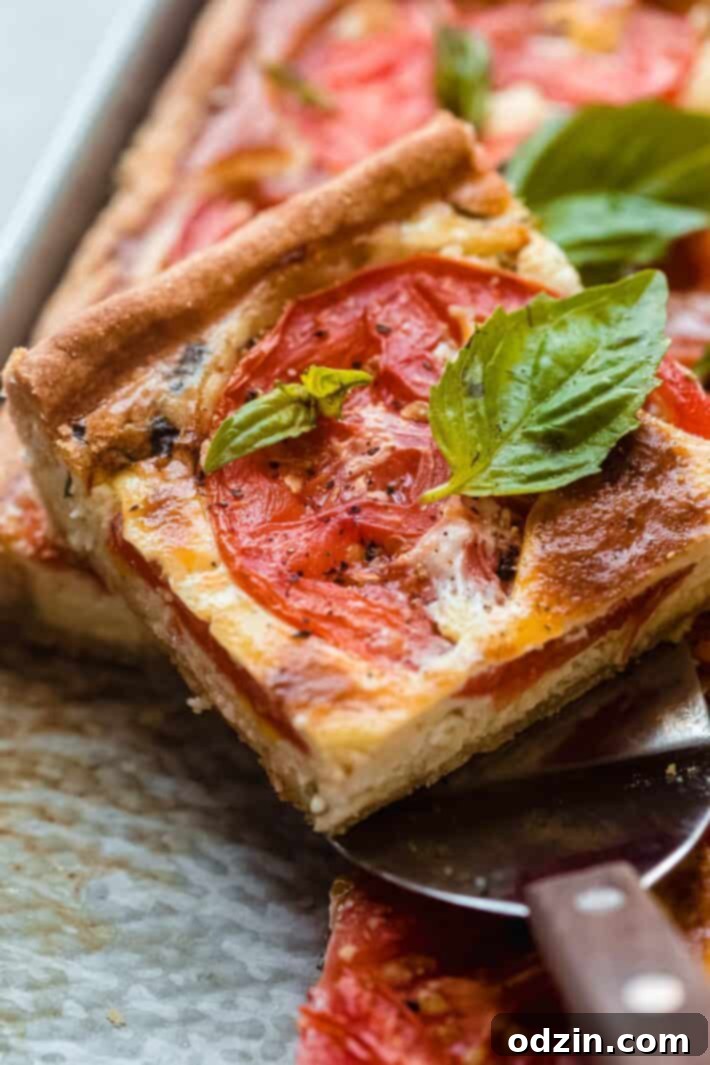
This Sheet Pan Tomato Quiche with Basil is a show-stopping dish perfect for brunch, parties, or any festive gathering! Featuring an easy homemade crust prepared in a food processor, it’s generously filled with a creamy, cheesy egg custard, vibrant ripe tomatoes, and aromatic fresh basil. Its large format makes it ideal for bridal or baby showers, Mother’s Day, and Easter celebrations.
Ingredients
Quiche Crust:
- 12 tablespoons cold salted butter, cut into small cubes
- 1 ¾ cups all-purpose flour (spoon and level method)
- ¼ teaspoon white vinegar
- 3 ½ -5 tablespoons ice water (see notes)
Quiche Filling:
- 6 large eggs
- ½ cup heavy cream
- ¾ teaspoon kosher salt
- ¼ – ½ teaspoon red pepper flakes (to taste)
- ½ teaspoon garlic powder
- ⅓ cup grated parmesan cheese
- 1 (4-ounce) box crumbled goat cheese
- 1 cup shredded gruyere (heaping)
- ⅓ cup fresh basil, chopped
- 2-3 large heirloom/beefsteak tomatoes, sliced into ⅛-inch slices
Instructions
- DOUGH: Add the flour and cubed cold butter to the bowl of a food processor fitted with the blade attachment. Pulse the machine until the flour and butter are combined and resemble coarse crumbs, with some pea-sized pieces of butter remaining (it should be crumbly, like rolled oats consistency.) With the machine running, drizzle in the white vinegar through the opening. Start with 3 tablespoons of ice water. If the dough is still too dry and shaggy, add a smidge more (~½ tablespoon at a time) until it *just* comes together and forms a ball. Do not overmix. Flatten the dough onto plastic wrap into a disc, wrap tightly, and refrigerate for at least 2-3 hours. Alternatively, you can pop it into the freezer for roughly 18-25 minutes to firm up more quickly.
- CRUST PREP: Lightly spray a 9×13-inch (quarter sheet) pan with cooking spray and line it with parchment paper, leaving an overhang on the sides for easy lifting. Flour your work surface generously, remove the chilled crust from the fridge/freezer, and unwrap it. Lightly coat a rolling pin with flour and gently dust the top of the crust with flour. Roll out the dough gradually and evenly into a rectangle, approximately 12×16 inches. Dust the crust and counter as needed to prevent sticking as you roll. Carefully transfer the rolled dough to the prepared quarter sheet pan, allowing it to fit into the corners without stretching. Gently fold or crimp the overhang as desired for a rustic edge. Pop the sheet pan (covered with plastic wrap) back into the freezer until the dough is very firm again, roughly 20 minutes, or refrigerate for at least 1.5 hours. This step is crucial for preventing shrinkage during baking.
- BLIND BAKE CRUST: Position an oven rack in the center and preheat the oven to 400ºF (200°C). When the crust has firmed up, remove it from the freezer. Use a fork to prick holes all over the bottom and sides of the crust (this is called docking and prevents bubbles). Spray a sheet of aluminum foil (large enough to fit inside the pie crust) with cooking spray on one side and place it spray-side down onto the dough. Fill with pie weights or dried beans. Blind bake the crust for 20 minutes. Using oven mitts, carefully remove the weights with the foil. Continue baking the crust for 5 more minutes, until it’s lightly golden. Remove from the oven and set aside while you prepare the filling.
- FILLING AND FINAL BAKE: While the crust bakes, combine the eggs, heavy cream, kosher salt, red pepper flakes, and garlic powder in a large bowl. Whisk until well combined and slightly frothy. Gently fold in all the grated Parmesan, crumbled goat cheese, and shredded Gruyere. Once the crust is out of the oven, scatter half of the fresh, chopped basil evenly over the bottom of the par-baked crust. Pour in the prepared egg and cheese filling. Arrange the thinly sliced tomatoes as desired over the filling, ensuring an even distribution. Sprinkle with the remaining fresh basil on top. Bake the quiche for about 23-28 minutes, or until the top is golden brown and the center is *just* set with a slight jiggle. Remove from the oven. For clean, neat slices, let the quiche cool on a wire rack for at least 30 minutes before slicing and serving. This allows the custard to fully set.
Notes
- CRUST: “Ice water” simply refers to a glass of water with ice in it. Let it sit for a few minutes to ensure it’s very cold, then use a measuring tablespoon to carefully add water to the food processor as it runs. The exact amount of water needed for the dough can vary depending on your climate and humidity levels. For example, in humid environments like Houston, I rarely need more than 3 ½ tablespoons of water! Start with less and add slowly until the dough just comes together.
Recommended Products
- Tomato Slicing Knife
- Measuring Cup Set
- Stackable Bowl Set
- Quarter Pans
- Ceramic Pie Weights
- 14-Cup Food Processor
Have you made this recipe?
If you enjoyed this recipe, please consider leaving a ⭐️⭐️⭐️⭐️⭐️ rating and a comment below. You can also share a picture on Instagram with the hashtag #LITTLESPICEJAR, I’d love to see what you made!
This Sheet Pan Tomato Quiche with Basil is more than just a recipe; it’s an invitation to create unforgettable brunch moments with ease and elegance. With its perfect blend of a flaky, buttery crust, rich and creamy cheese custard, and the fresh burst of tomatoes and basil, it’s a dish that truly stands out. Whether you’re a seasoned home cook or new to baking, the detailed instructions and helpful tips ensure success. Go ahead, whip up this beautiful quiche for your next gathering, and watch as it becomes the star of your table. Happy cooking, and even happier eating!