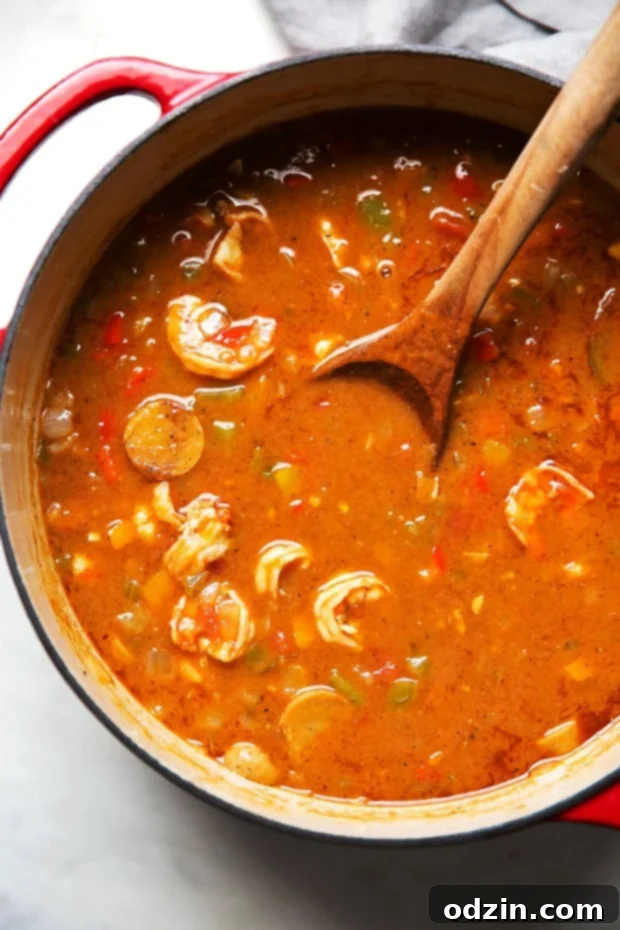
Authentic New Orleans Gumbo with Shrimp and Sausage: A Hearty, Homemade Recipe
Prepare yourself for a culinary journey with my take on a truly hearty New Orleans Gumbo, featuring succulent shrimp and flavorful sausage! This recipe guides you through creating a rich, from-scratch roux, ensuring an unparalleled depth of flavor that defines authentic gumbo. It’s the perfect weekend cooking project, designed to be savored not just once, but throughout the week, as its complex flavors only improve with time.
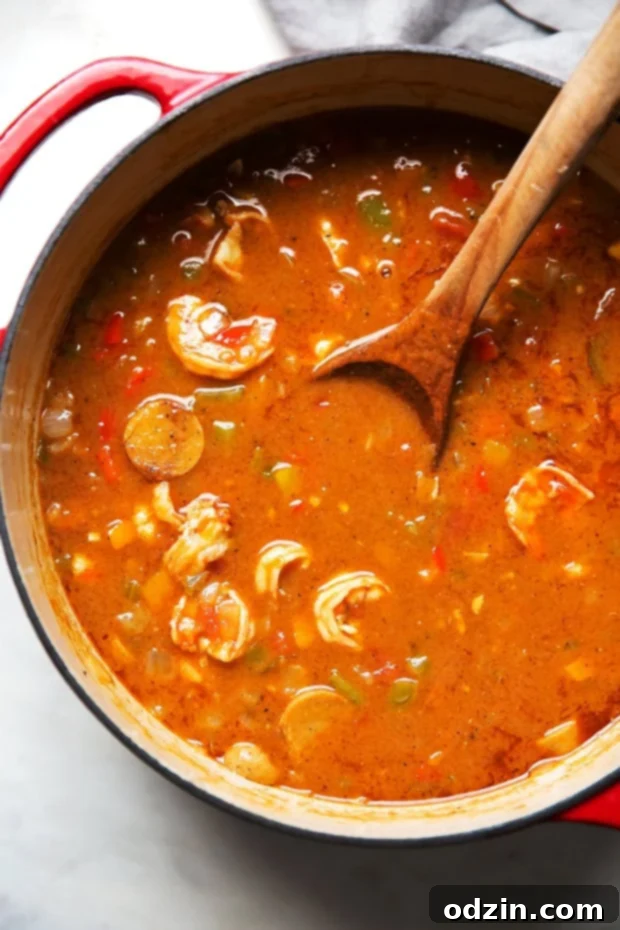
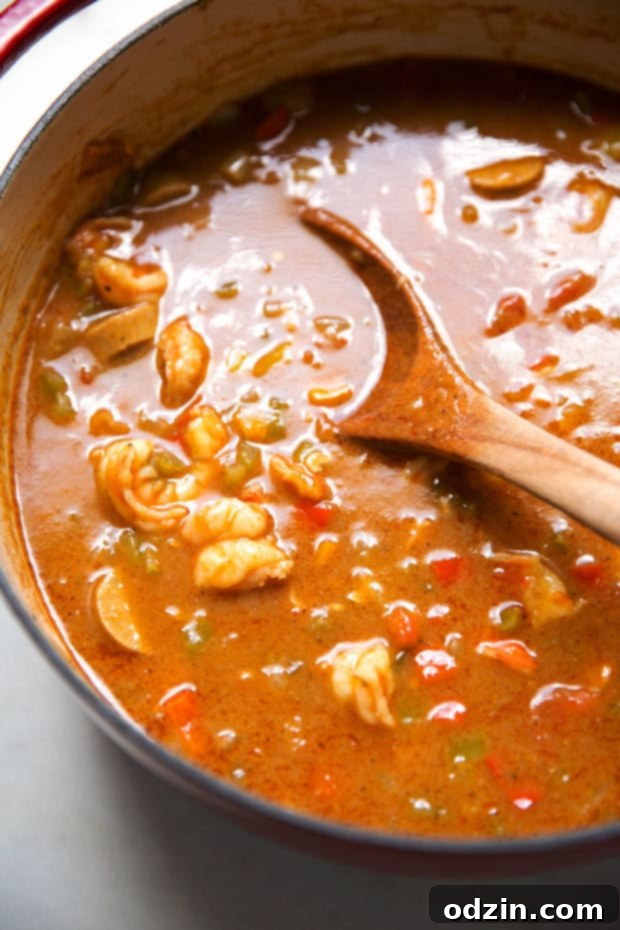
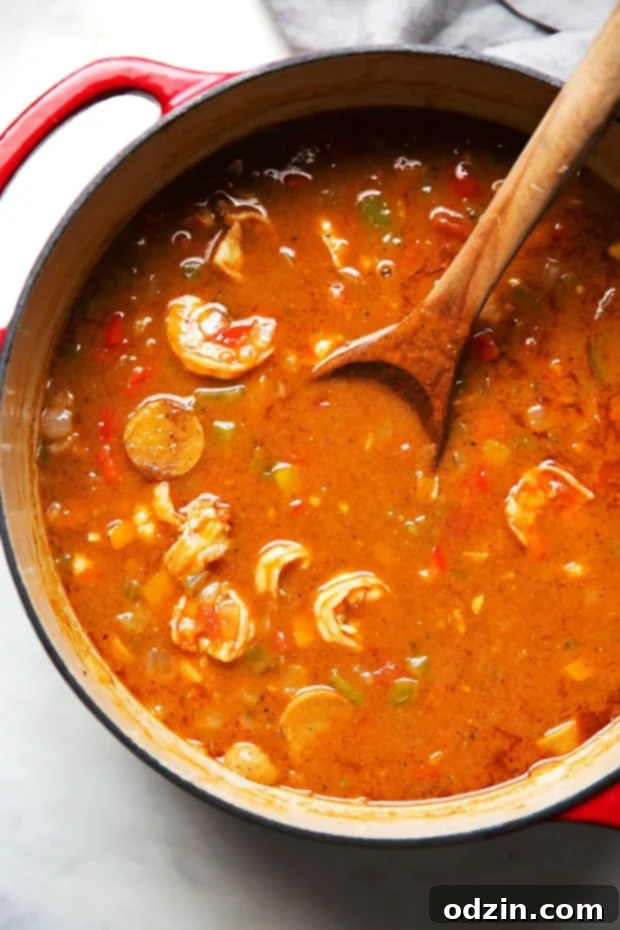
Imagine a generous, steaming hot pot of authentic New Orleans-style Gumbo filling your kitchen with an aroma that promises comfort and satisfaction. This isn’t just a meal; it’s an experience, a true highlight of the week! My recipe combines tender shrimp, savory sausage, and for those who desire an even richer flavor, a touch of chicken. This is precisely the kind of soulful cooking I love to dedicate my Sundays to. It’s robust, incredibly comforting, and yields delicious leftovers that transform into quick, satisfying lunches throughout the bustling week.
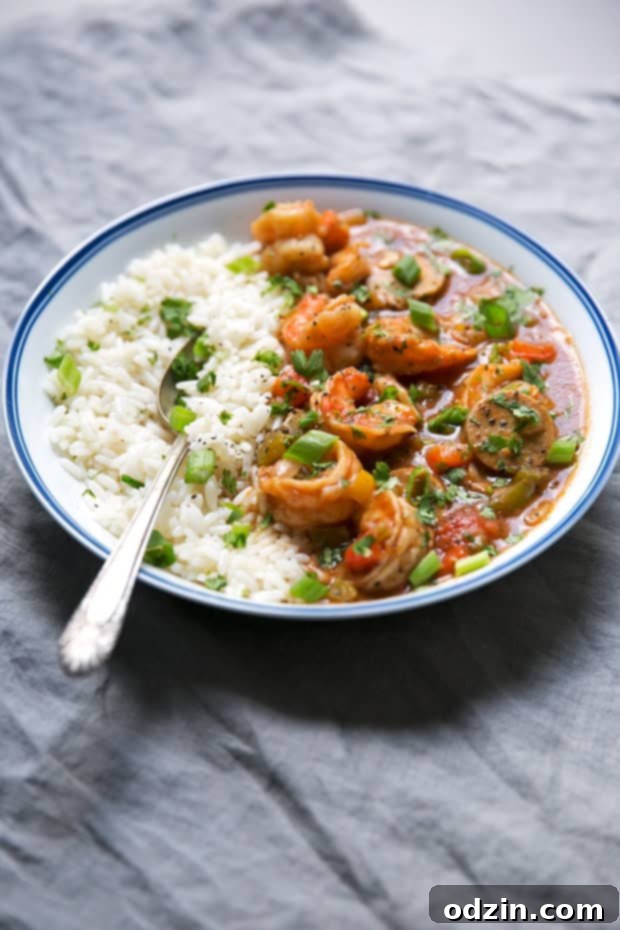
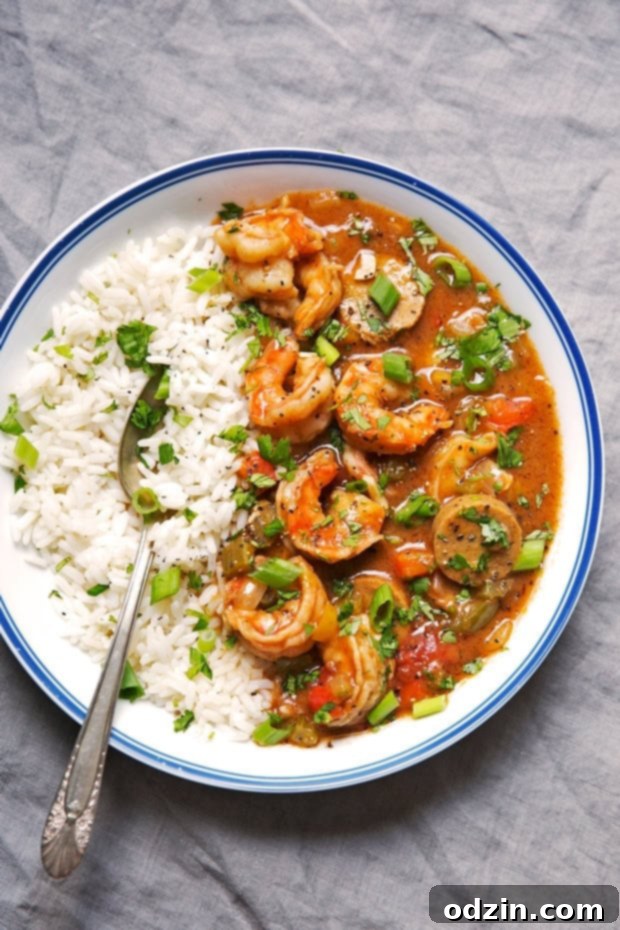
Picture this: a warm bowl of fluffy rice, generously topped with a slow-simmered, rich stew. This culinary masterpiece is built upon a tomato-infused base, brimming with aromatic vegetables like onions, bell peppers, and celery – collectively known as the “holy trinity” in Cajun and Creole cuisine. Each spoonful delivers a delightful blend of spicy warmth and hearty texture, all crafted from scratch with care and attention to detail. It’s more than just good; it’s truly amazing. For those of us who live for flavorful, homemade food, this gumbo is a dream come true.
This recipe is dedicated to all the food enthusiasts who appreciate the art of good cooking and don’t shy away from investing a little extra time for extraordinary results. There’s nothing quite like curling up on the couch with a bowl of this comforting gumbo. Whether you’re in a warm climate like Texas, enjoying the full blast of the air conditioner while you pretend the temperature isn’t soaring, or experiencing a cool, crisp day, this gumbo promises to warm you to your very bones.
I want to be upfront: this is a comprehensive guide. If you’re already a seasoned gumbo maker and simply need the recipe, feel free to scroll directly to the bottom. However, if you’re keen to master the art of gumbo, particularly the crucial roux, I invite you to read on. I’m sharing all the valuable insights and lessons I’ve gathered on my own journey, transforming from a gumbo novice into someone confident enough to guide you through this rewarding process.
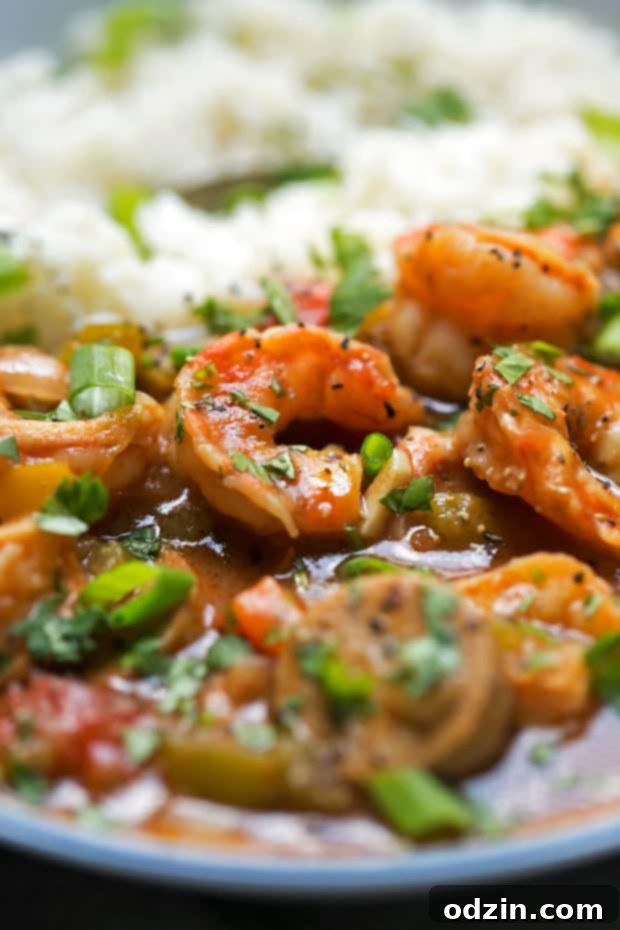
During the extensive recipe testing phase for this gumbo, I immersed myself in countless resources. I read almost every article and cookbook I could find on the topic, and watched numerous videos, all to ensure I truly understood the nuances of creating a proper roux. While I don’t claim to be an absolute expert in gumbo making, nor do I insist that my recipe is the sole authentic ‘Creole’ or ‘Cajun’ version, I can confidently say I’ve gathered invaluable tips and techniques along the way. These insights are designed to help you elevate your homemade gumbo to a truly delicious and satisfying level.
Essential Tips for Crafting the Best Gumbo
Making a truly exceptional gumbo, especially one with a homemade roux, involves a few key considerations. Here are my top tips to ensure your efforts result in a wonderfully flavorful and perfectly textured dish:
- The Cookware: The roux, the very foundation of this gumbo, demands special attention and care. For this reason, I strongly recommend using a heavy-bottomed pot, such as a Dutch oven or a substantial cast iron pot. Thin-bottomed cookware, like typical stockpots, is not ideal because they heat up too quickly and unevenly, significantly increasing the risk of burning your roux. A burnt roux is unfortunately unsalvageable and will ruin the entire dish, necessitating a fresh start. If a Dutch oven isn’t available, you could prepare the roux in a cast iron skillet and then carefully transfer it to a larger stockpot to continue with the rest of the gumbo preparation.
- The Mise En Place (Preparation is Key): This French culinary term simply means “everything in its place.” In the context of gumbo, it’s a non-negotiable step. Trying to chop vegetables or measure ingredients while simultaneously browning a roux is a recipe for disaster. I cannot stress enough the importance of having all your ingredients prepped – chopped, measured, and ready to go – before you even think about starting the roux. Trust me on this; meticulous preparation will not only make the cooking process smoother and more enjoyable but will also prevent burning the roux and save you a lot of stress in the kitchen.
Mastering the Perfect Roux for Your Homemade Gumbo
What is Roux? The Soul of Gumbo
At its core, a roux is the absolute heart and soul of nearly every traditional gumbo recipe. Without a well-made roux, you simply don’t have gumbo. It’s a surprisingly simple combination of equal parts fat (oil in this case) and flour, slowly cooked and browned to develop a deep, rich flavor and color that is characteristic of the best gumbos. This browning process is what distinguishes a gumbo roux from lighter versions used in sauces, imparting that signature nutty, robust essence.
To create this essential foundation, you’ll need just a couple of key ingredients and a good dose of patience:
- A high smoke point oil. Opt for oils such as corn, avocado, canola, or vegetable oil. It’s crucial to avoid oils with lower smoke points, like olive oil or coconut oil, as they will burn long before the flour reaches the desired color and flavor. You need an oil that can withstand sustained heat and the longer cooking time required for a proper dark roux.
- All-purpose flour. My recipe has been rigorously tested exclusively with all-purpose flour. Unfortunately, I cannot vouch for the success of other flour types in achieving the same results for this particular gumbo roux.
- Continuous Stirring: I know, this sounds like a demanding request, but it’s truly vital! Yes, preparing this roux requires a dedicated 15-22 minutes of constant stirring and unwavering attention. This is not the time for multitasking. Think of it as a meditation, a labor of love that will profoundly impact your final gumbo. I promise you, when you taste the incredible depth of flavor that comes from a perfectly babied roux, you’ll thank yourself for listening and preventing a burnt, acrid mess from caking onto the bottom of your pot. Your future self (and taste buds) will love you for it!
Understanding the Stages of Roux Development
Having emphasized the critical importance of constant stirring and avoiding distractions while making your roux, let’s now delve into what you can expect as your roux develops. The timing for each stage might vary by a minute or two depending on your stovetop and pot, but this serves as a reliable guideline to keep you on the right track. Should your roux seem to be browning too quickly or too slowly at any point, simply adjust the heat slightly to bring it back to the ideal pace.
- The Blond Roux: This is the lightest and most basic form of roux, typically cooked for a very short period. It’s what you would use for a classic béchamel sauce or for dishes like my shrimp enchiladas with poblano cream sauce. The flour is browned for just about 30 seconds to 1 minute, resulting in a pale, almost white color. While important in other cuisines, we’re aiming for much deeper flavors here.
- 5-Minute Roux: At this stage, your roux will begin to deepen in color, resembling tahini paste or a light peanut butter. It will be noticeably darker than a blond roux, and you might start to detect a subtle nutty aroma. This is a good intermediate step, but for gumbo, we need to keep pushing. It’s important to remember that as the roux cooks and darkens, it gradually loses some of its thickening power. This means a darker roux will contribute more flavor than thickening ability to your gumbo.
- 10-Minute Roux: The color will now be akin to almond butter – richer than the 5-minute stage but still lighter than darker peanut butter. You’ll notice a distinct, pleasant aroma emerging, often described as similar to popcorn or browned butter. This nutty scent signifies that the flavors are truly developing. Keep stirring consistently to ensure even browning.
- 15-22 Minute Roux: This is often referred to as a “peanut butter roux” or a “milk chocolate roux.” It achieves a beautiful, medium-brown tone, deeply nutty and aromatic. For this particular gumbo, I usually stop my roux at around 21 minutes. This stage provides an excellent balance: it still offers a slight thickening effect for the gumbo while delivering a pronounced, deep flavor without becoming overly intense or bitter. If you are new to gumbo making or prefer a less assertive roux flavor, this 15-22 minute mark is highly recommended. It results in a well-rounded and universally appealing gumbo.
- 25+ Minute Roux (Darker Roux): Pushing the roux further, past the peanut butter color, leads to what’s often called a “dark brown roux” or even a “chocolate roux.” If you continue to about 32-40 minutes, you’ll achieve a “black roux,” which is nearly the color of dark chocolate. Be aware that these darker stages dramatically transform the overall taste of the dish, imparting a more intense, sometimes slightly bitter, and very distinct flavor profile. Crucially, a very dark or black roux provides minimal thickening power, resulting in a thinner, soup-like consistency. While revered by some gumbo connoisseurs, a black roux is an acquired taste and isn’t for everyone. I suggest experimenting with it only after you’ve mastered the medium-dark roux.
Key Ingredients for a Flavorful Gumbo
Building a rich and aromatic gumbo relies on a thoughtful selection of fresh, high-quality ingredients. Beyond the fundamental roux, here are the essential components that bring this New Orleans classic to life:
- Oil: As discussed, a high smoke point oil is one of the two foundational ingredients absolutely necessary for preparing the roux. It serves as the fat component that, when combined with flour, creates the thickening and flavor base for the entire gumbo.
- All-Purpose Flour: The other indispensable component for the roux. Slowly cooking the flour in oil is the critical first step in developing the deep flavor and texture of your gumbo.
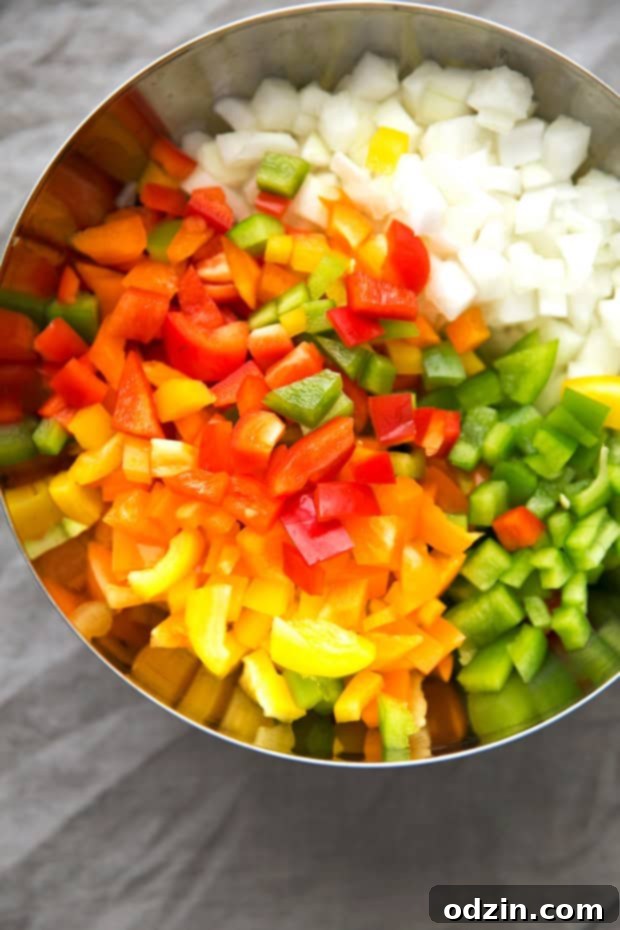
- The Holy Trinity: This aromatic trio is the backbone of many Cajun and Creole dishes, including gumbo. It consists of finely diced yellow onions, crisp celery, and vibrant bell peppers. While I often use a colorful mix of red, green, yellow, and orange bell peppers for visual appeal and a slightly sweeter flavor profile, traditional green bell peppers work perfectly and are often preferred for their classic taste.
- Garlic: A beloved staple in Southern cooking, garlic adds an indispensable layer of pungent aroma and savory depth. I typically use about six cloves to achieve that perfectly balanced, robust flavor, but feel free to adjust to your personal preference.
- Bay Leaves: These unassuming leaves are essential for infusing a subtle, herbaceous, and slightly floral note into the long-simmered broth. Remember to remove them before serving.
- Sausage: Andouille sausage is the traditional choice for gumbo, known for its smoky, spicy, and robust flavor that perfectly complements the rich stew. I recommend sourcing high-quality, authentic Andouille if possible. For vegetarian or vegan options, plant-based sausages (like Tofurky as mentioned in the recipe) can be a suitable substitute, just ensure they are browned separately for best texture.
- Seasonings: The spice blend is crucial for authentic gumbo flavor. You’ll need a good quality Cajun or Creole seasoning blend, along with Louisiana hot sauce (like Tabasco) for a tangy kick, and a pinch of cayenne pepper to adjust the heat level to your liking. Don’t be shy with the seasonings; they are what truly make the gumbo sing.
- Tomatoes: My recipe incorporates stewed tomatoes, which add a lovely tang and depth to the gumbo’s flavor profile. While some traditionalists debate the inclusion of tomatoes in gumbo (often a distinction between Creole tomato-based gumbos and Cajun gumbos without), I find they enhance the overall taste beautifully in this rendition. Diced tomatoes can be used if stewed tomatoes are hard to find.
- Chicken Broth: You’ll need a generous quart of chicken broth or stock. Homemade chicken stock is always ideal as it allows for complete control over sodium levels and flavor intensity. However, a good quality store-bought carton of low-sodium chicken broth works perfectly well, or you can dissolve a few bouillon cubes in water for a convenient alternative.
- Shrimp: I particularly enjoy the addition of plump, raw shrimp in my homemade gumbo for its delicate sweetness and quick cooking time. For those looking to explore other seafood varieties, oysters and crab legs are also popular additions, especially in seafood-focused gumbos.
- Filé Powder: Also known as gumbo filé, this unique ingredient is made from dried and ground sassafras leaves. It serves a dual purpose in gumbo: it acts as a traditional thickener (though the roux does most of the heavy lifting here) and imparts a distinctive earthy, slightly citrusy, and herbaceous flavor that is quintessential to authentic gumbo. It’s typically added at the very end of cooking.
- Ingredients for Serving: To complete the experience, I love to serve gumbo with a sprinkle of fresh, chopped scallions for a bright, oniony garnish, and a generous scoop of fluffy white rice. Quinoa is also a great alternative. Gumbo is wonderfully versatile and can also be enjoyed on its own as a hearty, warming soup.
If you’re still reading, bravo! I was momentarily concerned I might have intimidated you with the details of the roux. Honestly, while it demands attention, making gumbo isn’t inherently difficult. The roux-making process is the most intensive part, but once you’ve made it once or twice, you’ll develop an instinct for the perfect timing and color. From that point forward, preparing gumbo will become a truly enjoyable and much more straightforward endeavor – perhaps even something you’ll whip up midweek!
Allow me to clarify a couple more points regarding this recipe. Firstly, I use stewed tomatoes for their rich flavor and texture. If stewed tomatoes are not readily available, diced tomatoes make an excellent substitute. And regarding the age-old debate: yes, some purists believe tomatoes have no place in a traditional gumbo. However, I personally adore the tangy depth and complexity they bring to this dish! Authentic or not, its delicious contribution is undeniable. Secondly, you’ll notice I’ve opted not to include okra in this particular recipe. This is purely a matter of personal preference; as a “texture girl,” I find its characteristic sliminess just doesn’t quite resonate with me. If you are a fan of okra, however, please see the notes in the recipe card for instructions on how to incorporate it!
Just last Friday, a large pot of this very gumbo was slow-simmering in my kitchen all morning long, filling the air with its intoxicating fragrance. For lunch, my husband and I enjoyed a meal fit for royalty. Each comforting bowl transported me back to the delightful, albeit brief, time we spent exploring the French Quarter a couple of years ago. I didn’t even need to call anyone to the table when lunch was ready; the irresistible aroma of a slow-cooked, homemade stew has a magical way of bringing everyone together. This gumbo isn’t just food; it’s a connection to culture, comfort, and cherished memories.
Shop the post:
[show_shopthepost_widget id=”3114030″]
New Orleans Gumbo with Shrimp and Sausage
20 minutes
1 hour 10 minutes
1 hour 30 minutes
This hearty New Orleans Gumbo recipe, featuring shrimp and sausage, is designed to be deeply flavorful with a rich, from-scratch roux. Perfect for a weekend cook, its flavors intensify beautifully over time, making leftovers even better! I highly recommend reading the comprehensive guide above once before starting, as it provides crucial tips for achieving the perfect roux color and making the entire process much smoother.
Ingredients
For the Roux:
- ½ cup high heat oil, such as canola, corn, or vegetable
- ½ cup all purpose flour
For the Gumbo:
- 1 medium onion, diced
- 2 bell peppers (I used ½ of each red, green, yellow, orange – see note), diced
- 3 stalks celery, diced
- 6 cloves garlic, minced
- 3 bay leaves
- 8 ounces andouille sausage, sliced (I used Tofurky for a plant-based option)
- 2 tablespoons EACH: Cajun seasoning AND Louisiana hot sauce (more or less to taste)
- 1 tablespoon cayenne pepper (omit if you prefer a mild gumbo)
- 4 cups low sodium chicken broth (or vegetable broth for a plant-based version)
- 1 (14.5 ounce can) stewed tomatoes (optional, see notes)
- 1 ½ pounds raw shrimp, peeled and deveined (or other seafood of choice)
- 2 teaspoons gumbo filé powder
- sliced scallions + fluffy white rice or quinoa, for serving
Instructions
- ROUX: In a large Dutch oven or heavy-bottomed pot, heat the oil over medium-high heat. Whisk in the flour until thoroughly combined and smooth. Switch to a wooden spoon and stir continuously for 15-22 minutes, or until the roux achieves a deep, rich brown color, resembling just past a dark peanut butter shade. Patience is key here; resist the urge to increase the heat too much. Burning the roux will unfortunately require you to discard it, clean the pot, and start over, as there’s no way to salvage burnt roux.
- SAUTÉ AROMATICS: Once your roux reaches the desired deep brown color, stir in the diced onions, bell peppers, and celery (the “holy trinity”). Continue to cook and stir as needed for about 8-10 minutes, until the vegetables begin to soften. Next, add the minced garlic, sliced andouille sausage (if using a plant-based sausage like Tofurky, brown it separately in a skillet first, then add it later with the shrimp in step 4), and bay leaves. Cook for an additional 1-2 minutes until the garlic becomes fragrant.
- SIMMER: Incorporate the Cajun seasoning, Louisiana hot sauce, and cayenne pepper into the pot, followed by the chicken broth and stewed tomatoes (if using). Bring the mixture to a high simmer, then reduce the heat to medium-low. Cover the pot and allow it to gently simmer for 15-20 minutes, allowing the flavors to meld beautifully.
- ADD PROTEIN & FINISH: Add the shrimp and any pre-browned plant-based sausage to the gumbo. Stir gently and continue to simmer for an additional 10-15 minutes, or until the shrimp turns opaque and the vegetables are tender. Taste the gumbo and adjust seasoning with salt and pepper as desired. Stir in the gumbo filé powder. Before serving, remember to remove the bay leaves.
- TO SERVE: Ladle the warm gumbo over fluffy white rice or quinoa, garnished generously with fresh sliced scallions. Enjoy this comforting and flavorful dish immediately.
Notes
- BELL PEPPERS: While I love the visual appeal and subtle sweetness of using various colored bell peppers (red, green, yellow, orange), feel free to use just green bell peppers for a more traditional and robust flavor.
- TOMATOES: The addition of tomatoes is optional and a matter of personal preference, as some traditional gumbo recipes omit them. I find they add a wonderful tang and depth. If stewed tomatoes are unavailable, a 14.5-ounce can of diced tomatoes can be used. If you choose to omit tomatoes entirely, you might need to add an extra splash of broth to maintain the desired consistency.
- GUMBO FILÉ POWDER: This distinctive ingredient is typically found in the ethnic food aisle of most grocery stores, often near Cajun seasonings. It’s essentially ground leaves from the sassafras tree, adding an earthy flavor and a traditional touch of thickening.
- ADDING OKRA: For those who believe gumbo isn’t complete without okra, I understand! While I personally omit it due to texture preference, you can certainly add it. Slice 4 ounces of fresh or frozen (thawed) okra into small pieces. To prevent sliminess in the gumbo, fry the okra in a tablespoon of oil in a separate skillet for a few minutes until slightly browned, then add it to the gumbo along with the shrimp in step 4.
- STORING & LEFTOVERS: Gumbo is fantastic for meal prep! Store any leftovers in an airtight container in the refrigerator for up to 4-5 days. The flavors truly deepen and meld beautifully overnight, making it even more delicious the next day. Reheat gently on the stovetop or in the microwave.
Have you made this recipe?
If you enjoyed this recipe, please consider leaving a ⭐️⭐️⭐️⭐️⭐️ rating and a comment below. You can also share a picture on Instagram with the hashtag #LITTLESPICEJAR, I’d love to see what you made!