
Homemade Apple Cider: Experience Farm-Fresh Flavor Without an Apple Press
Discover how to craft exquisite homemade apple cider right in your kitchen, no bulky apple press required! My unique recipe delivers that authentic, farm-fresh taste, elevated with aromatic cinnamon sticks and zesty orange peel. Prepare for this to become your new favorite fall tradition!
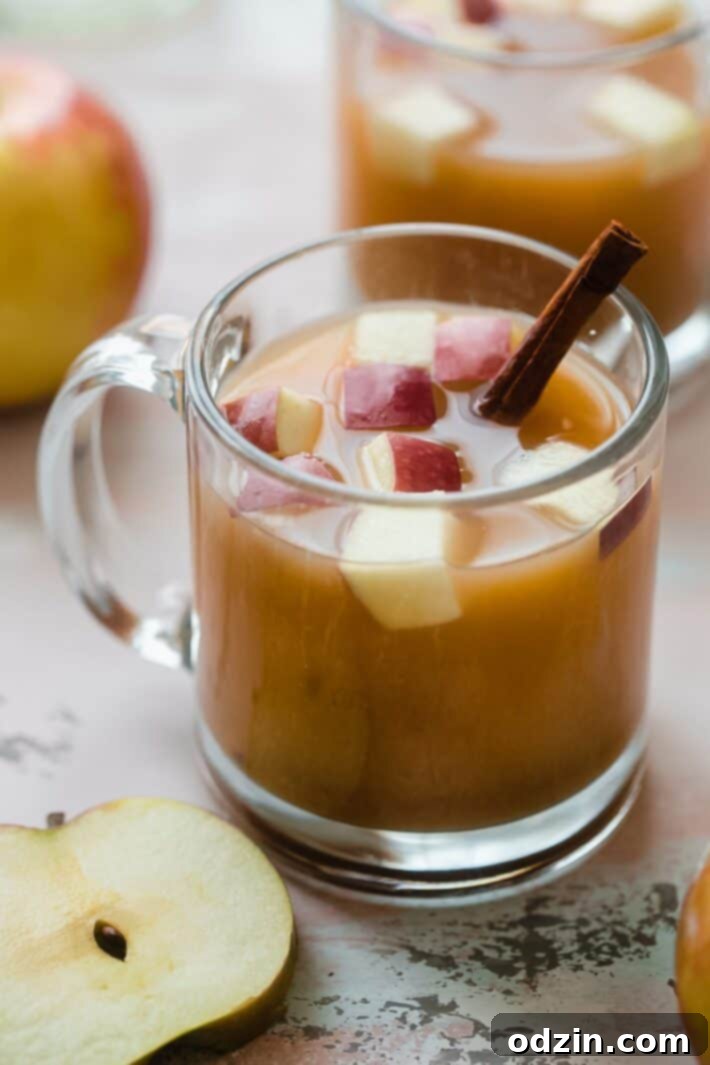
As autumn leaves begin to change and a crisp coolness fills the air, there’s nothing quite as comforting and inviting as a steaming mug of homemade apple cider. The rich aroma of cinnamon and apples wafting through your home is the quintessential scent of fall, promising warmth and coziness with every single sip. This isn’t just any cider; this is a recipe designed to bring the rustic charm and robust flavor of an apple orchard directly to your kitchen, without the need for specialized, expensive equipment like a traditional apple press.
Many people shy away from making apple cider from scratch, assuming it requires complex machinery or an entire day dedicated to the process. However, I’m here to show you that a truly exceptional, farm-fresh tasting cider is entirely achievable with common kitchen tools. My secret lies in leveraging the power of a food processor to efficiently break down the apples, mimicking the initial crushing action of a press, followed by a simple straining method using cheesecloth. This approach allows us to extract maximum flavor and juice, resulting in a homemade apple cider that is both vibrant and deeply satisfying, without compromising on that authentic, unfiltered taste.
Just one taste of this homemade elixir took me straight back to a charming cider farm in Stowe, Vermont, where the cider was simply unparalleled. The distinct balance of tart and sweet, coupled with subtle spice notes, is something I’ve strived to replicate, and I believe this recipe achieves it perfectly. I recently shared this spiced apple cider with friends at a fall gathering, and it was an absolute sensation! My simple trick to enhance the flavor even further was to add an extra cinnamon stick to the carafe once the cider had cooled slightly and was stored in the refrigerator. As it steeped, the flavors melded beautifully, making it even more delicious over time. This homemade apple cider isn’t just a drink; it’s an experience, a memory in a mug, and it’s surprisingly easy to create, becoming a cherished part of your fall traditions.

Essential Ingredients for Your Homemade Apple Cider Recipe
Crafting the perfect batch of homemade apple cider starts with selecting the right ingredients. Each component plays a vital role in achieving that complex, well-balanced, and utterly delightful flavor profile that transports you to an autumn orchard. Here’s a closer look at what you’ll need to make this incredible spiced apple cider:
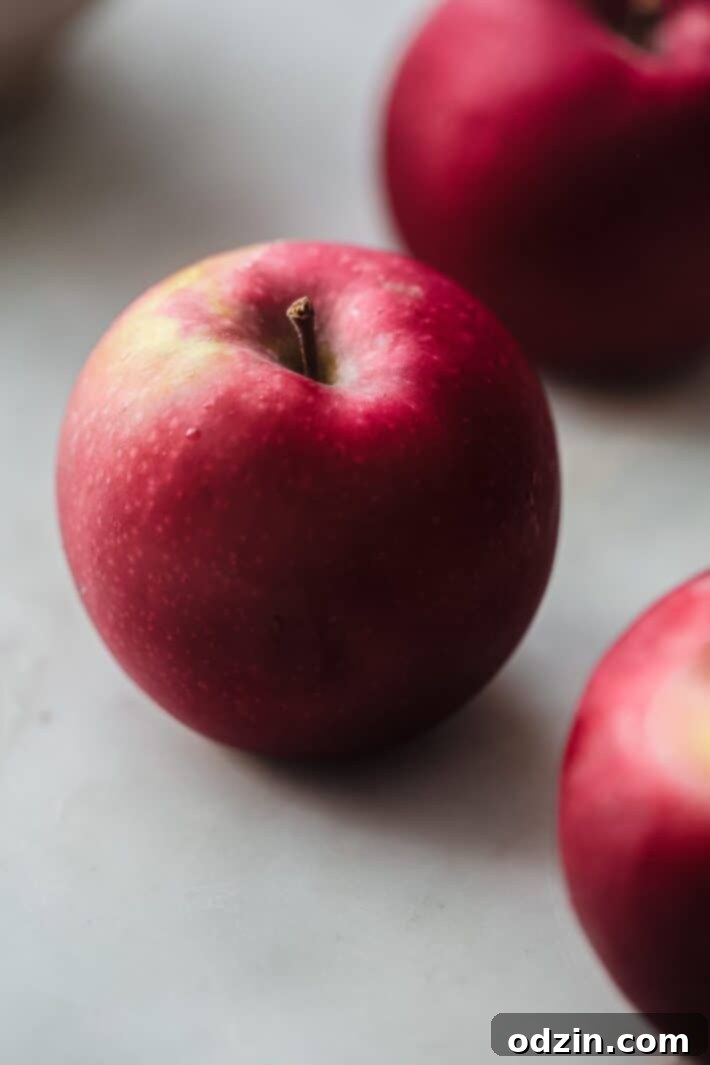
- Apples: The absolute cornerstone of your cider! For the most nuanced and delicious flavor, I strongly recommend using a variety of apples. This allows you to achieve a perfect balance of sweetness, tartness, and aromatic depth. If you have an abundance of fresh apples that you need to use up, making cider is an ideal solution. While almost all apple varieties work well, the best cider often comes from a thoughtful blend. My personal favorite combination, which reminds me of the exceptional McIntosh ciders I enjoyed in Vermont, includes Honeycrisp for its crisp sweetness, Granny Smith for a bright tartness, and McIntosh for its aromatic, traditional “apple” flavor. Other excellent choices that contribute wonderfully to homemade cider include Pink Lady, Fuji, Gala, Red Delicious, and Jersey Mac. Don’t be afraid to experiment with what’s available and what you love – the beauty of homemade is making it uniquely your own! When choosing apples, always look for firm, ripe fruit without significant blemishes, as these can affect the taste.
- Spices: These warm, inviting spices are what transform simple apple juice into enchanting homemade apple cider. You’ll primarily need whole cloves for a deep, pungent warmth, the bright and fragrant peel of one orange for a citrusy lift, and several whole cinnamon sticks for their classic sweet and woody aroma. While my Vermont-inspired cider leans on a subtle cinnamon hint, you can certainly customize the spice blend to your liking! Some cider enthusiasts enjoy adding a few slivers of fresh ginger for a zesty kick, a pinch of allspice berries for a complex, peppery note, or a touch of freshly grated nutmeg for earthy warmth. Using whole spices is crucial, as they infuse the cider gently without leaving a gritty texture, ensuring a smooth and clear finished product.
- Sweetness: The level of sweetness in your homemade cider is entirely a matter of personal preference and can also depend significantly on the natural sweetness of your chosen apple varieties. Brown sugar lends a rich, caramel-like depth that complements the apple and spice flavors beautifully, evoking classic fall desserts. Alternatively, pure maple syrup offers a more natural, earthy sweetness with its own distinct autumnal character, often preferred for a less refined taste. There’s no right or wrong choice here; use what you prefer and adjust the quantity to taste. You might find that very sweet apples (like Honeycrisp) require less added sugar, while tarter varieties (like Granny Smith) benefit from a bit more to achieve a harmonious balance.
- Water: This ingredient might seem counterintuitive for a flavorful cider, but it plays a crucial role in achieving the perfect balance. Adding a measured amount of water helps to dilute the intense concentration of pure apple juice, allowing the flavors to mellow and become more harmonious without being overpowering. It also helps to “stretch” your homemade cider, making it more economical, especially if you’re preparing a large batch for a party or a substantial family gathering. Rest assured, when used in the right proportion, water won’t diminish the incredible apple flavor; it simply helps to balance it and prevent it from being overly intense, ensuring a wonderfully drinkable cider.
How to Craft Your Own Homemade Apple Cider: A Step-by-Step Guide
Making farm-fresh apple cider at home is a rewarding process that’s far simpler than you might imagine. This method bypasses the need for a specialized apple press by cleverly using a food processor and common kitchen items to extract every drop of delicious apple essence, ensuring a rich and authentic flavor.
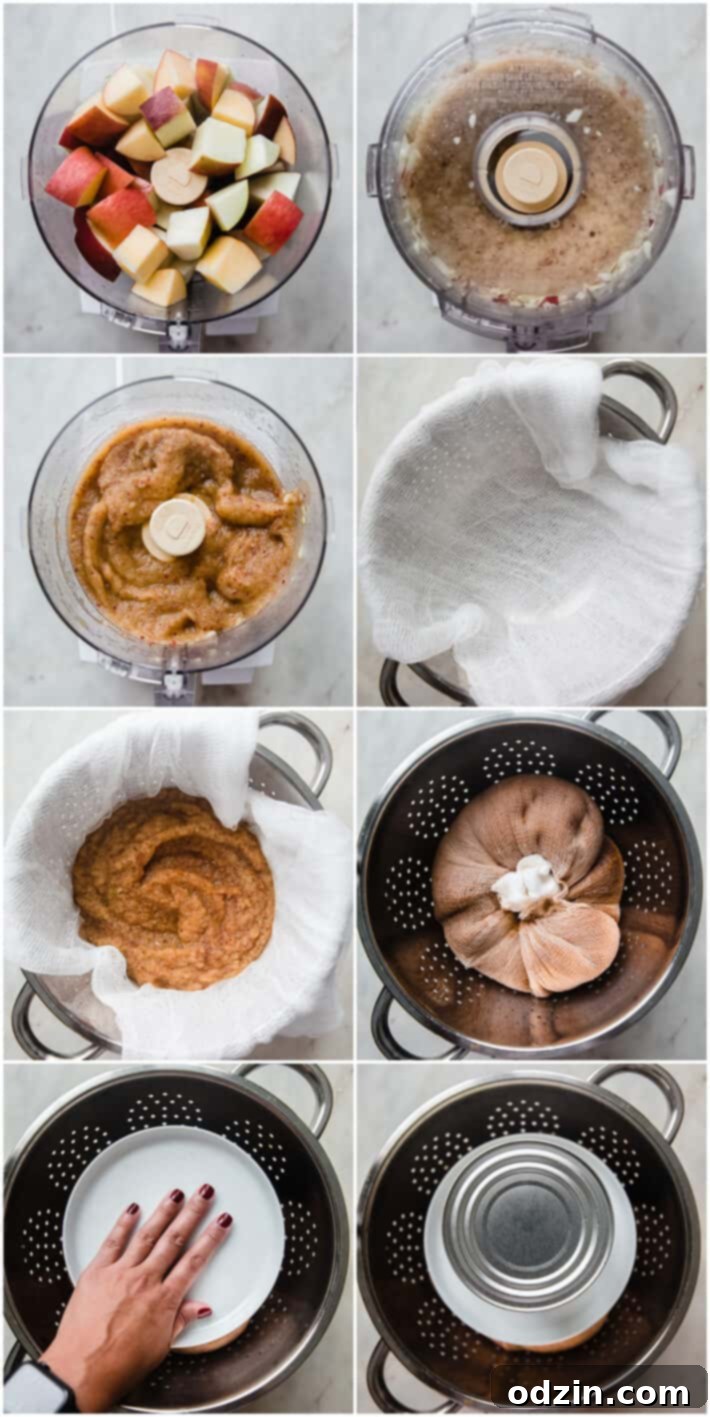
- Prepare Your Workspace and Tools First: Begin by thoroughly washing all your apples to remove any dirt, wax, or residue. You don’t need to peel them, as the peels contribute significantly to the flavor, color, and nutrients of the cider. Then, use a sharp knife to carefully remove the cores and stems from each apple; seeds can impart a bitter flavor if included. Roughly dice the apples into chunks that are suitable for your food processor – aiming for uniform pieces will help with even processing. Next, gather your “pressing” equipment: grab a large bowl (an 8-cup measuring cup is ideal as it has volume markings, allowing you to gauge your cider yield), and place a colander inside it. Line the colander with a double layer of high-quality cheesecloth, ensuring there’s plenty of overhang to gather later. Find a smaller bowl or plate that fits snugly inside the colander, and a heavy 28-ounce can (like diced tomatoes or chickpeas) that fits inside the small bowl. This ingenious setup will serve as your makeshift apple press, allowing gravity and weight to assist efficiently in juice extraction.
- Process the Apples and Extract the Juice: Now for the exciting part – transforming whole apples into pulp ready for pressing! Fill the bowl of your food processor about three-quarters full with the diced apple pieces. Pulse the apples repeatedly until they break down into a coarse, sauce-like consistency, similar to chunky applesauce. Be careful not to over-process them into a complete liquid; you still want some texture to help with efficient pressing and straining. Carefully spoon this processed apple mixture into the cheesecloth-lined colander, positioned over your large collection bowl or measuring cup. Repeat this process in batches until all your apples have been pulsed and transferred to the colander. Once all the pulp is in the cheesecloth, bring the loose edges of the cheesecloth together and twist them securely at the top, forming a tight “pulp bag.” Gently squeeze this bag with your hands to release as much immediate juice as possible into the bowl below. Then, place the smaller bowl or plate directly on top of the apple pulp bag within the colander, and position the heavy 28-ounce can inside the small bowl. This weight will act as your “press.” Allow this setup to sit for at least 15-20 minutes, giving the weight time to slowly squeeze out more cider from the apple pulp. After this passive pressing, unwrap the cheesecloth, then vigorously twist and wring out any remaining cider from the apple pulp with your hands, ensuring you extract every last drop of precious liquid. Discard the spent apple pulp (it can also be composted!).
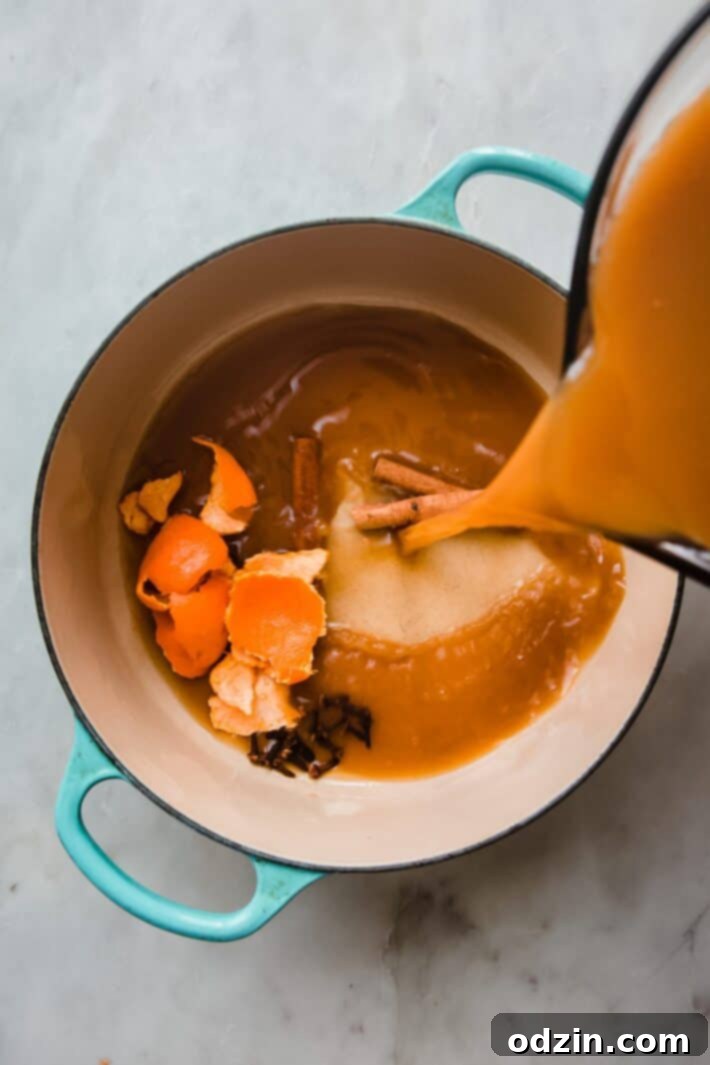
- Simmer and Infuse Your Spiced Cider: Carefully pour the freshly pressed apple cider into a medium-sized saucepan (a 4-quart saucepan works perfectly for this volume). This is your opportunity to customize the sweetness; taste the cider and stir in brown sugar or maple syrup to your desired level of sweetness. Remember that the sweetness of your apples can vary, so taste and adjust gradually. Next, add your flavor enhancers: the orange peels (removed in wide strips for easy extraction later), whole cloves, and three of your four cinnamon sticks. Stir in the recommended amount of water; I typically use about 2 cups of water for every 4 cups of apple cider, but adjust this ratio based on your total cider yield and preferred intensity. Place the saucepan over low heat. The goal here is a gentle infusion, not a rapid boil. You want the cider to slowly warm and absorb all those wonderful spice flavors without evaporating too much or cooking out the delicate, fresh apple notes. Monitor the temperature precisely using a digital thermometer, aiming for a range of 160-165°F (71-74°C). This temperature ensures gentle pasteurization, making the cider safe to store for longer, while crucially preserving its vibrant, fresh taste. This slow heating process will usually take around 25 minutes. Once heated and infused, remove the saucepan from the heat. Strain the cider one final time through a fine mesh strainer to remove all the orange peel, whole spices, and any minuscule apple pulp that might have escaped the cheesecloth. This step ensures a wonderfully smooth and clear (though still rustic!) homemade apple cider. Serve the warm, aromatic cider immediately in mugs, perhaps garnished with an extra cinnamon stick or a thin apple slice. For later enjoyment, allow the cider to cool completely before transferring it to airtight mason jars or a glass carafe for refrigeration.
- Optional Flavor Boost for Storage: If you’re planning to store your homemade apple cider in the refrigerator for a few days, here’s a fantastic tip to further enhance its flavor profile. Once the cider has cooled completely and you’ve transferred it to an airtight carafe or pitcher, drop in the remaining whole cinnamon stick. As the cider rests and chills, it will continue to absorb even more of that delicious, subtle spice, resulting in an even richer, more complex, and deeply infused flavor when you next enjoy it. This extra steeping time truly makes a difference!
Frequently Asked Questions About Homemade Apple Cider
Here are answers to some common questions about making and enjoying your own apple cider at home, ensuring you can confidently achieve delicious results:
- What apples are best for making apple cider? For the most balanced and flavorful cider, a blend of apples is usually recommended. Good choices include Honeycrisp (for sweetness and crispness), Pink Lady (sweet-tart), Jersey Mac (aromatic), Fuji (sweet), McIntosh (a classic cider apple, very aromatic), Gala (sweet, mellow), Red Delicious (sweet, mild), and Granny Smith (tart, adds a refreshing zing). A thoughtful mix of sweet and tart varieties ensures a complex and well-rounded flavor profile that can’t be achieved with a single type of apple.
- How do you reheat cider if you want to serve this later? Reheating homemade apple cider is simple and convenient! For a single mug, just pour your desired amount into a microwave-safe mug and heat it in the microwave for 1-2 minutes, or until warmed through to your liking. If you’re preparing for a party or a larger crowd, transfer the chilled cider to a slow cooker and set it to the “warm” or “low” setting a few hours before serving. This keeps it perfectly hot without overcooking or reducing the liquid, and you can even add extra fresh cinnamon sticks or orange slices to the slow cooker for continued infusion and a beautiful presentation.
- How long does homemade apple cider last? Your delicious homemade apple cider, prepared using the specified gentle heating method, will typically last for 1-2 weeks when stored properly in an airtight container (like a glass carafe or sealed pitcher) in the refrigerator. Keep in mind that this recipe does not include any artificial preservatives, so it’s always best to consume it relatively fresh to enjoy its peak flavor and aroma. Always check for any off-smells or signs of spoilage before consuming if it’s been stored for an extended period.
- But can I still simmer the cider in the slow cooker rather than on the stovetop? Yes, absolutely! Once you’ve successfully extracted all the apple cider using the food processor and cheesecloth method described above, you can definitely transfer it to a crock pot or slow cooker instead of a saucepan. Add your measured water, brown sugar or maple syrup, orange peels, and whole spices (cinnamon sticks, cloves) directly into the slow cooker with the fresh cider. Allow it to simmer on the low setting for several hours (3-4 hours usually works well), until it’s warmed through and the flavors have deeply infused. This method is fantastic for hands-off cooking, especially when you’re busy, and for keeping the cider perfectly warm for extended periods, such as when entertaining guests. The key difference here is that you’re infusing *already extracted* cider with spices, rather than simmering whole apples in water, which often yields a less pronounced apple flavor.
- Can you use this homemade cider to make other things? Absolutely! Homemade apple cider is an incredibly versatile ingredient that extends far beyond just a comforting drink. It forms a fantastic base for many other delightful fall treats. You can use it to make mouth-watering baked cider donut holes, a rich and luscious homemade apple cider caramel sauce (which, in turn, can be used to create divine caramel apple cinnamon rolls!). It can also be incorporated into glazes for roasted meats, marinades, autumn-themed cocktails, mocktails, or even as a flavorful liquid in baking recipes. The possibilities are truly endless!
- What’s the difference between apple juice and apple cider? While the terms are often used interchangeably, there’s a key distinction in the US, especially for traditional products. Apple juice is typically filtered to remove all pulp and sediment, then pasteurized (heated to a higher temperature) to extend its shelf life, resulting in a clear, consistent product. Apple cider, especially traditional homemade cider like this recipe, is unfiltered, which gives it a cloudier, often opaque appearance and a richer, more complex, and fresher flavor profile due to the suspended apple solids. Our recipe also involves gentle heating (pasteurization) to ensure it’s safe and lasts longer, but it retains that rustic, unfiltered character that defines true apple cider.
- Can I freeze homemade apple cider? Yes, you can absolutely freeze homemade apple cider to enjoy later! Allow the freshly made cider to cool completely to room temperature. Then, pour it into freezer-safe containers or heavy-duty freezer bags, making sure to leave about an inch of headspace at the top, as liquids expand when frozen. It can be stored in the freezer for up to 3-6 months without significant loss of flavor. Thaw it overnight in the refrigerator before reheating gently on the stovetop or in the microwave and serving.
Essential Equipment to Make Homemade Apple Cider
You don’t need a full-blown orchard setup or a commercial apple press to make incredible homemade apple cider. Here’s a list of standard, easily accessible kitchen equipment that will help you achieve perfect, farm-fresh results with this recipe:
- Food Processor: This is your primary tool for breaking down the apple solids into a fine, sauce-like consistency. It effectively mimics the crushing action of a traditional apple press, saving a tremendous amount of time and manual effort, making the cider-making process much more accessible.
- Colander: An essential component of our DIY pressing system, a sturdy colander is needed for holding the apple pulp while the liquid cider drains through the cheesecloth into the collection bowl below. Its perforations allow for efficient liquid separation.
- Cheesecloth: A double layer of good quality cheesecloth is absolutely crucial for straining the pulsed apples, efficiently separating the liquid cider from the solid apple pulp. It’s also vital for the final strain to ensure a smooth, clean (though still rustic and unfiltered!) cider, free of unwanted particles.
- Measuring Cup (Large) & Weight for Pressing: You’ll need a large measuring cup (preferably an 8-cup capacity) to collect the extracted apple cider, as this allows you to easily track the volume before adding water. A small plate that fits inside the colander and a heavy 28-ounce can (or similar heavy, food-safe weight) are used together to create leverage and apply pressure, effectively pressing more juice from the apple pulp and maximizing your yield.
- Saucepan or Medium Pot: A generously sized pot, ideally a 4-quart saucepan, is perfect for gently heating the extracted apple cider with your chosen spices. Its size ensures ample room for the liquid and allows for even heat distribution without the risk of boil-overs during the gentle simmering process.
- Fine Mesh Strainer: This tool is indispensable for the final straining process. It ensures a beautifully smooth cider by catching any stray orange peels, whole cloves, cinnamon stick fragments, or even tiny bits of apple pulp that might have made it through the initial cheesecloth straining. Nobody likes unwanted bits in their perfectly crafted cider!
- Wooden Spoon: A simple yet essential tool for gently stirring in sugar or syrup and ensuring the spices are well-distributed throughout the cider during the simmering process, preventing anything from sticking to the bottom.
- Digital Thermometer: Crucial for monitoring the cider’s temperature precisely during the gentle heating stage (160-165°F). This step is vital as it ensures proper pasteurization for safe storage while preserving the fresh apple flavor, preventing it from boiling and becoming “cooked” juice with diminished taste.
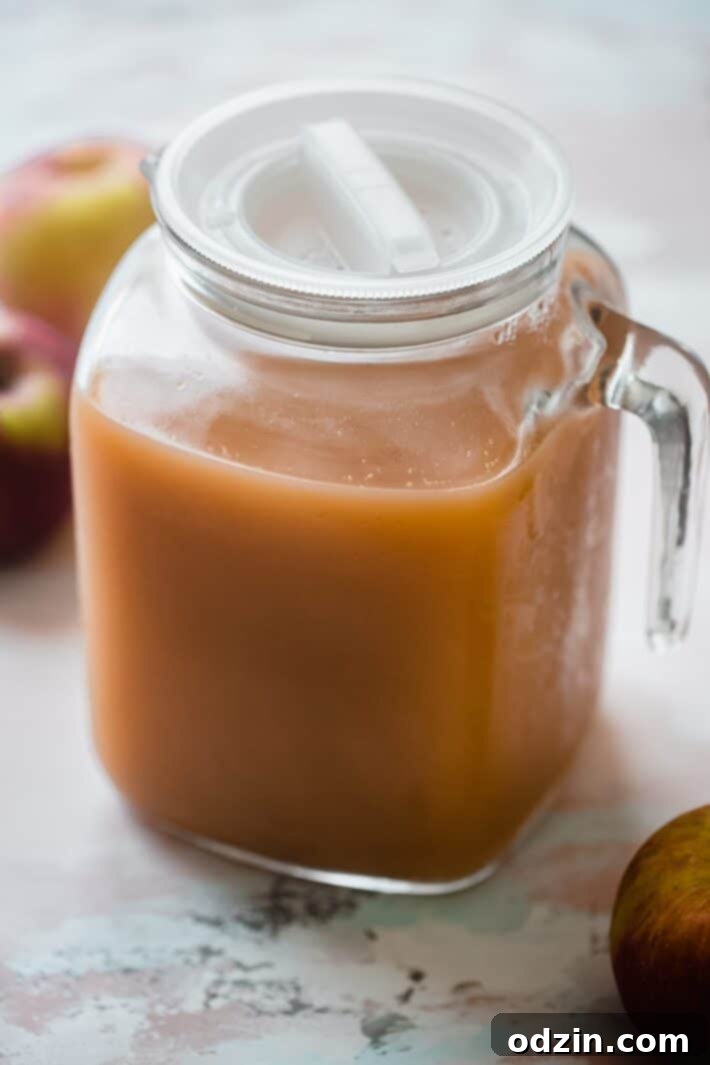
- A Pitcher or Carafe for Storing. A glass carafe or an airtight pitcher is ideal for storing your delicious homemade apple cider in the refrigerator. Opt for one with a tight-fitting lid to keep the cider fresh, prevent oxidation, and ensure it doesn’t absorb any other odors from your fridge.
Other Delicious Apple Recipes to Try:
- Quick Warm Cinnamon Apples
- Caramel Apple Cinnamon Rolls
- Maple Honeycrisp Apple Fritters
- Apple Crumble Bars
- Autumn Crisp Apple Sweet Potato Salad

Homemade Apple Cider
20 minutes
25 minutes
15 minutes
1 hour
Craft a delicious, farm-fresh homemade apple cider without an apple press! This easy recipe delivers authentic flavor, spiced perfectly with cinnamon sticks and orange peel. A new family favorite for fall!

Ingredients
- 5 ½-6 pounds large apples, thoroughly washed, cored, stemmed, and roughly diced (see notes for variety suggestions)
- 3-5 tablespoons brown sugar or pure maple syrup, to taste
- Peel of 1 large orange, removed in wide strips
- 1 teaspoon whole cloves
- 4 whole cinnamon sticks, divided
- 3-4 cups water (adjust based on cider yield)
- Double-layered cheesecloth
Instructions
- PREP & SET UP PRESS: Thoroughly wash apples, then core, remove stems, and roughly dice them. Line a colander with a double layer of cheesecloth, ensuring enough overhang. Place the colander over an 8-cup measuring cup or a large bowl to catch the cider. Prepare your makeshift press by finding a small plate that fits inside the colander and a heavy 28-ounce can (or similar weight) to place on the plate; set these aside.
- PROCESS APPLES & EXTRACT JUICE: Fill your food processor bowl about ¾ full with diced apple pieces. Pulse until the apples are broken down into a coarse, sauce-like consistency (like chunky applesauce). Transfer this mixture into the cheesecloth-lined colander. Repeat with remaining apples until all are processed. Gather the edges of the cheesecloth and twist tightly to form a “pulp bag.” Gently squeeze to release initial juice. Place the small plate on top of the pulp bag, then position the heavy can on the plate to press out more cider. Let it sit for 15 minutes. Finally, unwrap the cheesecloth and vigorously wring out any remaining cider with your hands. Discard the apple pulp.
- MAKE & INFUSE CIDER: Pour the extracted cider into a 4-quart saucepan. Measure your cider yield to determine water needed (e.g., 2 cups water for every 4 cups cider). Taste the cider and stir in 3-5 tablespoons of brown sugar or maple syrup, adjusting to your preferred sweetness. Add the orange peels, whole cloves, and 3 of the cinnamon sticks to the saucepan. Heat the cider over low heat, monitoring with a digital thermometer, until it reaches 160-165ºF (71-74°C). This process takes approximately 25 minutes. Do not boil. Remove from heat and strain the infused cider through a fine mesh strainer to remove all spices, orange peel, and any remaining pulp. Serve warm immediately, or allow to cool for cold serving.
- OPTIONAL STORAGE ENHANCEMENT: If storing the cider for later, transfer it to an airtight carafe or pitcher. Add the remaining whole cinnamon stick to the stored cider. This allows for continued spice infusion, making the refrigerated cider even more flavorful over time.
Notes
- Apple Varieties: For the best balanced flavor, I recommend a blend of McIntosh, Honeycrisp, Granny Smith, and Pink Lady apples. However, delicious cider can also be made using just McIntosh or Honeycrisp apples, or your favorite blend of sweet and tart varieties. Ensure apples are firm and ripe.
- Slow Cooker Method: After pressing and extracting the cider, you can opt to simmer it in a slow cooker for convenience. Simply combine the extracted cider, water, sugar, spices (orange peel, cloves, cinnamon sticks) in your crock pot. Set it to the low setting and allow it to infuse and warm through for 3-4 hours. Strain before serving warm or chilling. This method is excellent for parties!
- Storage: Homemade cider will keep well for 1-2 weeks in an airtight container in the refrigerator.
Recommended Products
- Fine Mesh Strainer
- 4 Quart Saucepan
- High-Quality Cheesecloth
- 8-cup Glass Measuring Cup
- Stainless Steel Colander
- Food Processor
Have you made this recipe?
If you enjoyed this recipe, please consider leaving a ⭐️⭐️⭐️⭐️⭐️ rating and a comment below. You can also share a picture on Instagram with the hashtag #LITTLESPICEJAR, I’d love to see what you made!