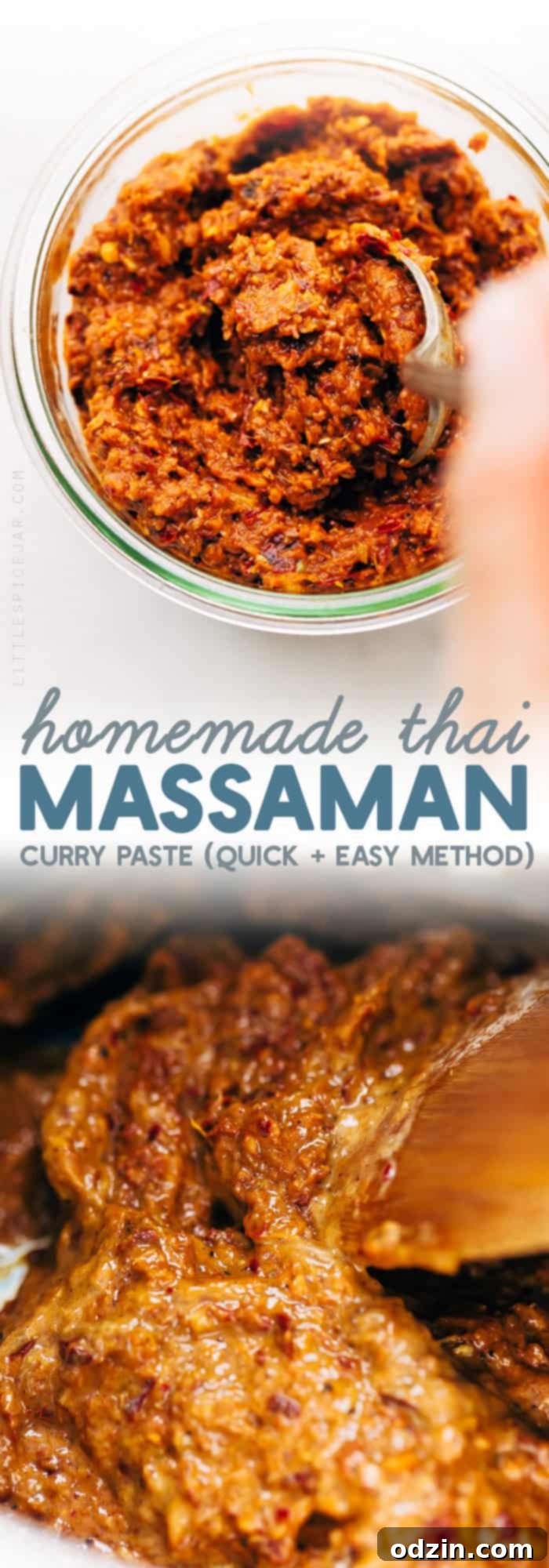
Authentic Homemade Thai Massaman Curry Paste: Crafting Flavor from Scratch
Embark on a culinary journey by making a generous batch of homemade Thai Massaman curry paste. This recipe simplifies the process, delivering a depth of flavor that far surpasses any store-bought alternative, perfect for enriching your meals throughout the colder months!
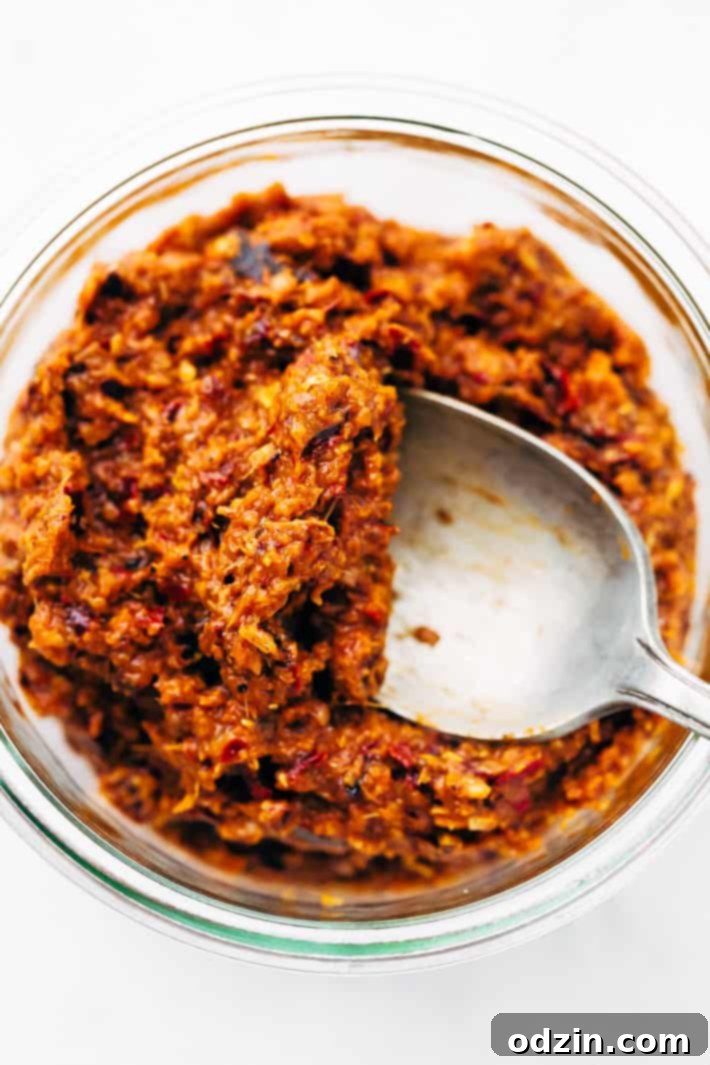
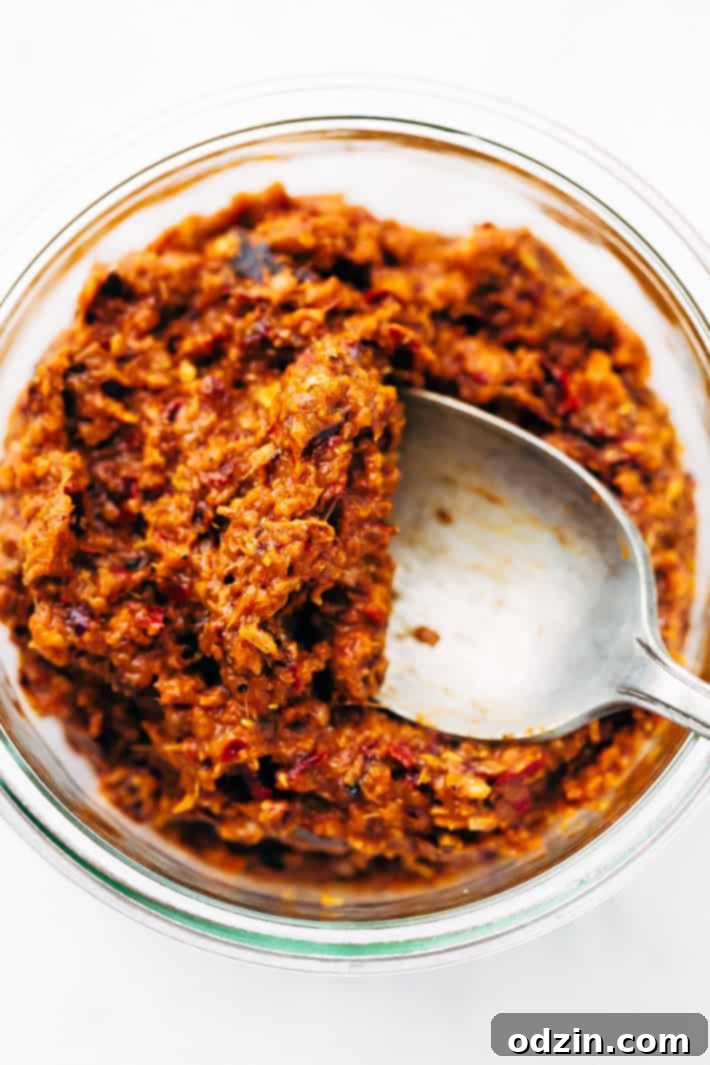
Get ready to elevate your Thai cooking with this incredible homemade Massaman Curry Paste recipe. If you’ve never experienced the rich, aromatic flavors of Massaman curry, you’re in for a truly delightful surprise. For years, this particular Thai curry remained a mystery to me, overshadowed by its more common red, green, and yellow counterparts. But from the very first spoonful, I was captivated – wondering where this culinary masterpiece had been all my life.
Massaman curry stands out distinctly from other Thai curries. It’s less fiery, more complex, and deeply aromatic, often described as a fusion of Thai and Indian or Persian influences. The paste itself is a symphony of diverse spices, setting it apart from typical curry blends. Imagine a harmonious burst of cardamom and nutmeg, perfectly complemented by the foundational flavors of garlic, ginger, and onions. Then, hints of cilantro and cumin weave through, creating an intricate tapestry of taste. When this paste is combined with creamy coconut milk, tender potatoes, and succulent chunks of beef, the result is nothing short of brilliant. It’s a dish that manages to be simultaneously savory, subtly sweet, and wonderfully satisfying.

Why Homemade Massaman Curry Paste is a Game Changer
There’s a reason why restaurant-quality Massaman curry tastes so divine – it almost always starts with a freshly made paste. Seriously, a well-balanced Massaman curry paste is the foundation for a dish so rich in flavor that you’ll find yourself reaching for second and third servings. While store-bought pastes offer convenience, they often lack the vibrancy, depth, and nuanced aromatics of a paste made from scratch. When you make your own, you control the freshness and quality of every ingredient, ensuring a superior taste that’s free from preservatives and artificial additives.
The beauty of homemade paste is its versatility. Once you’ve crafted your batch, the hard part is over, and preparing a delicious Massaman curry becomes remarkably simple. For instance, I’ll soon be sharing my Thai beef and potatoes curry recipe, designed for the Instant Pot – a true favorite for its speed and ease. But don’t limit yourself to beef! While my initial recipe with this paste might feature meat, I’m already brimming with ideas for delicious vegetarian and vegan adaptations. Imagine the warm, earthy spices mingling with sweet potatoes or butternut squash, reminiscent of my popular butternut squash red curry. The possibilities are endless, and the incredible aroma alone will make you eager to experiment.
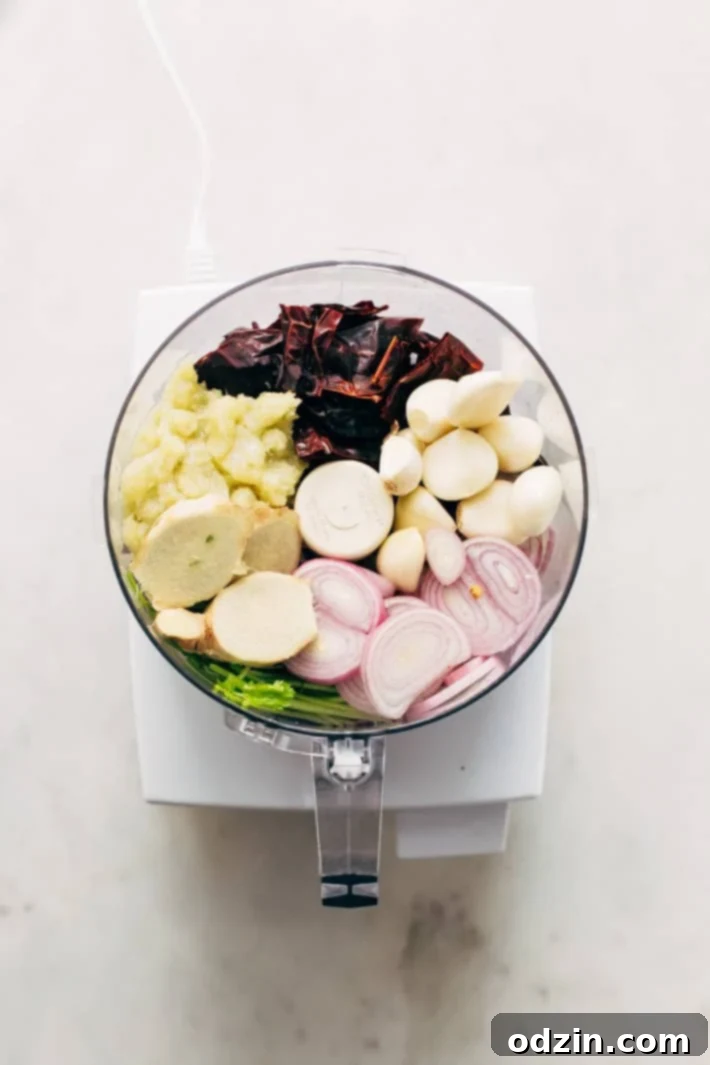
Making Massaman Paste Accessible: Everyday Ingredients and Smart Swaps
When I first delved into researching Massaman curry paste, I encountered ingredient lists that could make even an experienced home cook feel overwhelmed. Many traditional recipes call for highly specific, sometimes hard-to-find ingredients, leading to intimidation. My goal for this recipe was simple: to create a homemade paste that uses ingredients readily available at most mainstream grocery stores, without compromising on flavor. And I believe we’ve achieved it, with just one exception that has easy alternatives.
Addressing the “Fishy” Ingredient: Shrimp Paste
The ingredient I’m referring to is shrimp paste. I’ll admit, the idea of pulverized fermented shrimp in a jar might sound unappealing at first. My own skepticism was shattered when I discovered it was a common component in many of my favorite store-bought red and green curry pastes that I had been unknowingly enjoying for years! At that point, there was no logical reason to reject it. Shrimp paste adds a crucial layer of umami and depth to the curry, a savory background note that enhances the overall complexity.
However, if you’re vegetarian or vegan, have shellfish allergies, or simply can’t bring yourself to use it, fret not! There are excellent substitutes available. You can easily replace the shrimp paste with fermented black bean paste or miso paste. These alternatives offer a similar savory, fermented complexity, ensuring your homemade Massaman curry paste remains incredibly flavorful while accommodating your dietary needs.
Smart Substitutions for Authentic Flavors
Beyond shrimp paste, I also made another strategic swap to ensure accessibility: using fresh ginger and guajillo peppers instead of the traditionally employed galangal and Thai bird’s eye chilies. While galangal and bird’s eye chilies are fantastic if you have access to a well-stocked Asian grocery store and prefer a strictly authentic approach, ginger and guajillo peppers are excellent and widely available substitutes. Fresh ginger provides a similar pungent, aromatic warmth to galangal, while dried guajillo peppers offer a mild to medium heat and a fruity earthiness that complements the Massaman spice profile beautifully, without the intense, sharp heat of bird’s eye chilies. For those moments when you NEED CURRY NOW and can’t wait for a specialty store trip, these substitutes are perfect. Of course, if you have access to an Asian market and want to use galangal and bird’s eye chilies, feel free to do so – they will undoubtedly add an even deeper layer of authenticity.
The Secret to Unlocking Flavor: Toasting Spices
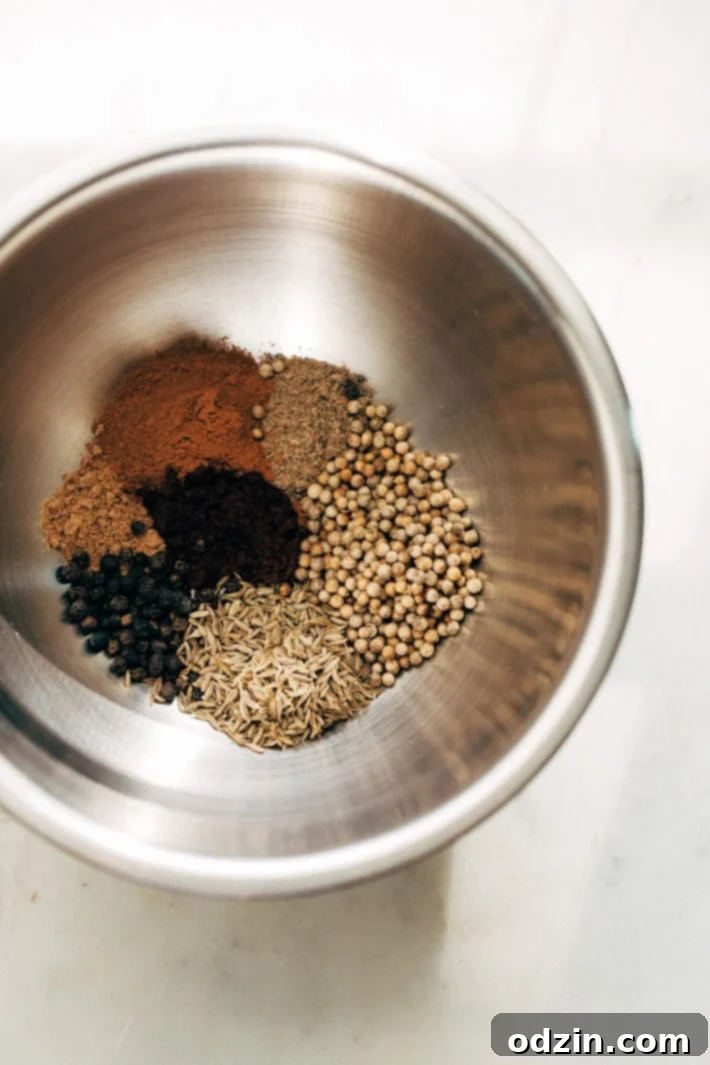
There’s an optional, yet highly recommended, step in this recipe that takes only about 5 additional minutes but profoundly enhances the Massaman curry paste: toasting the whole spices. This simple technique is a culinary game-changer. When whole cumin seeds, coriander seeds, and black peppercorns are gently toasted in a dry, clean skillet over medium-high heat for about 3 minutes, their natural oils are released. This process intensifies their aroma and deepens their flavor profile, making your curry paste incredibly fragrant and complex. Skipping this step would mean missing out on a significant layer of depth that truly makes homemade paste superior. The difference is palpable, transforming a good paste into a top-notch one.
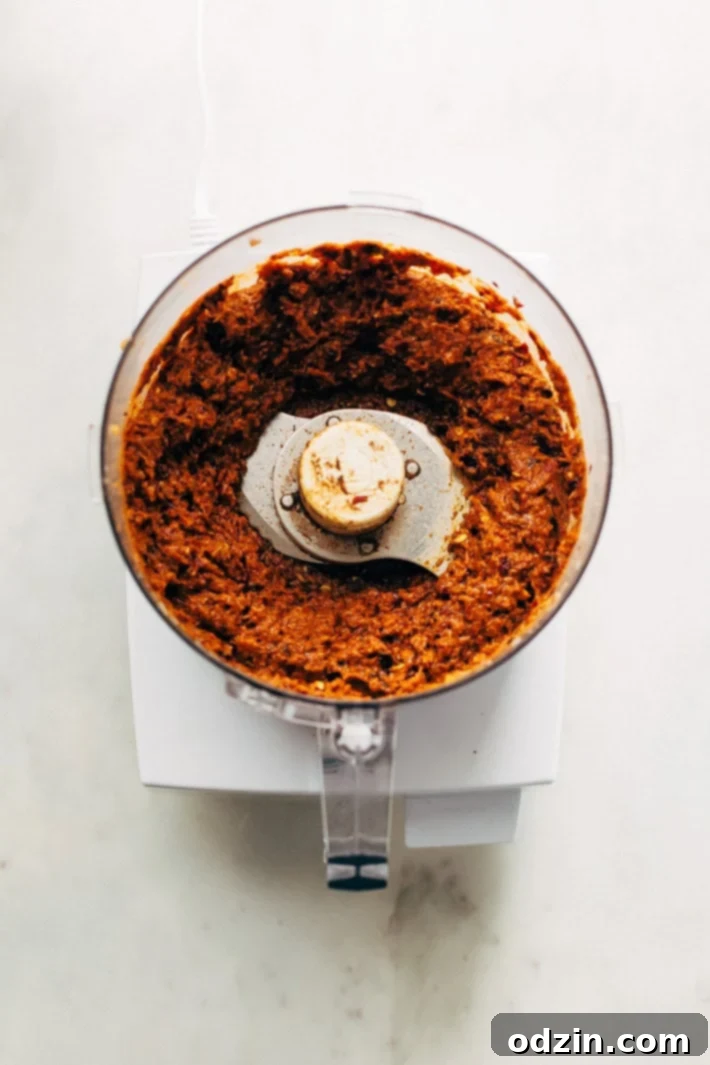
After a quick toast and a few minutes for the spices to cool, the rest of the paste-making process is incredibly fast. You simply combine the toasted spices, prepped guajillo peppers, and all remaining paste ingredients into a food processor. With a few pulses, these humble ingredients are transformed into a vibrant, aromatic paste. In less than 15 minutes of active preparation time, you’ll have a generous batch of Massaman curry paste ready to store. This quantity is typically enough for about four batches of Massaman curry, making it incredibly economical and efficient.
Storing Your Homemade Massaman Curry Paste
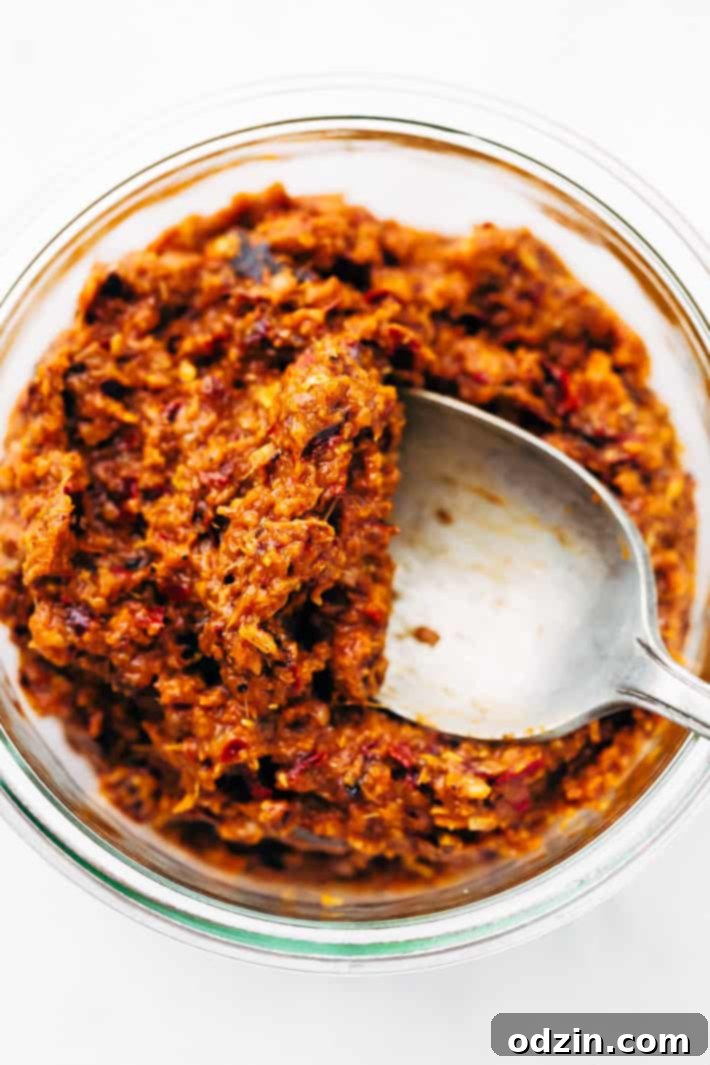
Once your flavorful paste is ready, proper storage ensures its longevity and freshness. You can store the paste in an airtight container in the refrigerator for up to a week. For longer-term storage, which is highly recommended for such a versatile ingredient, simply portion the paste into smaller freezer-safe bags or ice cube trays. Once frozen, you can transfer the cubes to a larger freezer bag. This way, you can easily pull out the exact amount you need for a single recipe, and your homemade Massaman curry paste will keep beautifully for several months, ready to infuse your winter meals with authentic Thai flavor.
Please, don’t let the thought of making curry paste from scratch intimidate you. It’s primarily about toasting a few spices and then letting your food processor do the heavy lifting, transforming fresh ingredients into a rich, fragrant paste. Join the Massaman curry obsession – once you taste the difference of homemade, you’ll be completely hooked!
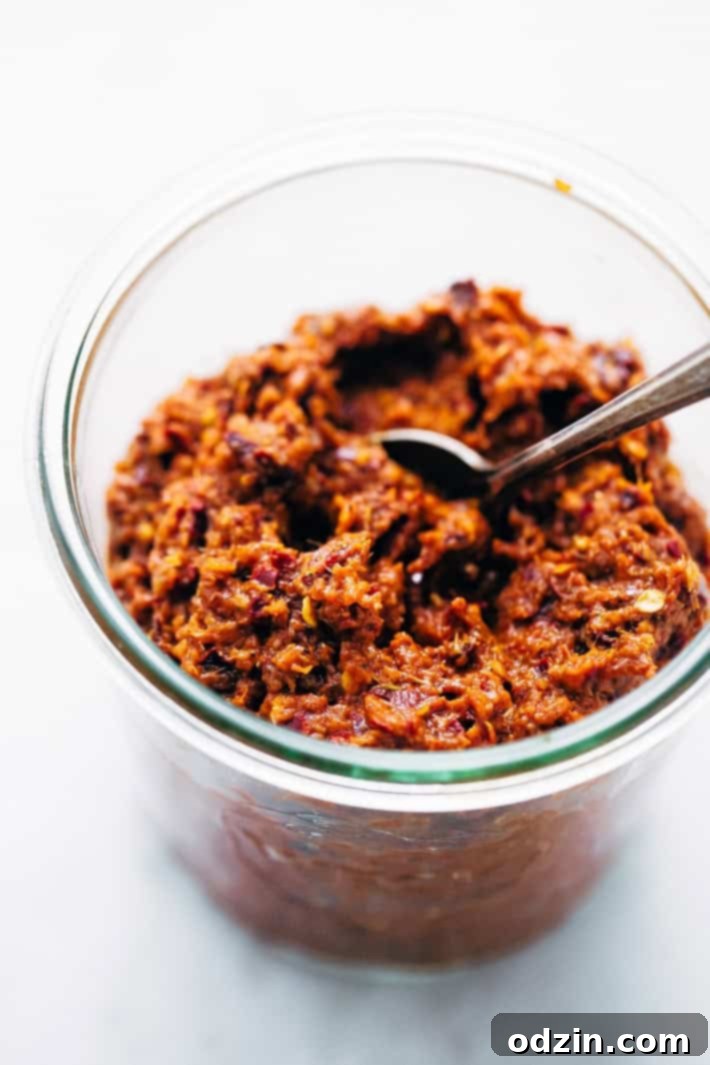
Homemade Thai Massaman Curry Paste
12 minutes
3 minutes
15 minutes
Craft a large batch of authentic homemade Thai Massaman curry paste to keep on hand! This recipe is straightforward to prepare and delivers a flavor profile significantly richer than any store-bought variety.
Ingredients
For the Spice Blend:
- 2 teaspoons cumin seeds
- 2 teaspoons coriander seeds
- 1 teaspoon black peppercorns
For the Curry Paste:
- 8-10 large guajillo peppers
- 3 tablespoons lemongrass paste (such as Gourmet Garden)
- 1/4 cup freshly sliced ginger (or galangal for authentic flavor)
- 1/2 cup garlic cloves
- 2 large shallots (or 1 small red onion)
- 10-12 cilantro stems
- 1 tablespoon shrimp paste (see notes for vegetarian alternatives)
- 1 1/2 teaspoon ground cinnamon
- 1/2 teaspoon ground cardamom
- 1/4 teaspoon ground nutmeg
- 1/2 teaspoon ground cloves
- 2 teaspoons salt
Instructions
- Toast Whole Spices: In a clean, dry skillet (without any oil), place the cumin seeds, coriander seeds, and black peppercorns. Heat over medium-high heat, tossing every 20-30 seconds to prevent burning. Toast for approximately 3 minutes, or until the spices become fragrant. Remove from heat and let them cool for several minutes before proceeding.
- Prepare Guajillo Peppers: While the toasted spices cool, snip the guajillo peppers into 4-5 pieces using kitchen shears. Carefully remove and discard the seeds, as they can add excessive heat to the paste.
- Blend the Paste: Transfer the cooled toasted spices, prepared guajillo peppers, and all remaining curry paste ingredients (lemongrass paste, ginger, garlic cloves, shallots, cilantro stems, shrimp paste, ground cinnamon, ground cardamom, ground nutmeg, ground cloves, and salt) into a food processor. Pulse and blend until the mixture breaks down into a smooth, thick paste-like consistency. This process usually yields approximately 1 ⅓ cups of paste. A typical Massaman curry recipe uses about ⅓ cup of paste, meaning this recipe provides enough for about 4 batches of curry.
- Storage: Store the paste in an airtight container in the refrigerator for up to one week. For longer preservation, freeze the paste in smaller portions (e.g., in ice cube trays or small freezer-safe bags) for several months.
Notes
- For a vegetarian or vegan Massaman curry paste, replace the shrimp paste with 1 tablespoon of fermented black bean paste or miso paste. These alternatives provide a similar umami depth.
- If you only have ground spices on hand and cannot toast whole spices, you can use ground versions as substitutes. Replace 2 teaspoons of cumin seeds with 2 ½ teaspoons of ground cumin, 2 teaspoons of coriander seeds with 2 ½ teaspoons of ground coriander, and 1 teaspoon of black peppercorns with 1 ½ teaspoons of ground black pepper. Note that toasting whole spices yields a more profound flavor.
- For a more authentic touch, you can substitute fresh ginger with an equal amount of galangal, and guajillo peppers with 3-4 Thai bird’s eye chilies (adjust to your spice preference) if you have access to these specialty ingredients.
Have you made this recipe?
If you enjoyed this recipe, please consider leaving a ⭐️⭐️⭐️⭐️⭐️ rating and a comment below. You can also share a picture on Instagram with the hashtag #LITTLESPICEJAR, I’d love to see what you made!