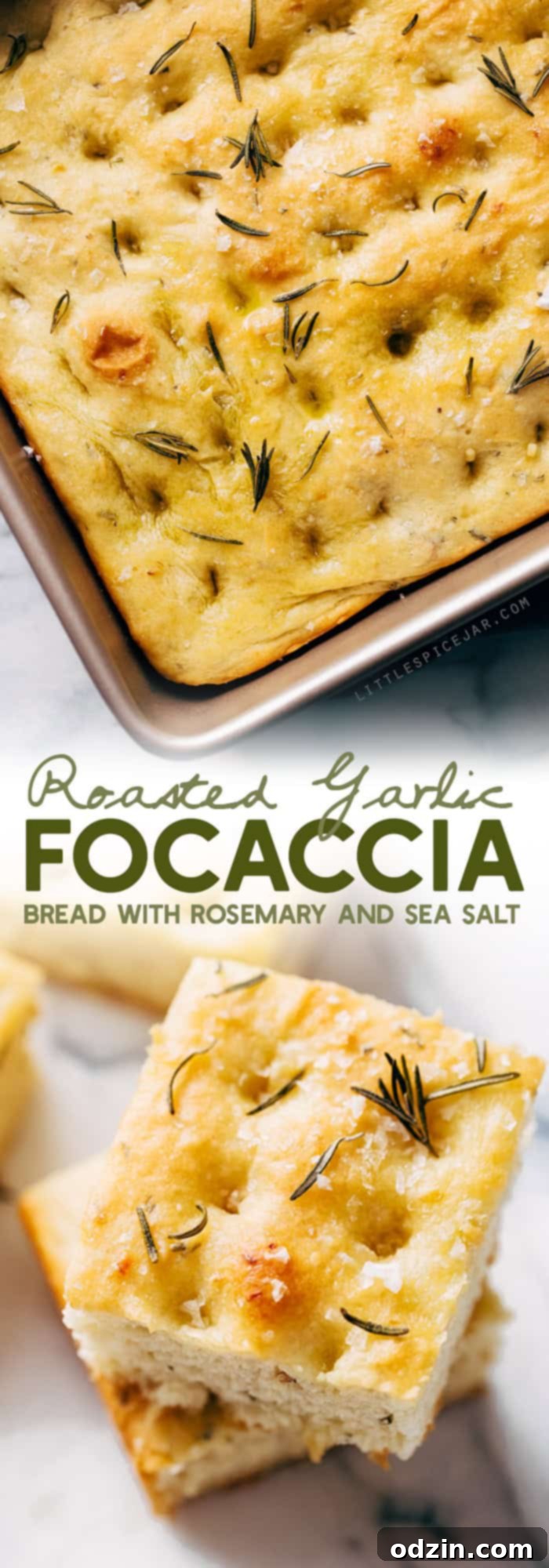
The Ultimate Guide to Baking Roasted Garlic Rosemary Focaccia Bread: A Homemade Delight
Indulge in the irresistible aroma and delightful texture of homemade roasted garlic and rosemary focaccia bread. This recipe is your perfect companion for a cozy pasta night, an impressive appetizer for guests, or a delightful addition to any holiday spread. Forget the stress of bread-making; our step-by-step guide makes it incredibly easy to achieve bakery-quality results right in your own kitchen. Prepare to fill your home with the most enchanting fragrance and savor every tender, flavorful bite.
Friends, carb connoisseurs, and soup enthusiasts, prepare yourselves for a truly sensory experience. There’s something undeniably magical about the combination of roasted garlic, fragrant rosemary, and rich olive oil mingling together, especially when baked into a golden, puffy focaccia. As this incredible bread bakes, my kitchen transforms into an aromatic sanctuary, releasing a comforting scent that promises pure culinary bliss. My heart quite literally does a happy somersault with anticipation.
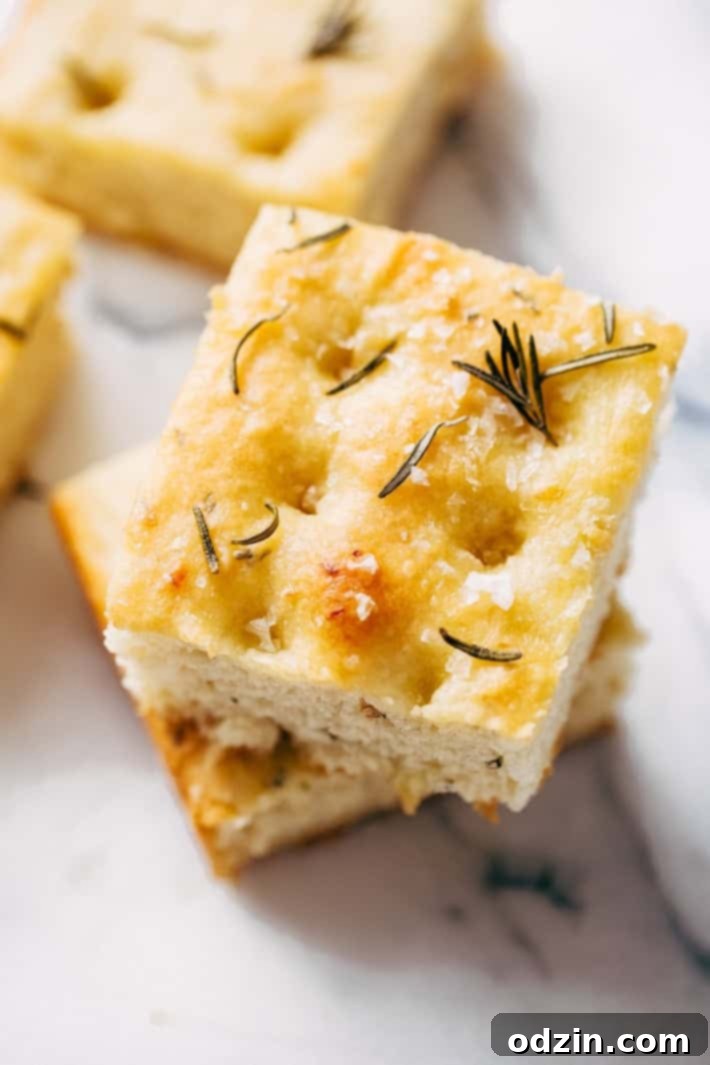
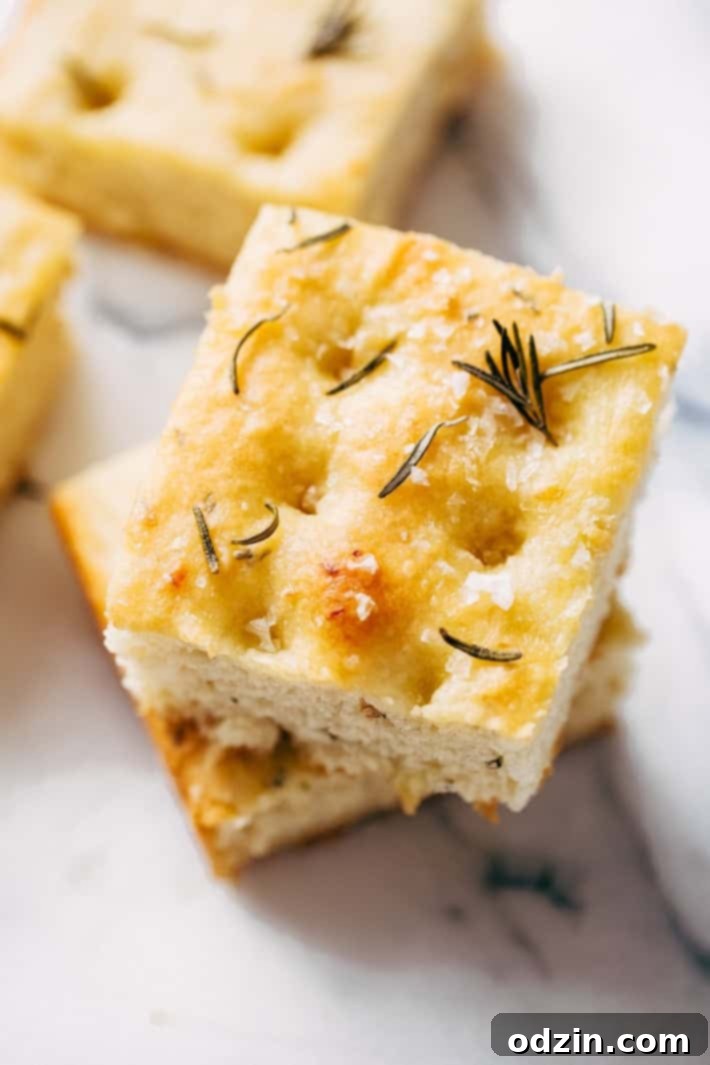
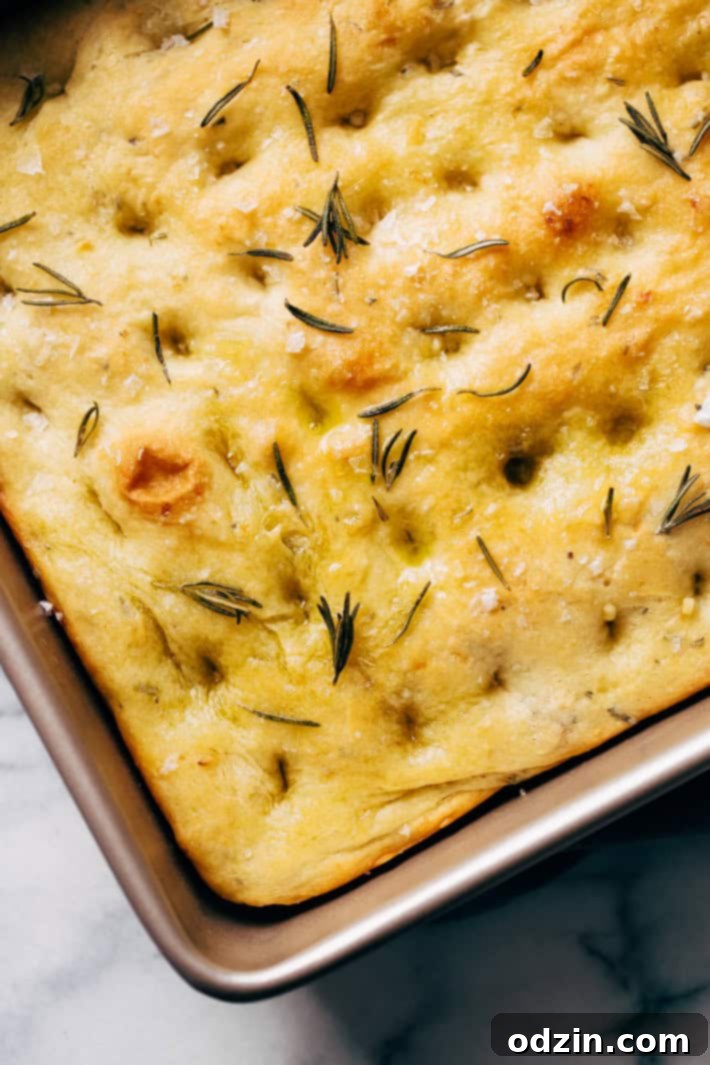
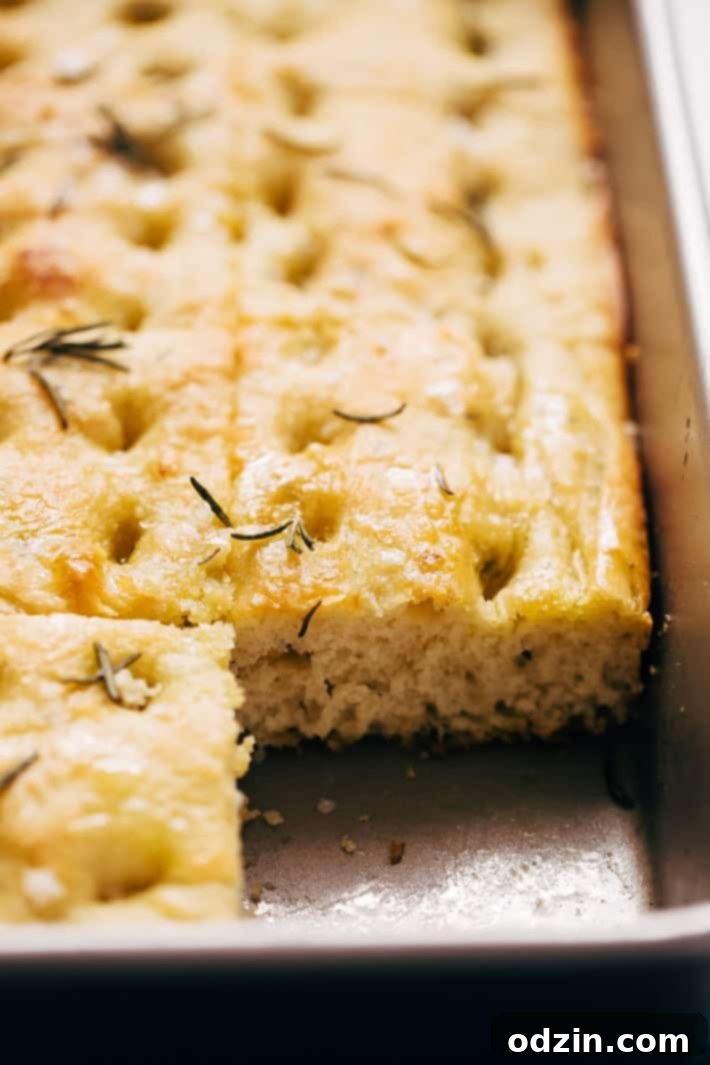
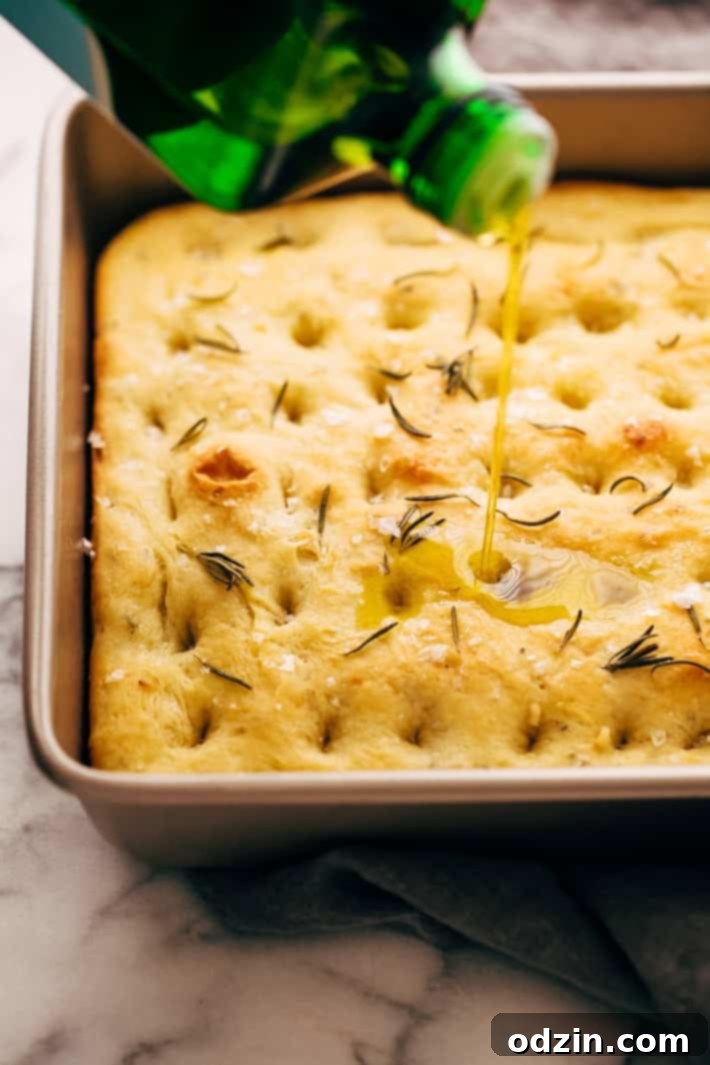
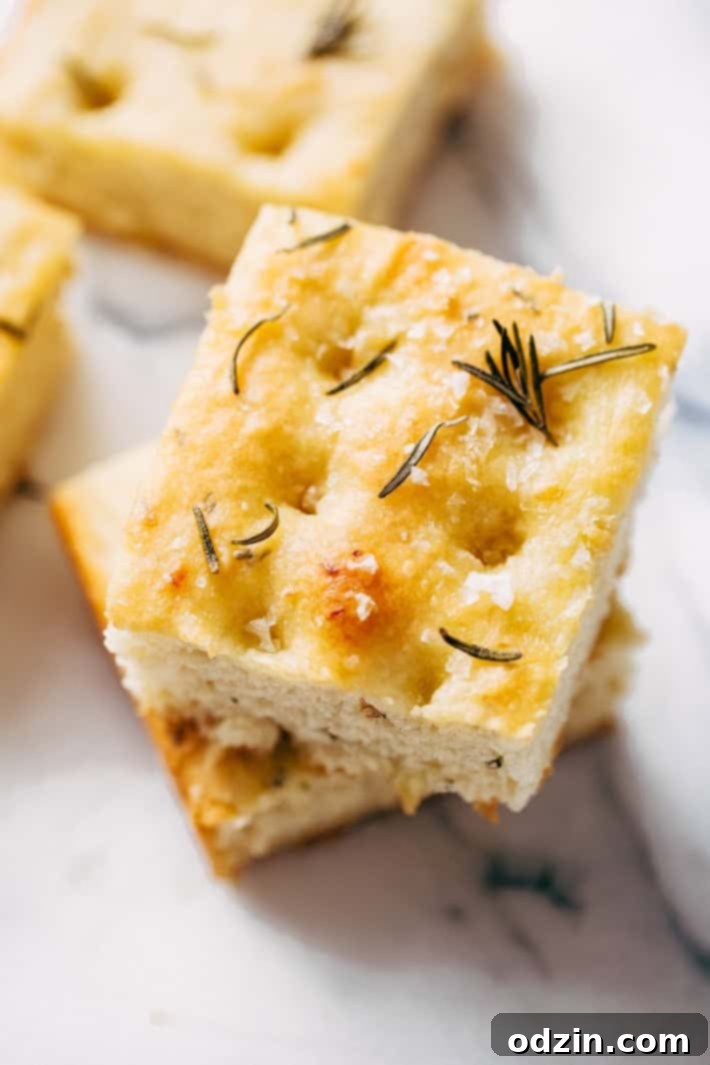
The moment you pull it from the oven, a faint sizzle of olive oil whispers as it gently bubbles, having kissed the outer crust to a perfect golden-brown hue. With a serrated knife, you slice into a generous hunk, marveling at how light and airy the bread is. The interior is wonderfully tender and fluffy, contrasting beautifully with the golden, sea-salt-flaked exterior. As you tear off that first piece, you’re greeted by swirling tendrils of steam escaping, a testament to its warmth and freshness. The edges are delightfully crispy and chewy, while the inside remains buttery and delicate, melting in your mouth. This isn’t just bread; it’s pure happiness, a simple pleasure that elevates any meal.
For a long time, I found the idea of making bread from scratch daunting and, frankly, quite stressful. However, as I’ve grown, I’ve discovered a profound tranquility in tasks like bread making. There’s a unique, almost meditative quality to combining a few basic ingredients – flour, water, yeast, and salt – and transforming them into something entirely new and delicious. It feels like a small miracle each time these simple components come together in a bowl, evolving into a beautiful, fragrant dough.
The act of baking bread allows you to truly unplug from the demands of the world. It invites you to roll up your sleeves, get your hands a little messy, and immerse yourself in the present moment. Early morning baking sessions, accompanied by soft jazz and a warm mug of coffee, are my ideal way to start any day. Creating homemade focaccia, studded with succulent roasted garlic cloves and finished with flaky sea salt, reignites my passion for cooking and for food itself. It’s an edible embrace, a comforting labor of love that always yields incredibly satisfying results.

Focaccia, a classic Italian flatbread, is renowned for its thick, slightly chewy texture and golden, dimpled crust. While some people liken it to pizza dough, I find authentic focaccia to be distinctively softer and more pliable than most pizza crusts. Its origins trace back to ancient Rome, where it was a simple hearth bread, evolving over centuries into the beloved delicacy we know today, particularly in Liguria. Traditionally, focaccia is made with freshly chopped herbs, high-quality flour, and a generous amount of olive oil. That olive oil isn’t just an ingredient; it’s the heart and soul of focaccia, imparting its uniquely rich, decadent flavor and characteristic tenderness. I often imagine Italian nonnas, with generations of wisdom, teaching their granddaughters to pour in copious amounts of olive oil until the dough is luscious and buttery, just as their mothers and grandmothers did before them.
Our rosemary focaccia recipe today stays true to this tradition, featuring an abundance of fresh rosemary. I usually approach rosemary with a bit of caution in my cooking, as its potent flavor can quickly shift from earthy and aromatic to overwhelmingly sharp, almost like soap, if overused. However, with focaccia, rosemary truly shines. Despite using a full tablespoon of chopped rosemary in the dough itself and then topping it with more before baking, I’ve found that it perfectly balances the richness of the olive oil and the sweetness of the roasted garlic, creating a harmonious flavor profile that is never “too much.” The herb’s piney notes beautifully complement the other ingredients, making this a truly memorable homemade focaccia.
How to Make the Best Roasted Garlic Rosemary Focaccia Bread
Crafting the perfect homemade focaccia with roasted garlic and rosemary is simpler than you might think. This recipe is designed for accessibility, ensuring even novice bakers can achieve spectacular results. We’ll focus on clear steps and essential tips to guide you through the process, turning a few humble ingredients into a truly impressive Italian bread.
- Choose Your Baking Pan: To keep this recipe practical for home kitchens, we’re using a standard 9×13 inch baking pan – often affectionately known as your brownie pan. This common size makes it easy for most people to get started. If you have a glass dish of the same dimensions, that works perfectly too. Just remember to oil it thoroughly to prevent sticking and encourage that beautiful golden crust.
- Activating the Yeast: The heart of any great bread is active yeast. You’ll need 2 1/4 teaspoons of instant yeast, which is typically one standard packet. If you buy yeast in a jar, store it in the refrigerator to maintain its freshness. The water temperature is crucial here; it should be lukewarm, ideally between 105-110ºF (40-43ºC). You can use a kitchen thermometer for precision, or simply test it with your finger – it should feel pleasantly warm, not hot. This warmth activates the yeast, allowing it to “bloom” and create the airy structure characteristic of focaccia.
- The Power of Extra Virgin Olive Oil: This recipe calls for a generous 1/2 cup of extra virgin olive oil, and yes, it might seem like a lot, but trust the process! Olive oil is fundamental to focaccia, imparting its signature flavor, tender crumb, and crispy crust. This isn’t an everyday bread; it’s a “sometimes” treat, and sometimes, a little indulgence is perfectly fine! The olive oil is divided: 1/4 cup goes directly into the dough for richness, two tablespoons are used to generously grease your baking pan, and the final two tablespoons are brushed over the dough just before it enters the oven, contributing to that irresistible golden finish. You’ll even drizzle a little more on after baking for ultimate flavor and shine.
- Roasted Garlic Perfection: Roasted garlic is a game-changer, transforming sharp raw garlic into sweet, caramelized cloves with a mellow, irresistible flavor. If you’re roasting your own, simply chop off the top of a garlic head, remove loose papery skin, drizzle with a couple of teaspoons of olive oil, and sprinkle with salt and pepper. Wrap it in foil and roast at 375ºF (190ºC) for about an hour. Your house will smell amazing! For convenience, many grocery stores sell roasted garlic in their deli section. You won’t need a huge amount for this recipe. If garlic isn’t your preference, consider roughly chopped green or Kalamata olives for a briny alternative, or omit it entirely for a pure rosemary focaccia.
A perfectly baked roasted garlic rosemary focaccia is truly everything. It’s the ultimate companion to a comforting bowl of soup, serving as the perfect vessel to soak up every last drop of a rich tomato bisque or a hearty minestrone. It’s the loyal Robin to your Batman when you need to mop clean a flavorful homemade ragu from your plate. And it forms the ideal base when you’re building a robust eggplant parmigiana sandwich, adding a layer of texture and flavor that elevates the entire experience.
Every single person I’ve shared this homemade focaccia with – from my closest family and friends to Anees – has absolutely raved about it. There’s an undeniable magic in bread, a way it brings people together around a table, fostering warmth and connection. I wholeheartedly urge you to bake this delightful focaccia and share its comforting goodness with all the people you cherish.
xx
Roasted Garlic Rosemary Focaccia Bread
1 hour 30 minutes
20 minutes
1 hour 50 minutes
Roasted garlic scented rosemary focaccia bread is perfect for pasta night or when you’ve got guests coming! If you’re looking for something new to make during the holidays, let this rosemary focaccia bread be it. Follow the step-by-step recipe and see how easy it is to make!
Ingredients
- 1 1/3 cup warm water (105-110ºF to be exact)
- 2 teaspoons sugar
- 1 (0.25 ounce) packet instant yeast (2 1/4 teaspoons)
- 3 3/4 cup flour, plus more (see notes)
- 2 teaspoons kosher salt
- 1/2 cup olive oil, plus more for greasing
- 1 tablespoon chopped rosemary (plus more)
- 1/4 cup roasted garlic, roughly chopped
- flaked sea salt (for topping)
Instructions
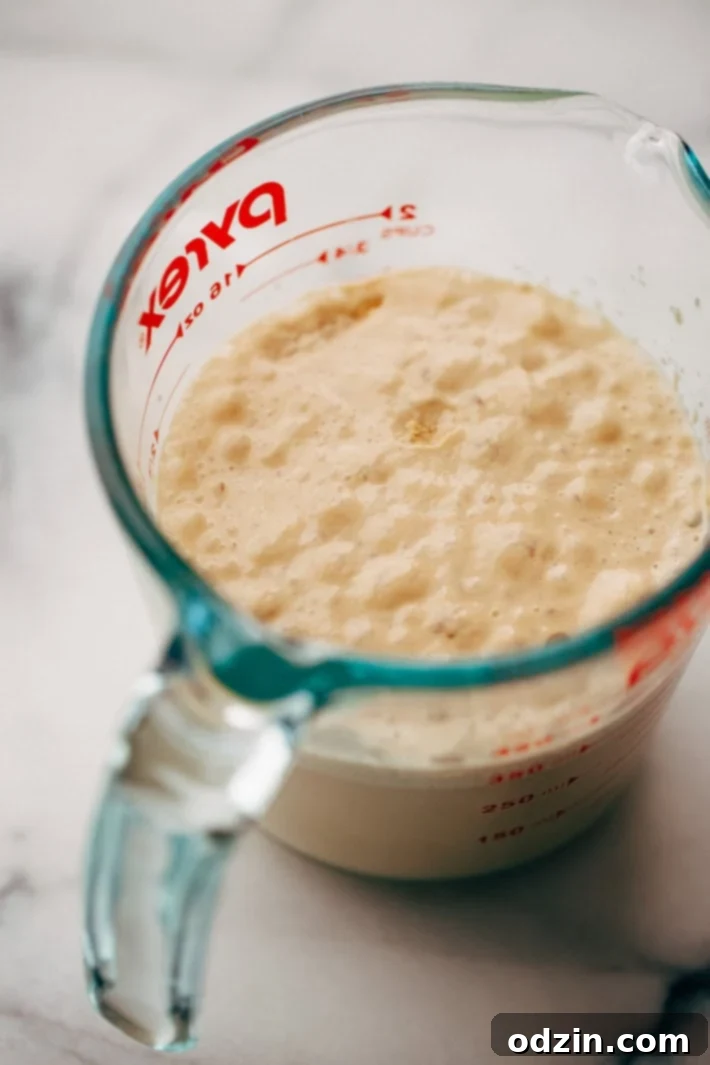
- Add the warm water, sugar, and yeast to a 2-cup measuring cup (affiliate link). Give it a stir and allow the yeast to bloom for 15 minutes. You’ll see the yeast is foamy and bubbly near the end of the 15 minutes.
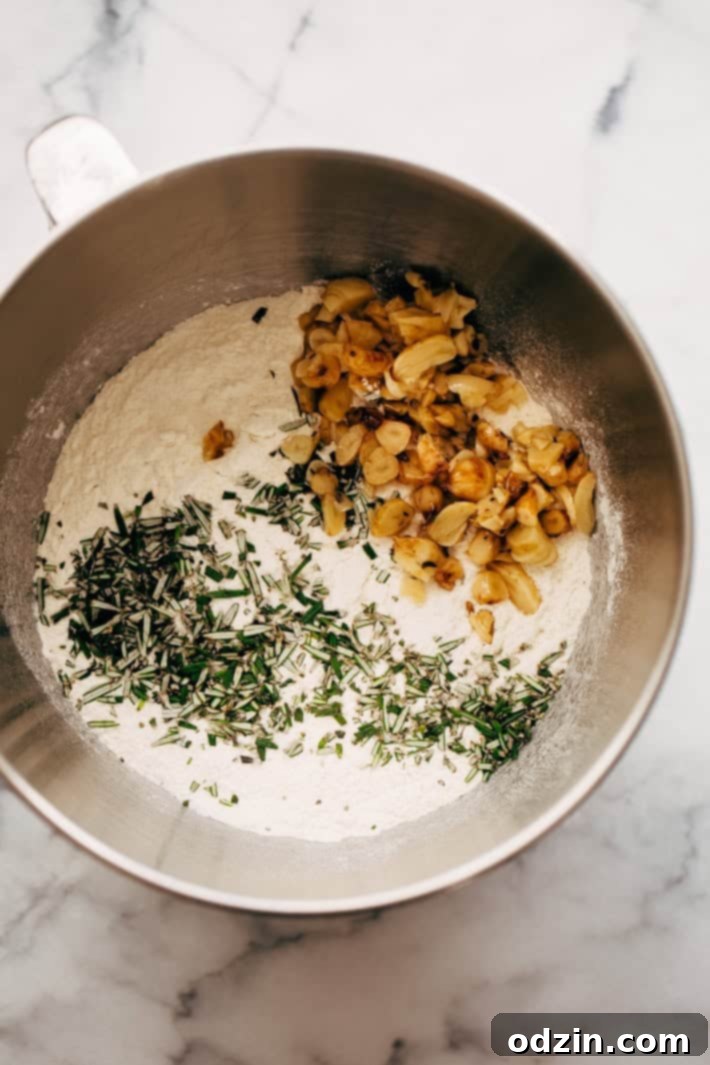
- Meanwhile, add the flour, salt, 1/4 cup of olive oil, chopped rosemary, and roasted garlic to the bowl of a stand mixer. Using the dough hook attachment, turn the mixer on briefly to allow the ingredients to mix together. Pour the yeast mixture into the flour mixture with the mixer running on low. Increase the speed to medium and let the mixer run for 4-5 minutes. Stop and scrape the dough if all the flour doesn’t incorporate fully. After 5 minutes, if the dough seems too sticky, use an additional 1-2 tablespoon of flour and form it into a ball using your hands.
- Transfer the dough into a large bowl that has been greased. Rub a dime size of olive oil on the surface of the dough and cover with a piece of plastic wrap. Allow it to rest in a warm place for 1-1 1/2 hours or until it’s nearly doubled in size. I usually do this in my dryer (see notes!)
- Position a rack in the center of the oven and preheat the oven to 400ºF. Using half of the remaining olive oil (2 tbsp), grease the bottom of a 9×13 dish (affiliate link). Remove the plastic wrap, and dump the dough into the prepared dish. Gently, using your fingers, push the dough out so that it fits the pan. Cover the dough with the plastic wrap and let sit for 20 minutes.
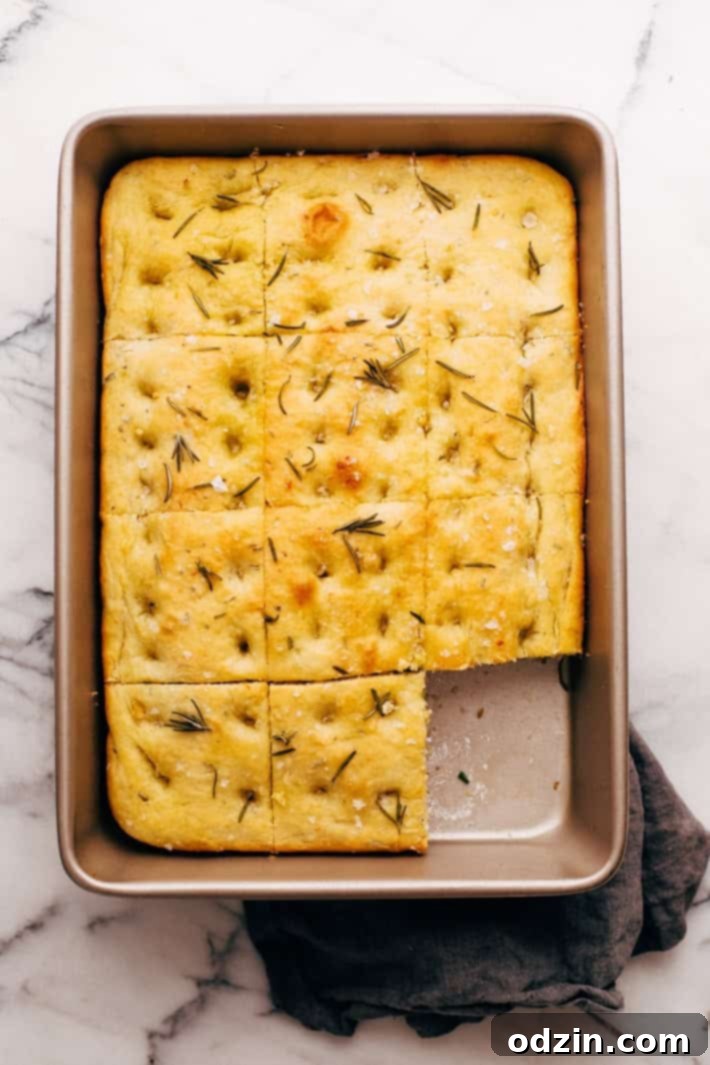
- Brush the remaining 2 tablespoons of olive oil onto the dough. Using your fingers poke holes in the surface of the dough (seriously, poke all the way to the pan!) Sprinkle with additional rosemary, if desired and flaked sea salt (affiliate link). Bake the bread for 20-25 minutes or until golden brown on top and cooked all the way through. Remove from the oven, drizzle or brush with a little bit more olive oil and let cool for a few minutes before slicing and serving!
Notes
- You can use all AP flour for this recipe or what I find yields slightly better results is using 1 1/4 cup bread flour with 2 1/2 cups of all-purpose flour. I suggest using the ‘spoon and level’ method when measuring out the flour. Here’s a video that shows you how to do that!
- A dryer is a great place for your bread dough to proof. Heat the dryer on high for 4-5 minutes, turn off the dryer. And place your bowl inside, and do not open the dryer for 1 hour.
- If you have a hand mixer with dough hook attachment, that will work just fine for this recipe. You can also use a bread dough machine to combine the dough or even just knead the dough with your own hands (about 12-14 minutes).
Have you made this recipe?
If you enjoyed this recipe, please consider leaving a ⭐️⭐️⭐️⭐️⭐️ rating and a comment below. You can also share a picture on Instagram with the hashtag #LITTLESPICEJAR, I’d love to see what you made!