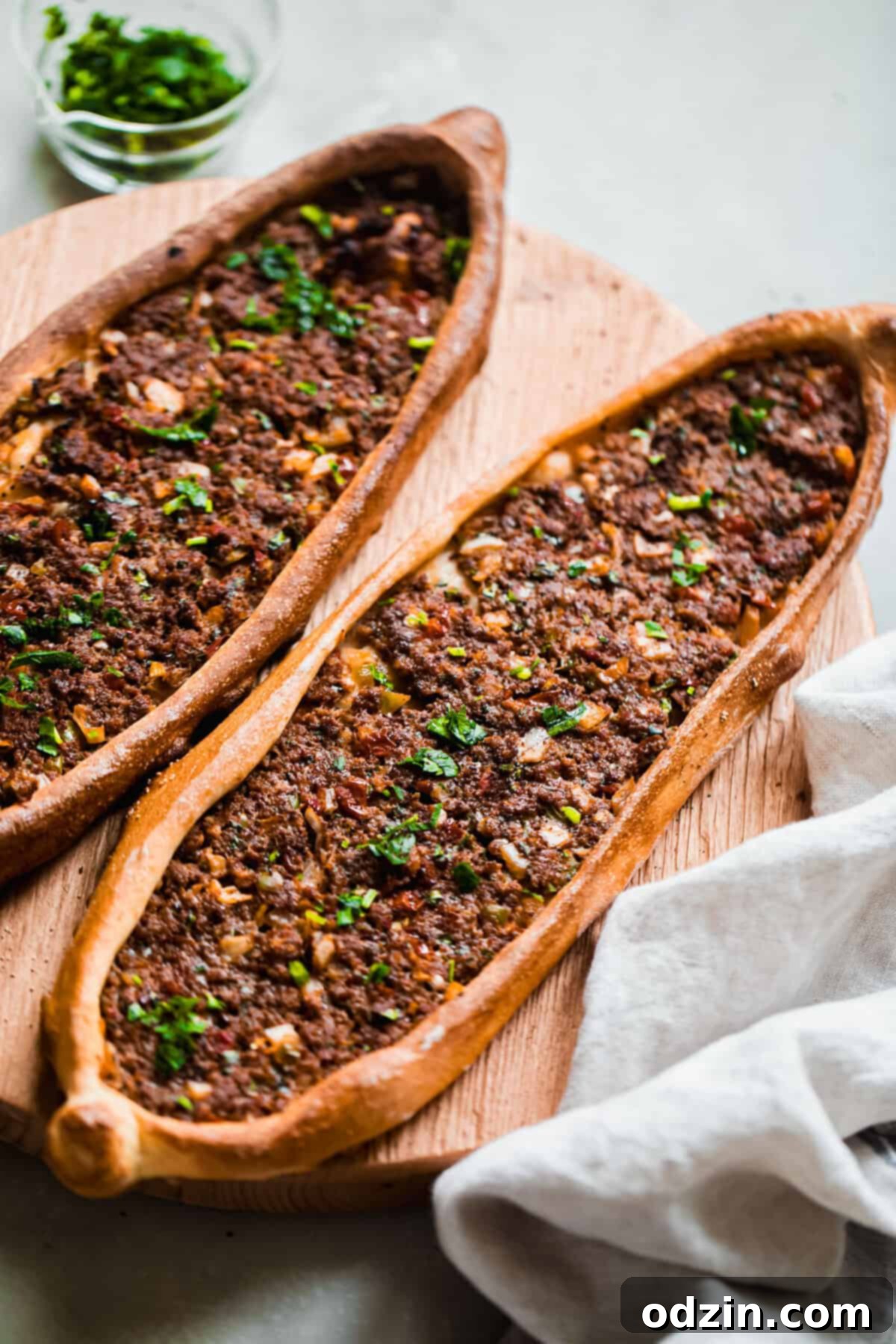
Homemade Turkish Pide: Your Guide to Crafting Authentic Boat-Shaped Flatbreads
Turkish Pide, often affectionately referred to as Turkish Flatbread or a “boat-shaped pizza,” stands as a beloved culinary gem from Turkey. This versatile and incredibly flavorful pastry is a staple in Turkish cuisine, celebrated for its warm, pillowy dough and its generous, savory fillings. Whether you’re seeking a hearty main course or a delightful appetizer to share, homemade Turkish Pide offers an unparalleled experience, blending robust flavors with comforting textures. It’s truly a dish that captures the heart of Turkish hospitality and culinary tradition.
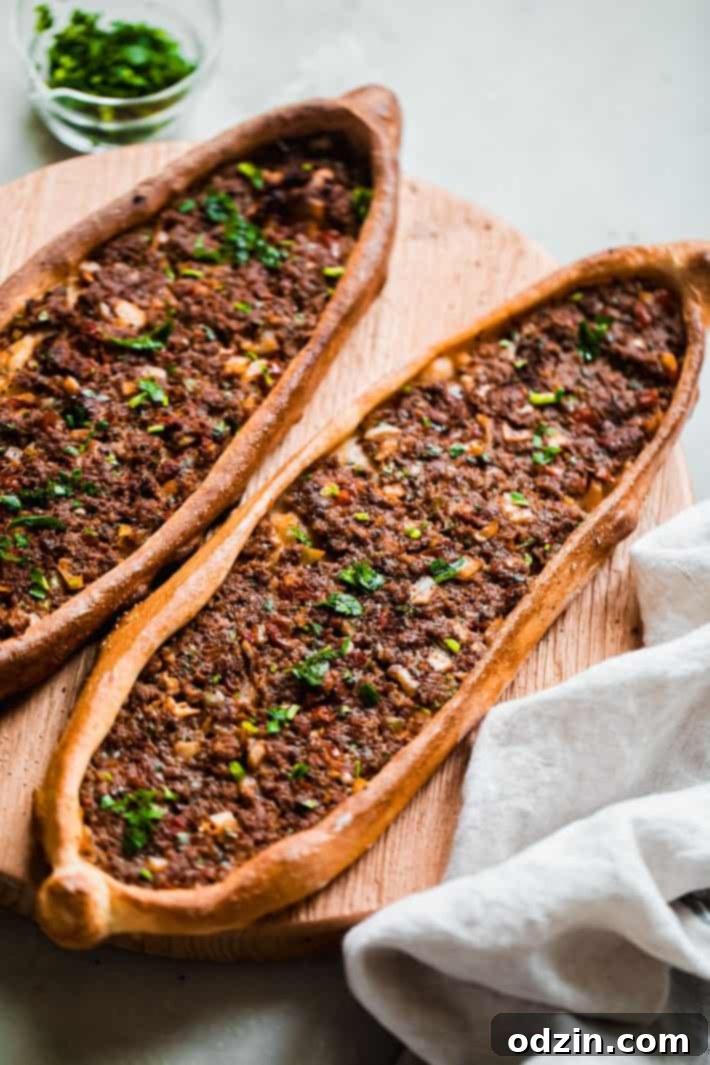
Imagine biting into a freshly baked, warm, and fluffy Turkish Pide, its soft crust giving way to a rich, savory filling. This experience alone is enough to transport you straight to the bustling streets and vibrant markets of Istanbul. Turkish cuisine, in general, is renowned for its depth of flavor and variety, a fact you’d quickly confirm by simply glancing at photos from any recent trip to Istanbul. From luxurious Turkish breakfasts to succulent wraps, the food scene is a true delight. And amongst these treasures, Pide holds a special place, often becoming a favorite for many visitors and locals alike.
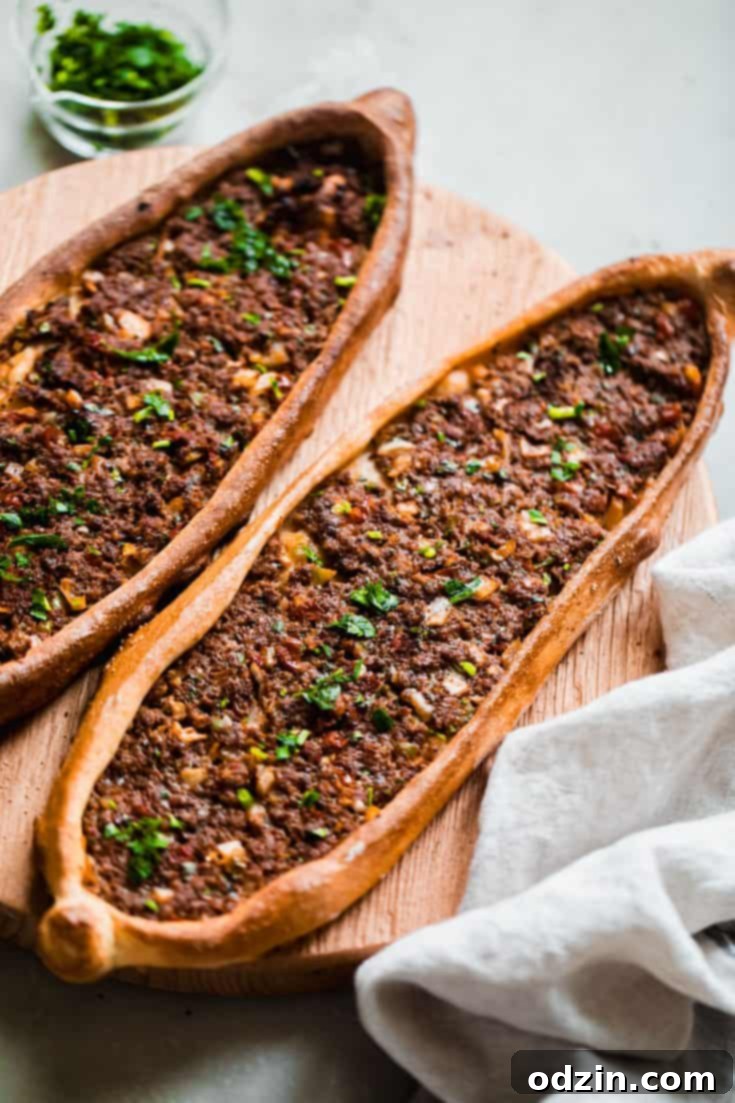
There’s an undeniable allure to a pillowy-soft, flour-based dough, masterfully shaped into an elegant “boat” and generously loaded with a choice of seasoned ground beef, an assortment of exquisite cheeses, or a medley of roasted vegetables. Each bite offers a harmonious blend of textures and tastes, making it an irresistible treat. It’s the kind of dish that beckons you to dive in and savor every moment.
What are Turkish Pides? A Culinary Deep Dive
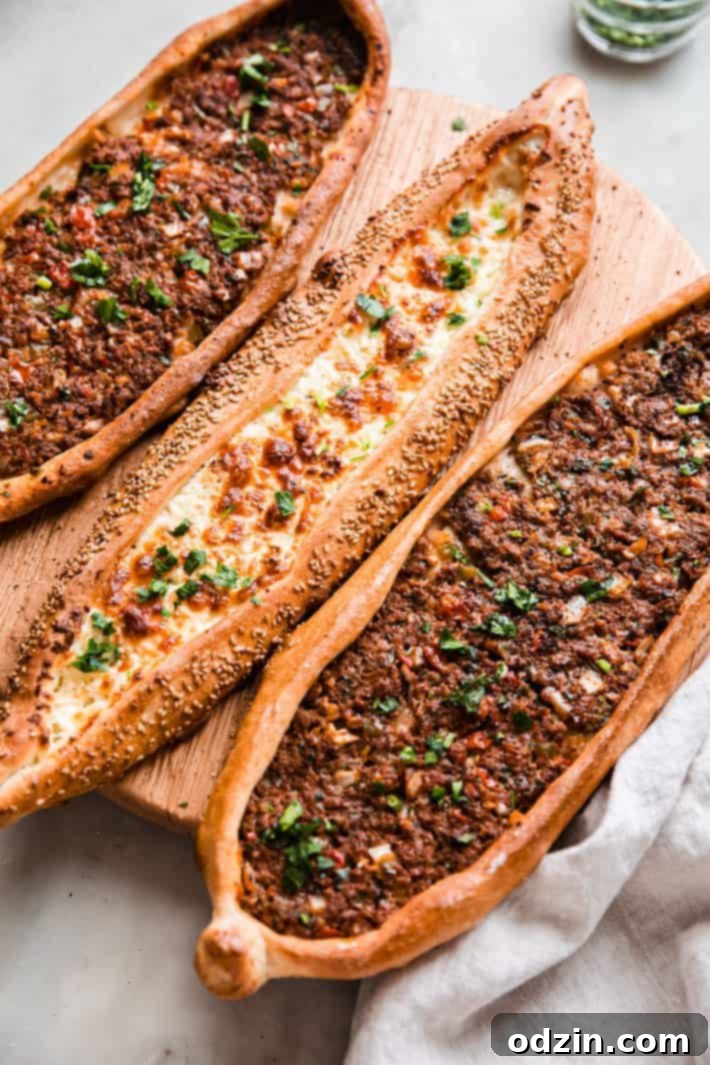
At its core, Turkish Pide bread is a distinctive type of Turkish pizza, characterized by its unique boat-like shape and its simple yet robust dough. Unlike its round Italian counterpart, Pide is elongated, with its edges folded over to create a crusty border that encases the delicious fillings. Before baking, the dough is typically brushed with an egg wash, which imparts a beautiful golden sheen, and often sprinkled with aromatic sesame seeds or distinctive nigella seeds, adding both flavor and visual appeal.
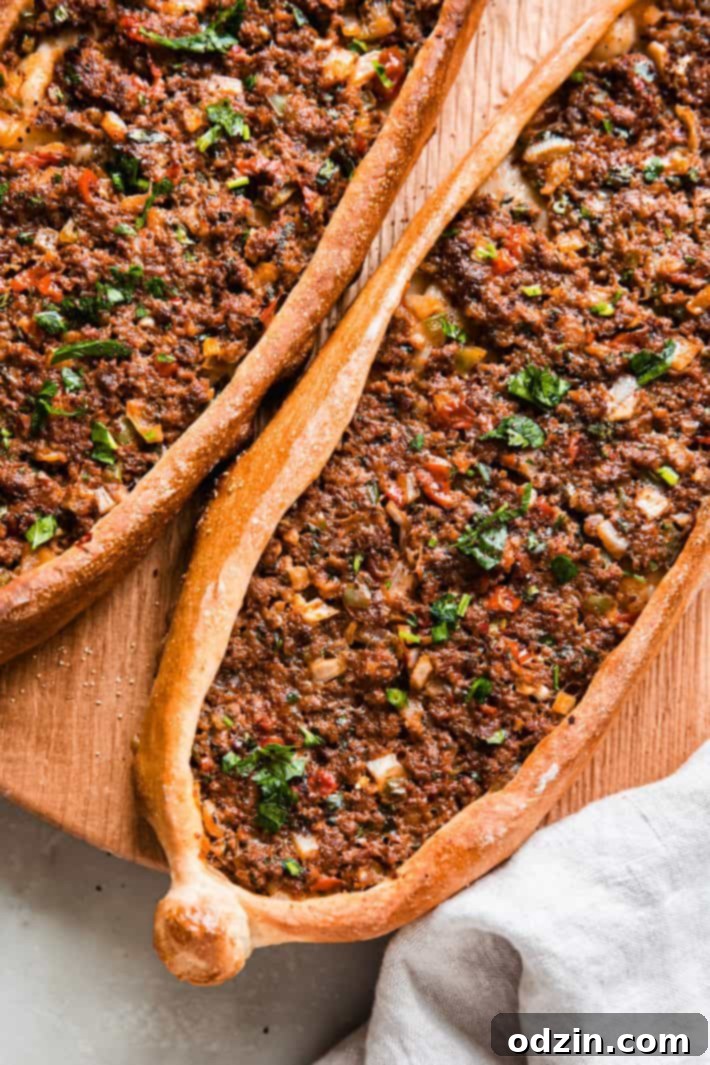
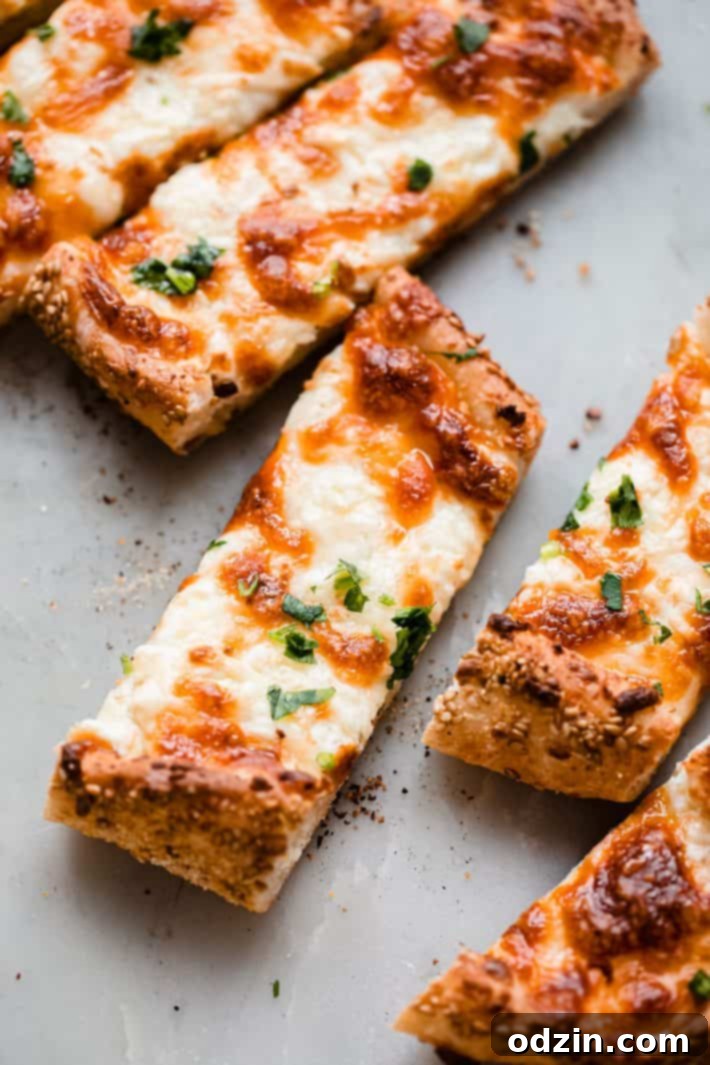
The beauty of Pide lies in its incredible versatility when it comes to fillings. You can opt for an elegantly simple approach, using just a handful of finely shredded cheeses that melt into a gooey, flavorful layer. Or, for a heartier option, you can prepare a rich ground beef or lamb filling, seasoned with traditional Turkish spices, fresh tomatoes, finely diced onions, and a hint of garlic. Another popular and authentic choice combines savory cheese with sucuk, a type of spicy or mild Turkish sausage, offering a delightful kick. For those who prefer a vegetarian option, sautéed spinach Pide is a fantastic choice, or a vibrant mix of roasted eggplant, peppers, and onions can be transformed into a delectable filling. For an extra touch of richness, a raw egg yolk is sometimes cracked onto a feta cheese Pide just before it finishes baking, creating a creamy center that perfectly complements the salty cheese.
The possibilities for customizing your Turkish Pide are truly endless, allowing for creative experimentation with flavors and textures. This adaptability ensures that there’s a Pide for every palate and occasion, making it a perfect dish to explore and personalize in your own kitchen.

Essential Ingredients for Crafting Your Homemade Turkish Pide:
Creating an authentic and delicious Turkish Pide starts with selecting the right ingredients. Each component plays a vital role in achieving that perfect fluffy crust and flavorful filling.
- Bread Flour: This is a crucial choice for our Pide dough. Bread flour has a higher protein content compared to all-purpose flour, leading to superior gluten development. This results in a chewier, more elastic dough with a wonderfully airy and tender crumb, providing the ideal texture for your flatbread.
- Instant Yeast: To streamline the baking process and minimize proofing time, instant yeast is our preferred choice. Unlike active dry yeast, which requires a preliminary activation step in warm water and sugar, instant yeast can be directly combined with your dry ingredients. This convenience makes it a go-to for many of my bread recipes, ensuring consistent and efficient results. I highly recommend purchasing it in bulk and storing it in the freezer to maintain its potency.
- Sugar: A small amount of sugar is added primarily to activate and feed the yeast, kick-starting the fermentation process. It doesn’t contribute significant sweetness to the final bread but is essential for the yeast to “wake up” and begin producing gases that make the dough rise beautifully.
- Kosher Salt: More than just a seasoning, kosher salt is vital for enhancing the overall flavor of the bread dough, balancing the sweetness and adding depth. It also plays a role in regulating yeast activity, ensuring a controlled rise.
- Olive Oil: A staple in many bread recipes, olive oil contributes to the dough’s softness and elasticity. It also adds a subtle richness and helps achieve a golden, crisp crust during baking.
- Lukewarm Water: The temperature of your water is critical for yeast activation. Water between 105-110ºF (40-43ºC) is ideal for jump-starting the yeast without harming it. Water that’s too cold won’t activate it effectively, while water that’s too hot can kill the yeast, preventing your dough from rising.
- Warm Milk: Incorporating a few tablespoons of warm milk into the dough provides a touch of richness and helps create an incredibly tender crumb. Milk sugars also contribute to a beautifully browned crust. If fresh milk isn’t available, powdered milk can be used, simply adjust the water quantity accordingly.
- Egg: A single large egg is used to create an egg wash, which is brushed over the Pide dough before baking. This wash gives the Pide a gorgeous golden-brown color and a slight sheen. While sprinkling with sesame or nigella seeds is optional, the egg wash itself is highly recommended for optimal appearance and a subtle flavor boost.
- Filling of Choice: The heart of your Pide! A classic option is a blend of cheeses like Akkawi (for its mild, slightly salty taste) and mozzarella (for its excellent melt). For meat lovers, a robust filling of raw ground beef or lamb, seasoned with fresh green peppers, ripe tomatoes, minced garlic, aromatic Aleppo pepper (or red pepper flakes), and other key spices, is superb. The beauty is that this filling is prepared raw and cooks perfectly inside the Pide as it bakes, infusing the bread with all its flavors.
Step-by-Step Guide: How to Make Authentic Turkish Pide Bread at Home
Making delicious Turkish Pide at home is a rewarding experience. Follow these detailed steps to achieve perfect results every time.
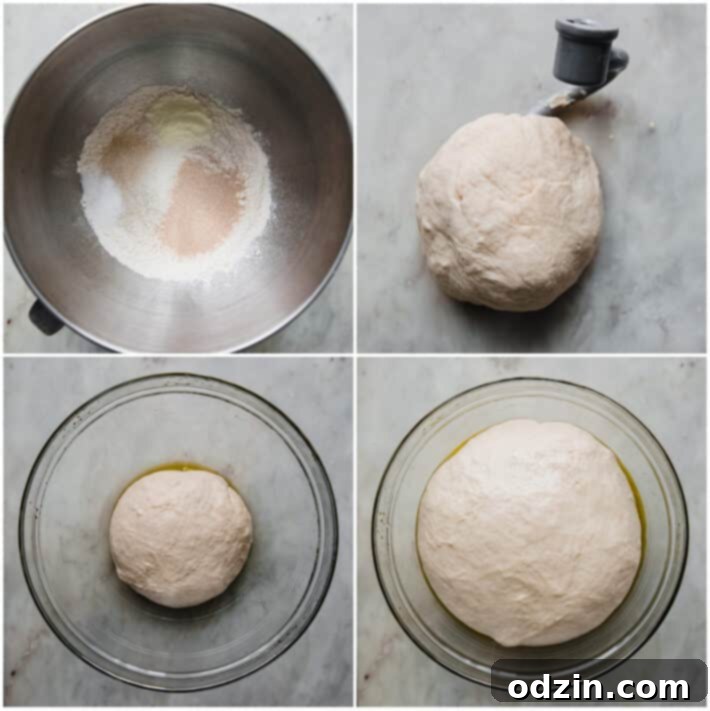
- Prepare the Dough: Begin by combining all your dry dough ingredients – bread flour, instant yeast, sugar, and kosher salt – in the bowl of a stand mixer. Use a paddle attachment or your hands to mix them thoroughly. Next, add the olive oil, warm water, and warm milk. Start mixing on a low speed, allowing the ingredients to come together. Once a shaggy dough forms, switch to a dough hook (if using a mixer) and knead for a full 10 minutes on medium speed, or significantly longer if kneading by hand. The goal is a smooth, elastic, and supple dough. To test for readiness, gently press the dough with your index finger; it should spring back slowly and shouldn’t feel overly sticky. If it’s too wet, add flour one tablespoon at a time; if too dry, add water similarly.
- Allow the Dough to Rest and Rise: Once your dough is perfectly kneaded, form it into a neat ball. Lightly oil a clean bowl, place the dough inside, and turn it to coat. Cover the bowl tightly with plastic wrap or a clean, damp kitchen towel to prevent it from drying out. Place the covered bowl in a warm, draft-free spot for 60 to 90 minutes, or until the dough has impressively doubled in size. During the last 10-15 minutes of the resting period, it’s crucial to preheat your oven to a high temperature (typically 500ºF or 260ºC) to ensure it’s piping hot when the Pides go in. This is also the perfect time to prepare your chosen filling, whether it’s shredding cheese or mixing your ground beef combination.
- Divide and Prepare the Dough Portions: Once the dough has beautifully risen, gently transfer it to a lightly floured work surface. Divide the dough into 5 equal pieces. For accuracy, you can weigh them out using a kitchen scale. Work with one dough ball at a time, keeping the remaining portions covered with a damp towel to prevent them from drying out and forming a crust. Allow these divided portions to rest for another 20-30 minutes, which makes them easier to roll.
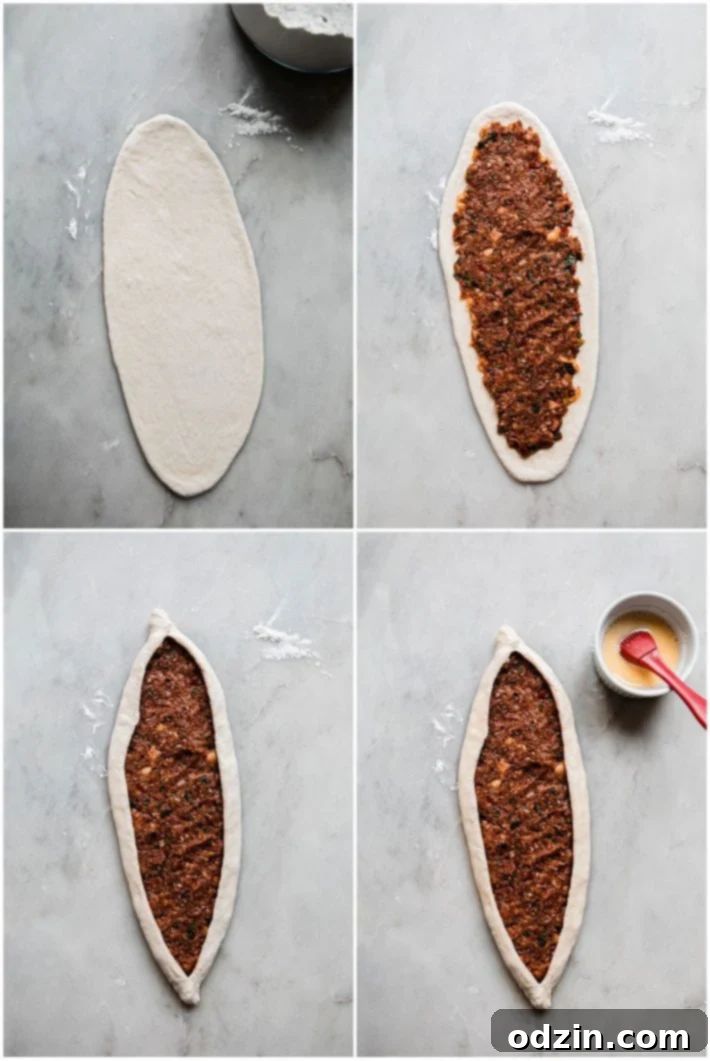
- Shape the Dough into Ovals: On your lightly floured surface, take one dough ball and use a rolling pin to stretch it into an elongated, oval shape. Aim for an approximate length of 18 inches, with the widest part of the oval measuring around 6-7 inches. The dough should be relatively thin but still pliable. Lightly sprinkle a baking sheet with cornmeal or semolina – this prevents sticking and helps create a deliciously crisp bottom crust. Carefully transfer your first rolled-out oval onto one side of the prepared baking tray. (A note on parchment paper: it has a lower burning point, typically around 420-450ºF, which is often lower than the high temperatures required for Pide, so direct contact with cornmeal/semolina is often preferred).
- Fill and Form the Pide: Once the oval is on the baking sheet, spoon your chosen filling evenly down the center, leaving a ½-inch border clear around all edges. This border is essential for shaping. Now, fold and gently twist the top and bottom ends of the oval inward to create the characteristic pointed tips of the “boat.” Then, carefully pull and fold the long edges of the dough over the filling, creating a raised rim that encases the delicious contents. Whisk together your large egg with a tablespoon of water to create an egg wash, and brush this mixture generously over the folded dough edges. Finally, sprinkle with sesame or nigella seeds, if desired, for extra flavor and visual appeal.
- Bake to Golden Perfection: Place the baking sheet with your prepared Pides (you can usually bake two at a time) into the preheated oven. Bake for approximately 14-17 minutes, or until the dough turns a beautiful golden brown and the filling is cooked through and bubbling. Keep a close eye on them, as oven temperatures can vary. Once baked, carefully remove the Pides from the oven and transfer them to a wire rack to cool for several minutes. This brief cooling period allows them to set before slicing and serving. Repeat the process with the remaining dough balls, making sure to discard any used semolina/cornmeal and add fresh amounts to the baking sheet between batches to prevent sticking and maintain crispness.
Frequently Asked Questions About This Turkish Pide Recipe
Absolutely! Baking Turkish Pide on a preheated pizza stone or steel yields an incredibly crisp crust and cooks the Pide beautifully. I’ve tested this recipe on a pizza steel, and the results are fantastic. However, there are a few important considerations: transferring the filled Pide can be tricky. I recommend using a pizza peel generously dusted with semolina or cornmeal to slide the Pide onto the hot stone/steel. It’s also much easier if your oven shelf with the stone/steel can be pulled out or if there are no other shelves obstructing the transfer. Brush the edges of the Pide with the egg wash and sprinkle seeds *after* it’s on the stone, as it can be too slippery to transfer once coated. Additionally, Pide cooks much faster on a pizza stone or steel than on a regular baking sheet, typically in about 10-12 minutes, so keep a very close eye on it to prevent over-baking.
Creating the flavorful ground beef filling for your Pide is quite simple and doesn’t require pre-cooking. In a bowl, combine ½ pound of uncooked ground beef with ½ cup of finely chopped onions, 1 chopped Roma tomato, 4 cloves of pressed garlic, 1 deseeded jalapeño (or ¼ green bell pepper for a milder flavor), 2 tablespoons of fresh chopped parsley, 2 teaspoons of robust Aleppo pepper, 1 teaspoon of rich tomato paste, 2 teaspoons of tangy red pepper paste, 2 teaspoons of fresh lemon juice, ¾ teaspoon of kosher salt, and 1 tablespoon of olive oil. Mix all these ingredients thoroughly until well combined. This mixture is added raw to the Pide dough and will cook perfectly in the oven as the bread bakes, infusing the Pide with its delicious flavors. Specific measurements and details for this filling are always provided in the notes section of the recipe card.
Turkish Pide is incredibly versatile and can be served in many ways. I often keep the side dishes simple, allowing the Pide to be the star. It pairs beautifully as a main course after a comforting starter like a warm Turkish lentil soup (Mercimek Çorbası). If I’m hosting guests, I love to accompany the Pide with a crisp, refreshing green salad. To complete the authentic Turkish dining experience, a sweet treat like homemade Baklava for dessert is always a perfect finish. Pide is also wonderful simply served with a dollop of yogurt or a sprinkle of fresh herbs.
If You Enjoyed This Turkish Pide Recipe, You Might Also Like These:
- Manakeesh (Zaatar bread with cheese)
- Frozen Mint Lemonade (Limonana)
- Easy Zaatar Puff Pastry Twists
- Homemade Beef Shawarma (delicious meat for a Pide filling!)
- Luxurious Turkish Lentil Soup (with Potatoes)
Authentic Turkish Pide (Turkish Flatbread)
40 minutes
30 minutes
1 hour 20 minutes
2 hours 30 minutes
This recipe guides you through making incredibly delicious Turkish Pide, also known as Turkish Flatbread. These boat-shaped pastries are similar to a pizza and are traditionally served throughout Turkey. They can be generously loaded with a variety of fillings, such as savory ground beef, flavorful sausage (sucuk), a blend of shredded cheeses, vibrant roasted red peppers, or mixed fresh vegetables. Perfect for a satisfying main course or a shareable appetizer, homemade Turkish Pide is a comforting and authentic culinary experience that will impress any palate.
Ingredients
- 3¼ cups (396 grams) bread flour, plus additional for dusting
- 2 teaspoons instant yeast
- 2 teaspoons granulated sugar
- 1¼ teaspoon kosher salt
- 2 tablespoons olive oil
- 1 cup warm water (maintained at 105-110ºF)
- 3 tablespoons warm milk
- 1 large egg, beaten with 1 tablespoon water for egg wash
- Sesame or nigella seeds, for sprinkling (optional, but highly recommended)
- Your preferred cheese, such as Kesar, Akkawi, or mozzarella (see notes for quantity)
- Sucuk (Turkish sausage), thinly sliced or chopped (optional, see notes)
- Prepared meat filling (details in notes section)
Instructions
- PREPARE DOUGH: In the large bowl of a stand mixer, combine all dry ingredients (bread flour, instant yeast, sugar, salt) and mix briefly. Add the olive oil, warm water, and warm milk to the bowl. Using your hands, a dough whisk, or a stand mixer set on speed 4, combine until a shaggy dough forms. Once mixed, continue to knead the dough with the mixer for 10 minutes (or longer if by hand) until it becomes smooth, elastic, and no longer sticky when poked with a finger. The dough should have a pleasant bounce. If it feels too wet, add flour one tablespoon at a time; if too dry, add water one tablespoon at a time, mixing well after each addition.
- PROOF DOUGH: Gently gather the dough into a ball. Lightly oil a clean bowl, place the dough inside, and turn to coat. Cover the bowl tightly with plastic wrap or a slightly damp towel. Allow the dough to proof in a warm, draft-free place for 60-90 minutes, or until it has visibly doubled in size (refer to process photos for guidance). Approximately 10-15 minutes before the dough is fully proofed, position an oven rack in the center and preheat your oven to 500ºF (260ºC). If using a pizza stone or steel, allow it to preheat in the oven for at least 45 minutes for optimal heat retention.
- DIVIDE DOUGH: Carefully transfer the risen dough to a lightly floured work surface. Divide the dough into 5 equal pieces; you can weigh them for precision or eyeball them. Cover the unused dough balls with a slightly damp tea towel to prevent them from drying out. Let the divided dough portions rest for an additional 20-30 minutes, which will make them easier to roll out.
- ROLL & PREPARE: Working with one dough ball at a time, use a rolling pin to roll it out into an elongated oval shape, approximately 18 inches in length and 6-7 inches wide at its center. Lightly sprinkle a baking sheet with semolina or cornmeal to prevent sticking and promote a crispy crust. Carefully transfer the rolled-out oval onto one side of the prepared baking sheet. You will typically bake 2 Pides on a single sheet pan at a time.
- FILL & SHAPE: Spoon your chosen filling (cheese, cheese/sucuk, or the prepared ground beef filling – see notes) evenly down the center of the oval dough, ensuring you leave a ½-inch gap around all the edges. Fold the top and bottom ends of the dough inward and gently twist them to create the signature pointed tips of the Pide boat. Then, carefully pull and fold the long edges of the dough over the filling, creating a raised border that neatly encloses the ingredients. Brush the folded edges with the lightly beaten egg wash and, if desired, sprinkle generously with nigella or sesame seeds.
- BAKE: Transfer the baking sheet with the prepared Pides to the preheated oven. Bake for 14-17 minutes, or until the dough is beautifully golden brown, and the filling is cooked through and bubbling. Baking times may vary based on your oven, so monitor closely. Once baked, remove the Pides from the oven and transfer them to a wire rack to cool for several minutes before slicing and serving. Bake any remaining Pides in the exact same manner, ensuring you discard any old semolina/cornmeal and add fresh amounts to the baking tray between batches.
Notes
- Cheese Selection: For a balanced and delicious cheese Pide, you’ll need approximately ¾ cup of shredded cheese per Pide. A mixture of Akkawi and mozzarella is highly recommended for both flavor and meltability.
- Ground Beef Filling Ingredients: To prepare the savory ground beef filling, combine the following in a bowl: ½ pound of uncooked ground beef, ½ cup of finely chopped onions, 1 chopped Roma tomato, 4 cloves of pressed garlic, 1 deseeded jalapeño (or ¼ green bell pepper for a milder flavor), 2 tablespoons of fresh chopped parsley, 2 teaspoons of vibrant Aleppo pepper, 1 teaspoon of rich tomato paste, 2 teaspoons of bold red pepper paste, 2 teaspoons of fresh lemon juice, ¾ teaspoon of kosher salt, and 1 tablespoon of olive oil. Mix all ingredients thoroughly until well combined. This raw filling is added directly to the dough in step 4 and will cook in the oven with the Pide.
- Efficiency Tip for Meat Filling: To save time, you can chop the onions, tomatoes, jalapeño (or green pepper), and parsley together in a food processor before combining them with the raw ground beef and other seasonings. Please note that the quantities listed above for the meat filling are sufficient for three Pides. If you plan to make more meat-filled Pides, you will need to double the recipe for the filling accordingly.
Recommended Products
- Authentic Turkish Pepper Paste
- Premium Aleppo Pepper
- High-Quality Instant Yeast
- Classic Wood Rolling Pin
- Durable Pizza Stone or Steel
Have you made this delicious Turkish Pide recipe?
If you savored making and tasting this authentic Turkish Pide, please consider leaving a ⭐️⭐️⭐️⭐️⭐️ rating and a thoughtful comment below to share your experience! You can also share a picture of your creation on Instagram using the hashtag #LITTLESPICEJAR – I would absolutely love to see your culinary masterpieces!