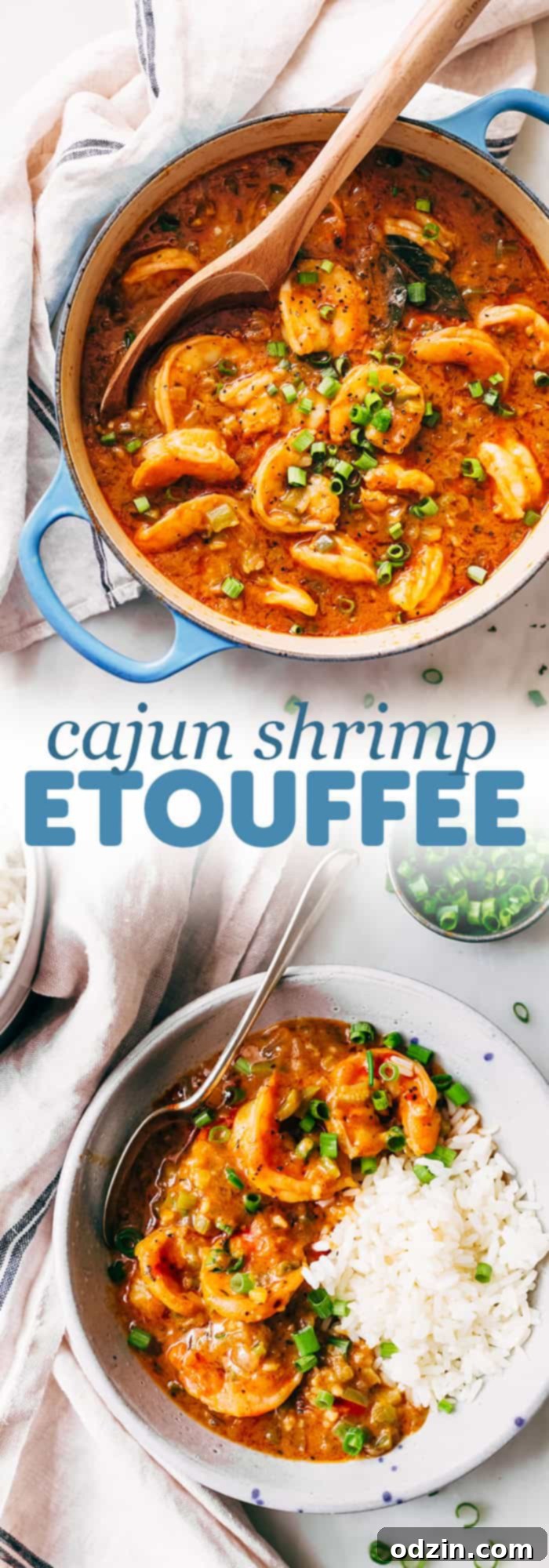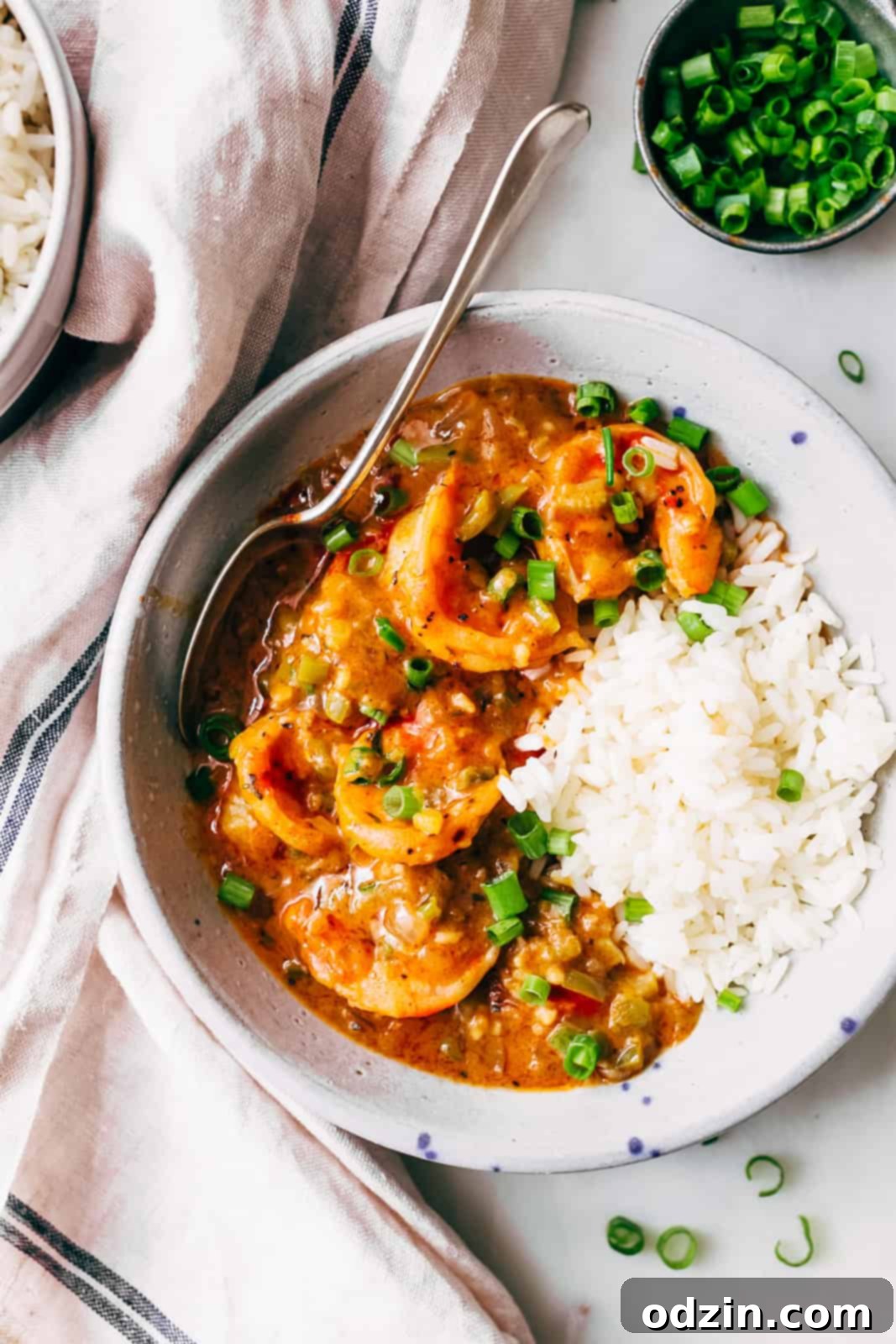
Authentic Cajun Shrimp Étouffée: A Heartwarming Recipe from Scratch
Experience the rich, comforting flavors of New Orleans with this homemade shrimp étouffée recipe. We’ll guide you through making a perfect roux from scratch and blending your own Cajun seasoning for an unforgettable meal. Serve this smothered shrimp stew over fluffy rice for the ultimate comfort food experience!
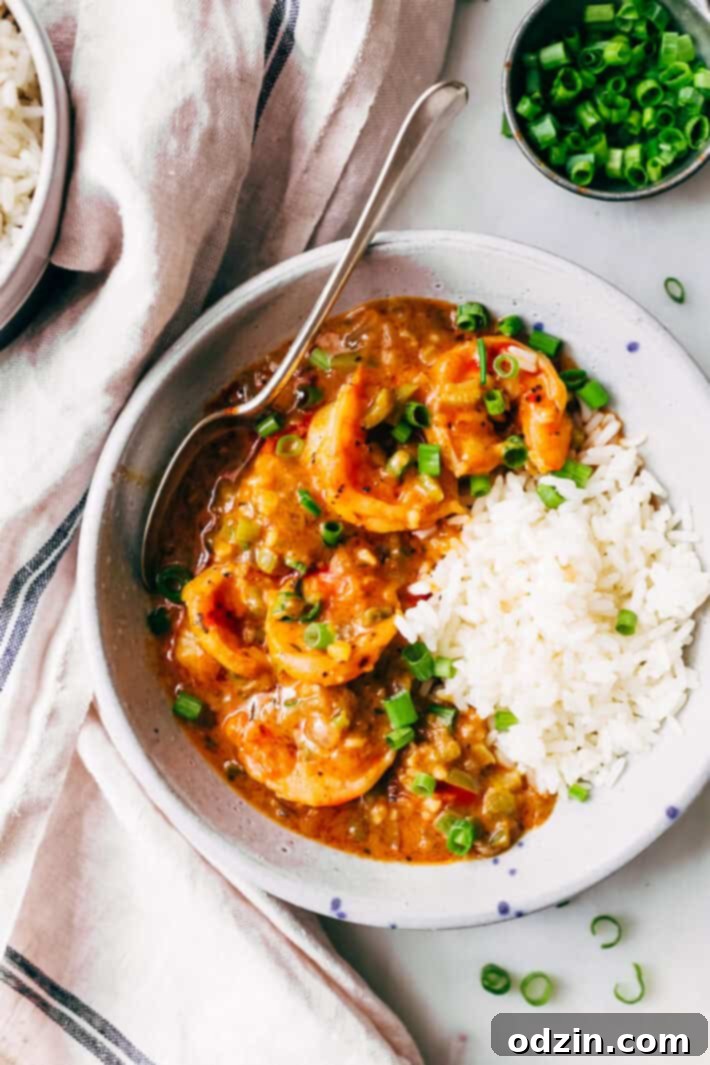
Welcome back to another edition of Comfort Food September! There’s nothing quite like a hearty, soul-satisfying meal to warm you from the inside out, especially as the days grow shorter and the weather turns chilly. Today, we’re diving deep into the heart of Louisiana cuisine to bring you a true Cajun classic: homemade Shrimp Étouffée.
Shrimp étouffée isn’t just a meal; it’s an experience. It’s the kind of dish I love to prepare when the weather is gloomy, and I need a culinary hug. Imagine the aroma of a slow-cooked roux mingling with aromatic vegetables and succulent shrimp, all simmering into a thick, flavorful stew. It’s perfect for a cozy Friday lunch, especially when loved ones are around to share in its deliciousness. There’s a certain joy in creating something so deeply comforting from scratch, a process that truly feels like an act of love.
For this authentic shrimp étouffée, we’re embarking on the rewarding journey of making our roux entirely from scratch on the stovetop. While it may seem like a process that demands a bit of patience and attention, it’s also wonderfully meditative. The rhythmic stirring of the roux allows for a peaceful moment of reflection, a chance to get lost in thought as the kitchen fills with an enticing, nutty aroma. These are the meals that resonate most deeply with me – those that require a bit of mindful effort, transforming simple ingredients into something truly extraordinary.
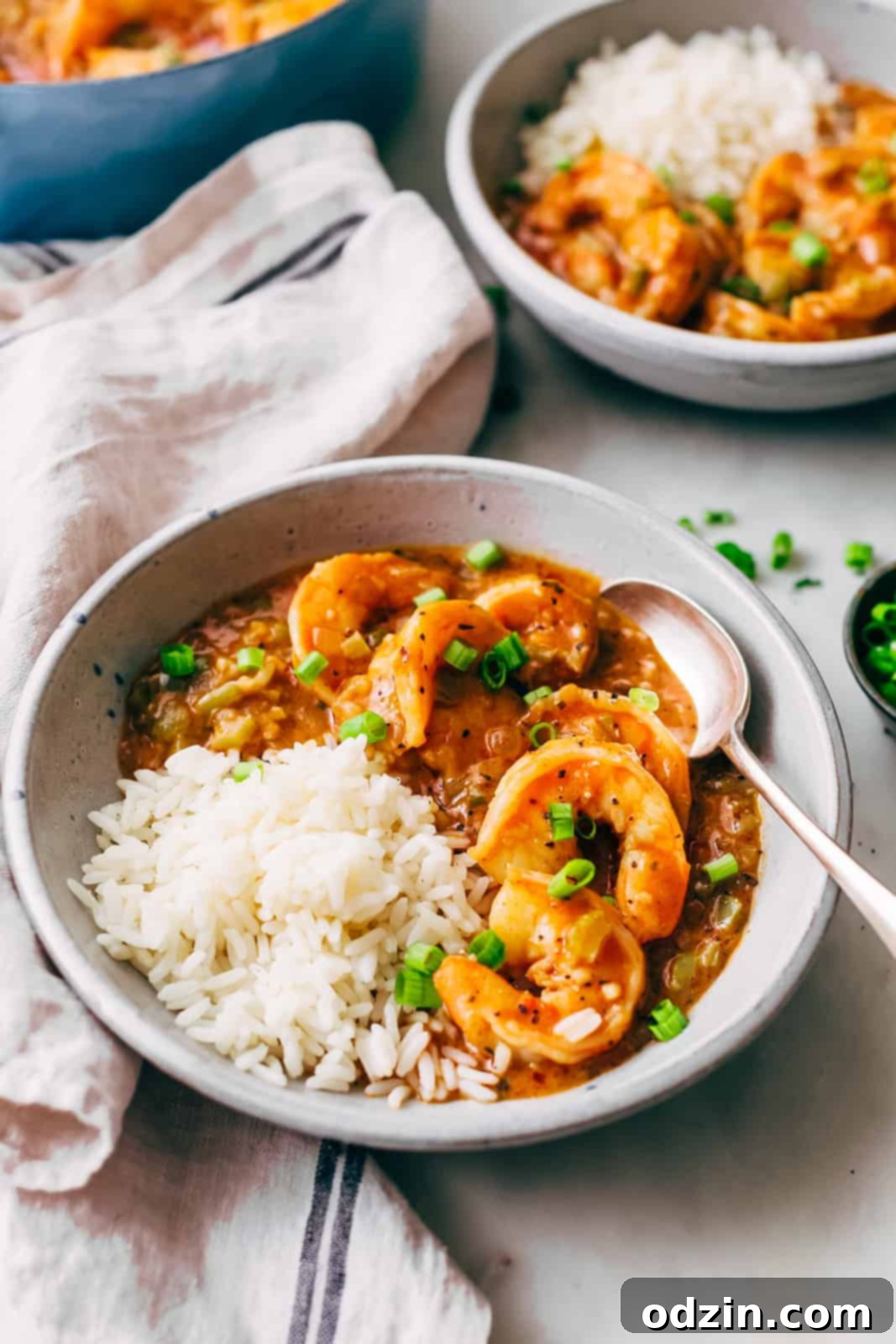
Over the years, I’ve shared many beloved recipes, including my gumbo. That recipe has evolved countless times in my kitchen; sometimes I’ll swap sausage for chicken, other times I’ll craft a luxurious shrimp and crab gumbo. And yes, *gasp*, occasionally I even omit the tomatoes for a different flavor profile. Regardless of the variations, it always earns rave reviews from family and friends. Today’s shrimp étouffée is no different – it’s a showstopper, boasting deep flavors and a wonderfully rich texture that promises to be just as popular as its gumbo cousin. I’m thrilled to finally share this incredible recipe with you!
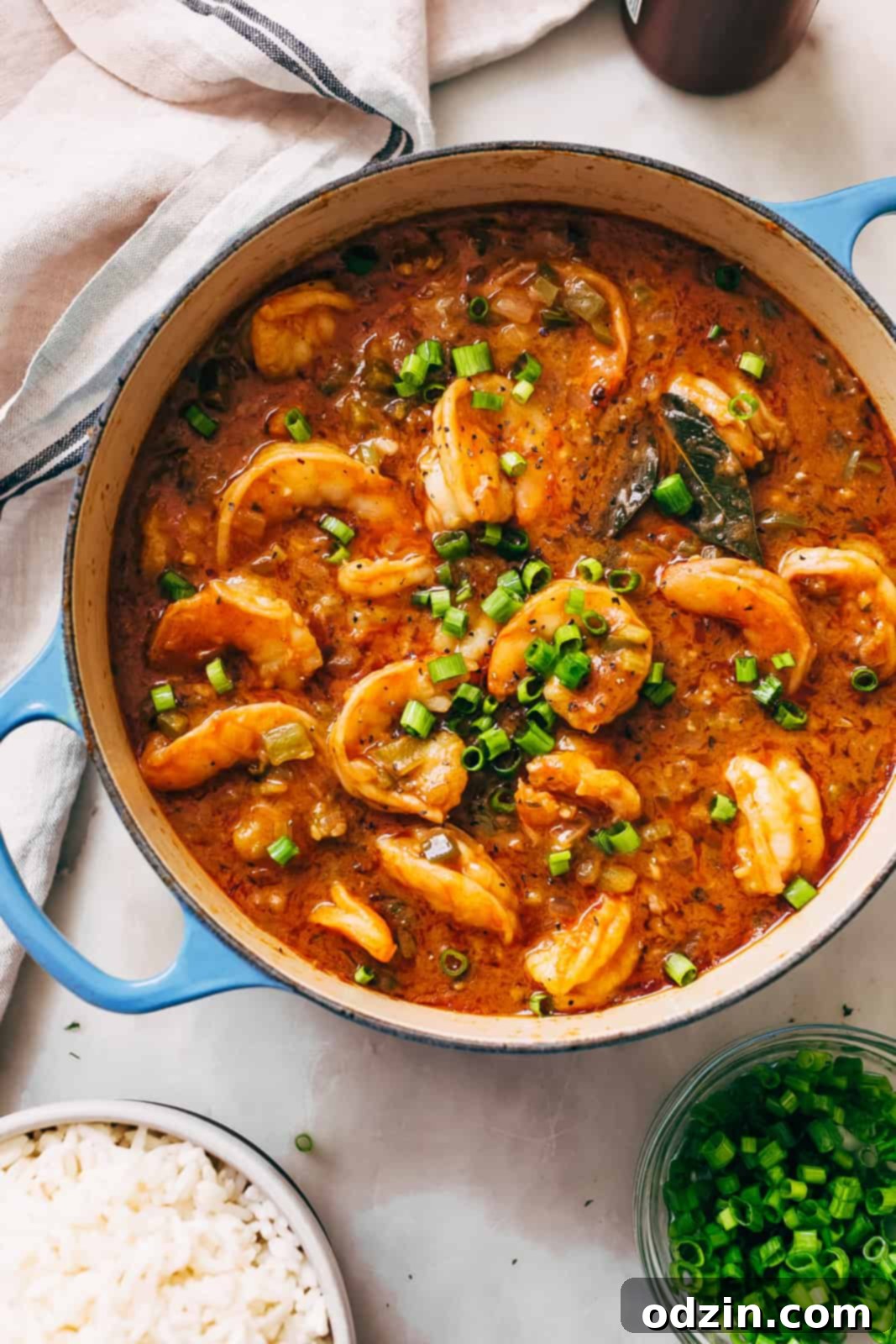
Understanding the Difference: Étouffée vs. Gumbo
While both étouffée and gumbo are pillars of Cajun and Creole cuisine, originating from the vibrant culinary traditions of Louisiana, they possess distinct characteristics that set them apart. Understanding these differences will help you appreciate each dish’s unique charm.
Think of gumbo as a hearty soup. It typically features a thinner, more brothy consistency and is often served in a bowl, perhaps with a scoop of rice on the side. Gumbo is renowned for its versatility and often incorporates multiple types of protein, such as chicken, shrimp, sausage, crab, and even crawfish. The vegetables in gumbo, like the “holy trinity” of onion, celery, and bell pepper, are often cut into larger pieces, contributing to a substantial, textural experience throughout the dish.
Étouffée, on the other hand, is more akin to a rich, thick stew. The word “étouffée” itself is French for “smothered,” perfectly describing its cooking method and consistency. This dish is usually much thicker than gumbo, designed to be served directly over a bed of rice, allowing the rice to soak up every drop of its flavorful sauce. Traditionally, étouffée focuses on a single star protein, most commonly shrimp or crawfish, allowing its flavor to truly shine. While you *could* certainly add more protein, keeping it simple allows the “smothered” essence to dominate.
Crafting Homemade Shrimp Stock: The Secret to Deep Flavor
Before we dive into the heart of the étouffée, let’s talk about the base: shrimp stock. Do you absolutely *need* to make your own for this recipe? Absolutely not. You can certainly achieve a delicious result using good quality store-bought seafood stock or even a bottle of clam juice. However, if you’re looking to elevate your étouffée to an unparalleled level of flavor, homemade shrimp stock is truly a game-changer.
My secret to always having shrimp stock on hand is simple: I buy shell-on shrimp. After cleaning and deveining them, I store the shells in a freezer-safe bag. Once I’ve accumulated enough shells (usually from about two pounds of shrimp), I dedicate a short amount of time to making a batch of incredibly flavorful stock. It’s essentially “free” flavor, utilizing parts of the shrimp that might otherwise be discarded, and it imparts an oceanic depth that store-bought alternatives often can’t match in this étouffée recipe.
To make your own shrimp stock, gather the shells from approximately two pounds of shrimp. Combine these shells in a large stock pot with three cups of water, a few sprigs of fresh parsley, a few sprigs of fresh thyme, a couple of smashed garlic cloves, a few peppercorns, and a generous pinch of salt. Bring the mixture to a gentle simmer and let it cook for 30-45 minutes, allowing all the wonderful flavors to infuse into the liquid. Once simmered, strain the stock through a fine-mesh sieve, pressing down on the shells to extract all the liquid. Your homemade shrimp stock is now ready! If you wish to make a larger batch, simply double or triple the ingredients. Any leftover broth can be easily cooled and frozen for future use, ensuring you always have this incredible flavor booster at your fingertips.
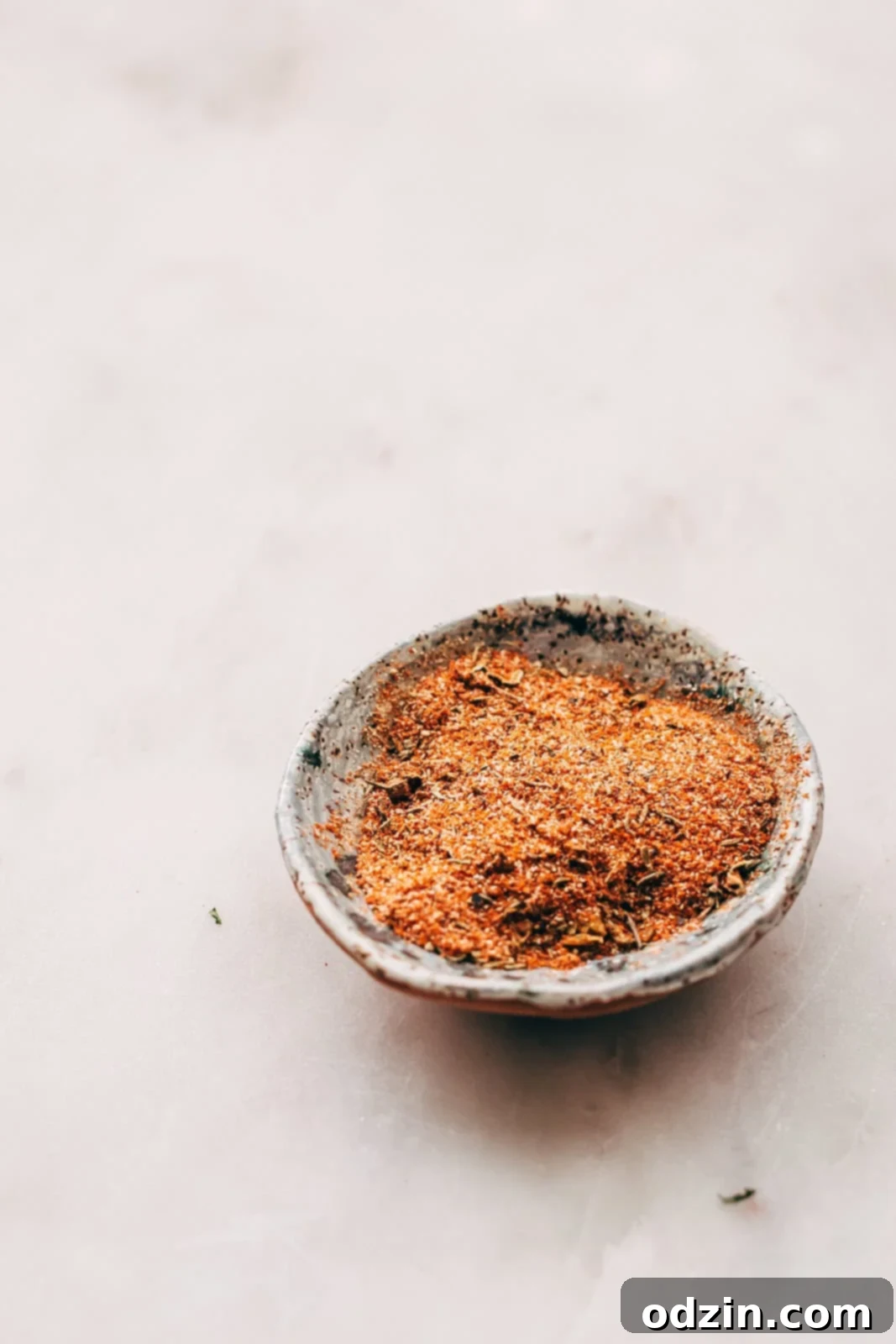
Mastering Your Own Cajun Seasoning Blend
While store-bought Cajun or Creole seasoning blends are readily available and certainly convenient, I’ve found immense satisfaction in crafting my own. Not only does it allow for precise control over the sodium content (a common concern with many commercial blends), but it also lets you customize the spice level and balance of flavors to your exact preference. Plus, it’s incredibly easy, and you likely already have most of the necessary spices in your pantry.
To create your essential homemade Cajun seasoning mix, simply combine the following ingredients:
- Paprika: Provides a rich color and earthy sweetness. Sweet paprika is ideal, but smoked paprika can add a deeper dimension.
- Onion Powder: Contributes a foundational savory flavor.
- Garlic Powder: Essential for that classic aromatic punch.
- Dried Thyme: Adds an herbaceous, slightly floral note that is characteristic of Cajun cuisine.
- Dried Oregano: Offers a robust, peppery, and slightly bitter complement.
- Cayenne Pepper: The primary source of heat. Adjust to your desired level of spice.
- Black Pepper: Adds a sharp, pungent warmth.
- White Pepper: Provides a subtle, earthy heat that rounds out the spice profile.
Of course, if you already have a trusted store-bought Cajun seasoning in your pantry, feel free to use it! Approximately one tablespoon (or more, if you love extra heat) should suffice. However, for those who appreciate the freshness and customizable nature of homemade blends, this recipe delivers a flavor that is just as delicious, if not more so, and empowers you to make it truly your own.
The Art of the Roux: Heart and Soul of Étouffée
Here’s the part that often intimidates aspiring Cajun cooks: making the roux. But fear not! I’m here to guide you through this fundamental step, which is truly the heart and soul of any great étouffée or gumbo. Once you master the roux, you’ll unlock a world of rich, complex flavors.
So, what exactly *is* a roux? In its simplest form, a roux is a cooked mixture of fat (typically oil, though sometimes butter) and flour. It’s slowly browned over heat until it develops a deep, rich color – anywhere from a golden tan to a dark chocolate brown, sometimes with a reddish undertone. This browning process does more than just color the mixture; it toasts the flour, imparting a deep, nutty flavor and a distinctive aroma that is crucial to the character of Cajun dishes. It also acts as a thickening agent, giving the étouffée its desired stew-like consistency.
To make the perfect roux, you’ll need:
- High-Heat Oil: Opt for oils with a high smoke point, such as peanut oil, corn oil, or vegetable oil. These oils can withstand the prolonged cooking time required for a dark roux without burning.
- All-Purpose Flour: Unfortunately, for a traditional roux, all-purpose wheat flour is essential. I cannot confirm if other types of flour would yield the same results in terms of thickening and flavor development.
- Constant Stirring: This is non-negotiable! Patience and continuous stirring are key to preventing the roux from burning and ensuring even browning.
To begin, heat your chosen oil in a heavy-bottomed pot or a Dutch oven over medium-high heat. Once the oil is shimmering, gradually whisk in the flour until it’s fully incorporated and all lumps have disappeared. From this point, it’s a commitment of approximately 20-27 minutes of constant, meditative stirring. This consistent agitation prevents scorching and promotes even browning, slowly transforming the pale flour-and-oil mixture into a deeply flavorful foundation for your étouffée.
The Transformative Stages of Roux Development: A Flavor Journey
Understanding the different stages of a roux is crucial for achieving your desired flavor and thickening power. Each stage offers a unique profile:
- 0-4 Minutes: The Blond Roux. This is the lightest stage, often seen in classic French white sauces like béchamel. It’s cooked for just a few minutes until it’s pale yellow. A blond roux provides excellent thickening power and a subtle, mild flavor.
- 5-9 Minutes: The Peanut Butter Roux. At this point, the roux begins to develop a light cream color, similar to tahini paste or very light peanut butter. A distinctive nutty aroma starts to emerge. It still retains significant thickening abilities but has begun to deepen in flavor.
- 10-14 Minutes: The Light Almond Butter Roux. The color deepens further, resembling light almond butter. The aroma becomes more pronounced, often reminding me of buttered popcorn – a delightful indicator of flavor development. This stage offers a good balance of thickening and flavor.
- 15-22 Minutes: The Medium Brown Roux (Peanut Butter to Milk Chocolate). The roux takes on a rich, medium brown hue, similar to peanut butter or even milk chocolate. Its nutty flavor is more intense. When I first started making roux, I often stopped here. It adds a wonderful depth to étouffées and gumbos while still contributing to their thickness. Many delicious Cajun dishes are built upon a roux of this color.
- 23-27 Minutes: The Deep Red-Brown Roux (My Magic Spot!). This is where the magic truly happens for my étouffée. The roux becomes a deep, dark brown with a noticeable reddish undertone, reminiscent of dark chocolate or even roasted coffee beans. The flavor is profoundly nutty, rich, and robust, offering an incredible foundation for the dish. This stage requires vigilance, as the line between perfectly browned and burnt is very thin. For me, 27 minutes is often the sweet spot, maximizing flavor without crossing into bitterness.
- 28-34+ Minutes: The Black Roux (Dark Chocolate). Achieving a “black roux” takes serious skill, patience, and a high tolerance for intensity. It’s a very dark, almost black color, delivering an incredibly deep, sometimes almost bitter, flavor profile. While some experienced cooks prefer this for certain gumbos, it’s not for everyone, and it’s easy to burn. I typically stop at the deep red-brown stage to ensure a balanced, delicious étouffée without any burnt notes.
Essential Ingredients for Your Shrimp Étouffée
Now that you understand the cornerstone of our dish, the roux, let’s gather the other vital components that will transform it into a truly memorable shrimp étouffée:
- Homemade Roux: Your meticulously prepared blend of oil and flour.
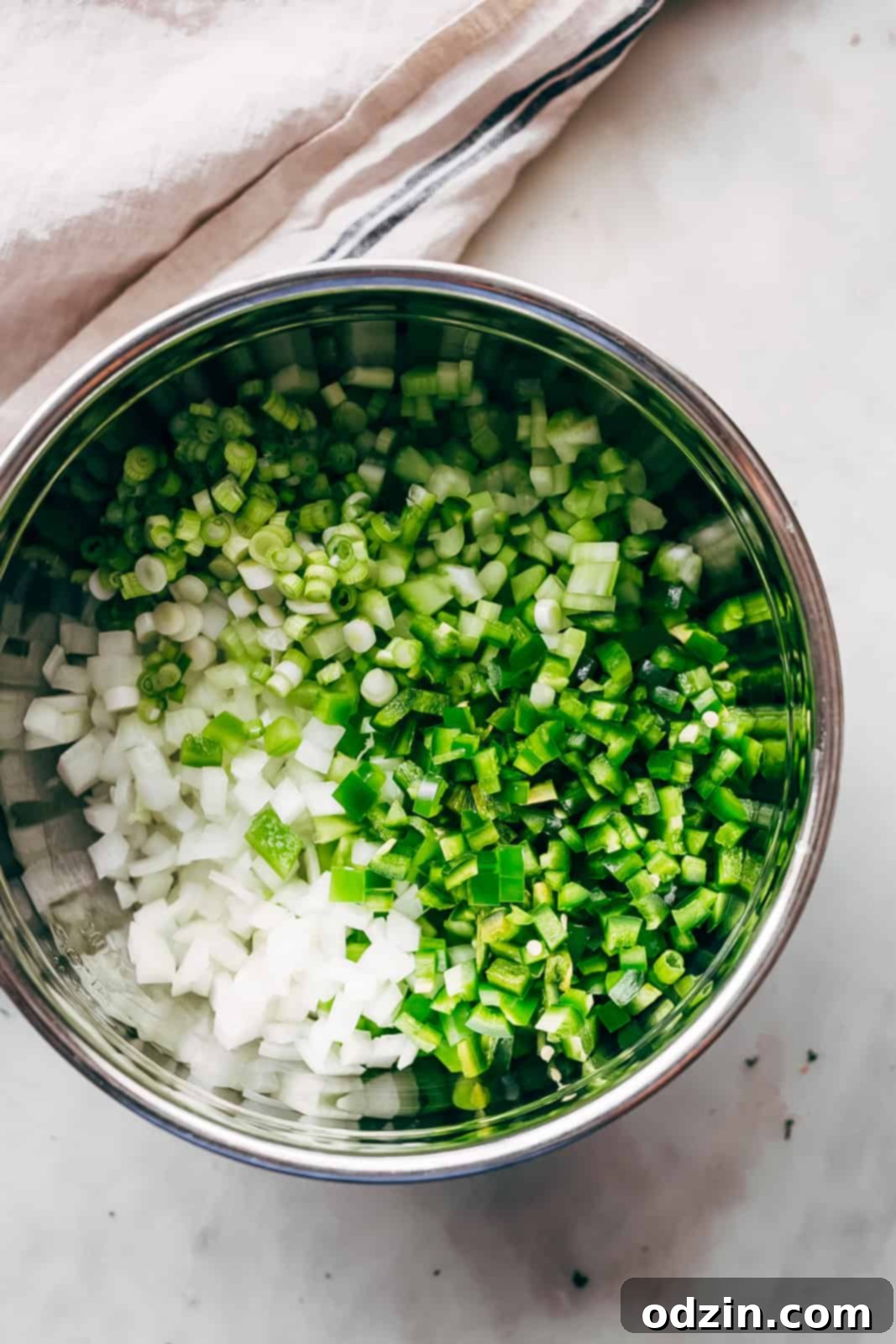
- The Holy Trinity: A foundational aromatic blend of finely minced onions, green bell peppers, and celery.
- Fresh Garlic: Adds a pungent, essential layer of flavor.
- Shrimp Stock: Ideally homemade, but quality store-bought seafood stock or clam juice works too.
- Homemade Cajun Seasoning: Your custom blend of spices (or a quality store-bought version).
- Bay Leaves: For an additional layer of herbaceous aroma.
- Hot Sauce: A dash for a subtle kick and authentic Cajun flavor (adjust to taste).
- Fresh Shrimp: Peeled and deveined, the star protein of our étouffée.
- Cold Butter: Added at the very end to finish the sauce beautifully.
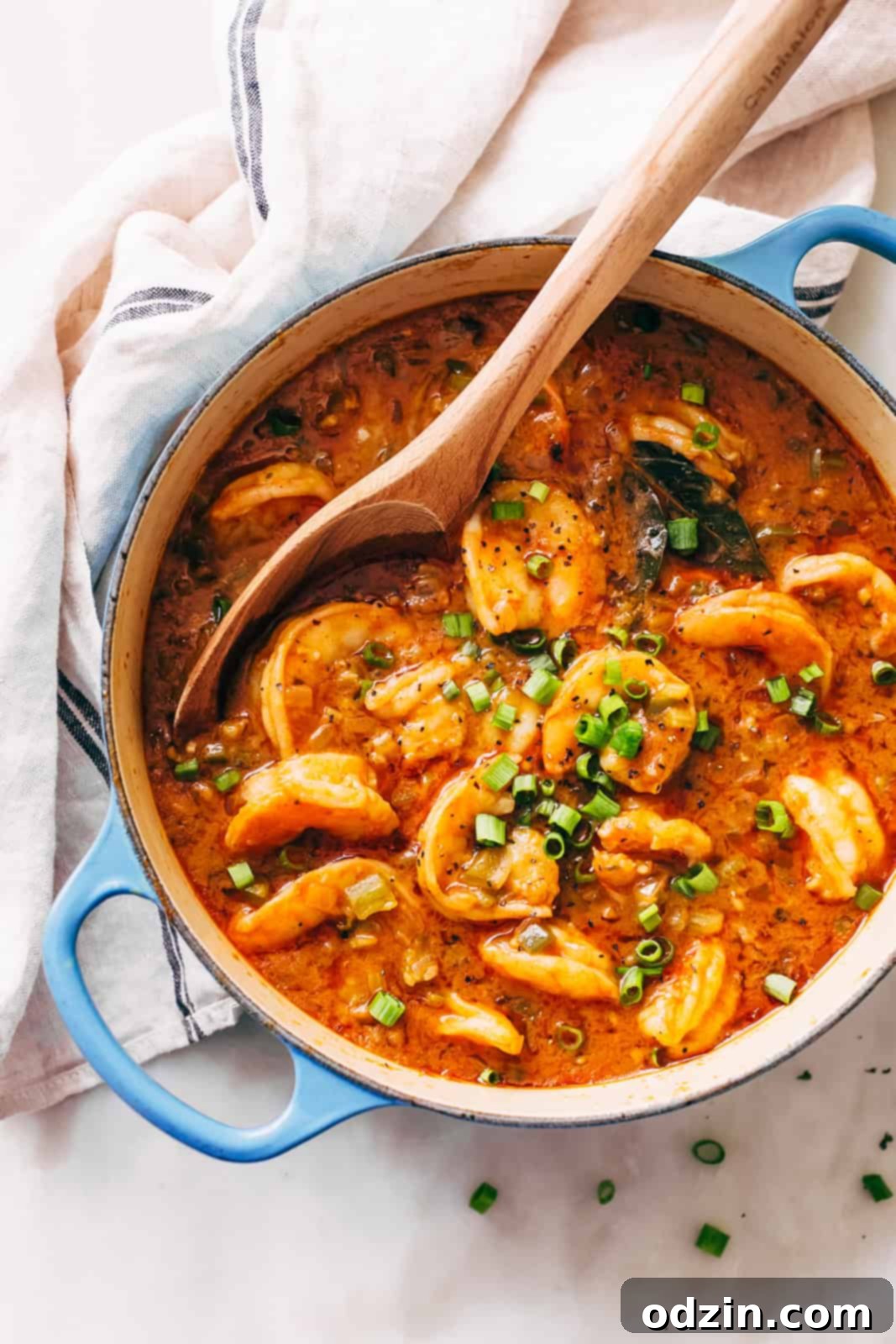
Crafting Your Delicious Shrimp Étouffée: A Step-by-Step Guide
With your roux prepared, the rest of the étouffée-making process is delightfully straightforward and relatively quick. You’re just a few steps away from a truly spectacular meal!
- Sauté the Holy Trinity: In the same pot you used for the roux, add a little more oil if needed. Introduce the “holy trinity” – your minced onions, bell peppers, and celery. In Cajun and Creole cooking, this trio is the aromatic backbone of countless dishes. I sometimes like to replace a portion of the bell peppers with seeded and finely diced jalapeños for an extra layer of subtle heat and complexity, but this is entirely optional. Sauté these vegetables until they are tender and fragrant, about 5-7 minutes. Then, add your minced garlic and cook for just an additional 30 seconds until it becomes wonderfully aromatic – be careful not to burn it!
- Bring to a Simmer: Pour in your flavorful shrimp stock, add the homemade Cajun seasoning, a few dashes of hot sauce (to your preference), and the bay leaves. Stir everything together, bringing the mixture to a gentle boil. Once boiling, reduce the heat to low, cover the pot, and allow the étouffée base to simmer for about 15 minutes. This simmering time allows the flavors to meld beautifully and deepen, creating a harmonious sauce.
- Add the Shrimp: Gently stir in your peeled and deveined shrimp. They cook very quickly, so keep an eye on them. Allow the étouffée to simmer for an additional 3-5 minutes, or just until the shrimp turn opaque and are cooked through. Overcooked shrimp can become rubbery, so timeliness here is key!
- Finish with Butter: Once the shrimp are perfectly cooked, turn off the heat. Add a knob of cold butter to the étouffée and stir gently until it completely melts and is incorporated into the sauce. This final touch adds a luxurious creaminess and helps achieve that ideal, luscious consistency. Remove the bay leaves before serving.
The Magic of Finishing with Butter: Why This Step Matters
You might wonder why we add butter at the very end of the cooking process for shrimp étouffée. This technique, often referred to as “montage au beurre” in French culinary terms, is more than just an afterthought; it’s a crucial step that significantly impacts the final texture and richness of your dish.
Recall our discussion about roux development: as a roux cooks down further into a darker shade, it gradually loses some of its thickening power. By the time we achieve that deep, red-brown roux perfect for étouffée, it provides immense flavor but less viscosity than a lighter roux. This is where the cold butter comes in. Adding cold butter to a hot liquid and allowing it to slowly melt and emulsify helps to subtly thicken the étouffée, bringing it to that perfect, velvety consistency without making it overly heavy. It’s a trick commonly used in many sauces, much like how we finish the sauce for my garlic butter baked salmon. Beyond thickening, this final swirl of butter also imparts a beautiful sheen and a wonderful richness, adding a creamy, luxurious mouthfeel that elevates the entire dish.
Expert Tips for Making the Best Shrimp Étouffée
To ensure your shrimp étouffée is nothing short of perfection, keep these additional tips in mind:
- Invest in a Wide, Heavy-Bottomed Pot or Dutch Oven: A good quality cooking vessel makes a significant difference, especially when making roux. I highly recommend using a Dutch oven. Its heavy bottom ensures even heat distribution, which is crucial for preventing the roux from burning and for cooking the ingredients consistently. These pots also retain heat exceptionally well, perfect for simmering. The one I’ve linked is an economical version and slightly larger than the one pictured, offering great value.
- Practice Mise en Place: This French culinary term literally means “everything in its place” or “prepared.” It involves measuring, chopping, and organizing all your ingredients *before* you start cooking. This is absolutely critical when making a roux. Trust me, trying to chop vegetables while constantly stirring a roux will not end well; you’ll risk burning your roux or overcooking your vegetables. Have all your minced onions, peppers, celery, garlic, shrimp stock, and seasonings ready and within arm’s reach before you even start heating the oil for the roux. This ensures a smooth, stress-free cooking process.
- Don’t Overcook the Shrimp: Shrimp cook very quickly. As soon as they turn pink and opaque, they’re done. Overcooked shrimp become tough and rubbery, detracting from the overall enjoyment of your étouffée. Pay close attention during the final 3-5 minutes of simmering.
- Taste and Adjust: Always taste your étouffée before serving. You might want to add a little more hot sauce for extra kick, a pinch more salt, or even a squeeze of fresh lemon juice to brighten the flavors. Cooking is about balance, so trust your palate!
And there you have it! This comprehensive guide to homemade shrimp étouffée might contain more words than you initially anticipated, but my goal was to provide you with all the information and confidence you need to prepare this classic Cajun dish with ease and expertise. From mastering the roux to understanding the nuances of flavor, you’re now equipped to create a truly delicious meal.
Add this delightful recipe to your weekend cooking plans. When you make it, please come back and tell me all about your experience! I genuinely want to hear how it turned out and how much you enjoyed this ultimate comfort food.
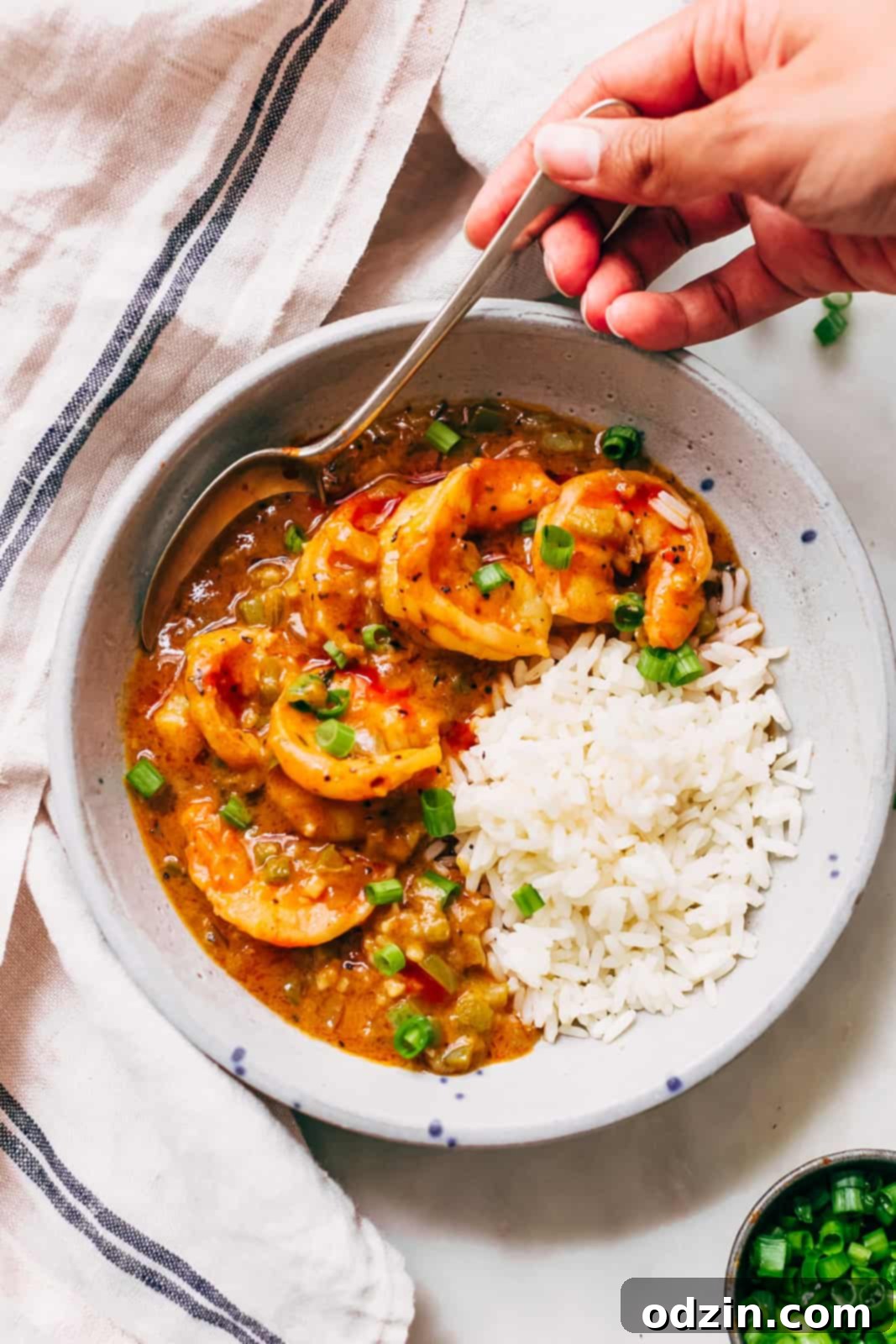
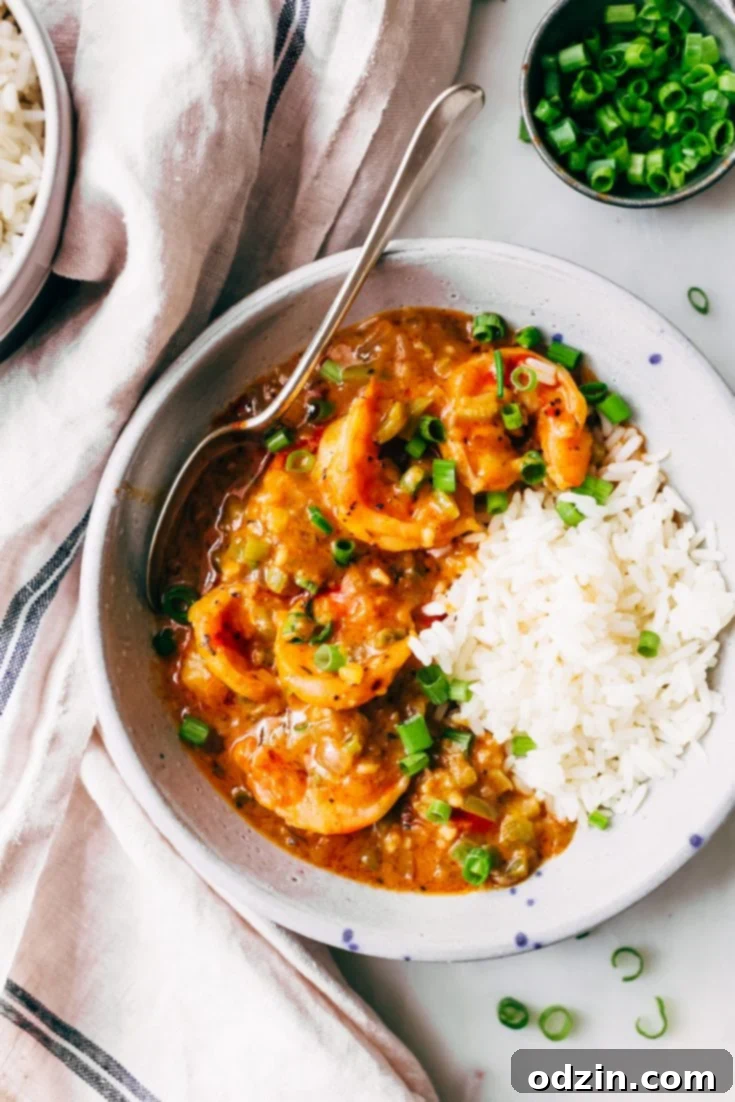
Cajun Shrimp Étouffée: The Ultimate Comfort Food
15 minutes
55 minutes
1 hour 10 minutes
Master the art of authentic Cajun shrimp étouffée with this detailed recipe! Learn to make a rich roux and blend your own seasoning for a deeply flavorful, smothered shrimp stew. Perfect served with fluffy rice.
Ingredients
For the Homemade Cajun Seasoning Mix:
- ½ teaspoon dried thyme
- ½ teaspoon dried oregano
- ½ teaspoon garlic powder
- ½ teaspoon onion powder
- ¼ teaspoon cayenne pepper
- ¼ teaspoon black pepper
- ¼ teaspoon white pepper
- 1 teaspoon sweet paprika
For the Étouffée:
- ½ cup high-heat oil (such as peanut, corn, or vegetable oil)
- ½ cup all-purpose flour
- 1 ¼ cup minced yellow onions
- 1 ¼ cup minced green bell peppers
- ¾ cup minced celery stalks
- 2 jalapeños, minced (ribs and seeds removed, optional, for extra heat)
- 6 green onions, sliced (separate white and green parts)
- 12 cloves garlic, minced
- 1 ½ cups homemade shrimp stock (or quality seafood stock/clam juice)
- 2 bay leaves
- 2 tablespoons hot sauce (e.g., Tabasco or Louisiana hot sauce)
- 2 tablespoons cold unsalted butter
- 2 pounds large shrimp, peeled and deveined
- Cooked white rice, for serving
Instructions
- PREPARE THE ROUX: In a large, heavy-bottomed Dutch oven or pot, heat the ½ cup high-heat oil over medium-high heat until shimmering. Gradually whisk in the ½ cup all-purpose flour until it forms a smooth paste with no lumps. If the roux is cooking too quickly, reduce the heat to medium. Switch to a sturdy wooden spoon and continuously stir for 20-27 minutes, or until the roux achieves a deep, rich brown color, resembling dark peanut butter or even a reddish-brown hue. It should have a nutty aroma. Crucially, do NOT let the roux burn! If you detect any burnt smell, you must discard it, clean the pot thoroughly, and start over, as burnt roux cannot be salvaged.
- SIMMER THE BASE: Once your roux reaches the desired deep color, immediately stir in the minced onions, green bell peppers, jalapeños (if using), and the white parts of the scallions, along with the minced celery (the “holy trinity”). Continue to cook, stirring frequently, for about 5-7 minutes, until the vegetables have softened and become aromatic. Add the minced garlic and cook for an additional minute until fragrant. Pour in the shrimp stock, stir in the homemade Cajun seasoning, hot sauce, and bay leaves. Bring the mixture to a boil, then reduce the heat to low, cover, and let the étouffée base simmer for 15 minutes, allowing the flavors to meld and deepen.
- FINISH AND SERVE: Add the peeled and deveined shrimp to the simmering étouffée. Stir gently to combine. Allow the étouffée to continue simmering for another 3-5 minutes, or until the shrimp are opaque and cooked through. Be careful not to overcook them, as they can become tough. Turn off the heat. Add the 2 tablespoons of cold butter and stir until it completely melts and is incorporated into the sauce, adding richness and a perfect consistency. Remove and discard the bay leaves. Serve the warm Cajun Shrimp Étouffée generously over beds of fluffy white rice, garnished with the reserved green parts of the sliced scallions. Enjoy this ultimate comfort food!
Have you made this recipe?
If you enjoyed this recipe, please consider leaving a ⭐️⭐️⭐️⭐️⭐️ rating and a comment below. You can also share a picture on Instagram with the hashtag #LITTLESPICEJAR, I’d love to see what you made!