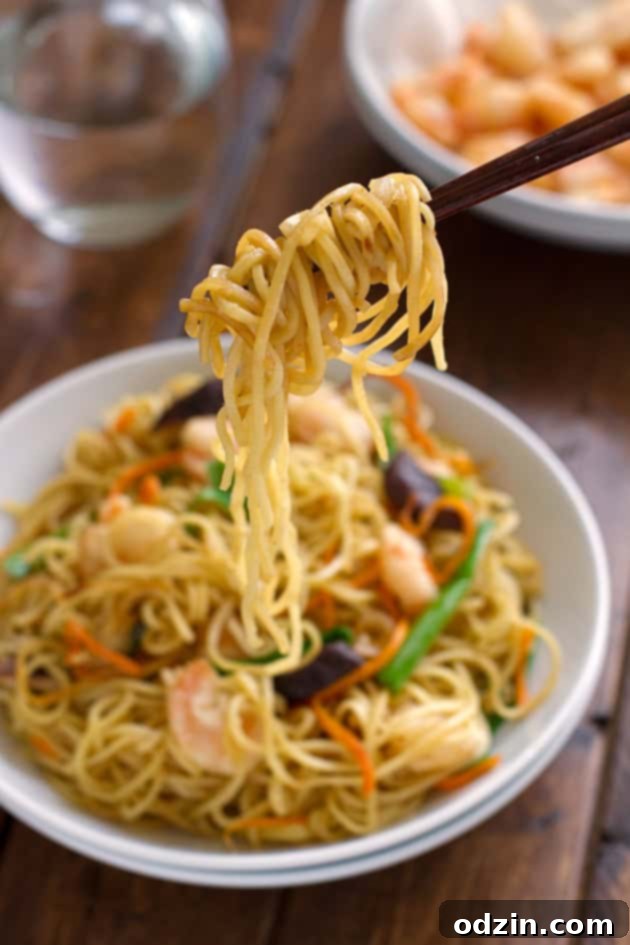
Pei Wei Shrimp Lo Mein Copycat Recipe: Healthier, Faster, and Incredibly Delicious Homemade Noodles
Craving that authentic Pei Wei Shrimp Lo Mein flavor but want a healthier, homemade option? This copycat recipe delivers all the deliciousness of the original, packed with fresh vegetables and customizable protein choices. It’s incredibly easy to make at home, ensuring you can enjoy your favorite noodles anytime, without the guilt!
Lo mein noodles have a way of bringing comfort and joy, don’t they? There’s an undeniable allure to a steaming bowl of perfectly coated noodles, brimming with savory goodness and crisp vegetables. For many, including myself, Asian cuisine holds a special place in our hearts, with noodles being a particular obsession. And when it comes to shrimp lo mein, Pei Wei’s version has always been a top contender, captivating taste buds with its irresistible blend of flavors and textures. The delightful act of twirling the noodles around a fork, followed by that satisfying slurp of saucy deliciousness, is pure culinary bliss. Just thinking about this vibrant dish is enough to make my stomach rumble. It’s truly a meal you could enjoy at any time of day!
If you’re familiar with Pei Wei’s menu, you undoubtedly understand the captivating hold their lo mein noodles can have. They are, to put it mildly, addictive. This addiction once turned me into a regular at my local Pei Wei, often trying to blend in with oversized sunglasses, lest the staff recognize my frequent visits. (Just kidding, mostly… or perhaps that was my evil twin, who also shares a deep love for these noodles!) The quest to recreate that beloved flavor at home, with the added benefit of knowing exactly what goes into it, became a delightful challenge. The result is this incredible copycat recipe that captures the essence of Pei Wei’s iconic dish, allowing you to indulge in its magic whenever the craving strikes.
Crafting the Perfect Pei Wei Shrimp Lo Mein at Home
Creating this exquisite shrimp lo mein involves four essential components, each playing a crucial role in achieving that authentic Pei Wei taste and texture. Let’s delve into what makes each element shine.
1.) The Star Protein: Crispy Shrimp or Savory Chicken
**Shrimp:** The traditional Pei Wei shrimp lo mein features lightly battered and flash-fried shrimp, which provides a wonderful crispness and rich flavor. In this copycat recipe, we achieve that by coating medium shrimp in a mixture of cornstarch and egg whites before quickly frying them in a small amount of oil until golden brown and perfectly crispy. This process ensures the shrimp are tender on the inside with a delightful crunch on the outside. For those seeking an even healthier and faster option, feel free to use pre-cooked, ready-to-eat shrimp from your local grocery store. Opting for cooked shrimp can significantly reduce your cooking time, getting this delicious meal on your table in under 25 minutes!
**Chicken Option:** Not a fan of shrimp, or simply looking for variety? This recipe is incredibly versatile. You can easily substitute the shrimp with cubed chicken. For a simpler approach, cook boneless, skinless chicken pieces with a pinch of salt and pepper until fully done. If you prefer the battered texture, prepare the chicken the same way as the shrimp: coat it in cornstarch and egg whites and flash-fry until cooked through and golden. This transforms the dish into a delightful chicken lo mein, offering a different but equally satisfying protein experience. The choice is yours, allowing for maximum customization to suit your dietary preferences.
2.) The “Money” Sauce: Unlocking the Signature Sweetness and Umami
**The Heart of the Dish:** This is where the magic truly happens! The sauce is, without exaggeration, the soul of this Pei Wei shrimp lo mein copycat. While a medley of vegetables and shrimp on noodles is certainly pleasant, it’s this perfectly balanced, flavorful sauce that elevates the dish to something truly special and reminiscent of the original. Achieving that signature Pei Wei taste required a bit of culinary detective work, and the secret lies in a few key ingredients that create a harmonious blend of sweet, savory, and aromatic notes.
**Key Ingredients:** The sauce features freshly grated ginger and garlic, which are fundamental aromatics in Asian cooking, providing a pungent, warm base. But the true game-changer, and what took years of trial and error to pinpoint, is Mirin. Mirin, a type of Japanese sweet rice wine, is responsible for the distinct sweetness and subtle tang found in Pei Wei’s lo mein. While a quick check of the restaurant’s ingredient list might have revealed “rice wine,” the journey of experimentation was half the fun, leading to a deeper appreciation for this essential ingredient. Coupled with low-sodium soy sauce for umami, granulated sugar for an extra touch of sweetness, and a chicken bouillon cube for depth, this sauce creates an unparalleled flavor profile that perfectly coats every noodle and ingredient.
3.) The Noodle Foundation: Choosing Your Perfect Strand
**Noodle Varieties:** The foundation of any great lo mein is, of course, the noodles. While Pei Wei typically uses egg noodles, this recipe offers flexibility. I personally enjoy Canton noodles, which are wheat-based and provide a satisfying chewiness. However, you truly can’t go wrong with either egg noodles or Canton noodles; use whichever you prefer or can easily find. The most important aspect is to cook them al dente, ensuring they retain a slight bite and don’t become overly soft or mushy during the stir-fry process.
**Quick Tip:** For those really pressed for time, an excellent and surprisingly effective substitute is ramen noodles (without the seasoning packets!). Simply use about three packets of ramen noodles, cook them according to package directions until al dente, drain, and then proceed with the recipe. They absorb the sauce beautifully and provide a fantastic texture, making this dish even more accessible for a quick weeknight meal. Remember to toss your cooked noodles with a touch of oil after draining to prevent them from sticking together while you prepare the other components.
4.) The Vibrant Veggies: Freshness, Crunch, and Nutrition
**Authentic Blend:** To ensure this copycat recipe stays true to the original, I’ve incorporated the same essential vegetables found in Pei Wei’s dish: thinly sliced onions, vibrant scallions, shredded carrots, and earthy shiitake mushrooms. This combination not only provides a beautiful array of colors but also contributes varying textures and flavors that are crucial to the lo mein experience. The onions soften slightly, adding a subtle sweetness, while the scallions offer a fresh, zesty bite. Carrots introduce a touch of sweetness and crunch, and shiitake mushrooms bring a delightful umami depth.
**Customization and Health Boost:** The beauty of cooking at home is the freedom to customize! There’s absolutely no reason you can’t sneak in a few extra vegetables to boost the nutritional content and flavor. Consider adding crisp bell peppers (red, yellow, or green for a pop of color and sweetness), tender broccoli florets, snow peas, or even bok choy. These additions will not only make your lo mein even more vibrant and appealing but will also pack in extra vitamins and fiber, making this already healthier copycat recipe even more beneficial for you and your family. Feel free to toss in whatever fresh produce you fancy!
Why You’ll Absolutely Love This Homemade Pei Wei Lo Mein
If it isn’t abundantly clear by now, I am utterly enamored with this recipe, and for so many excellent reasons:
-
Speed and Simplicity: This recipe is incredibly easy to prepare! From start to finish, you’re looking at about 40 minutes if you opt for the crispy, battered shrimp. If you choose the convenience of pre-cooked shrimp, that time shrinks to an impressive 25 minutes, making it perfect for a quick weeknight dinner.
-
Fridge Clean-Out Hero: It’s a fantastic way to utilize those forgotten ingredients lingering in your fridge. You know, those carrots and scallions that are patiently waiting to be transformed? This recipe turns them into an irresistible shrimp lo mein, giving humble vegetables a delicious purpose.
-
Visually Stunning: Beyond its incredible taste, this dish is genuinely beautiful ❤ ❤. The vibrant colors of the vegetables, the succulent shrimp, and the glossy noodles make for a truly appealing presentation. I encourage you to snap some pictures and share them on Instagram and Twitter using the hashtag #littlespicejar so I can admire your beautifully plated “oodles of noodles”!
-
Shrimp Perfection: For shrimp lovers, this dish is a dream come true. The perfectly cooked, flavorful shrimp are the star. ❤ If you happen to be one of the rare few who don’t adore shrimp, please refer to reason #5!
-
Chicken Delight: If shrimp isn’t your preference, the chicken variation is equally fantastic, offering a robust and satisfying alternative. And if neither chicken nor shrimp tickles your fancy, perhaps reason #4 will reconsider your stance on shrimp!
There you have it – five undeniably amazing reasons why this homemade Pei Wei Shrimp Lo Mein needs to become a staple in your culinary repertoire, preferably yesterday!
And as if you needed me to state the obvious (but I will anyway, because it’s true), these noodles are poised to become your absolute favorite go-to dish.
Pei Wei Shrimp Lo Mein Copycat
20 minutes
20 minutes
40 minutes
This Pei Wei Shrimp Lo Mein copycat recipe tastes just like the original, but it’s a healthier, veggie-packed version you can easily make at home. It’s quick, customizable with chicken, and incredibly delicious!
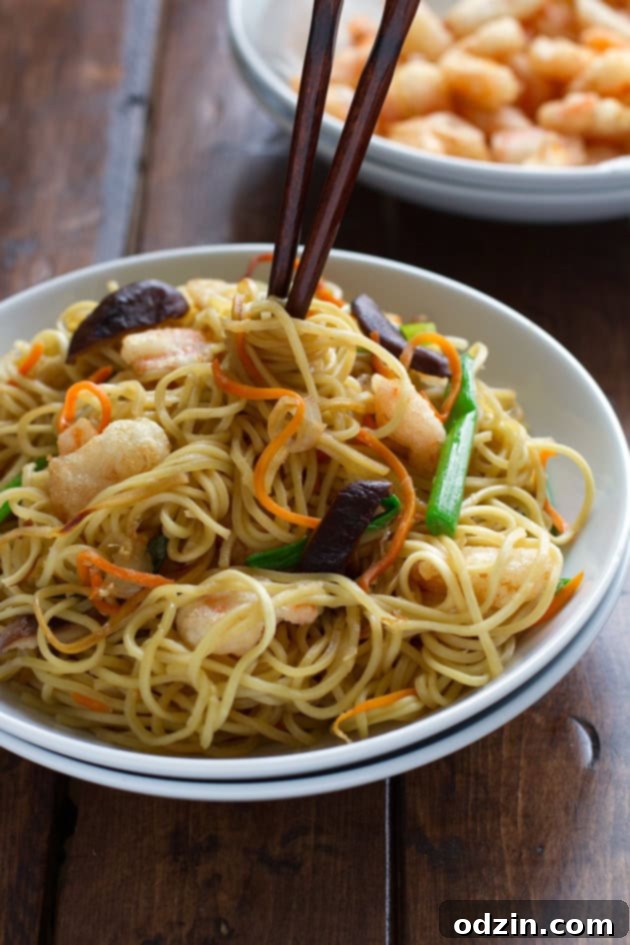
Ingredients
- 1/2 cup canola or vegetable oil
- 2 egg whites, beaten
- 4 tablespoons cornstarch, divided
- 1/4 teaspoon sea salt
- 10 ounces medium shrimp, peeled and deveined
- 12 ounces canton noodles or egg noodles*
- 1/3 cup Mirin (I used non-alcoholic mirin)
- 2 teaspoons grated ginger
- 4 cloves garlic, grated
- 1 chicken bouillon cube
- 3 tablespoons granulated sugar
- 2 tablespoon low sodium soy sauce
- 2 tablespoons canola oil (or vegetable oil)
- 1 cup onions, sliced into 1/4 inch thick slices
- 1 cup shredded carrots
- 6 oz of shiitake mushrooms, thinly sliced*
- 8 scallions, cut into 2 inch long pieces, greens only
- 3/4 cup bean sprouts (optional)
Instructions
- Heat the 1/2 cup oil in a medium skillet over medium-high heat.
- In a medium bowl, combine the beaten egg whites with 2 tablespoons of cornstarch. Using a whisk, beat the mixture until all the lumps of cornstarch have been worked out. Place the shrimp in a sieve and, over the kitchen sink, toss with the remaining 2 tablespoons of cornstarch to ensure an even coating. Working in small batches of 5-6 shrimp at a time to avoid overcrowding the pan, dip the cornstarch-coated shrimp into the egg mixture then carefully add them to the hot skillet. Fry until evenly golden brown and crispy, which typically takes about 1-2 minutes per side. Once cooked, transfer the crispy shrimp to a plate lined with a paper towel to drain any excess oil.
- Prepare your chosen Canton or egg noodles according to the package directions until they are al dente (slightly firm to the bite). After draining, toss the cooked noodles with 1 teaspoon of oil to prevent them from sticking together.
- In a separate medium bowl, combine the Mirin, freshly grated ginger, grated garlic, chicken bouillon cube, granulated sugar, and low sodium soy sauce. Using the back of a spoon or a whisk, work the bouillon cube until it breaks down into very tiny, dissolved pieces. This ensures the flavor is evenly distributed throughout the sauce. Set this flavorful sauce mixture aside.
- Heat the 2 tablespoons of canola or vegetable oil in a large skillet or wok over medium-high heat. Add the sliced onions and cook for about 2 minutes until they begin to soften and become fragrant. Next, add the shredded carrots and thinly sliced shiitake mushrooms to the skillet and stir-fry for another 2-3 minutes, allowing them to cook until tender-crisp. Stir in the prepared Canton noodles and pour the Mirin sauce mixture over everything. Toss vigorously to ensure the noodles and vegetables are thoroughly coated with the delicious sauce, cooking for about 2 minutes to allow the flavors to meld and the sauce to slightly thicken. Finally, gently toss in the crispy shrimp (or cooked chicken, if using) and top with the fresh scallions and optional bean sprouts. Serve immediately to enjoy the best texture and flavor.
Notes
- Canton noodles are wheat-based. As alternatives, you can use traditional egg noodles or even 3 packets of 4.5oz ramen noodles (just discard the seasoning packets for the ramen).
- For the shiitake mushrooms, I used 1 ounce of dehydrated shiitake mushrooms which I rehydrated by soaking them in hot water for about 30 minutes until soft. Fresh shiitake mushrooms can also be used.
- For a spicier kick, add a pinch of red pepper flakes to the sauce or a dash of sriracha when serving.
- Ensure your skillet or wok is hot before adding ingredients for the best stir-fry results.
Have you made this recipe?
If you enjoyed this recipe, please consider leaving a ⭐️⭐️⭐️⭐️⭐️ rating and a comment below. You can also share a picture on Instagram with the hashtag #LITTLESPICEJAR, I’d love to see what you made!