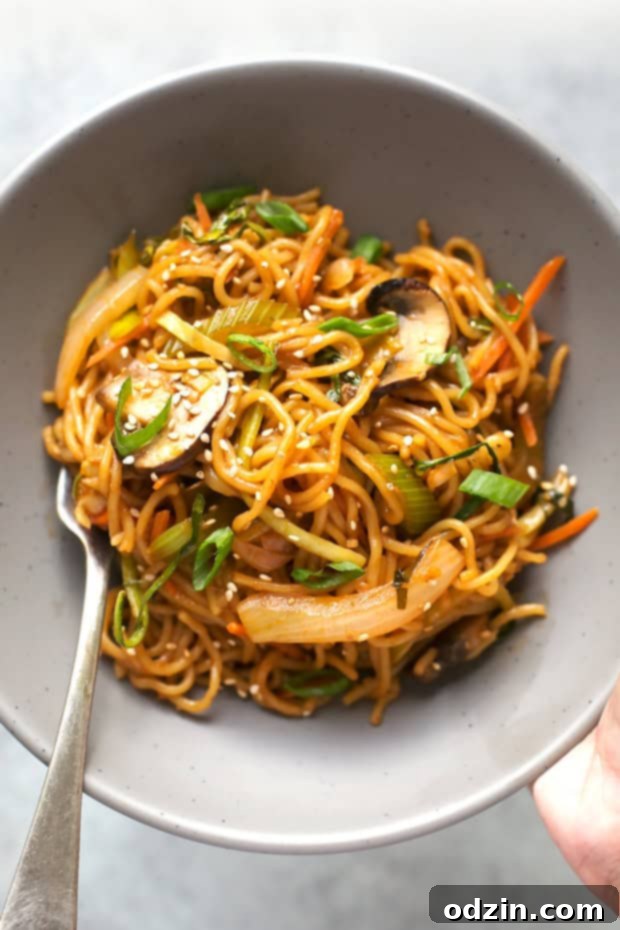
Effortless “Clean the Fridge” Lo Mein: Your Ultimate Guide to Easy Homemade Noodles
Discover the secret to the easiest lo mein recipe you’ll ever make! This incredibly versatile dish allows you to utilize any vegetables, noodles, and protein you have on hand, guaranteeing a delicious and satisfying meal every single time. Say goodbye to food waste and hello to gourmet homemade lo mein!
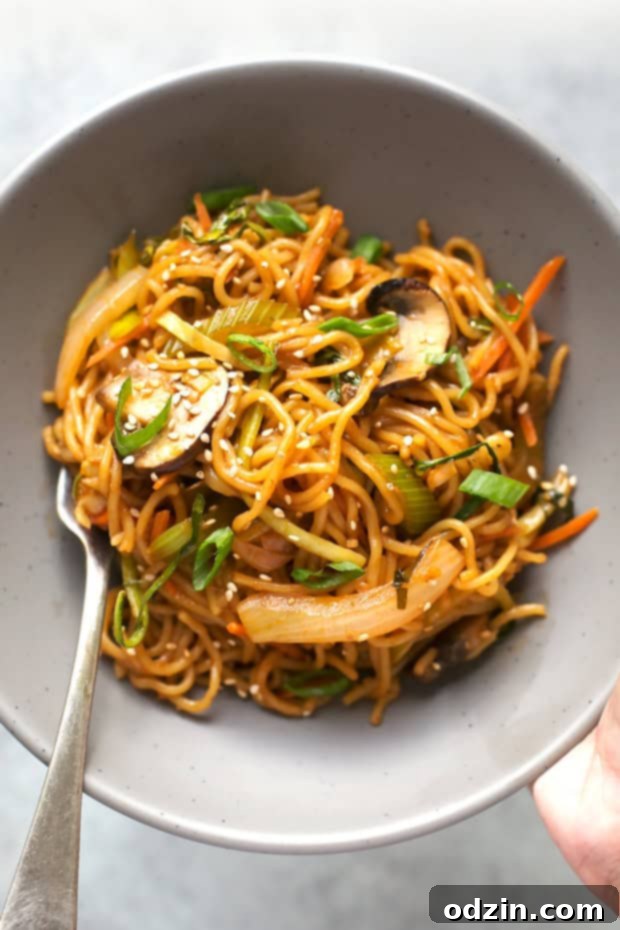
It’s Monday evening, and the perennial question echoes: “What’s for dinner?” Perhaps you had grand plans to grocery shop over the weekend, but life, as it often does, got in the way. Now you’re staring into a refrigerator filled with a random assortment of vegetables and a few bits of protein, all silently pleading to be used before they spoil. This scenario is all too familiar for many of us, especially after a long, demanding day where the last thing you want to do is spend hours in the kitchen.
For instance, imagine battling sweltering 108ºF heat without a fully functional air conditioner—a predicament I recently faced despite promises of a new unit. Add to that the frustrating dance with home warranty providers, and cooking quickly falls to the bottom of your priority list. On such days, the idea of an elaborate meal is simply unappealing. You crave something quick, easy, deeply satisfying, and ideally, something that helps you clear out the fridge.
This is precisely where the magnificent “Clean the Fridge” Lo Mein recipe steps in to save the day, transforming kitchen chaos into culinary triumph.
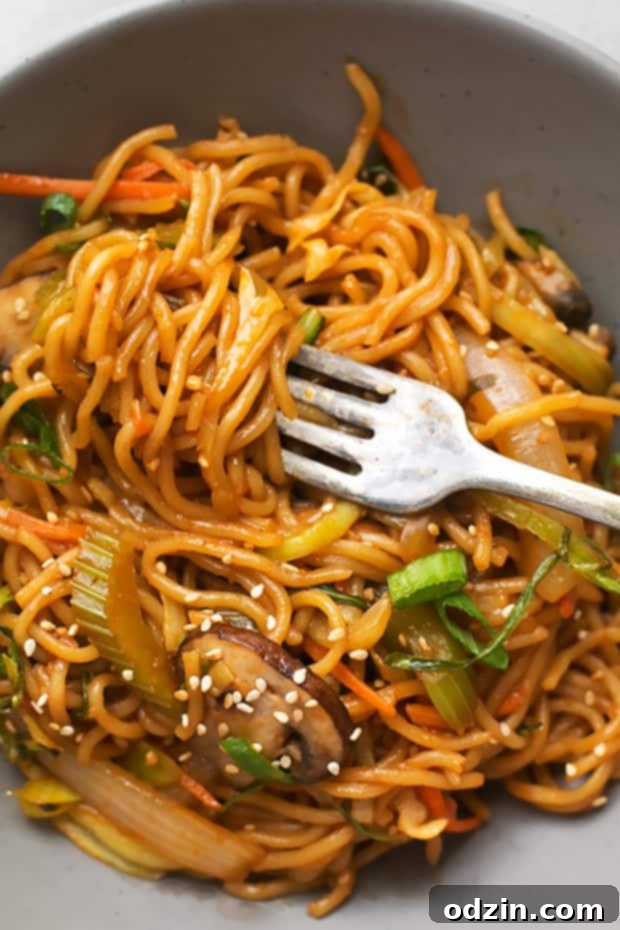
What Exactly is “Clean the Fridge” Lo Mein?
It’s exactly what it sounds like! My friends, this is not just another lo mein recipe; it’s a culinary philosophy. It’s an incredibly easy, breezy, and completely customizable method for when you crave those comforting Chinese take-out style noodles, but you want them quick, fresh, and packed with all the wholesome goodness you can find in your own refrigerator. The beauty of this dish lies in its adaptability. It’s designed to be a vibrant, flavorful solution for reducing food waste and making the most of what you already have, all while delivering a truly delicious, health-conscious meal.
Instead of letting those last few carrots, a handful of spinach, or that lone chicken breast languish, this recipe invites them all to the party. The core principle is simple: as long as you maintain the exquisite balance of the signature lo mein sauce, the rest is entirely up to your imagination and your fridge’s contents. It’s a truly resourceful way to enjoy a hearty and wholesome meal without an extra trip to the grocery store.
Unleash Your Creativity: What Can You Add to Your Lo Mein?
Here’s where the fun truly begins: you can literally add almost anything! The versatility of this “Clean the Fridge” Lo Mein is unparalleled. Once you’ve mastered the simple, yet incredibly flavorful sauce, your kitchen becomes a playground for incorporating all your leftover vegetables and proteins. Whether you’re aiming for a vegetarian masterpiece or a hearty meat-lover’s delight, this recipe adapts beautifully.
Versatile Vegetable Choices
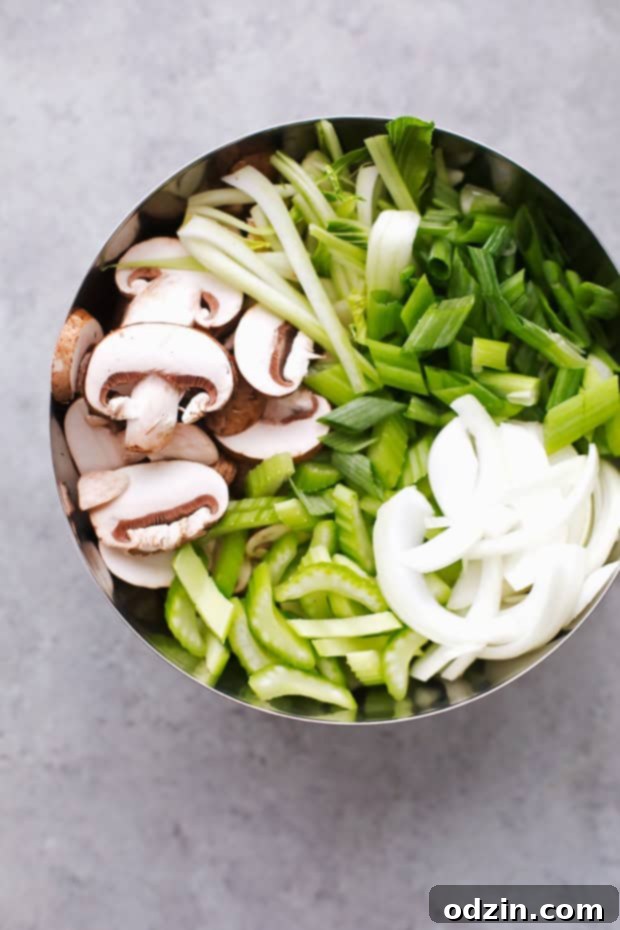
- My Favorites: I personally love incorporating a mix of mushrooms (shiitake or baby bellas both lend a wonderful earthy depth), crisp bok choy, vibrant scallions, thinly sliced onions, crunchy coleslaw-style shredded cabbage, matchstick carrots for a touch of sweetness, and my all-time favorite lo mein vegetable, celery, which adds a fantastic, often unexpected, crisp texture.
- Beyond the Basics: But don’t stop there! This recipe welcomes nearly any vegetable. Consider adding florets of broccoli, tender zucchini slices, fresh spinach (if you enjoy its slightly wilted texture in noodles), sweet corn kernels, colorful bell peppers, or crisp green beans. The key is to choose vegetables you enjoy twirling with glistening homemade lo mein sauce. Feel free to experiment with snow peas, snap peas, edamame, or even thinly sliced radishes for a peppery kick. The more variety, the richer the nutritional profile and the more interesting the textures.
Dynamic Protein Options
- Chicken: The most obvious and popular choice! For uncooked chicken, simply slice it thinly and marinate it with a pinch of salt, a tablespoon of cornstarch, and 2-3 tablespoons of the prepared lo mein sauce. This simple “velveting” technique ensures tender, flavorful chicken without needing a separate marinade. Stir-fry it separately until cooked through, then add it back into the wok with the noodles.
- Beef: Thinly sliced beef (like flank steak or sirloin) works wonderfully. Marinate it similarly to chicken, or simply sear it quickly in the hot wok until beautifully browned and tender.
- Shrimp: Quick-cooking shrimp are fantastic. Add them towards the end of the stir-frying process, as they cook very fast and can become rubbery if overcooked.
- Tofu: For a plant-based option, leftover tofu is excellent. Press out excess water, cut it into cubes, then dip it in a salt and cornstarch mixture before pan-frying until golden and crispy. This adds a delightful texture contrast.
- Eggs: If you’re feeling extra adventurous, fry an egg (or two!) and place it directly on top of your lo mein bowl. This was my Saturday lunch discovery, and let me tell you, it’s a game-changer! The runny yolk mixing with the noodles is pure heaven. You can also scramble an egg directly in the wok before adding other ingredients.
- Other Options: Don’t forget pork (thinly sliced pork loin or tenderloin), or even pre-cooked proteins like roasted chicken or leftover steak, which can be shredded or diced and added in at the very end to warm through.
Noodle Nirvana: Picking Your Base
- Yakisoba Noodles: Today, I’m using fresh yakisoba noodles, conveniently found in the refrigerated section of most grocery stores. They have a fantastic chewy texture and absorb the sauce beautifully.
- Asian Egg Noodles: Traditional Asian-style egg noodles or specific “lo mein” noodles are, of course, absolutely perfect. They’re designed for this dish and deliver that authentic texture and flavor.
- Spaghetti (The Secret Weapon): And here’s a little secret: it’s absolutely not a crime to use spaghetti! If it were, I’d be guilty countless times over. When cooked al dente and tossed with this savory sauce, spaghetti transforms into a perfectly acceptable and delicious lo mein substitute. Use whatever pasta you have in your pantry – even linguine or fettuccine can work in a pinch. The goal is to make it easy and accessible.
- Other Options: Ramen noodles (without the seasoning packet) or even instant wheat noodles can be used. Just be mindful of their cooking times and aim for slightly undercooked since they’ll finish cooking in the wok.
The Star of the Show: That Irresistible Lo Mein Sauce!
While the flexibility of ingredients is key, the real magic of this lo mein recipe lies in its perfectly balanced sauce. This is a sauce I’ve meticulously tested and retested countless times, and friends, it’s truly perfect! We absolutely adore the harmonious blend of sweet, savory, and a touch of spicy. I highly recommend sticking to the recipe as written, especially utilizing both light soy sauce for its saltiness and distinct umami, and sweet soy sauce (kecap manis) for that essential rich, molasses-like sweetness that truly elevates the dish.
The beauty of this sauce is its simplicity. It’s composed of just a few pantry staples, making it incredibly accessible for anyone wanting to whip up an amazing homemade lo mein. Here’s what you’ll need:
- Light Brown Sugar: Provides a deep, caramel-like sweetness that is superior to white sugar.
- Light Soy Sauce: The primary savory base, offering essential umami and saltiness.
- Sweet Soy Sauce (Kecap Manis): A crucial ingredient for that authentic dark, sweet, and slightly syrupy Asian flavor profile. Don’t skip this if you can find it!
- Grated Ginger: Adds a fresh, pungent, and warming zing. Ginger paste is a convenient alternative.
- Minced Garlic: Essential for a robust, aromatic foundation.
- Toasted Sesame Oil: Contributes a wonderfully nutty aroma and flavor, a hallmark of Asian cuisine.
- Sriracha: For that perfect kick of heat! Adjust the quantity to suit your spice preference.
- Water: Helps to thin the sauce to the perfect consistency and distribute the flavors evenly.
It’s genuinely that easy to create this flavor powerhouse! To make preparation even simpler, just toss all the sauce ingredients into a mason jar, screw on the lid, and give it a good shake. BAM! Your sauce is done and ready to go. If you’re incorporating chicken into your lo mein, remember to pre-marinate the uncooked pieces with a big pinch of salt, a tablespoon of cornstarch, and 2-3 tablespoons of this prepared lo mein sauce. Stir-fry the chicken separately until cooked through before integrating it into the main dish. This ensures the chicken is perfectly tender and flavorful. Seriously easy chicken lo mein, right at your fingertips!
This effortless homemade lo mein recipe is precisely what needs to be on your dinner table TONIGHT. It’s quick, adaptable, and incredibly satisfying, proving that healthy, delicious weeknight meals are entirely achievable.
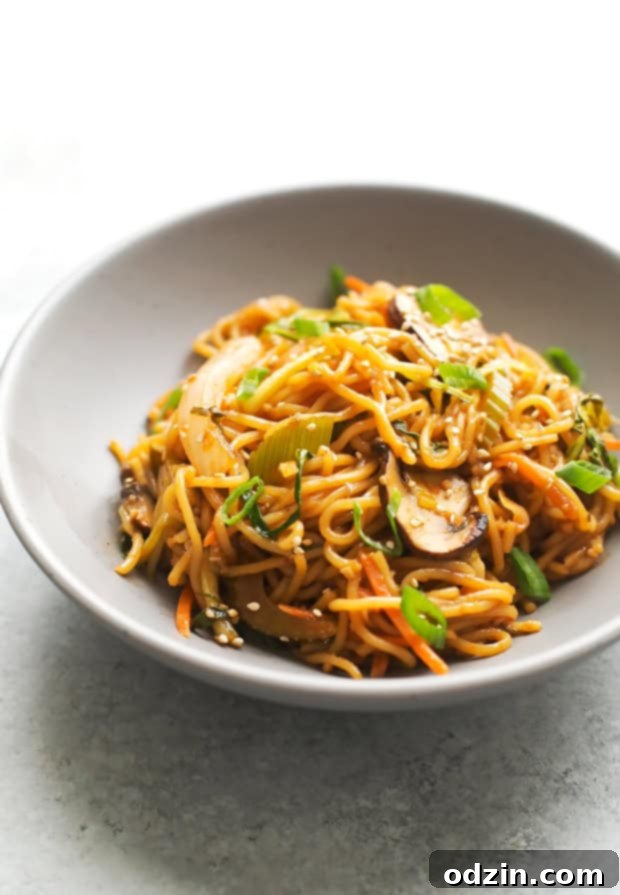
Clean The Fridge Lo Mein
10 minutes
20 minutes
30 minutes
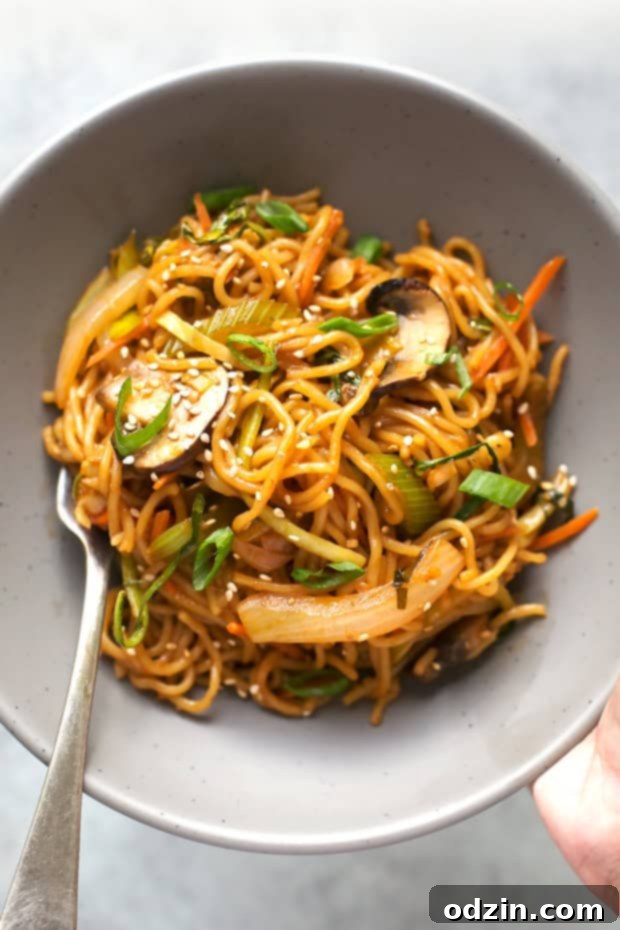
The easiest lo mein recipe ever! Use whatever veggies, noodles and protein you’ve got in the refrigerator, this lo mein comes out delicious every time!
Ingredients
For the Lo Mein Sauce:
- 1/4 cup light brown sugar
- 1/4 cup light soy sauce
- 1/4 cup sweet soy sauce (kecap manis)
- 1 tablespoon ginger paste (or freshly grated ginger)
- 1 tablespoon minced garlic
- 2 tablespoons toasted sesame oil
- 2-3 tablespoons sriracha (adjust to your preferred level of heat)
- 2 tablespoons water
For the Lo Mein Stir-Fry:
- 11-12 ounces fresh yakisoba noodles (or alternative noodles, see notes)
- 1 tablespoon EACH canola oil AND minced garlic
- 5 scallions, chopped (separate green tops from white parts)
- 4-5 cups mixed vegetables (e.g., bok choy, celery, sliced onions, mushrooms, coleslaw mix, matchstick carrots)
- Optional: cooked protein of choice (chicken, beef, shrimp, tofu, etc.)
- Optional: toasted sesame seeds, for garnish
Instructions
- Prepare the Sauce: In a mason jar or small bowl, combine all the ingredients for the lo mein sauce: brown sugar, light soy sauce, sweet soy sauce, ginger paste, minced garlic, toasted sesame oil, sriracha, and water. Securely lid the jar and give it a vigorous shake to thoroughly combine, or whisk well in a bowl. Set aside.
- Cook the Noodles: Bring a pot of water to a boil. Cook the noodles according to the package directions, but reduce the cooking time by 1-2 minutes. This is crucial because the noodles will continue to cook when stir-fried with the other ingredients, preventing them from becoming mushy. For fresh yakisoba noodles, typically just 1 minute of boiling is sufficient. Drain well and set aside.
- Assemble the Lo Mein: Heat the canola oil in a large wok or a spacious skillet over medium-high heat until shimmering. Add the minced garlic and the white parts of the chopped scallions to the hot oil. Stir-fry for about 30 seconds to 1 minute, or until they become wonderfully fragrant. Next, add your chosen mixed vegetables to the pan. Sauté for 3-4 minutes, tossing frequently, until the vegetables are vibrant and cooked to a crisp-tender, or “al dente,” consistency. Add the cooked and drained noodles to the wok. Give everything a good toss to combine the noodles and vegetables evenly. If you are incorporating any pre-cooked protein (like leftover chicken or shrimp), add it in at this stage to warm through. Drizzle the prepared lo mein sauce generously over the noodles and vegetables. Toss everything together vigorously, ensuring the sauce evenly coats every strand of noodle and every piece of vegetable. Let it sizzle in the pan for 1-2 minutes, allowing the flavors to meld beautifully.
- Serve: Garnish the finished lo mein with the reserved green parts of the scallions and a sprinkle of toasted sesame seeds, if desired, for extra flavor and visual appeal. Serve immediately and enjoy your incredibly flavorful and easy homemade “Clean the Fridge” Lo Mein!
Notes
- Vegetable Customization: The beauty of this recipe lies in its flexibility. Feel free to use almost any vegetables you have on hand! Broccoli, zucchini, fresh spinach, sweet corn, and green beans are all excellent (though perhaps untraditional) choices that will still yield a delicious result. Don’t be afraid to experiment with your fridge’s hidden gems!
- Noodle Alternatives: For yakisoba noodles, two (5.6-ounce) packages typically yield about 11 ounces of noodles, which is perfect for this recipe. If yakisoba noodles aren’t available, don’t worry! You can successfully substitute them with traditional lo mein noodles, Asian-style egg noodles, or even standard spaghetti or linguine. Just remember to cook them al dente, reducing the package cooking time by a minute or two.
- Adding Chicken: To incorporate chicken, simply take 8-10 ounces of uncooked chicken pieces (such as boneless, skinless chicken breast or thighs, cut into bite-sized pieces). Toss them with 1 tablespoon of cornstarch and a generous pinch of salt. Then, stir in 2-3 tablespoons of your prepared lo mein sauce. In a separate pan, stir-fry the chicken in a little bit of oil until it’s fully cooked and lightly browned. Add the cooked chicken into the lo mein towards the very end of the stir-frying process, just before tossing with the main sauce, to ensure it warms through beautifully and absorbs the flavors.
Have you made this recipe?
If you enjoyed this recipe, please consider leaving a ⭐⭐⭐⭐⭐ rating and a comment below. You can also share a picture on Instagram with the hashtag #LITTLESPICEJAR, I’d love to see what you made!
Is This a Good Choice For You? Understanding the Nutritional Value

Nutritional facts provided are calculated using a baseline of 1 cup mushrooms, 1 cup baby bok choy, 1 cup shredded cabbage, 1 cup sliced onions, and 1/2 cup matchstick carrots. It is important to keep in mind that the exact caloric content and overall nutritional value will naturally vary significantly based on the specific types and quantities of vegetables, noodles, and protein that you choose to incorporate into your customized lo mein. This recipe’s adaptability is one of its greatest strengths, allowing you to tailor it to your dietary needs and preferences.

Why Choose Homemade “Clean the Fridge” Lo Mein Over Takeout?
Opting for homemade lo mein offers numerous advantages over ordering takeout. Firstly, you gain complete control over the ingredients. This means you can choose fresh, high-quality vegetables, lean proteins, and reduce unhealthy additives often found in restaurant dishes, such as excessive oil, sodium, and sugar. When you make lo mein at home, you know exactly what’s going into your body, making it a much healthier option tailored to your dietary needs and preferences.
Secondly, it’s a fantastic way to save money. Restaurant portions can be expensive, and those costs add up quickly. By utilizing ingredients you already have, you’re not only creating a delicious meal but also actively reducing food waste and cutting down on your grocery bill. It’s a budget-friendly solution for busy families and individuals alike.
Thirdly, the freshness is incomparable. Vegetables are cooked to your desired crisp-tender perfection, and noodles are tossed in a vibrant sauce moments before serving. There’s nothing quite like the taste of a freshly prepared meal, bursting with flavors and aromas that simply can’t be replicated by food that’s been sitting in a container for a delivery ride.
Tips for Perfect Lo Mein Every Time
- High Heat is Key: For a true stir-fry, ensure your wok or skillet is very hot before adding ingredients. This helps achieve that signature smoky flavor and ensures vegetables cook quickly without becoming soggy.
- Don’t Overcrowd the Pan: Cook in batches if necessary, especially if you’re making a large amount or adding a lot of protein. Overcrowding lowers the pan’s temperature and steams the food instead of stir-frying it.
- Prep Everything Ahead: “Mise en place” (everything in its place) is crucial for stir-fries. Have all your vegetables chopped, protein sliced, and sauce mixed before you even turn on the stove. The cooking process is very fast.
- Adjust Sauce to Taste: While the sauce recipe is balanced, feel free to tweak it. Add more sriracha for extra heat, a splash more sweet soy sauce for sweetness, or a dash of rice vinegar for tang.
- Al Dente Noodles: As mentioned, undercook your noodles slightly. They will finish cooking and absorb the delicious sauce in the wok, ensuring they remain perfectly chewy.
- Experiment with Garnishes: Beyond scallions and sesame seeds, consider adding a sprinkle of fresh cilantro, a squeeze of lime juice, or a drizzle of chili oil for an extra layer of flavor.
Customization Beyond the Basics
This “Clean the Fridge” Lo Mein concept extends far beyond the basic suggestions. Think about different flavor profiles. Want a spicier kick? Add a pinch of red pepper flakes or increase the sriracha. Prefer a tangier taste? A squeeze of fresh lime juice or rice vinegar at the end can brighten everything up. You can even swap out the type of soy sauce for a darker, richer version, or experiment with fish sauce for an added layer of umami depth. Consider adding toasted nuts like cashews or peanuts for extra crunch and healthy fats. The possibilities are truly endless, making this a recipe you can reinvent countless times based on your mood and fridge contents.
Conclusion: Your New Favorite Weeknight Meal
This “Clean the Fridge” Lo Mein isn’t just a recipe; it’s a testament to simple, resourceful, and utterly delicious home cooking. It empowers you to create a satisfying, healthy meal from whatever ingredients you happen to have on hand, transforming potential food waste into a culinary delight. Perfect for those busy weeknights when you need something quick and easy, or for leisurely weekends when you want to enjoy takeout-quality food without leaving your home. So, next time you gaze into a seemingly empty fridge, remember this recipe. With a perfectly balanced sauce and endless possibilities for customization, this homemade lo mein is destined to become a beloved staple in your kitchen. Give it a try tonight and taste the difference!