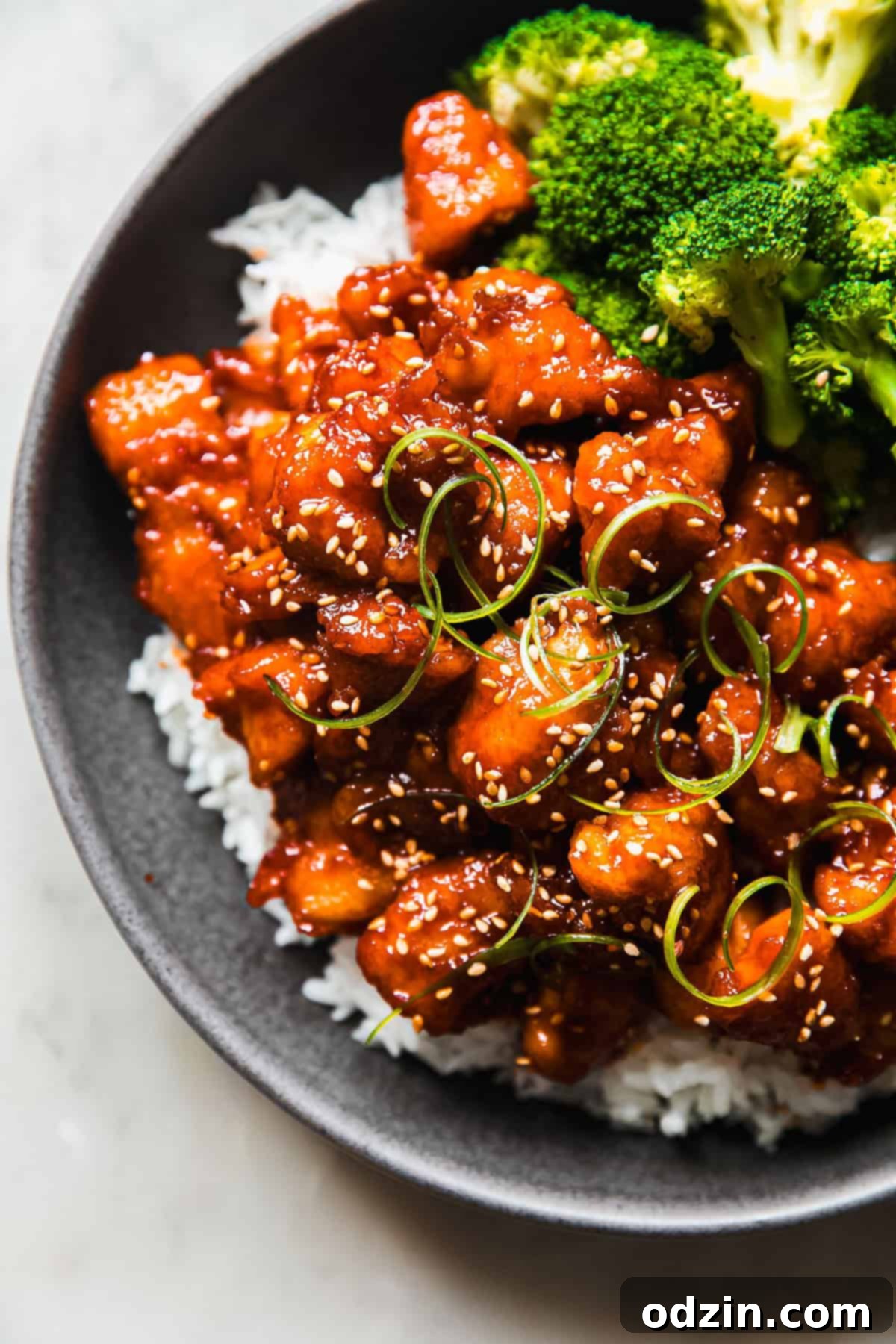
Crispy Sweet and Sticky Gochujang Chicken: Your Go-To Weeknight Korean Delight
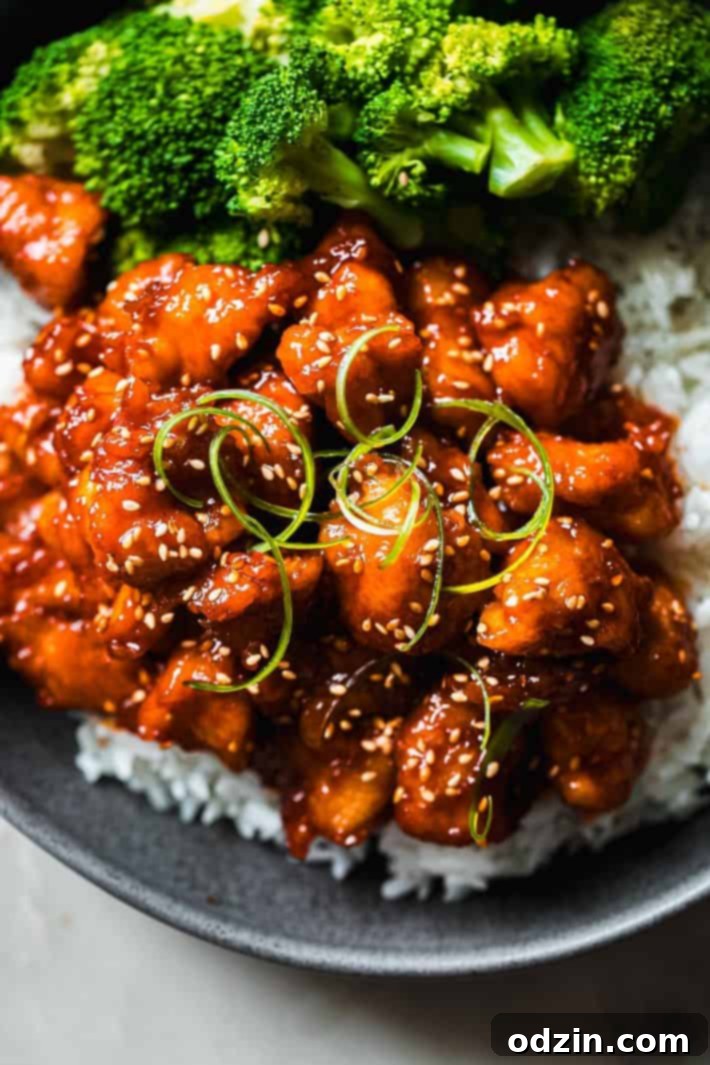
Get ready for an explosion of flavors with this incredible Sweet and Sticky Gochujang Chicken recipe! Imagine perfectly crispy chicken pieces, coated in an unbelievably delicious, sweet, savory, and subtly spicy gochujang sauce. It’s not just a meal; it’s an experience that brings the vibrant tastes of Korean cuisine right to your dinner table. This dish has quickly become one of our family’s favorite ways to enjoy chicken and vegetables during busy weekdays, and you’ll be amazed at how simple it is to prepare.
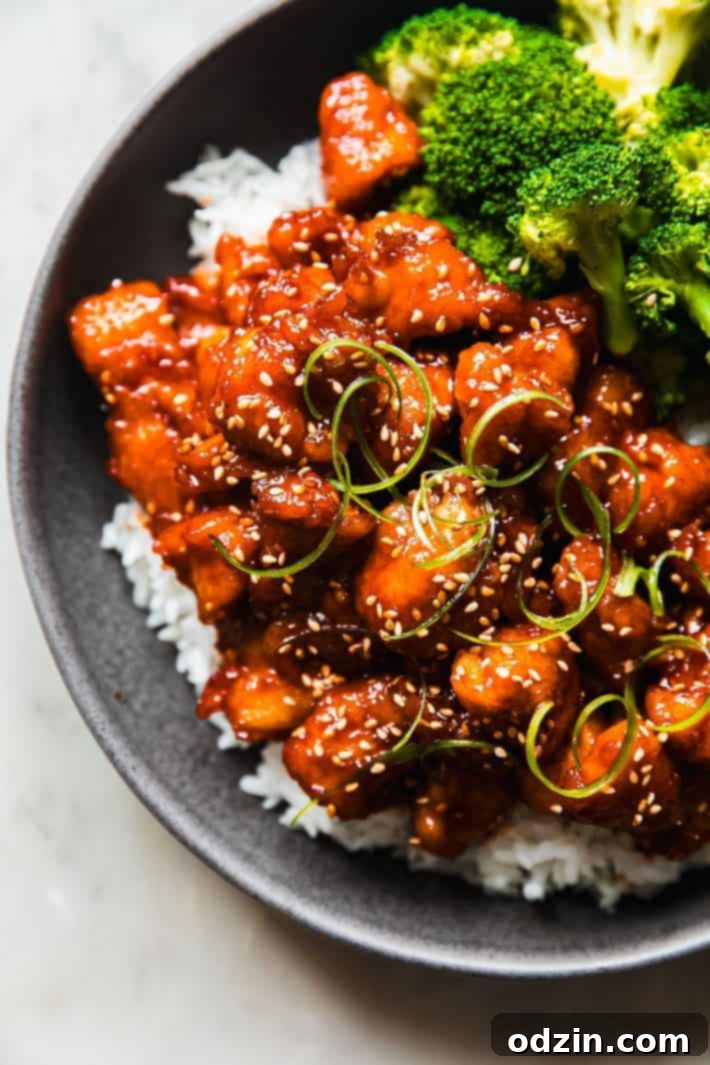
What Makes This Gochujang Chicken So Irresistible?
Sweet, sticky, and crispy chicken – does it get any better? This recipe ticks all the boxes for a truly satisfying meal. We start with tender chicken, whether you prefer thighs, tenders, or breasts, cut into perfect bite-sized pieces. The magic begins with a little baking soda, a secret ingredient commonly used in Asian cooking to “velvet” the chicken, making it incredibly tender and moist. After its tenderizing bath, the chicken gets a generous toss in cornstarch, ensuring each piece achieves an irresistibly crispy exterior when fried.
But the real star of the show is undoubtedly the sauce. A luxurious blend of garlic, gochujang paste, and honey creates a sweet, savory, and spicy glaze that clings perfectly to every crispy morsel. This harmonious combination of textures and flavors will make your taste buds sing!
Inspired by Authentic Korean Flavors
The inspiration for this mouthwatering Gochujang Chicken recipe comes from a couple of delightful sources. My initial spark ignited after devouring the most phenomenal Gochujang wings from our favorite local Korean takeout spot. The perfect balance of sticky, slightly sweet, and savory glaze was simply unforgettable. It left me craving that incredible flavor profile and determined to recreate a similar magic at home. They also feature a fantastic Korean chicken stir-fry on their menu, brimming with colorful vegetables like carrots and zucchini.
So, as any passionate food blogger would do, I took the very best elements from these beloved dishes – the glorious sticky glaze of the wings and the wholesome versatility of the stir-fry – and fused them into one spectacular recipe. The result? A dish that perfectly embodies the CRUNCHY, STICKY, GOCHUJANG CHICKEN experience you’ve been dreaming of.
Your New Favorite Weeknight Meal
It’s no secret that I’m always on the hunt for quick and delicious weeknight dinners that don’t compromise on flavor. Recipes like my Ponzu Zucchini Chicken, Turmeric Black Pepper Chicken, and Sizzling Jalapeño Chicken are often in heavy rotation for two simple reasons: 1) they are incredibly easy to make, and 2) they pack an enormous punch of flavor. This Gochujang Chicken fits right into that category, promising a delicious and hassle-free meal.
For an effortlessly satisfying dinner, I love serving this quick Gochujang Chicken stir-fry alongside fluffy jasmine rice, which I whip up in minutes using my favorite rice cooker. A side of perfectly steamed broccoli adds a fresh, vibrant contrast to the rich sauce. This isn’t just a recipe; it’s a flavorful experience the whole family will adore, making it a perfect addition to your weekly meal plan.
Essential Ingredients for Perfect Gochujang Chicken:
Each ingredient in this recipe plays a crucial role in building the incredible flavor and texture of our Gochujang Chicken. Here’s a closer look at what you’ll need and why:
- Chicken: The foundation of our dish! You have flexibility here – boneless, skinless chicken breast, thighs, or tenders all work beautifully. For best results, dice the chicken into uniform ¾-inch pieces. This ensures even cooking and perfect bite-sized portions. We’ll marinate it briefly to prepare for the velveting process.
- Baking Soda: This might seem like an unusual addition, but baking soda is a game-changer in Asian cooking, specifically for “velveting” meat. It raises the pH of the chicken, tenderizing the protein fibers and helping the chicken retain moisture. The result? Unbelievably tender, succulent chicken that’s never dry.
- Granulated Sugar: A small pinch of sugar is added during the velveting process, not just for sweetness, but to help balance the flavors and further assist in tenderizing the chicken.
- White Pepper: While often overlooked, white pepper adds a subtle, earthy heat and aromatic depth that complements the other flavors without being overly dominant. It’s a classic addition to many Asian marinades.
- Toasted Sesame Oil: Essential for its nutty, rich aroma and flavor. A touch of toasted sesame oil in the marinade infuses the chicken with a delicious complexity and helps keep it juicy.
- Low-Sodium Soy Sauce: You’ll use this twice – first in the chicken marinade for umami depth and seasoning, and again in the gochujang sauce. We recommend low-sodium to control the overall saltiness, as gochujang paste also contributes sodium.
- Cornstarch: The secret to that glorious crispy coating! Tossing the marinated chicken in cornstarch before frying creates a protective barrier. This seals in moisture, ensuring a tender interior, while transforming into a shatteringly crisp exterior when it hits the hot oil.
- High-Heat Oil: For frying the chicken and sautéing the garlic, you’ll need an oil with a high smoke point. Avocado oil is an excellent choice for its neutral flavor and stability at high temperatures, but canola, grapeseed, or sunflower oil also work well.
- Honey: This provides the primary sweetness in our Korean chicken sauce, creating that irresistible sticky glaze. Its floral notes perfectly complement the spicy gochujang and tangy rice vinegar, creating a beautifully balanced flavor profile.
- Gochujang Paste: The heart and soul of this dish! Gochujang, or Korean red pepper paste, is a fermented, savory, sweet, and spicy condiment. It’s now widely available in the international aisle of most well-stocked grocery stores. You can also easily purchase it online here. Its unique umami depth is irreplaceable.
- Rice Vinegar: A splash of rice vinegar is crucial for cutting through the richness of the sauce. Its mild acidity brightens the flavors and balances the sweetness from the honey, preventing the sauce from becoming cloyingly sweet.
- Garlic: You’ll need a generous amount of freshly minced garlic for this recipe! Sautéing the garlic in the same pan after frying the chicken infuses the sauce with its pungent, aromatic goodness, adding another layer of savory flavor.
- Sesame Seeds or Green Onions: These are optional but highly recommended garnishes. Toasted sesame seeds add a delightful crunch and nutty flavor, while sliced green onions provide a fresh, vibrant, and slightly pungent finish, enhancing both the appearance and taste of the final dish.
Pro Tip for Success! Have extra gochujang paste and wondering how to use it up? Don’t let it go to waste! Gochujang is incredibly versatile. Try incorporating it into other delicious recipes like my Sesame Gochujang Noodles, savory Gochujang Beef Bowls, the quick and satisfying Instant Pot Korean Beef Bowls, or the flavorful Quick Kimchi Fried Rice. It adds a fantastic depth of flavor to so many dishes!

Step-by-Step Guide to Making Gochujang Chicken
Creating this flavorful Gochujang Chicken is surprisingly simple. Follow these steps for tender, crispy chicken coated in an irresistible sauce:
- Start by Velveting the Chicken. Begin by dicing your chosen chicken (breast, thighs, or tenders) into uniform ¾-inch pieces. In a medium bowl, combine 1 tablespoon of water with the baking soda, a pinch of kosher salt, granulated sugar, white pepper, sesame oil, and 1 tablespoon of low-sodium soy sauce. Stir these ingredients thoroughly until the baking soda completely dissolves. Add the chicken to this mixture, toss well to ensure every piece is coated, and let it rest for 5-10 minutes. This short rest time allows the baking soda to work its magic, tenderizing the chicken to perfection.
- Ensure Maximum Crispy Texture. After the chicken has had a chance to rest and tenderize, it’s time to prepare it for frying. Add 3 tablespoons of cornstarch to the same bowl as the chicken. Toss vigorously until every piece of chicken is evenly coated. The cornstarch is crucial for creating that coveted crispy exterior when fried, sealing in the chicken’s juices for a succulent interior.
- Prepare the Irresistible Gochujang Sauce. While the chicken is resting, get your sauce ready. In a liquid measuring cup or a small bowl, combine the remaining 2 tablespoons of low-sodium soy sauce, honey, gochujang paste, and rice vinegar. Use a whisk to thoroughly combine the ingredients, ensuring that the gochujang paste and honey are fully dissolved and the sauce is smooth. Set aside.
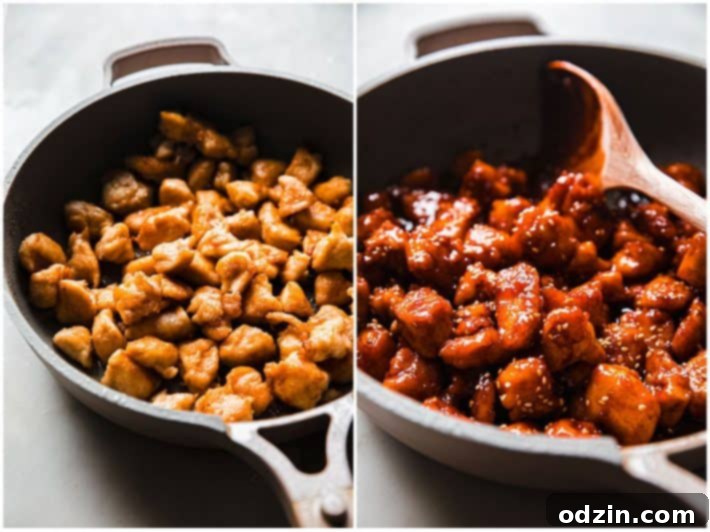
- Fry the Chicken to Golden Perfection. Heat a large nonstick skillet or wok over medium-high heat. Add 2 tablespoons of your chosen high-heat oil. Once shimmering, add about half of the cornstarch-coated chicken to the pan in a single layer, ensuring not to overcrowd it. Overcrowding can lower the pan’s temperature and prevent the chicken from crisping properly. Cook undisturbed for 2-3 minutes until golden brown and crispy on one side, then flip and cook for another 2-4 minutes until golden and cooked through. Remove the cooked chicken to a plate lined with paper towels to drain any excess oil. Add more oil as needed and repeat with the remaining chicken.
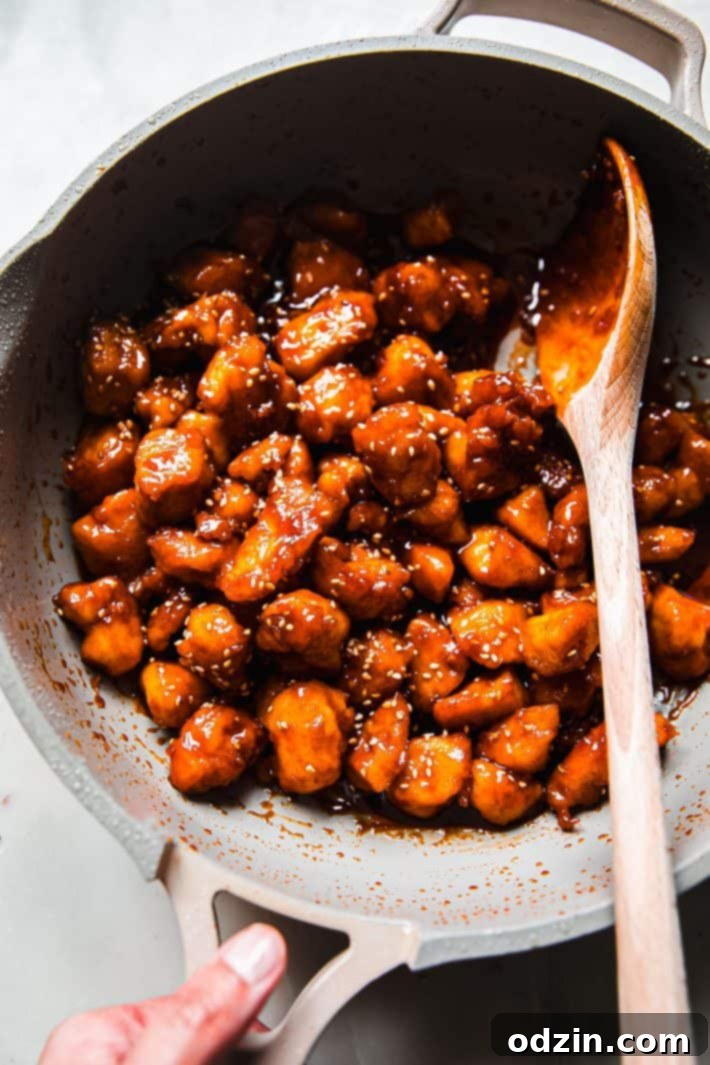
- Sauté the Garlic and Glaze with Sauce. With the skillet still on the stove, reduce the heat to medium-low and allow the pan to cool slightly for about 2 minutes. Add a small drizzle more of oil if necessary, then add the minced garlic. Sauté the garlic gently in the oil for about 30 seconds until fragrant, being careful not to burn it. Increase the heat back to high, then immediately pour the prepared gochujang sauce into the skillet. Let the sauce come to a rapid simmer and bubble. As soon as it thickens slightly, add all of the fried chicken back into the skillet. Toss the chicken vigorously to coat it completely and evenly in the luscious, sticky sauce. Remove from heat immediately to prevent the sauce from over-reducing.
- Serve and Savor. Transfer your sticky Gochujang Chicken to serving bowls. Garnish generously with freshly sliced green onions and a sprinkle of toasted sesame seeds for added flavor and visual appeal. Serve it piping hot over a bed of fluffy jasmine rice, accompanied by your favorite steamed vegetables like broccoli, snap peas, or a quick cucumber salad.
FAQs About This Gochujang Chicken Recipe
Gochujang boasts a complex flavor profile that is primarily salty, savory, and subtly sweet, with a distinct earthy undertone from the fermented soybeans and glutinous rice. It also carries a unique pungency and a varying degree of spiciness, depending on the brand and type. Think of it as a rich, umami-packed chili paste rather than just a simple spicy sauce.
Korean red chili paste, or gochujang, is a traditional fermented condiment made from gochugaru (Korean chili powder), glutinous rice (which gives it its characteristic sweetness and body), fermented soybeans (producing that deep umami), and salt. These ingredients are fermented over time, often for months or even years, developing its unique fiery red color and robust flavor.
Despite its fiery red appearance, gochujang is often less intensely spicy than you might expect, especially compared to some other chili pastes. Its heat level can vary significantly by brand, with some being quite mild and others offering a more pronounced kick. Unless the packaging specifically indicates a high spice level, most gochujang pastes provide a balanced heat that is palatable for a wide range of palates, allowing its complex savory and sweet notes to shine through.
While the dish is best enjoyed fresh for maximum crispiness, you can prepare certain components in advance. The chicken can be velveted and coated in cornstarch up to a few hours ahead and kept refrigerated. The gochujang sauce can also be whisked together and stored in an airtight container in the fridge for up to 3-4 days. Then, all you need to do is fry the chicken and combine it with the sauce when you’re ready to eat.
This Gochujang Chicken pairs wonderfully with a variety of sides. Fluffy jasmine or sticky white rice is a classic choice to soak up the delicious sauce. Steamed or stir-fried vegetables like broccoli, bok choy, green beans, or snap peas add freshness. For an authentic Korean meal, consider serving it with kimchi, pickled radishes, or a simple cucumber salad to provide a refreshing contrast to the rich, savory chicken.
If You Love This Recipe, You Might Also Enjoy These:
If you’ve fallen in love with the flavors of this Sweet and Sticky Gochujang Chicken, be sure to explore more of our delicious Asian-inspired recipes:
- Chili Crisp Salmon with Cucumber Sweet Pepper Salad
- Sesame Ginger Tofu and Veggie Stir Fry
- Saucy Chicken Broccoli Stir Fry
- Black Pepper Chicken Stir Fry
- Korean BBQ Bowls with Garlic Rice
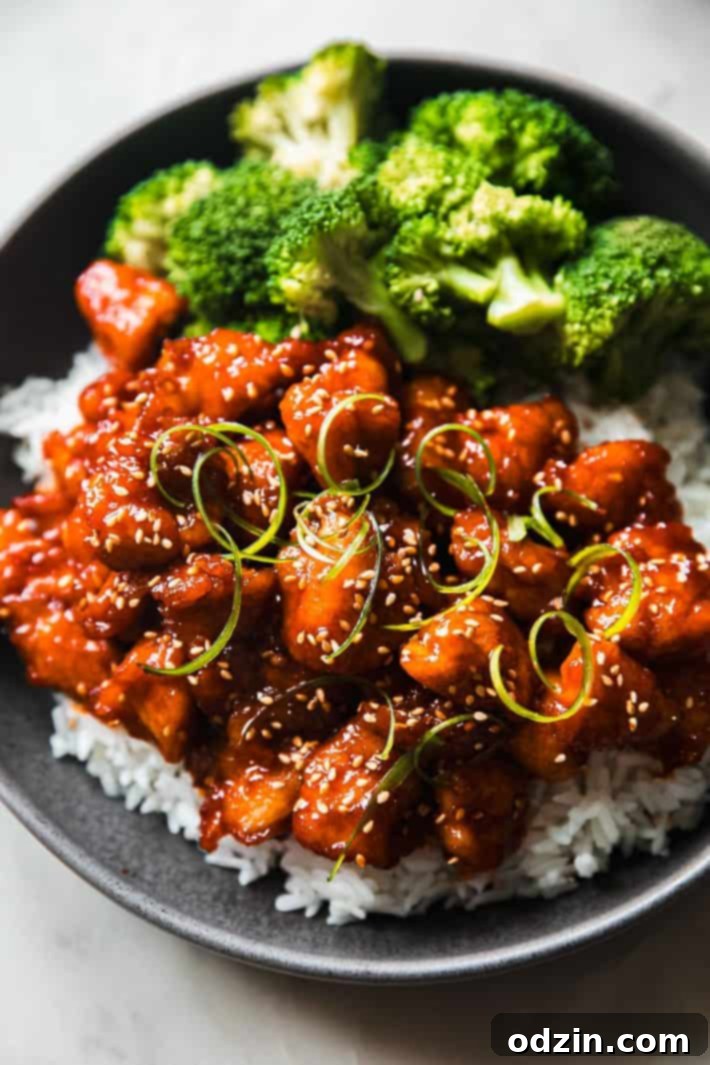
Sticky Garlic Gochujang Chicken
10 minutes
10 minutes
10 minutes
30 minutes
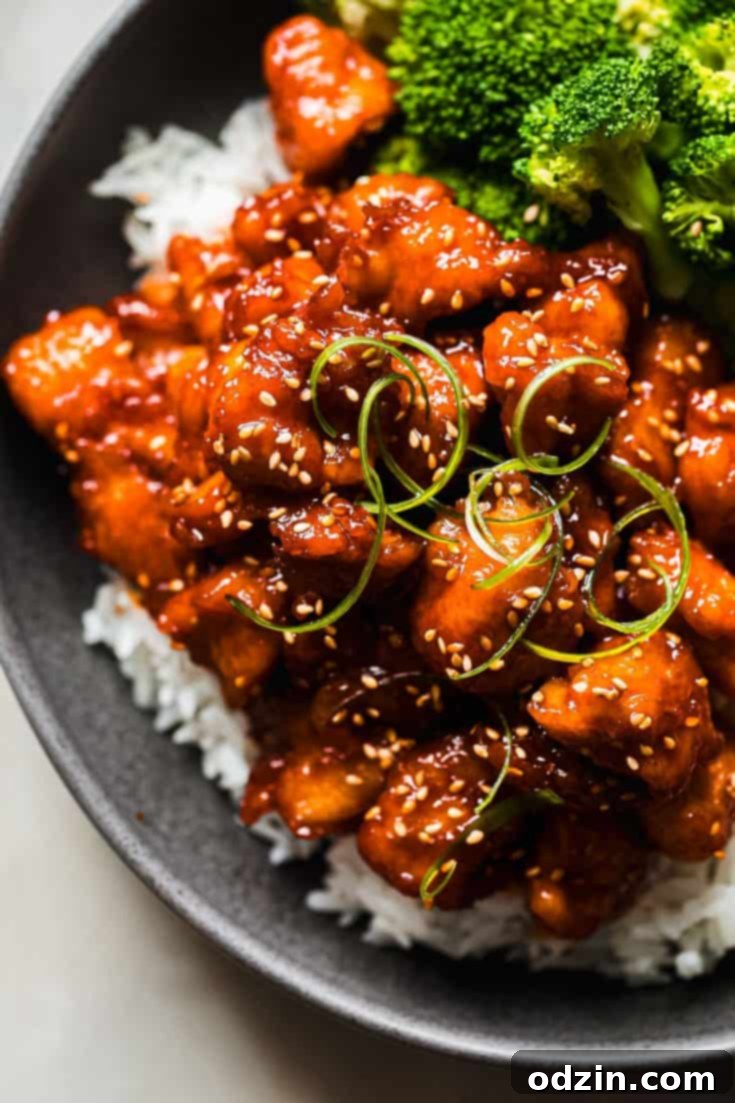
This Sweet and Sticky Gochujang Chicken recipe delivers unbelievably crispy chicken pieces generously coated in a flavorful sweet, savory, and subtly spicy gochujang sauce. It’s a perfect easy weeknight meal that brings Korean-inspired deliciousness to your table!
Ingredients
- 1 ¼ pound boneless, skinless chicken (breasts, thighs, or tenders), cut into ¾-inch pieces
- ¼ teaspoon baking soda
- 1 teaspoon granulated sugar
- ½ teaspoon white pepper
- 2 teaspoons toasted sesame oil
- 3 tablespoons low sodium soy sauce, divided (1 tbsp for marinade, 2 tbsp for sauce)
- 3 tablespoons cornstarch
- 3 tablespoons high-heat oil (such as avocado oil), divided
- ¼ cup honey
- 2 tablespoons gochujang paste (or more, to taste, for extra spice)
- 1 tablespoon rice vinegar
- 5 cloves garlic, minced
- Green onions (sliced) + toasted sesame seeds, for optional topping
Instructions
- VELVET THE CHICKEN: Cut the boneless, skinless chicken into small, uniform ¾-inch pieces. In a medium bowl, combine 1 tablespoon water, ¼ teaspoon baking soda, ½ teaspoon kosher salt (not listed in original ingredients, adding for typical velveting practice, if not, remove), 1 teaspoon granulated sugar, ½ teaspoon white pepper, 2 teaspoons toasted sesame oil, and 1 tablespoon low sodium soy sauce. Stir well with a spoon until the baking soda dissolves. Add the chicken to this mixture, stir to coat thoroughly, and let it marinate for 10 minutes to tenderize.
- COAT FOR CRISPINESS: Add 3 tablespoons of cornstarch to the same bowl with the marinated chicken. Stir well to ensure all chicken pieces are evenly coated with the cornstarch. This coating will create a wonderfully crispy exterior when fried.
- PREPARE THE SAUCE: In a separate measuring cup or small bowl, combine the remaining 2 tablespoons of low sodium soy sauce, ¼ cup honey, 2 tablespoons gochujang paste (adjust to your spice preference), and 1 tablespoon rice vinegar. Whisk vigorously until all ingredients are well combined and smooth, ensuring the gochujang and honey are fully dissolved. Set aside.
- FRY THE CHICKEN: Heat 2 tablespoons of high-heat oil (like avocado oil) in a large nonstick skillet or wok over medium-high heat. Once the oil is shimmering, add about half of the cornstarch-coated chicken to the skillet, arranging it in a single layer without overcrowding. Cook undisturbed for 2-3 minutes until golden brown and crispy on one side. Flip the chicken pieces and cook for another 2-4 minutes until they are golden and fully cooked through. Remove the cooked chicken to a plate. Add the remaining 1 tablespoon of oil to the skillet and repeat the frying process with the second batch of chicken.
- SAUTÉ GARLIC & GLAZE: Reduce the skillet temperature to medium-low and allow the pan to cool slightly for about 2 minutes. Add the minced garlic to the skillet and sauté for 30 seconds until fragrant, being careful not to burn it. Increase the heat back to high. Pour the prepared gochujang sauce into the skillet. Let it simmer and bubble until it starts to thicken slightly. Immediately add all of the fried chicken back into the skillet. Toss quickly and thoroughly to ensure all the chicken pieces are evenly coated with the sticky, flavorful sauce. Remove from heat.
- SERVE: Serve the hot Gochujang Chicken immediately over fluffy rice with your favorite steamed vegetables. Garnish generously with freshly sliced green onions and toasted sesame seeds for an extra burst of flavor and visual appeal.
Recommended Products
- White Pepper
- Gochujang Paste
- Honey
- Saute Pan
Nutrition Information:
Yield:
5 servings
Amount Per Serving (Estimate):
Calories: 443Total Fat: 21gCarbohydrates: 28gProtein: 35g
The nutrition information provided is an estimate only and should not be considered a substitute for professional nutrition advice. For the most accurate information, please input the exact ingredients you use into a reliable nutrition calculator.
Have you made this recipe?
If you enjoyed this crispy, sticky Gochujang Chicken, we’d love to hear from you! Please consider leaving a ⭐️⭐️⭐️⭐️⭐️ rating and a comment below to share your experience. You can also share a picture of your delicious creation on Instagram using the hashtag #LITTLESPICEJAR – we can’t wait to see what you made!