Authentic Lebanese Toum: The Ultimate Homemade Garlic Sauce (Vegan & Gluten-Free Recipe)
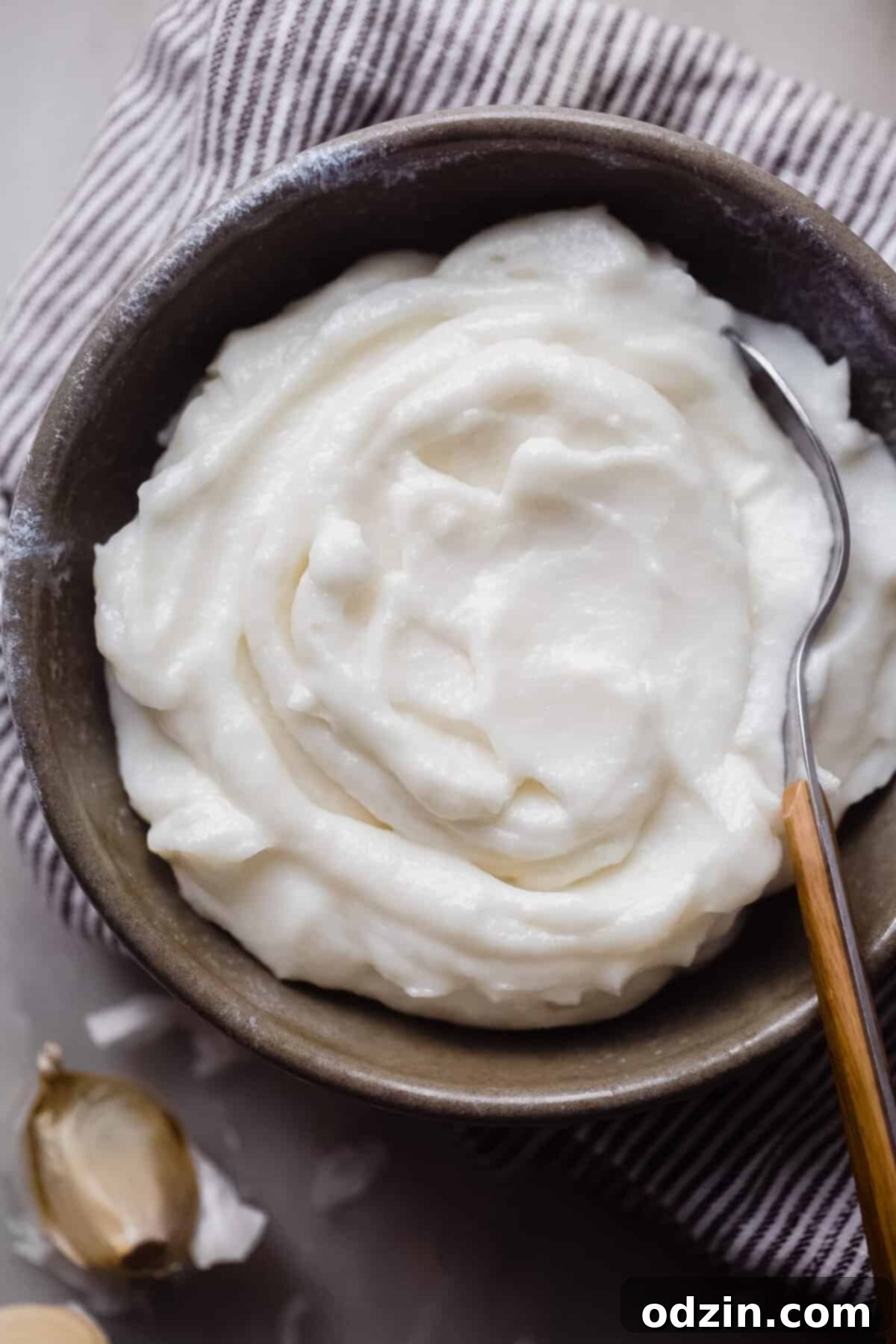
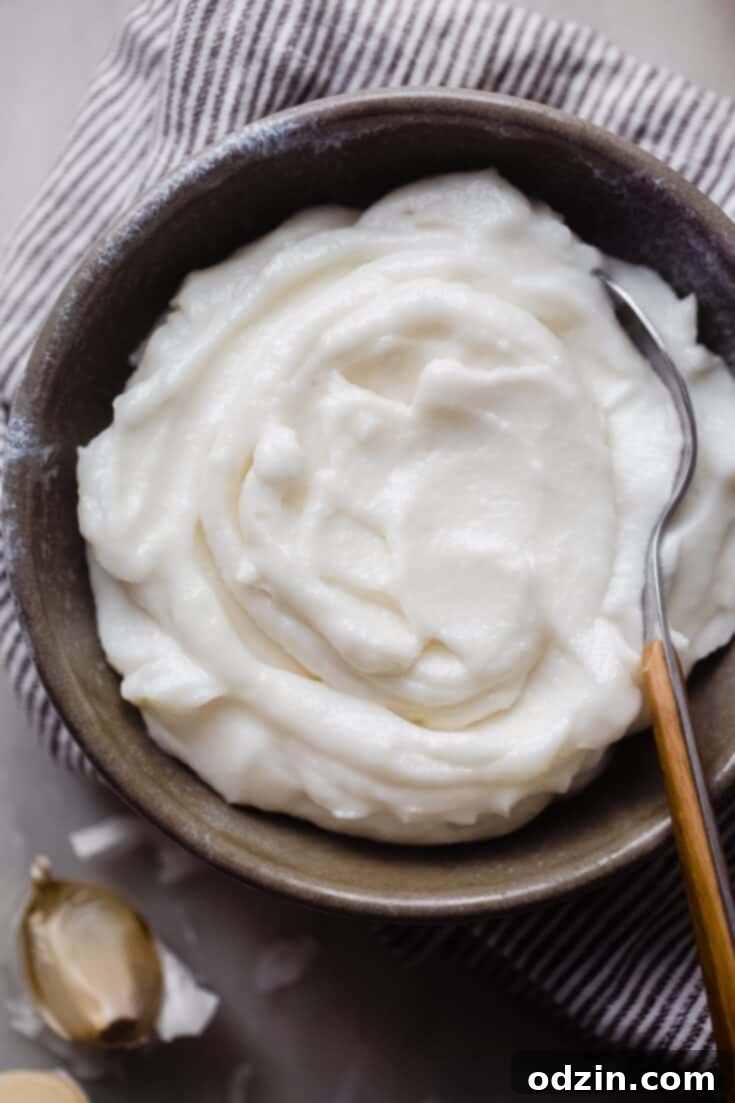
Toum, the legendary Lebanese garlic sauce, is a culinary marvel crafted from just four simple ingredients. This incredibly versatile condiment boasts a luscious, creamy texture, similar to a rich mayonnaise or aioli, yet it’s entirely vegan and gluten-free, containing no eggs or dairy. It’s surprisingly easy to whip up in a food processor and, when stored correctly, can last for months in your refrigerator, making it the perfect staple for any kitchen.
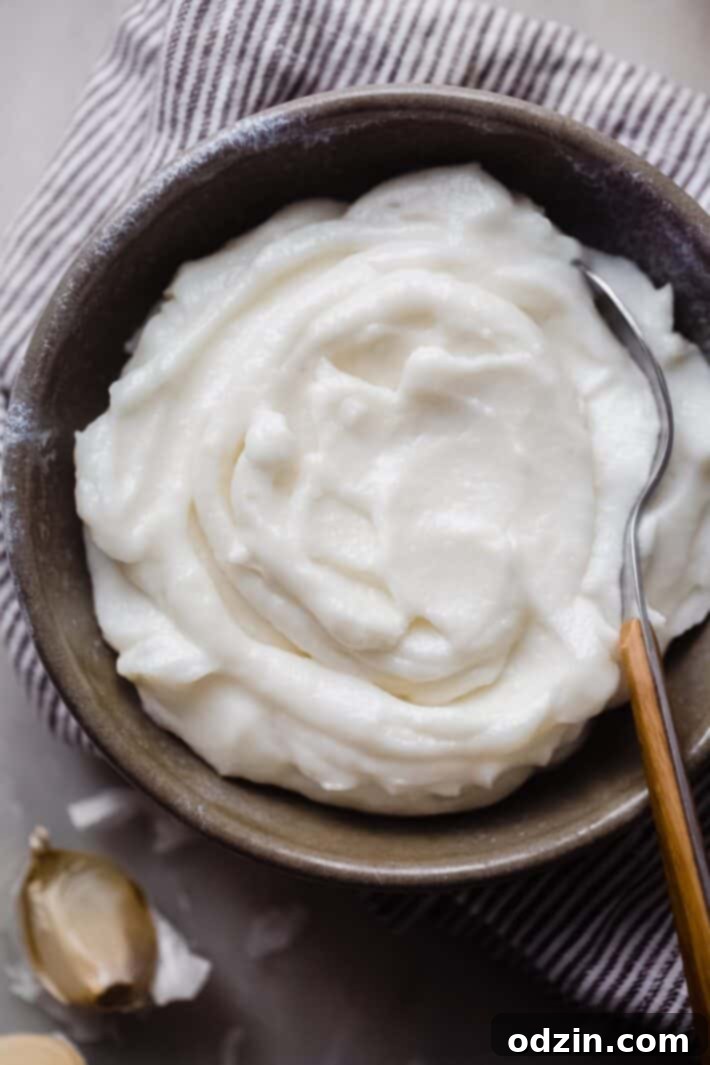
Today, I’m thrilled to share one of my absolute favorite homemade condiments: a vibrant, potent, and utterly irresistible garlic sauce recipe. If you’ve been searching for the secret to authentic Middle Eastern flavors, look no further than this homemade toum. Its bright, pungent kick elevates almost any savory dish, transforming ordinary meals into extraordinary culinary experiences.
My tried-and-true toum recipe relies on only four pantry-staple ingredients, but the key to its unparalleled flavor and texture lies in using the freshest garlic possible. The resulting creaminess and velvety smoothness are truly addictive. Unlike traditional French aioli, this Lebanese garlic sauce achieves its remarkable emulsion without eggs, relying instead on the natural emulsifying properties of fresh garlic cloves, combined with the slow incorporation of oil and lemon juice. This means it’s a fantastic option for those seeking a plant-based, egg-free, or gluten-free alternative to rich, creamy sauces.
Here in our home, we are undeniably huge fans of garlic – a fact that likely comes as no surprise to long-time readers! Given our love for all things garlicky, it’s easy to understand why we always have generous batches of this incredible homemade toum sauce readily available in the refrigerator. Its versatility knows no bounds; it’s the perfect spread to slather onto a succulent roast beef or turkey sandwich, adding a burst of flavor that cuts through the richness. Beyond sandwiches, toum is the quintessential accompaniment to a vast array of Middle Eastern and Mediterranean dishes.
Imagine serving it alongside perfectly roasted rotisserie chicken, where its sharp garlic notes provide a refreshing contrast. It’s an absolute must-have for chicken shawarma, whether wrapped in warm pita bread or served in a hearty bowl. It pairs flawlessly with beef shawarma bowls, cutting through the spiced meat with its zesty brightness. For grilled delights, it’s the ideal dip for grilled chicken kebabs or the tender, marinated chicken of shish tawook. The list of applications is truly endless!
And then there are the fries. You know how some people are dedicated to dipping their crispy fries in mayonnaise? Well, I am firmly in the camp that dips them in homemade toum. And let me tell you, it’s a truly life-changing experience. The intense garlic flavor, combined with the creamy texture, transforms a simple side dish into an unforgettable treat. Forget the calories for a moment when it comes to this glorious garlic dip; it’s an indulgence well worth it, wouldn’t you agree?
Let’s Make My Viral Lebanese Toum ⤵️
@littlespicejar How to make Toum (Lebanese Garlic Sauce) Perfect for homemade Shawarmas and all sorts of other things! #toum #garlicsauce #AXERatioChallenge #fyp #fypシ #shawarma #garlic #saucy #cooking #easyrecipes #homemade ♬ Pieces (Solo Piano Version) – Danilo Stankovic
What is Toum Sauce? The Magic of Lebanese Garlic
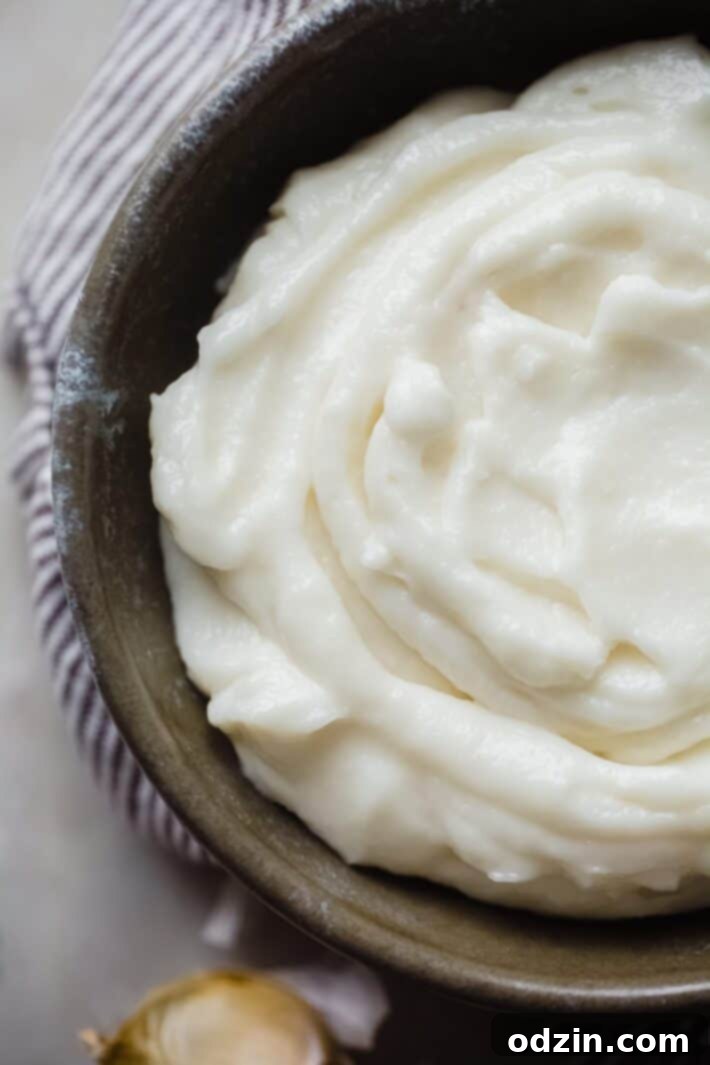
Toum, also known as toumya or salsat toum, is an iconic Lebanese garlic paste or sauce, renowned for its intense garlic flavor and incredibly smooth, whipped consistency. It is a staple in Middle Eastern cuisine, particularly in Lebanon, where it graces nearly every table alongside grilled meats, falafel, and shawarma. Traditionally, this potent condiment is crafted using just four core ingredients: garlic cloves, salt, fresh lemon juice, and a neutral oil.
What makes toum truly fascinating is its method of emulsification. Unlike many creamy sauces like mayonnaise that rely on egg yolks as an emulsifier, toum achieves its stability and luxurious texture through the power of garlic itself. The allicin compounds in garlic, when vigorously processed with salt, begin to break down, releasing proteins and juices that act as a natural binding agent. When oil and lemon juice are added very slowly and steadily, these compounds create a stable emulsion, trapping air and resulting in the sauce’s characteristic fluffy, cloud-like appearance.
Historically, toum was painstakingly made by hand in a mortar and pestle, where garlic cloves and salt would be pounded into a smooth paste before the oil and lemon were meticulously drizzled in. This labor-intensive process ensured a perfect emulsion. While some modern recipes might suggest adding boiled potatoes or even egg whites to aid stabilization, my recipe adheres to the traditional, purist approach. By meticulously adding the acid (lemon juice) and oil in small, controlled increments, we prevent the emulsion from breaking, yielding a perfectly stable and authentic toum without any extraneous ingredients.
The flavor profile of toum is unmistakably garlic-forward – it’s bold, pungent, and incredibly aromatic. However, the fresh lemon juice provides a crucial bright counterpoint, cutting through the garlic’s intensity and adding a refreshing tang. This balance of flavors makes toum not just a dip, but a transformative ingredient that awakens the palate and enhances everything it touches. It’s a testament to how simple ingredients, combined with precise technique, can create something truly extraordinary.
Essential Ingredients for the Best Toum (Lebanese Garlic Sauce)
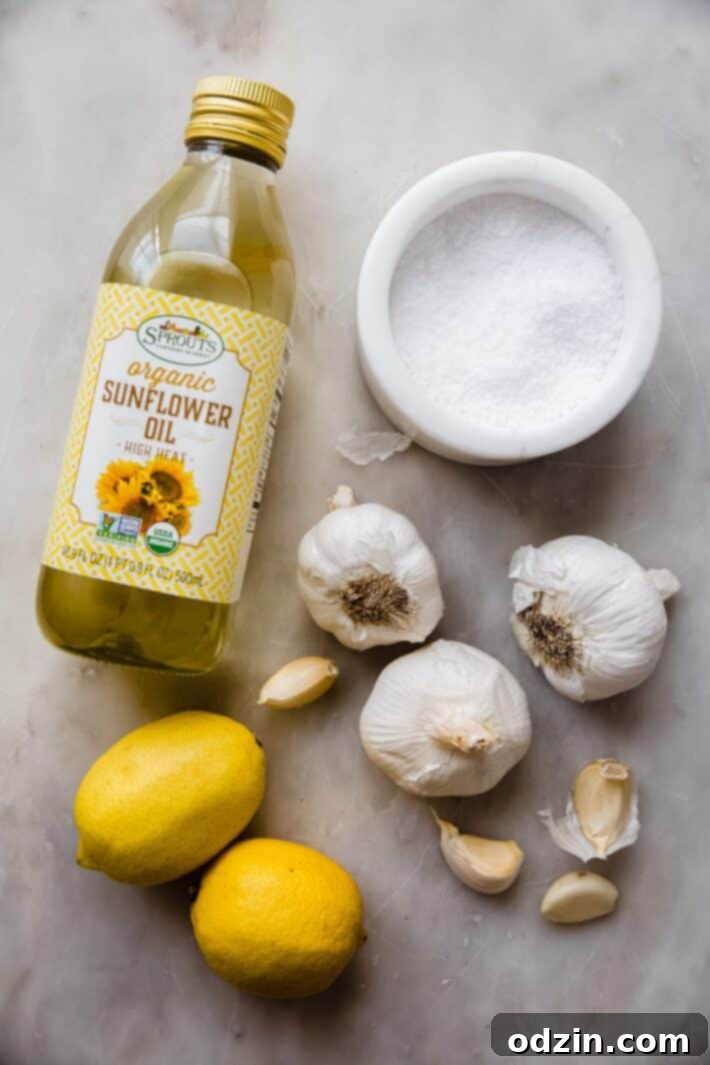
Creating authentic toum requires only a handful of ingredients, but the quality and preparation of each are paramount to achieving the perfect taste and texture. Here’s a detailed look at what you’ll need:
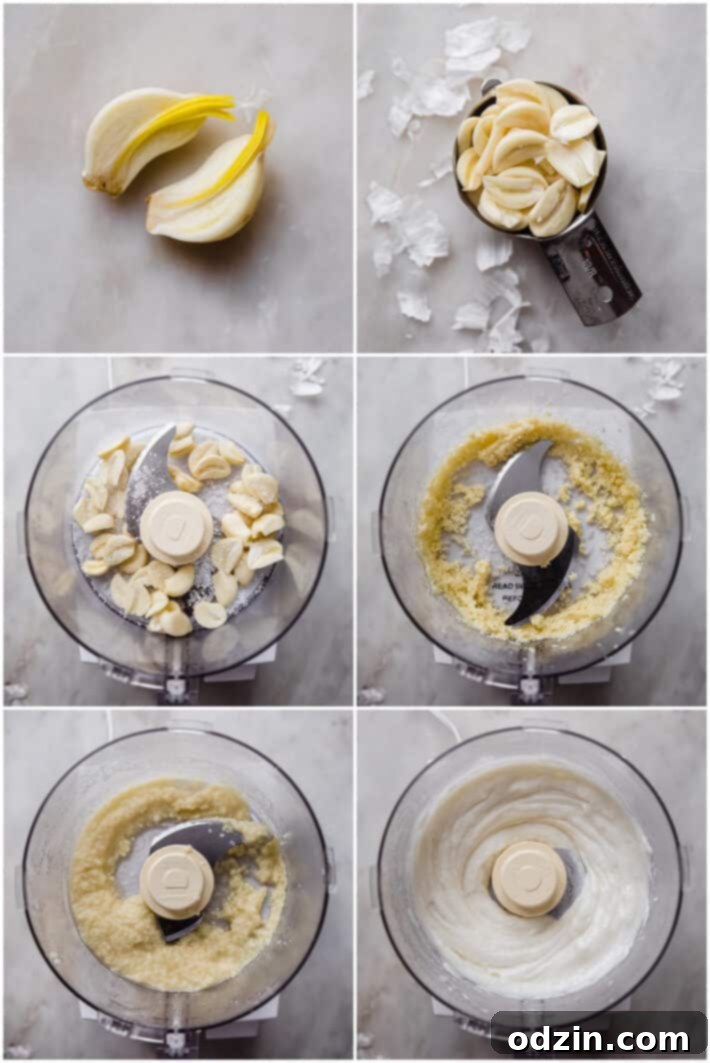
- Fresh Garlic Cloves: This is the star of the show, and you’ll need a significant amount – approximately 1/2 cup for this recipe. The fresher the garlic, the more potent and delicious your toum will be. It’s crucial to use whole, fresh garlic cloves. Unfortunately, pre-minced or jarred garlic is not a suitable substitute; it lacks the necessary enzymes and fresh flavor compounds required for both taste and proper emulsification. For the absolute best results, I highly recommend starting with whole heads of garlic. After peeling, it’s vital to meticulously remove the green sprout, or germ, from the center of each clove using a small paring knife. This green germ can impart a bitter taste to your toum, especially if the garlic is older. While peeling garlic can be a bit tedious, you can often find already peeled fresh garlic cloves in the refrigerated produce section of many grocery stores, which can be a great time-saver. Ensure they are firm and free from blemishes.
- Fresh Lemon Juice: Lemon juice plays a dual role in toum. Firstly, its acidity is crucial for the emulsification process, helping to stabilize the mixture as the oil is slowly incorporated. Secondly, it provides a bright, tangy counterpoint to the intense garlic flavor, balancing the sauce beautifully and preventing it from being overwhelmingly pungent. Always use freshly squeezed lemon juice for the best flavor; bottled lemon juice often contains preservatives and lacks the vibrant taste of fresh citrus. The alternating addition of lemon juice and oil is key to creating that stable, creamy emulsion.
- Kosher Salt: More than just a seasoning, kosher salt is a critical component in toum. It enhances the overall flavor of the sauce, drawing out the natural juices from the garlic and contributing to the initial paste. Furthermore, salt acts as a natural preservative, extending the shelf life of your homemade toum. While a teaspoon of kosher salt might seem like a substantial amount for the initial garlic blend, trust the process. Once the emulsion is fully formed and the flavors meld, you’ll discover it provides the perfect savory balance.
- Neutral Oil: The choice of oil is crucial for the color, flavor, and stability of your toum. You absolutely want to use a neutral, colorless, and flavorless oil. Excellent choices include canola oil, sunflower oil, safflower oil, vegetable oil, or corn oil. These oils have a high smoke point and a mild flavor that won’t compete with or overpower the garlic. I learned this lesson the hard way once when I used a dark green grapeseed oil; it imparted an unappealing green tinge to my toum, which, while harmless, wasn’t visually appealing. The same caution applies to olive oil; its distinctive flavor is too strong for toum and will significantly alter its characteristic taste and color. Stick to truly neutral oils for that pristine white, classic toum appearance and pure garlic flavor.
Step-by-Step Guide: Crafting Perfect Toum in Your Food Processor
Making toum in a food processor streamlines the process considerably, making this traditional Lebanese sauce accessible to home cooks. The key is patience and a steady hand when adding liquids. Here’s how to achieve that coveted fluffy, garlicky perfection:
- Garlic Preparation & Initial Pulse: Begin by placing your prepared 1/2 cup of fresh garlic cloves (remember to remove those green germs!) and 1 teaspoon of kosher salt into the bowl of your food processor, ensuring it’s fitted with the blade attachment. The quantity of garlic might seem substantial, but it’s essential to stand up to the large volume of oil we’ll be incorporating, ultimately yielding close to 2 cups of finished sauce. Pulse the garlic and salt together until the garlic is very finely minced and forms a rough paste. It’s crucial that your food processor has an opening at the top of the lid, usually a feed tube, allowing you to slowly drizzle in the liquids later. After mincing, use a spatula to scrape down the sides of the bowl, ensuring all garlic is pushed towards the blade. If your food processor bowl feels significantly warm from the initial processing, give it a few minutes to cool down. You can even pop the entire food processor bowl with the blade and garlic mixture into the fridge for 5-10 minutes to chill it slightly – a cooler temperature can help prevent the emulsion from breaking.
- The Emulsification Process – Patience is Key: This is the most critical stage. Start the food processor again and, with the motor running, very slowly begin to drizzle in 1/4 cup of your chosen neutral oil through the feed tube. The stream should be thin and consistent, almost a slow drip. After adding this initial 1/4 cup of oil, stop the food processor and scrape down the sides of the bowl once more to ensure everything is well combined. Now, restart the processor and slowly pour in 1 tablespoon of fresh lemon juice. Again, maintain a slow, steady stream. The secret to a stable emulsion is the gradual alternation between oil and lemon juice. Continue this pattern: add another 1/2 cup of oil very slowly, followed by another 1 tablespoon of lemon juice, then 1/4 cup of oil, the final 1 tablespoon of lemon juice, and finally, the remaining 1/2 cup of oil. It cannot be stressed enough: take your time during this step. Adding too much oil or lemon juice too quickly is the primary reason toum fails and the emulsion breaks, resulting in a thin, separated sauce. The entire process of adding liquids should take at least 5-7 minutes. As you continue adding the liquids, you’ll notice the mixture transforming, thickening, and becoming incredibly fluffy and white, taking on a cloud-like consistency.
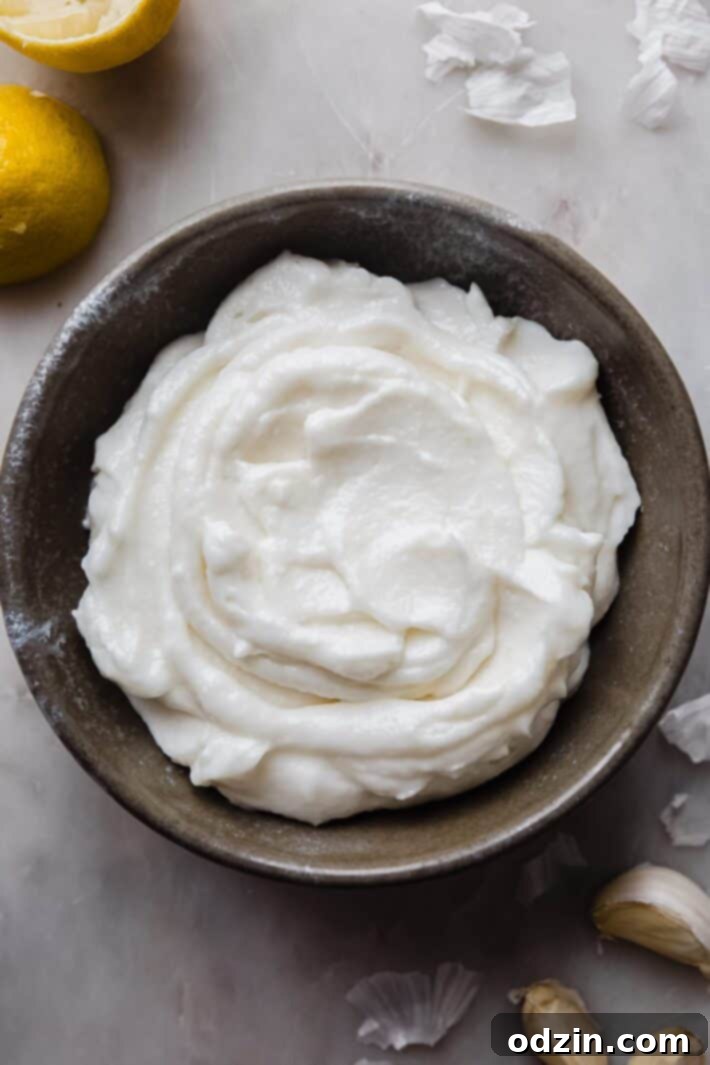
- Finishing and Chilling: Once all the oil and lemon juice have been incorporated and your toum is beautifully thick and fluffy, stop the food processor. Scrape the finished sauce into a clean bowl or, ideally, a glass jar with a tight-fitting lid. Cover it securely and transfer it to the refrigerator. Allow the toum to chill for several hours, or even better, overnight before serving. While freshly made toum is delicious, it often carries a very intense, almost harsh garlic heat. Refrigeration allows the flavors to meld and mellow, resulting in a more balanced and palatable sauce. Many find that the toum tastes significantly better on day two, as the garlic’s sharpness softens into a rich, complex flavor.
FAQs About Lebanese Garlic Sauce (Toum)
When you cut a garlic clove in half lengthwise, you’ll observe a small sprout in the center – this is the ‘germ.’ If you’re working with young, fresh garlic, this germ will typically be pale yellow or even translucent. However, as garlic ages, this sprout turns a distinct green. It’s crucial to remove this little sprout before blending your toum because it contains compounds that can impart a noticeably bitter taste to your sauce. Beyond flavor, over time, the presence of the green germ can also cause your homemade toum to develop an unappealing greenish hue. A small paring knife is ideal for easily slicing out this central piece.
The flavor of toum evolves. If you consume it immediately after making it, you’ll likely find it has a very pungent and intense raw garlic flavor, which some might perceive as harsh. This is due to the raw allicin compounds being at their peak. I’ve found that the garlic flavor mellows considerably and becomes much more balanced and integrated if you let the sauce rest. For the best flavor experience, I usually prefer to make the toum at least a day in advance and allow it to chill thoroughly in the refrigerator. By day two or three (and beyond), the flavors will have harmonized beautifully.
For authentic toum, it’s essential to use a neutral, colorless, and flavorless oil. Excellent options include avocado oil, canola oil, vegetable oil, sunflower oil, or safflower oil. The goal is an oil that won’t compete with the garlic flavor or alter the sauce’s pristine white color. I once made the mistake of using grapeseed oil that had a naturally deep green tint, and it gave my toum an unintended light green tinge. Olive oil, especially extra virgin, is also not recommended as its strong flavor and greenish color will drastically change the toum’s traditional profile. Always opt for oils that are as bland and colorless as possible.
One of the fantastic benefits of homemade Lebanese toum is its impressive shelf life. When properly stored in an airtight container – ideally a glass jar with a tight-fitting lid – in the refrigerator, it will last for at least 3 months. The high oil content, combined with the natural preservative qualities of garlic and lemon, helps to keep it fresh for an extended period. While it remains safe to eat for months, I generally find that the most vibrant garlic flavor is enjoyed within the first month of preparation.
A common issue when making toum is the sauce becoming too thin or ‘breaking’ (separating into oil and a thin liquid). This usually happens if the food processor motor heats up excessively during the long blending process, or if the oil or lemon juice is added too quickly. If you find your sauce is too thin, here are a few tips for your next attempt: ensure your food processor and ingredients (especially the garlic and bowl) are as cool as possible before you begin, perhaps by chilling them. When making the emulsion, be even more deliberate and slow with your liquid additions. If your sauce starts to thin out during the process, you can try adding an ice cube directly into the food processor while it’s running. As it slowly melts, the ice water can help to cool down the blades and mixture, potentially assisting in emulsification. Alternatively, if your sauce has completely broken, sometimes adding a fresh egg white to the mixture and slowly re-emulsifying with a tablespoon or two of fresh oil can rescue it, though this deviates from the traditional vegan recipe.
While a food processor is generally recommended for its wider base and ability to handle thicker pastes, you can attempt to make toum in a powerful blender, particularly one with a narrow base. The main challenge with a blender is controlling the temperature and ensuring a slow, consistent drizzle of oil. If using a blender, make sure it has a small opening in the lid for drizzling and be extra vigilant about cooling the ingredients if the motor starts to heat up. An immersion blender can also work, especially if you have a wide-mouth jar that fits the head snugly, allowing for consistent blending from the bottom up.
Toum is primarily made from fresh garlic and oil, with lemon juice and salt. Garlic itself is known for numerous health benefits, including being a potent antioxidant and having antimicrobial properties. However, toum is also quite calorie-dense due to the large amount of oil it contains. While it’s a fantastic source of flavor and healthy fats (depending on the oil used), it should be enjoyed in moderation, especially if you’re mindful of calorie intake. It’s a much healthier alternative to many store-bought creamy sauces that might contain artificial ingredients or unhealthy fats.
Serving Suggestions & More Recipes You’ll Love
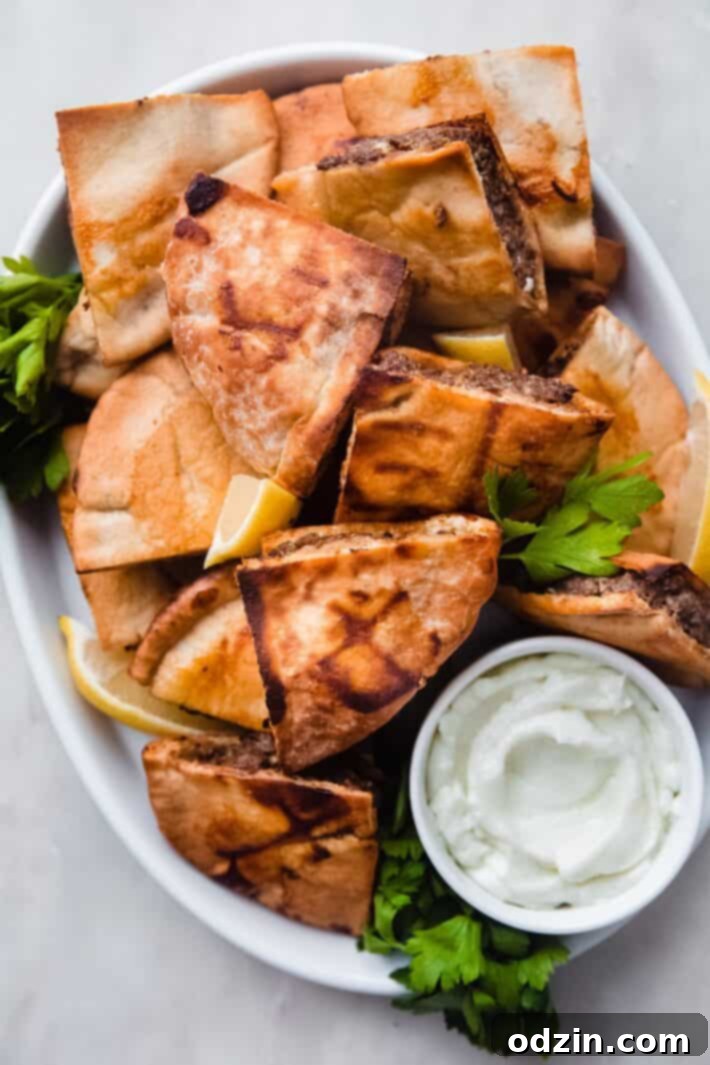
The beauty of toum lies not just in its vibrant flavor but also in its incredible versatility. Beyond the classic pairings with shawarma and kebabs, this Lebanese garlic sauce can transform a wide variety of dishes. Spread it generously on warm pita bread, use it as a dip for fresh vegetables, or even thin it slightly with a touch of water or lemon juice to create a flavorful dressing for salads. It’s also phenomenal with roasted potatoes, grilled fish, or as a savory enhancement to lentil soups. Don’t be afraid to experiment – toum brings a burst of freshness and zing to almost any savory preparation!
If you’re as passionate about Middle Eastern and Mediterranean flavors as I am, and you enjoyed crafting this authentic toum recipe, you’re in for a treat with these other delicious recipes. They pair wonderfully with your freshly made garlic sauce and will help you explore a broader range of delightful culinary experiences:
- 20-Minute Greek Gyros
- Easy Chicken Gyros with French Fries
- Easy Persian Chicken Kebabs
- The Best Homemade Falafel Recipe
- Greek Chicken Souvlaki Bowls
- Beef Shawarma Bowls with Vermicelli Pasta Rice
Lebanese Garlic Sauce (Toum)
15 minutes
15 minutes
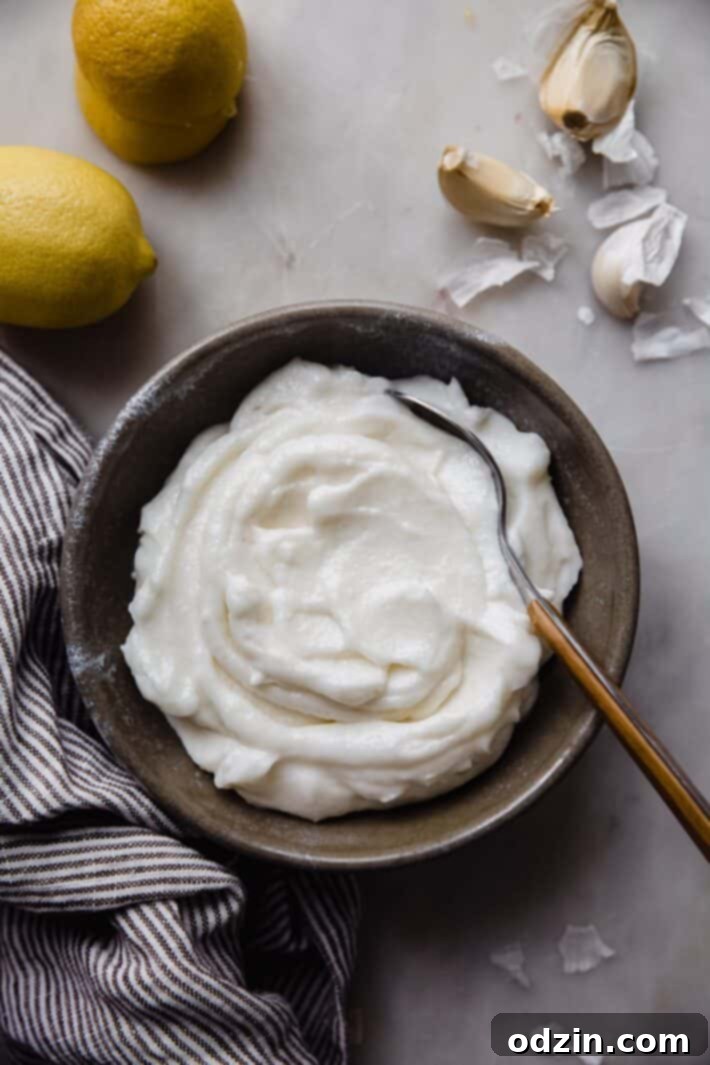
This authentic Lebanese garlic sauce, Toum, is made with just 4 simple, fresh ingredients! It’s easy to prepare in a food processor, creating a creamy, vegan, and gluten-free condiment that lasts for months in the fridge.
Ingredients
- ½ cup fresh garlic cloves (peeled, sliced down the center, and green germ removed)
- 1 teaspoon kosher salt
- 3 tablespoons fresh lemon juice (about 1-2 small lemons)
- 1 ½ cups neutral, colorless oil (such as sunflower, canola, or safflower)
Instructions
- PREPARE GARLIC: Place the prepared garlic cloves and kosher salt into the bowl of your food processor. Process until the garlic is very finely minced and forms a rough paste. Scrape down the sides and bottom of the bowl to ensure all garlic is near the blade. If the bowl feels warm, allow it to cool for a few minutes.
- EMULSIFY SLOWLY: With the food processor running, slowly and steadily drizzle in ¼ cup of the neutral oil through the feed tube. Stop the processor and scrape down the sides of the bowl. Restart the processor and slowly add 1 tablespoon of fresh lemon juice. Continue this crucial alternation: slowly add ½ cup of oil, then 1 tablespoon of lemon juice. Follow with ¼ cup of oil, the last tablespoon of lemon juice, and finally, the remaining ½ cup of oil. Ensure each addition is a very thin, consistent stream to prevent the emulsion from breaking. The mixture will thicken and become fluffy.
- CHILL & SERVE: Once all ingredients are incorporated and the toum is thick and cloud-like, transfer it to a clean bowl or a glass mason jar. Cover tightly and refrigerate for at least 4 hours, or ideally overnight, before serving. Chilling allows the intense garlic flavor to mellow and the sauce to set to its perfect consistency. It keeps well for up to 3 months in the refrigerator.
Recommended Products
- Avocado Oil
- Paring Knife
- 4-Cup Measuring Cup
- Cutting Board
- Immersion Blender
- Food Processor
Have you made this recipe?
If you enjoyed this recipe, please consider leaving a ⭐️⭐️⭐️⭐️⭐️ rating and a comment below. You can also share a picture on Instagram with the hashtag #LITTLESPICEJAR, I’d love to see what you made!