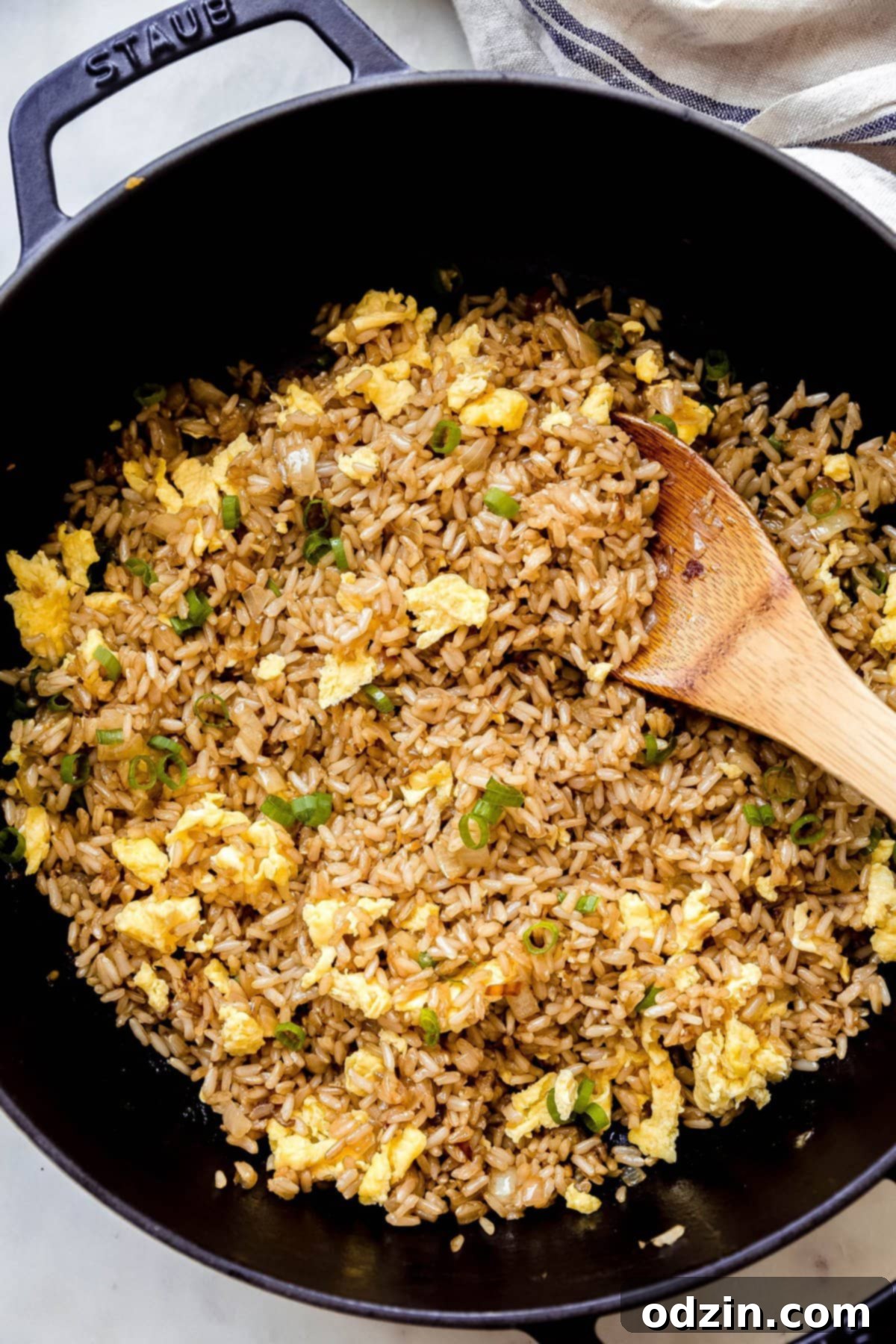
Homemade Hibachi Fried Rice: Crafting Steakhouse Flavor in Your Kitchen
Experience the magic of your favorite Japanese steakhouse right in your own kitchen with this incredible homemade hibachi fried rice recipe. This dish is surprisingly simple to whip up and serves as the perfect accompaniment to sautéed chicken, succulent steak, flaky salmon, or tender shrimp. Looking to boost your vegetable intake? Feel free to toss in extra veggies like frozen peas or carrots for added color and nutrition. Get ready to impress your family and friends with this quick, flavorful, and truly authentic hibachi experience.
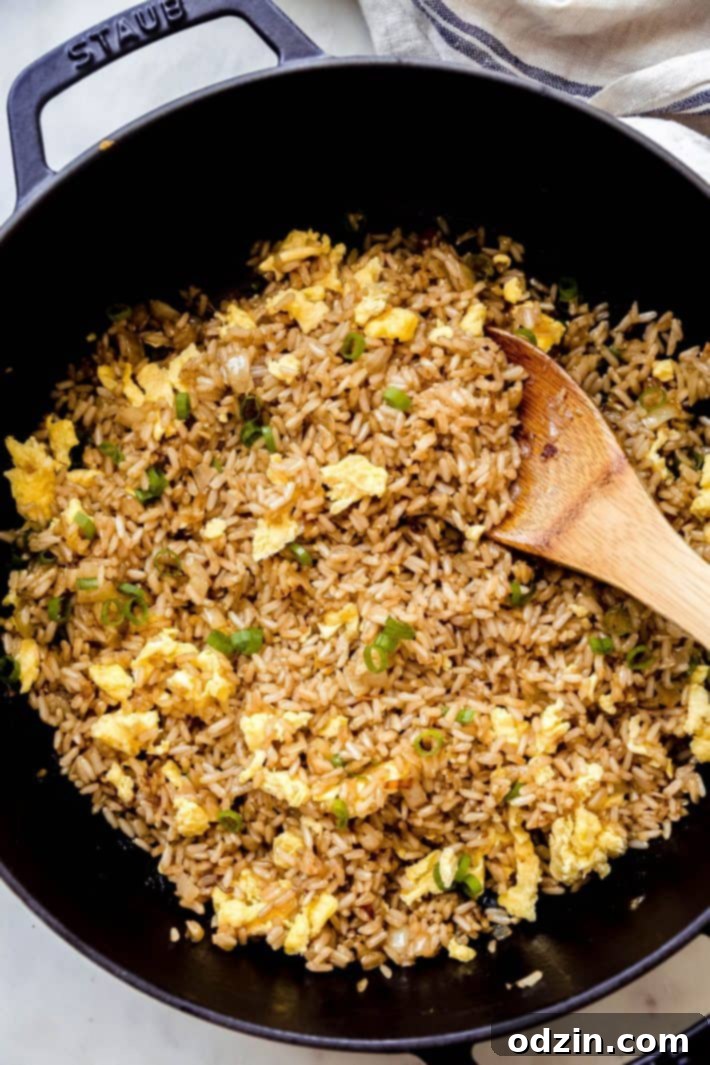
Ah, hibachi-style fried rice – that tantalizing staple served tableside by skilled chefs on large griddles, often accompanied by the irresistible yum yum sauce. It’s a culinary show, complete with eggs tossed high in the air and expertly cracked over spatulas. While my homemade hibachi fried rice might not come with built-in theatrical entertainment, I promise it delivers the exact smoky, savory, and utterly delicious flavor profile you crave from your favorite hibachi restaurant. The best part? It’s incredibly quick and easy to recreate at home!
Earlier this year, I shared my popular recipe for 15-Minute Fried Rice, and now I’m thrilled to bring you this hibachi version, which I honestly find myself making even more often! This recipe is a game-changer: it requires fewer than 10 ingredients, comes together in just 15 minutes, and is undeniably the absolute best way to transform day-old rice into something spectacular. Say goodbye to food waste and hello to a sensational meal!

Hibachi vs. Chinese Fried Rice: Unpacking the Differences
Many wonder about the distinction between hibachi fried rice and its Chinese counterpart. While both are beloved fried rice dishes, they possess key differences that contribute to their unique flavors and textures. The most notable distinction lies in the type of rice used and the cooking method employed.
Traditionally, hibachi fried rice is prepared with Calrose rice, a medium-grain Japonica rice known for its slightly sticky texture when cooked, which helps it clump together beautifully on a hot griddle. Chinese fried rice, on the other hand, typically utilizes long-grain rice varieties like Jasmine or Basmati, resulting in a drier, more separate grain texture. However, the most significant divergence is in the cooking surface: hibachi fried rice is famously made on a large, flat griddle or “teppan,” allowing for high, even heat distribution and that signature smoky flavor. Chinese fried rice is usually cooked in a wok, which offers different heat zones and a more dynamic stir-frying motion. If you have access to a griddle, it’s ideal for this recipe. Otherwise, a wide Dutch oven or a large, heavy-bottomed skillet can achieve excellent results by mimicking the griddle’s broad, hot surface.
Essential Ingredients for Perfect Hibachi Fried Rice
Crafting authentic hibachi fried rice at home requires a handful of simple yet crucial ingredients. Each component plays a vital role in building the layered flavors and textures that make this dish so irresistible.
- Cooked Rice: The foundation of any great fried rice! Leftover, day-old rice is not just preferred, it’s essential for the best texture. When rice cools in the refrigerator overnight, it dries out and becomes firmer. This prevents it from clumping together and becoming mushy when fried, ensuring each grain maintains its integrity and fries beautifully. If you’ve got leftover rice from last night’s dinner, this recipe is calling your name! I often cook a batch of brown rice in my pressure cooker the night before specifically for this purpose. If you’re cooking rice fresh for this recipe, you’ll need approximately 1 ¼ cups of uncooked rice to yield the necessary 3 cups cooked. While Calrose is traditional, Jasmine rice also makes an excellent substitute, offering a pleasant aroma and texture.
- High Heat Oil + Butter: This dynamic duo is key. We use a combination of a high-smoke-point oil (like grapeseed or avocado oil) to withstand the high heat required for frying without burning, and butter to impart that rich, distinct, slightly smoky flavor that is characteristic of hibachi cooking. You could use just one or the other, but the blend truly elevates the taste.
- Eggs: Lightly beaten eggs are quickly scrambled and then removed from the pan, only to be reintroduced later. This technique ensures they remain tender and fluffy, preventing them from becoming overcooked and rubbery amidst the other ingredients.
- Chopped Onions: Finely chopped yellow or white onions are sautéed until softened, releasing their sweet aromatics and contributing significantly to the delicious smoky depth of flavor that defines hibachi fried rice, especially when combined with butter and toasted sesame oil.
- Grated Ginger: Freshly grated ginger introduces a bright, zesty, and warming note to the rice. As it cooks gently in the butter, its assertive raw flavor mellows out, leaving behind a fragrant essence that perfectly complements the other savory ingredients without being overpowering.
- Soy Sauce: The primary seasoning agent. I highly recommend using low sodium soy sauce to prevent the fried rice from becoming overly salty, allowing you to control the seasoning precisely. Feel free to use a gluten-free tamari if needed.
- Toasted Sesame Oil: This is a non-negotiable flavor booster! Just a single teaspoon of toasted sesame oil adds an incredible depth of nutty, smoky, and intensely aromatic flavor that truly sets hibachi fried rice apart. Regular sesame oil will work in a pinch, but the toasted variety offers a much more profound and authentic taste.
No Day-Old Rice? No Problem!
Life happens, and sometimes you don’t have leftover rice on hand. Don’t let that deter you from making this amazing dish! If you need to cook rice the same day, simply prepare it as usual, then spread it out in a thin, even layer on a large baking sheet. Place the baking sheet, uncovered, in the refrigerator for 30 minutes to an hour. This rapid cooling and exposure to air help to dry out the rice, mimicking the effect of day-old grains. Alternatively, if you start the process earlier in the day, you can let the cooked rice sit at room temperature for several hours, uncovered, to achieve a similar result. My mother always used this method when I was growing up, so it’s a tried-and-true trick!


Mastering Homemade Hibachi Fried Rice: A Step-by-Step Guide
Follow these simple steps to create perfectly seasoned and textured hibachi fried rice that tastes just like it came from a professional grill.
- Scramble the Eggs: Begin by heating your cooking surface – whether it’s a wok, griddle, or wide Dutch oven – over high heat until it’s sizzling hot. Add a tablespoon of high-heat oil (like grapeseed or corn oil). Once the oil shimmers, pour in the lightly beaten eggs. Scramble them quickly, breaking them into small, fluffy pieces. The high heat ensures they cook fast without becoming tough. As soon as they are cooked through but still tender, remove the scrambled eggs from the pan and transfer them to a bowl or plate, setting them aside for later. This prevents them from overcooking when you add the other ingredients.
- Sauté Aromatics and Fry the Rice: Return the pan to the high heat and add a couple of tablespoons of butter. Allow it to melt and foam, releasing its rich aroma. Add the chopped onions and sauté them for 3-4 minutes, stirring occasionally, until they soften and become translucent. Be careful not to let them brown; we want them tender and sweet. Next, add the grated ginger and cook for an additional 30 seconds to a minute, allowing its raw flavor to mellow out and become fragrant. Now, it’s time for the stars of the show! Add the cooked rice and the reserved scrambled eggs back into the pan. Using your spatula, flatten the rice out into a thin, even layer across the entire cooking surface. This is where the true “frying” magic happens, allowing the grains to get nicely browned and slightly crispy. Let the rice sizzle undisturbed for about 30 seconds to a minute. Then, stir everything together, break up any clumps, and flatten it back into a thin layer, letting it sit and sizzle again. Repeat this process a few times. You’ll notice the rice starting to pop and crackle – that’s a good sign it’s developing that desirable texture and flavor!
- Season and Finish: With the rice perfectly fried, it’s time to season. Drizzle the low sodium soy sauce and toasted sesame oil evenly over the rice. The hot pan will make the sauces sizzle and quickly absorb into the grains. Stir vigorously to ensure every grain of rice is coated with the flavorful sauce. Continue to cook for another minute or two, stirring and flattening, until the sauce is fully absorbed and the rice starts popping again, indicating it’s piping hot and perfectly seasoned. Turn off the heat. Your hibachi fried rice is ready to serve! Garnish generously with thinly sliced green onions for a fresh, vibrant finish, and serve warm as a delightful side dish or a light main with your chosen protein.
Customizing Your Hibachi Experience: Adding Protein and Sides
This hibachi fried rice recipe is incredibly versatile and makes an excellent base for a complete meal. Feel free to incorporate your favorite cooked proteins directly into the rice during the final stages of cooking. Cooked beef, chicken, shrimp, or steak bites would all be fantastic additions, especially if they are grilled or seared for an extra layer of flavor. It pairs particularly well with any grilled or pan-seared meats.
For a truly exceptional meal, I adore serving this hibachi fried rice alongside my broiled miso ginger salmon, accompanied by sautéed mushrooms and zucchini. Other delicious pairings include garlic butter steak and shrimp, or simple steak bites served with a side of perfectly steamed broccoli. The rich, savory notes of the fried rice complement almost any Asian-inspired protein beautifully.

Top Tips for the Best Hibachi Fried Rice Every Time
Achieving restaurant-quality hibachi fried rice at home is entirely possible with a few key techniques and considerations. Keep these expert tips in mind for consistently delicious results:
- Opt for a Large, Wide Pan or Griddle: The surface area of your cooking vessel is paramount. A wide pan, such as a cast iron skillet or even better, a cast iron griddle, provides ample space for the rice to actually “fry” rather than steam. Overcrowding a smaller pan will lower the temperature and cause the ingredients to steam, resulting in a soggy, rather than crispy, fried rice. Ensure your pan is adequately sized for the amount of rice you’re cooking.
- Maintain High Heat Throughout: This is crucial for achieving that authentic hibachi flavor and texture. Cooking the fried rice on a consistently high heat setting ensures that the ingredients caramelize and develop a beautiful crust, preventing them from steaming and becoming soft. High heat also allows for quick cooking, locking in moisture and flavor.
- Utilize High-Heat Oil: The combination of butter and a high-smoke-point oil is ideal. While butter provides incredible flavor, it has a lower smoke point and can burn at the high temperatures required for fried rice. By pairing it with an oil like grapeseed or avocado oil (both excellent high-heat oils), you get the best of both worlds: the rich taste of butter without the risk of scorching, plus the stability for frying.
- Scramble and Remove Eggs Promptly: To ensure your eggs remain tender and fluffy, always scramble them quickly in the hot pan and then remove them immediately. If left in the pan while other ingredients sauté, they will continue to cook and can turn rubbery. Remember to add them back in with the rice during the main frying stage!
- Don’t Skimp on the Soy Sauce, But Taste and Adjust: One common complaint about store-bought or even some homemade fried rice is a lack of seasoning when eaten on its own. For a standalone dish, you’ll want a robust flavor profile. I recommend starting with 2 tablespoons of low sodium soy sauce to prevent over-salting, especially if you’re serving the rice with a very savory stir-fry where additional sauce might be present. Always taste your rice before serving and adjust the seasoning as needed. A little extra soy sauce or a pinch of salt can make all the difference.
- Prep Your Ingredients (Mise en Place): Because fried rice cooks very quickly over high heat, it’s essential to have all your ingredients chopped, measured, and ready to go before you start cooking. This “mise en place” approach ensures a smooth cooking process and prevents anything from burning while you’re scrambling for the next ingredient.
- Use Dried, Day-Old Rice: Reiterating this point because it’s so important! The dryer the rice, the better it will fry. Moist, freshly cooked rice will clump and steam, leading to a mushy texture. If you must use fresh rice, follow the spreading and cooling method mentioned above.
If you like this recipe, you might also like:
- Thai Cashew Chicken
- Garlicky Pepper Steak Stir Fry
- General Tso’s Chicken Meatballs
- Black Pepper Chicken Stir Fry
- Best Easy Broccoli Beef Stir Fry

Simple Hibachi Fried Rice
5 minutes
10 minutes
15 minutes
Whip up this quick and easy hibachi fried rice recipe at home! It’s a fantastic side dish that pairs wonderfully with sautéed chicken, steak, salmon, or shrimp. For extra flavor and nutrients, don’t hesitate to add your favorite vegetables like frozen peas or carrots.

Ingredients
- 3 cups cooked and cooled rice (see notes for preparation tips)
- 1 tablespoon grapeseed oil (or avocado oil)
- 1 tablespoon unsalted butter
- 2 large eggs, lightly beaten
- ½ cup chopped yellow or white onions
- 2 teaspoons freshly grated ginger
- 2 tablespoons low sodium soy sauce (or gluten-free tamari)
- 1 teaspoon toasted sesame oil
- 1 scallion, thinly sliced, for garnish
Instructions
- EGGS: Heat a large dutch oven, griddle, or wok over high heat until it’s very hot. Add the grapeseed or avocado oil to the pan and let it heat through until shimmering. Pour in the lightly beaten eggs and quickly scramble them, breaking up any large pieces with your spatula. Once cooked and fluffy, remove the eggs to a bowl and set aside.
- SAUTE & FRY: Add the butter to the hot skillet and allow it to melt completely. Once melted, add the chopped onions and cook for 3-4 minutes, stirring occasionally, until they have softened and become translucent (avoid browning). Stir in the grated ginger and cook for an additional 30 seconds to allow its aroma to develop. Immediately add the cooked rice and the reserved scrambled eggs back into the skillet. Stir everything to combine, then flatten the rice out into a thin layer across the pan. Allow the rice to sizzle undisturbed for about 30 seconds to develop a slight crisp. Stir and then flatten again, letting it sit for another 30 seconds. Repeat this process a few times; this alternating motion ensures the rice heats through evenly and develops that characteristic fried texture and slight crispness. You will hear it start to sizzle and pop.
- FINISH & SERVE: Drizzle the low sodium soy sauce and toasted sesame oil evenly over the rice. Allow the sauces to sizzle and soak into the rice, stirring continuously to ensure all the grains are well coated and evenly seasoned. Continue to cook for another minute or two, stirring and flipping until the sauce is fully absorbed and the rice is popping once more. Turn off the heat. Your hibachi fried rice is ready! Sprinkle with thinly sliced scallions (if desired) and serve immediately as a delicious side dish or a light main course.
Notes
To yield 3 cups of cooked rice, I typically use 1 1/4 cups of uncooked brown rice. For best results, ensure your rice is day-old and thoroughly cooled. If using freshly cooked rice, spread it thinly on a baking sheet and refrigerate for 30-60 minutes, uncovered, to dry it out before frying.
Recommended Products
- Grapeseed Oil
- Low So Soy Sauce
- Zester/Grater
- 9-Inch Whisk
- Cast Iron Fry Pan
- Electric Griddle
Have you made this recipe?
If you enjoyed this recipe, please consider leaving a ⭐️⭐️⭐️⭐️⭐️ rating and a comment below. You can also share a picture on Instagram with the hashtag #LITTLESPICEJAR, I’d love to see what you made!