
Eggs in Purgatory: A Rustic Italian Comfort Dish for Any Time of Day
Soft-cooked eggs nestled in a vibrant, robust tomato sauce, expertly flavored with fragrant garlic, aromatic herbs, and a gentle kick of red pepper flakes. This authentic Eggs in Purgatory recipe is surprisingly simple, requiring only a handful of staple ingredients, yet it delivers profound flavors. It’s an incredibly versatile dish, perfect to serve for a hearty breakfast, an elegant brunch, a satisfying lunch, or even a cozy, quick dinner.

Embrace the Flavors: Italian Shakshuka at Its Best
Imagine the delightful experience of tender, soft-cooked eggs gently simmering in a richly textured, slightly fiery tomato sauce, generously infused with fragrant herbs and savory garlic. This isn’t just a meal; it’s a warm embrace, comforting and profoundly satisfying all at once. Whether you’re whipping it up for a quick, wholesome lunch, planning a special Mother’s Day brunch, or seeking a fulfilling dinner option, Eggs in Purgatory (known as Uova in Purgatorio in Italy) fits every occasion seamlessly. Its robust character ensures it’s substantial enough to be the star of any meal.
My first unforgettable encounter with Eggs in Purgatory was on a refreshingly crisp morning along the breathtaking Amalfi Coast, during a memorable Roman holiday a few summers ago. We had built up a considerable appetite after a long, winding walk from our Airbnb, eager for sustenance. The charming restaurant we discovered prided itself on crafting every dish from scratch, and the freshness was palpable in every bite – from the vibrant eggs to the succulent, sun-ripened tomatoes. That meal wasn’t just breakfast; it was an authentic taste of Italy, a culinary memory etched forever.
Each time I recreate this cherished recipe, I’m instantly transported back to the picturesque cliffs of Positano, feeling the gentle sea breeze and recalling the warmth of Italian hospitality. It’s a dish my family and I genuinely adore, making it a regular fixture in our kitchen. We’re drawn to it not only for its incredible flavors but also for the powerful sense of nostalgia and comfort it evokes. It’s more than just food; it’s a connection to cherished moments and a vibrant culinary tradition.

What Exactly are Eggs in Purgatory? (Uova in Purgatorio)
Eggs in Purgatory, or Uova All’inferno (meaning “eggs in hell”) or more commonly Uova in Purgatorio (“eggs in purgatory”), is Italy’s delightful answer to the widely beloved Middle Eastern and North African dish, Shakshuka. At its heart, it’s a deeply flavorful, herb-scented, and often subtly spicy tomato sauce, into which fresh eggs are gently poached until their whites are set and their yolks remain wonderfully runny. The captivating name, “Purgatory,” is widely believed to allude to the simmering, fiery (or at least warmly spiced) nature of the rich tomato sauce, suggesting a flavorful descent into culinary bliss rather than torment.
This humble yet sophisticated dish hails from Southern Italy, particularly popular in regions like Naples, where simple, fresh ingredients are transformed into extraordinary meals. It’s a testament to Italian culinary philosophy: using high-quality components to create something truly delicious with minimal fuss. It’s a peasant dish, born from necessity but refined over generations into a culinary treasure. Traditionally, Eggs in Purgatory is served with generous slices of crusty, toasted bread or a fresh baguette, perfect for soaking up every last drop of the exquisite sauce. Its versatility makes it an ideal choice for breakfast, a leisurely brunch, or even a comforting “brinner” (breakfast for dinner), showcasing its adaptability across various meal times and occasions.

Essential Ingredients for Authentic Uova in Purgatorio
Crafting the perfect Eggs in Purgatory begins with selecting fresh, high-quality ingredients. Each component plays a vital role in building the layered flavors that make this dish so special. Here’s a closer look at what you’ll need and why each element is crucial:
- Olive Oil: This is the foundational flavor builder. Starting with a cold pan and cold, high-quality extra virgin olive oil allows us to gently infuse it with the subsequent aromatics, extracting maximum flavor without burning. Opt for a good quality olive oil, as its taste will shine through in the final dish. A fruity, robust Italian olive oil will enhance the authenticity.
- Fresh Garlic: The backbone of this recipe’s aromatic profile. Freshly minced garlic, combined with the crushed red pepper flakes, creates the quintessential savory and spicy base. Avoid pre-minced garlic for the best, most vibrant flavor, as it often lacks the pungency and depth of fresh cloves. We’re talking about several cloves here for a truly robust garlic presence.
- Crushed Red Pepper Flakes: These deliver the “purgatory” aspect—a delightful warmth and subtle heat. The beauty of this ingredient is its adjustability: use as much or as little as you prefer to tailor the spice level to your exact taste. There’s no right or wrong amount; it’s all about personal preference and how fiery you like your sauce. For a milder flavor, use just a pinch; for a bold kick, don’t shy away from a full teaspoon or two.
- Finely Chopped Onions: Onions contribute a crucial sweetness and depth to the tomato sauce. When slowly cooked in the garlic-infused olive oil, they become tender and translucent, further enhancing the complexity of the sauce and creating a harmonious flavor base. White or yellow onions work best for this, providing a subtle sweetness that balances the acidity of the tomatoes.
- Crushed Tomatoes: The heart of our sauce. For this particular Italian recipe, crushed tomatoes are highly recommended as they provide the ideal texture—a rich, pulpy consistency that is neither too chunky nor too smooth. While whole peeled or diced tomatoes can be used, giving them a quick pulse in a blender or food processor first will help them break down into a rustic, chunky sauce that integrates perfectly. San Marzano tomatoes, if available, will elevate the flavor significantly due to their balanced sweetness, low acidity, and tender flesh, making them a top choice for authentic Italian sauces.
- Fresh Chopped Herbs: Essential for brightening and authenticating the Italian flavor. I typically use a generous combination of freshly chopped parsley and basil. These herbs add a vibrant aroma and a fresh, peppery note that beautifully complements the rich tomato sauce. If you’re fortunate enough to have an herb garden, using homegrown herbs will undoubtedly add an extra layer of freshness and flavor. While dried herbs can be used in a pinch, fresh herbs truly make a difference in this dish.
- Eggs: The star of the show. You can use 5-6 large eggs, depending on how many servings you need and how egg-centric you want the dish to be. This recipe is designed to serve 3-4 people comfortably as a main meal, providing ample sauce and eggs for everyone. Choose fresh, good-quality eggs for the best taste and texture; farm-fresh eggs with rich yolks can make an enormous difference in both flavor and appearance.
- Crusty Bread: An absolute must for serving! A good quality crusty bread, such as a baguette or a rustic artisan loaf, is indispensable for mopping up every last drop of the delicious sauce. I often make a batch of my no-knead bread, slice it thick, drizzle it with olive oil, and toast it on a hot grill pan or in the oven. For an extra layer of flavor, once it’s hot and golden, I rub the toasted bread with a cut clove of garlic. This simple step adds an incredibly delicious and aromatic touch that elevates the entire experience. A sprinkle of flaky sea salt, like Maldon salt, further enhances the taste.
Crafting Your Italian Style Eggs in Purgatory: A Step-by-Step Guide
Making Uova in Purgatorio is a rewarding culinary journey. Follow these steps carefully to achieve a deeply flavorful sauce and perfectly poached eggs:
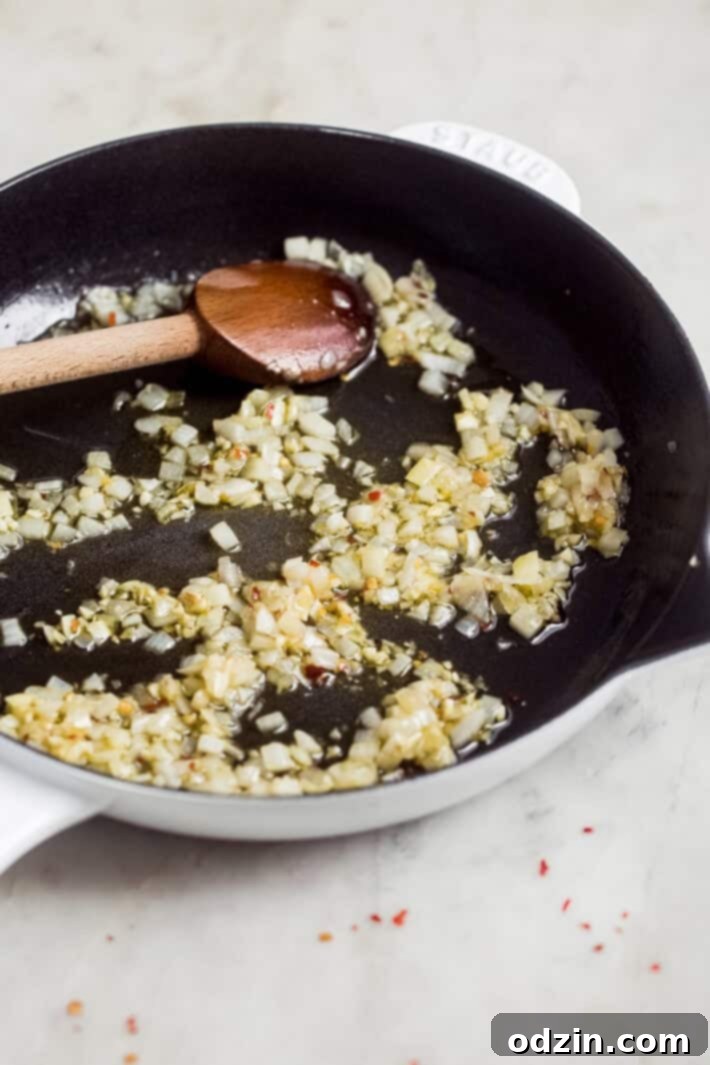
- Infuse the Oil with Aromatics: This is the critical first step to building a complex flavor foundation. Begin with a heavy-bottomed skillet (cast iron works wonderfully here as it retains heat evenly) and add your olive oil, minced garlic, and crushed red pepper flakes while the pan is still cold. This cold start is essential because it allows the garlic and pepper to gradually release their potent aromas and subtle flavors into the oil as it slowly warms up, without burning them. Place the skillet over very low heat and allow it to gently warm up. Stir occasionally to ensure even heating. As the oil slowly heats, the garlic will just begin to gently simmer. This infusion process should take about 5 minutes; you’ll know it’s ready when the garlic is fragrant but not browned. Once infused, increase the heat to medium-high, add the finely chopped onions, and sauté them for 3-4 minutes until they soften and become translucent. This gradual cooking ensures a rich, non-bitter flavor base.
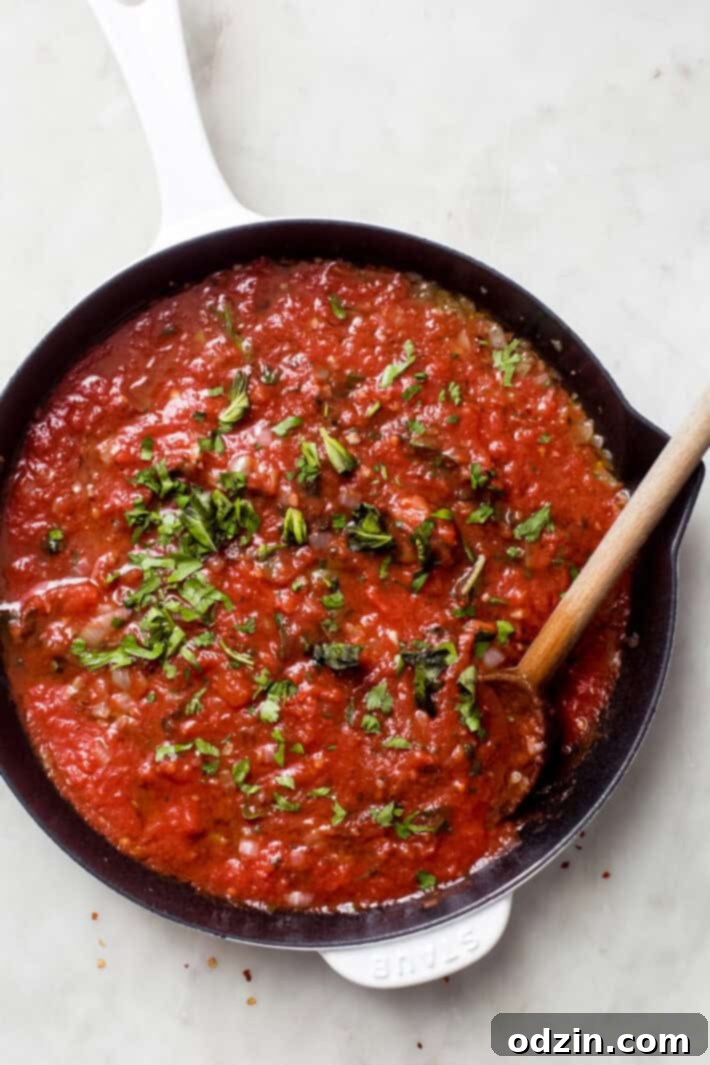
- Simmer the Robust Tomato Sauce: Next, pour in the entire 28-ounce can of crushed tomatoes. Season the sauce generously with salt – remember, good seasoning is key to bringing out the best in the tomatoes and balancing their acidity. Stir in the freshly chopped parsley and basil. Bring the sauce to a gentle simmer over medium-low heat. This slow simmer is crucial for developing the sauce’s depth, allowing the flavors to meld and intensify. Allow it to cook for approximately 12-14 minutes, or until it visibly thickens to a consistency that can hold an egg. The exact simmering time can vary based on the initial liquid content and consistency of your specific brand of canned tomatoes; the goal is a rich, reduced sauce that holds its shape slightly.
- Precisely Poach the Eggs: Once your tomato sauce has reached the desired consistency (use the “well test” described below if unsure), it’s time for the eggs. Using the back of a spoon, carefully create small indentations or “wells” in the simmering sauce for each egg. It’s highly recommended to crack each egg into a separate small bowl first. This allows you to inspect it for any unexpected shell fragments and ensures you can gently lower the egg into its well without breaking the yolk. Repeat this process for all your eggs, spacing them out evenly. Once all eggs are in place, cover the skillet with a lid (this helps steam the tops of the eggs for even cooking) and let them cook. For beautifully runny yolks, cook for 2-3 minutes. If you prefer a more set yolk, extend the cooking time by an additional 1-2 minutes.
- Toast the Perfect Accompaniment: While the eggs are delicately poaching, prepare your crusty bread. Drizzle slices of bread generously with olive oil. Heat a hot cast iron skillet or grill/griddle pan. Toast the bread on both sides until it’s golden brown and crisp to your liking. For an extra layer of Italian flavor, immediately after toasting, rub the warm bread with the cut side of a raw garlic clove. This imparts a subtle yet irresistible garlic aroma. Finish with a sprinkle of flaky sea salt, such as Maldon salt, for a perfect textural and flavor contrast. Serve immediately.

Recipe FAQs & Expert Tips for Success
Achieving the perfect Eggs in Purgatory often comes down to a few key techniques. Here are answers to common questions and additional tips to ensure your dish is spectacular every time:
Can I skip the oil infusion and just start with a hot pan?
While you certainly *can* skip this step for the sake of speed, I wholeheartedly encourage you to dedicate the extra 5 minutes to properly infuse the olive oil. This recipe relies on a humble yet powerful selection of ingredients. By taking the time to gently warm the garlic and red pepper flakes in cold oil, you allow their flavors to fully bloom and permeate the oil, creating a much deeper, richer, and more nuanced flavor base for your sauce. This small act of care truly elevates the dish from good to extraordinary. The aromatics gently release their essential oils, resulting in a more integrated and complex taste profile that a quick sauté simply cannot achieve. Every step in this recipe is designed to build layers of flavor, and the initial infusion is arguably the most crucial for that authentic Italian depth.
How do I know my sauce is thick enough before adding the eggs?
This is a critical point for perfectly cooked eggs and a well-structured dish. Once your sauce has been simmering, use the back of a spoon to create a small “well” or divot in the sauce. Observe how quickly it fills back up. If the well fills almost instantly, the sauce is still too runny and needs a few more minutes to reduce and thicken further. A properly thickened sauce will allow the well to hold its shape for at least 30-40 seconds before slowly closing in. This ensures that when you add the eggs, they will sit nicely in their individual pockets and poach beautifully, rather than sinking or spreading out too much into a watery sauce. While approximately 12-14 minutes of simmer time is a good guideline, the exact duration will depend heavily on the initial liquid content and consistency of your specific brand of canned tomatoes. Trust the “well test” as your primary indicator.
Why do you crack the eggs into a bowl first, not directly into the sauce?
This simple technique is a game-changer for several reasons, ensuring both food safety and presentation. Firstly, cracking each egg into a separate small bowl allows you to inspect it for any unexpected shell fragments or ensure the egg is fresh before adding it to the main dish, preventing potential contamination. Secondly, and perhaps more importantly, it provides much better control when you gently lower the egg into the pre-made well in the sauce. The smooth rim of the bowl helps you guide the egg seamlessly into position, significantly reducing the risk of accidentally breaking the delicate yolk with a jagged shell edge. A broken yolk can cloud the sauce and change the aesthetic of the dish, making this extra step invaluable for perfect, intact poached eggs every time.
What are the best serving suggestions for Eggs in Purgatory?
While crusty bread is the undisputed classic accompaniment, don’t limit yourself! Eggs in Purgatory can be wonderfully versatile. Consider serving it alongside creamy polenta, which offers a delightful texture contrast and soaks up the sauce beautifully. A side of perfectly cooked pasta, like spaghetti or rigatoni, can also transform this dish into a more substantial main course. For a lighter touch, serve it with a simple side salad dressed with a bright vinaigrette to cut through the richness. Some prefer to garnish with a sprinkle of freshly grated Parmesan or Pecorino Romano cheese, adding another layer of savory depth. A final drizzle of high-quality extra virgin olive oil just before serving can also enhance the flavors and presentation, adding a fresh, peppery note.
How do I reheat leftovers without compromising quality?
Eggs in Purgatory is undoubtedly at its absolute best when enjoyed fresh, straight from the pan. The delicate balance of runny yolks and vibrant sauce is hard to replicate after refrigeration. Therefore, we typically recommend finishing off the eggs in one sitting. However, if you find yourself with leftover sauce but no eggs, you can easily reheat the sauce and then crack a fresh fried or poached egg directly into it for a quick, delicious meal. If you do have leftover eggs *and* sauce, remove the leftovers from the refrigerator about 30 minutes prior to reheating to allow them to come closer to room temperature. Gently add the sauce portion to a pan with a tablespoon or two of water (to prevent drying) and let it heat through over low to medium-low heat, stirring occasionally. Once the sauce is warm, carefully place the leftover poached eggs back on top, cover the pan, and allow them to gently heat through until warm to the touch. Be cautious not to overheat, as this can make the egg yolks rubbery and the whites tough.

Discover More Italian-Inspired Culinary Delights
If you’ve fallen in love with the rustic charm and comforting flavors of Eggs in Purgatory, you’re in for a treat! The world of Italian cuisine is rich with simple, yet profoundly delicious dishes that celebrate fresh ingredients and time-honored techniques. From hearty breads to delicate desserts, and savory soups to vibrant sauces, there’s always something new to explore. Here are some other Italian-inspired recipes from our kitchen that we think you’ll adore, perfect for expanding your repertoire and bringing a taste of Italy into your home:
- Roasted Garlic Rosemary Focaccia Bread: Aromatic, fluffy, and perfect for dipping or accompanying any meal, this focaccia is a staple.
- Lemon Olive Oil Pound Cake: A bright, moist, and elegantly simple dessert with a delightful Mediterranean twist that’s surprisingly easy to make.
- Tuscan Tomato Bread Soup (Pappa al Pomodoro): A hearty and rustic soup that ingeniously turns stale bread and ripe tomatoes into a gourmet experience.
- Classic Italian Wedding Soup: A comforting and flavorful soup packed with tender mini meatballs, fresh greens, and tiny pasta, perfect for a cozy evening.
- Caprese Cake (Flourless Chocolate Cake): A rich, decadent, and naturally gluten-free chocolate indulgence that’s surprisingly light and incredibly satisfying.
- Authentic Homemade Pizza Sauce: Elevate your homemade pizzas with this fresh, vibrant, and incredibly easy-to-make sauce that tastes like Italy.
- Best Ever Arrabbiata Sauce: A fiery and flavorful tomato sauce that brings a wonderful kick to your pasta dishes, guaranteed to awaken your taste buds.
- Fresh Tomato Basil Bruschetta: A simple, elegant appetizer bursting with the pure, sweet flavors of summer ripe tomatoes and fragrant basil, ideal for entertaining.

Eggs in Purgatory (or Basically, Italian Shakshuka!)
5 minutes
25 minutes
30 minutes
Soft-cooked eggs simmered in a robust tomato sauce flavored with garlic, herbs, and red pepper flakes. This Eggs in Purgatory recipe requires a handful of ingredients and is ideal to serve for breakfast, brunch, lunch, or even dinner!

Ingredients
- 3 tablespoons olive oil
- 4 cloves garlic, minced
- ½ – 2 teaspoons crushed red pepper flakes (to preference)
- ¼ cup finely chopped onions
- 1 (28-ounce) can crushed tomatoes
- 2 tablespoons EACH: chopped parsley AND torn basil, plus more for serving
- 5-6 large eggs
- no knead bread, for serving
Instructions
- SAUCE: Grab a large skillet that you have a lid for. Starting in a cold skillet, add the olive oil, minced garlic, and red pepper flakes to the skillet and sauté for 5 minutes over low heat, stirring occasionally so nothing burns. Then kick up the heat to medium-high, add the onions and continue to stir and cook for an additional 3-4 minutes. Pour in the tomatoes and season with a generous sprinkling of salt. Add the chopped parsley and basil and cook over medium-low heat until it reaches a simmer. Then, let simmer for 12-14 minutes.
- EGGS: Add a cracked egg into a bowl. Using the back of a spoon, make a well in the sauce. If the well holds for 30-40 seconds, the sauce has reduced. If it doesn’t allow for it to continue cooking for a few more minutes. Then gently add the cracked egg into the prepared divot. Repeat this with the remaining eggs. Cover and cook for 2-3 minutes if you prefer runny egg yolks, and another 1-2 minutes for more firm eggs.
- BREAD: While the eggs are cooking, drizzle the bread with a little olive oil and toast on a hot grill or griddle. Rub with a clove of cut garlic if you want it to be extra special and sprinkle with a hint of Maldon salt.
- FINISH: When the eggs are done, serve topped with additional chopped basil/parsley with fresh parmesan (optional) on top and sprinkle with salt and pepper as desired.
Have you made this recipe?
If you enjoyed this recipe, please consider leaving a ⭐️⭐️⭐️⭐️⭐️ rating and a comment below. You can also share a picture on Instagram with the hashtag #LITTLESPICEJAR, I’d love to see what you made!