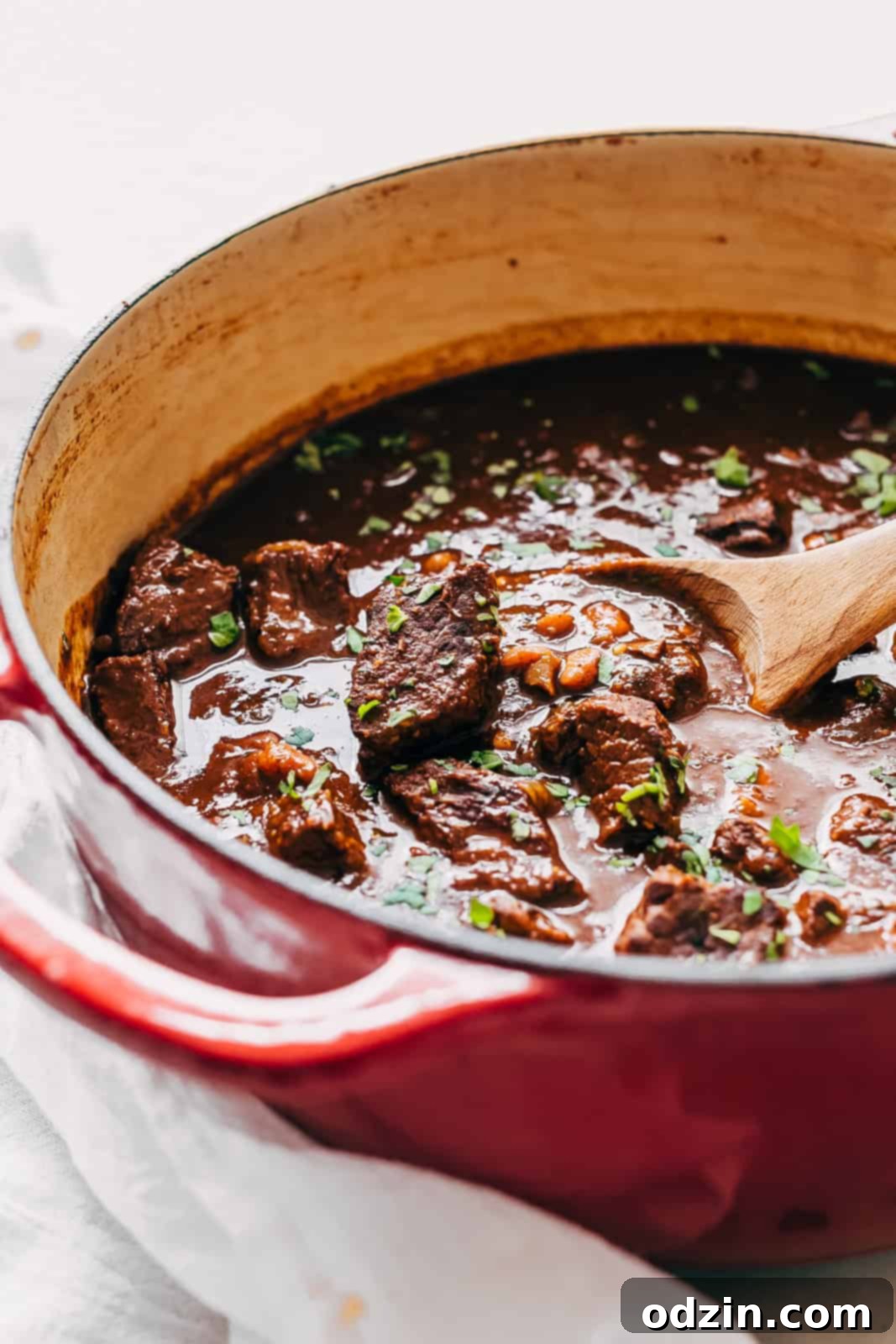
Authentic Texas Chili Recipe: Hearty Chili Con Carne with Beef Chunks
Welcome to chili season, where warmth and rich flavors fill the kitchen! Prepare to learn how to make an authentic Texas Chili, a robust and deeply satisfying bowl of chili con carne, meticulously crafted with tender chunks of beef and a symphony of spices. This isn’t just any chili recipe; it’s a Texas-style masterpiece designed to warm you from the inside out, making it the perfect comfort food for crisp evenings and gathering with loved ones.
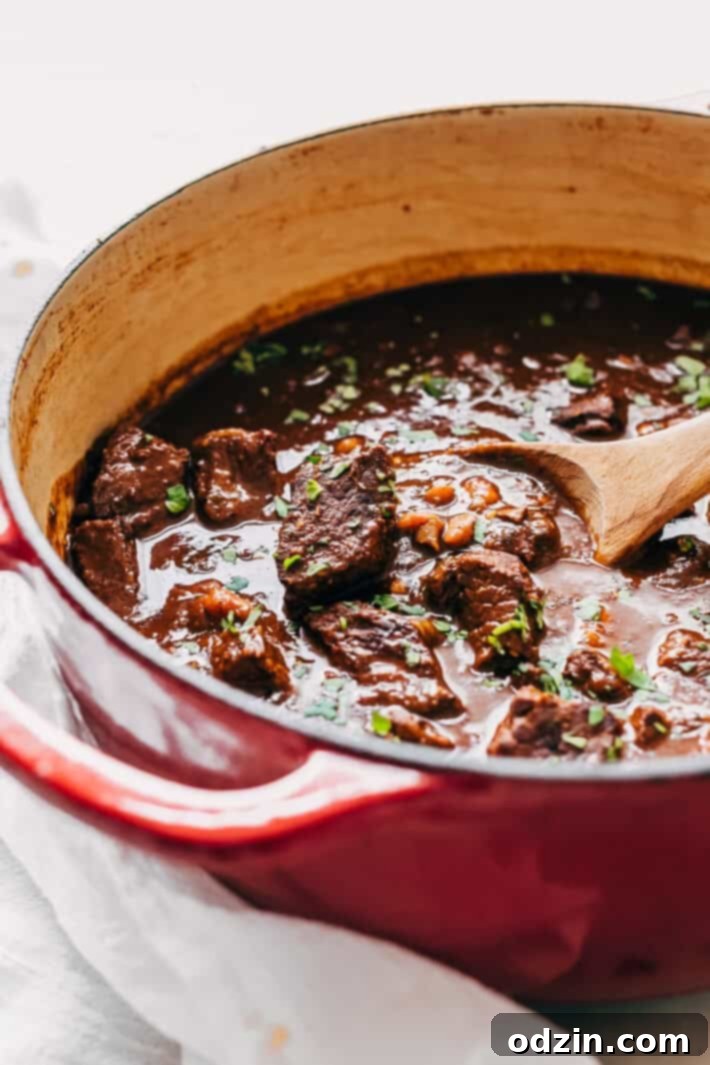
There’s nothing quite like a steaming bowl of homemade chili when the air starts to get a little brisk. And if you’re talking about chili, you simply can’t ignore the pride Texans take in their signature dish. Having spent the majority of my life in the Lone Star State, I’ve had countless opportunities to savor, refine, and perfect what I believe to be the ultimate Texas Chili recipe.
This recipe embodies the rich, deep flavors that define true Texas-style chili. It’s loaded with aromatic seasonings, fresh onions, pungent garlic, and a kick from jalapeño peppers. The resulting chili con carne boasts a profound, complex flavor profile that will stick to your ribs and provide comforting warmth on even the chilliest nights. It’s the kind of meal you dream about after a long day, especially as autumn approaches and the evenings grow cooler. That unmistakable scent of fall in the air, the rustling leaves, and the urge to snuggle under a cozy throw – all perfect accompaniments to a hearty bowl of Texas Red.
While the calendar might say September, and many regions are already enjoying crisp autumn weather, here in Houston, we often wait until November for that true “fall feel.” But that doesn’t stop us from craving and creating delicious, soul-warming dishes like this Texas Chili. It’s also synonymous with football season, making it an ideal dish to prepare on a Sunday morning. By the afternoon, you’ll have a slow-simmered, fragrant Texas Chili, ready to be ladled from a large Dutch oven and topped with all your favorite fixings.
Chili is a staple in my kitchen, and I’ve explored many variations over the years. From a speedy Instant Pot version to a unique pumpkin chili, a comforting skillet chili with a cornbread crust, a crowd-pleasing chili dip, and even a hearty vegetarian butternut squash chili – it’s clear that comfort food holds a special place in my heart. Most of these recipes typically start with ground beef, chicken, or turkey. However, today’s focus is on authentic Texas Chili, or as it’s affectionately known down here, chili con carne, which traditionally features generous chunks of beef, not ground meat.
Does Authentic Texas Chili Have Beans? The Great Debate
This question is often the subject of passionate debate among chili enthusiasts, especially in Texas. Ask a true Texan, and you’ll almost invariably receive a resounding, unequivocal NO. Traditional Texas chili, often referred to as “Texas Red,” is a pure celebration of beef and chili peppers, with no beans in sight. The focus is squarely on the rich, meaty broth and the complex interplay of spices.
However, over the years, my personal preference for chili has evolved. While I deeply respect the purist tradition, I’ve found that for my own everyday chili, I sometimes desire a little more textural variety than just meat. So, in a deliberate departure from strict tradition, I occasionally choose to add a couple of cans of pinto beans into the mix. I know, I know – this might sound like heresy to some! But for me, beans add a satisfying heartiness and another layer of texture that I enjoy.
Before any hate mail starts flooding in, please understand: adding beans is entirely optional for this recipe. I’m simply offering it as a personal preference and a viable option if you, like me, appreciate a bit more than a 99% meat-filled chili. For every 2 lbs of beef, I typically incorporate just one can of pinto beans. To my taste, this still maintains a very high meat-to-bean ratio, honoring the spirit of Texas chili while adding a touch of personal comfort. In contrast, many conventional chili recipes often use a 2:1 ratio of beans to meat (two cans of beans for one pound of meat), so my approach is still heavily meat-centric.
Crafting the Flavor Bomb: The Chili Paste Starter
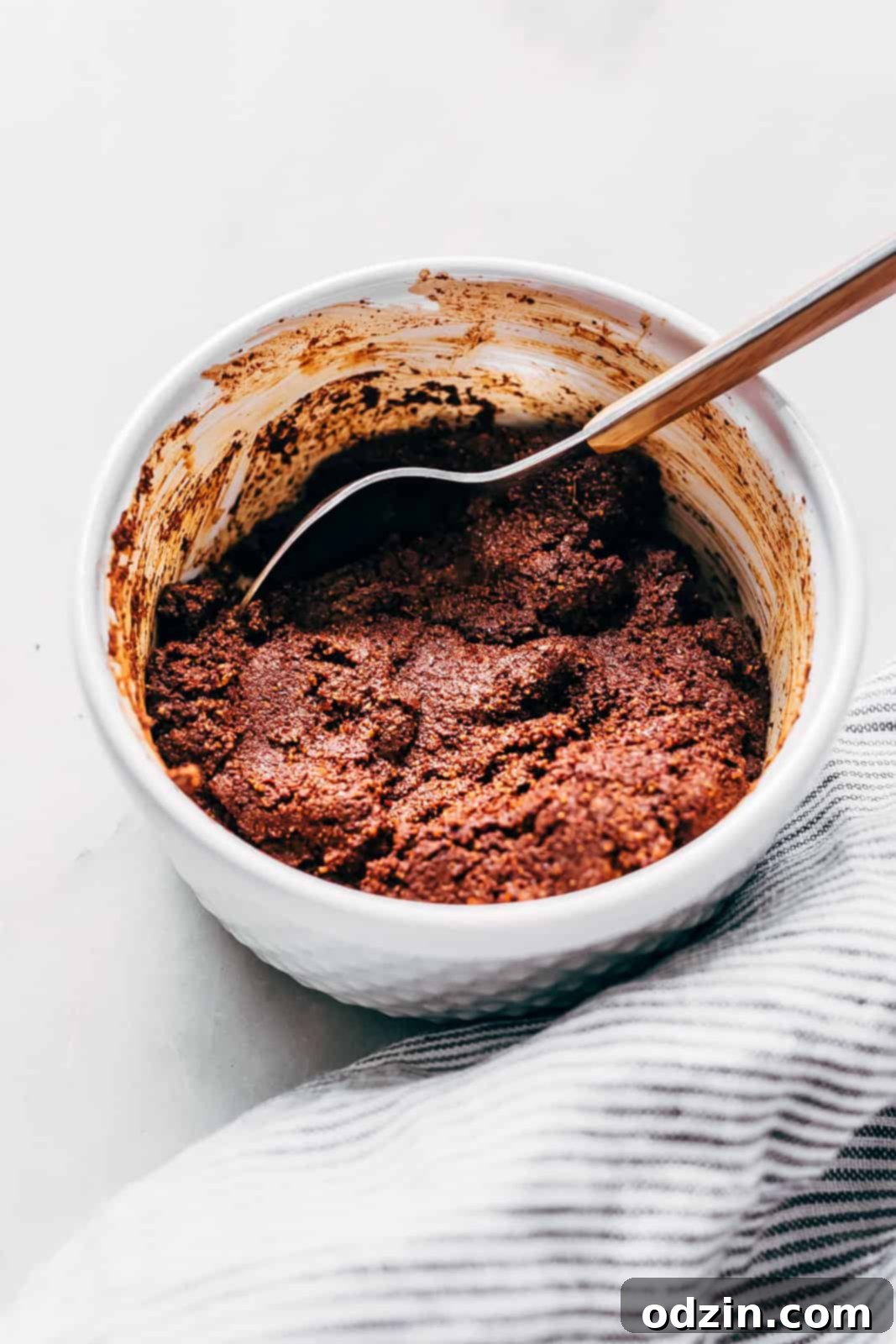
One of the secrets to the deep, authentic flavor and perfect consistency of Texas-style chili lies in how it’s thickened. This chili traditionally relies on two primary methods: cornmeal (or masa harina) or finely ground corn tortilla pieces. For simplicity and consistent results, I typically opt for the cornmeal method, creating a powerful chili paste starter.
This paste is truly where the magic begins – it’s the “flavor bomb” of the entire dish. To create it, we combine all the dry seasoning ingredients listed in the recipe. This includes rich cornmeal (which is masa harina, just milled slightly differently), robust chipotle chili powder for smoky heat, earthy ground cumin, fragrant coriander, authentic Mexican oregano, sweet smoked paprika, kosher salt, and a few other select spices. These dry ingredients are then mixed with a small amount of water to form a thick, concentrated paste. This ensures that every spice is fully hydrated and ready to release its maximum flavor, building an incredible foundation for our chili.
Choosing the Perfect Beef for Your Texas Red Chili
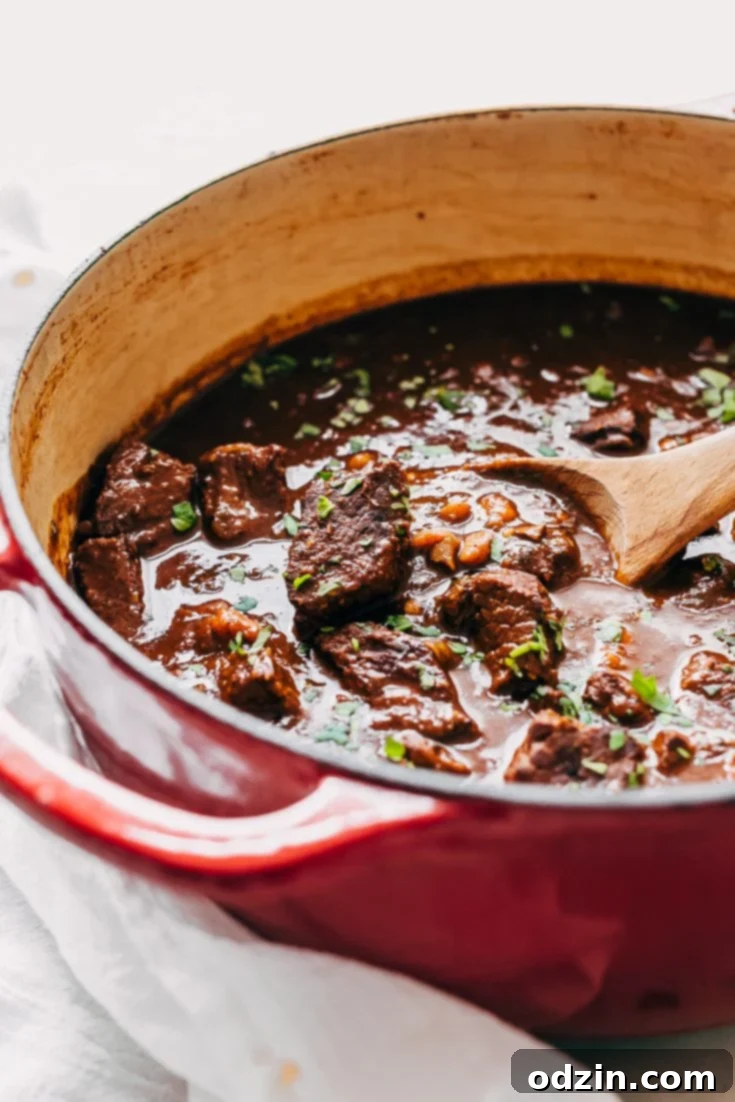
At the heart of any great Texas chili is the beef. Given that this dish is essentially chili con carne (chili with meat), the quality and cut of beef are paramount. You want to select a cut that is well-marbled with fat and can gracefully withstand a long, slow cooking process, which is essential for achieving melt-in-your-mouth tenderness.
Chuck roast or pre-cut **stew meat** are both excellent choices for this recipe. I personally lean slightly towards chuck roast because it generally offers superior marbling – those beautiful veins of fat woven throughout the meat that render down during cooking, imparting incredible flavor and keeping the beef moist and succulent. If you opt for a whole chuck roast, be sure to trim any excess, large chunks of exterior fat. While the natural marbling is highly desirable, too much external fat can make the chili overly oily, requiring extensive skimming at the end. The goal is to retain enough fat for flavor and tenderness without overwhelming the dish.
If you choose stew beef, take your time when selecting the package at the grocery store. Look for chunks that are uniform in size and show a generous amount of marbling. Well-selected stew beef will perform beautifully in this recipe. Regardless of the cut, it’s crucial to ensure your beef is cut into even 1 to 1½ inch cubes. This uniformity guarantees that all the meat cooks evenly, resulting in perfectly tender pieces throughout your chili.
Mastering the Art of Making Texas Chili: Step-by-Step
Creating a truly magnificent Texas Chili involves a few key steps that build layers of flavor. Follow these guidelines for a rich and unforgettable dish:
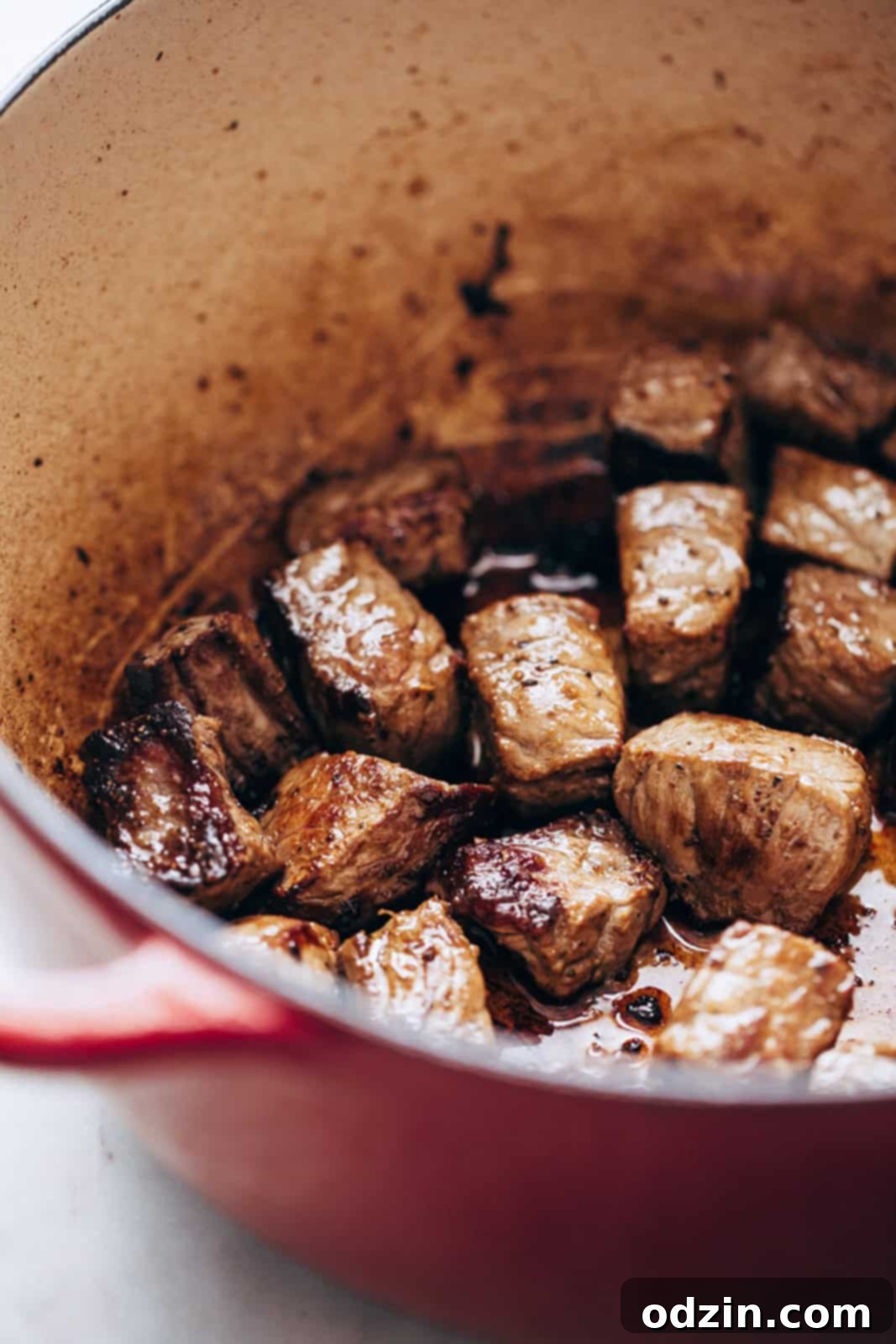
- Sear the Meat for Depth of Flavor: Once your chili paste is prepared and set aside, begin by searing the beef. Heat a large Dutch oven over medium-high heat with a tablespoon of oil. Add the seasoned beef chunks in batches, being careful not to overcrowd the pot. Sear each piece until beautifully browned on all sides, about 2-3 minutes per side. These rich, brown bits that form at the bottom of the pot are a result of the Maillard reaction – a chemical process that creates incredible depth of flavor. Don’t skip this step; it’s free flavor that only takes about 5 minutes of your time! Remove the seared meat to a plate and set aside.
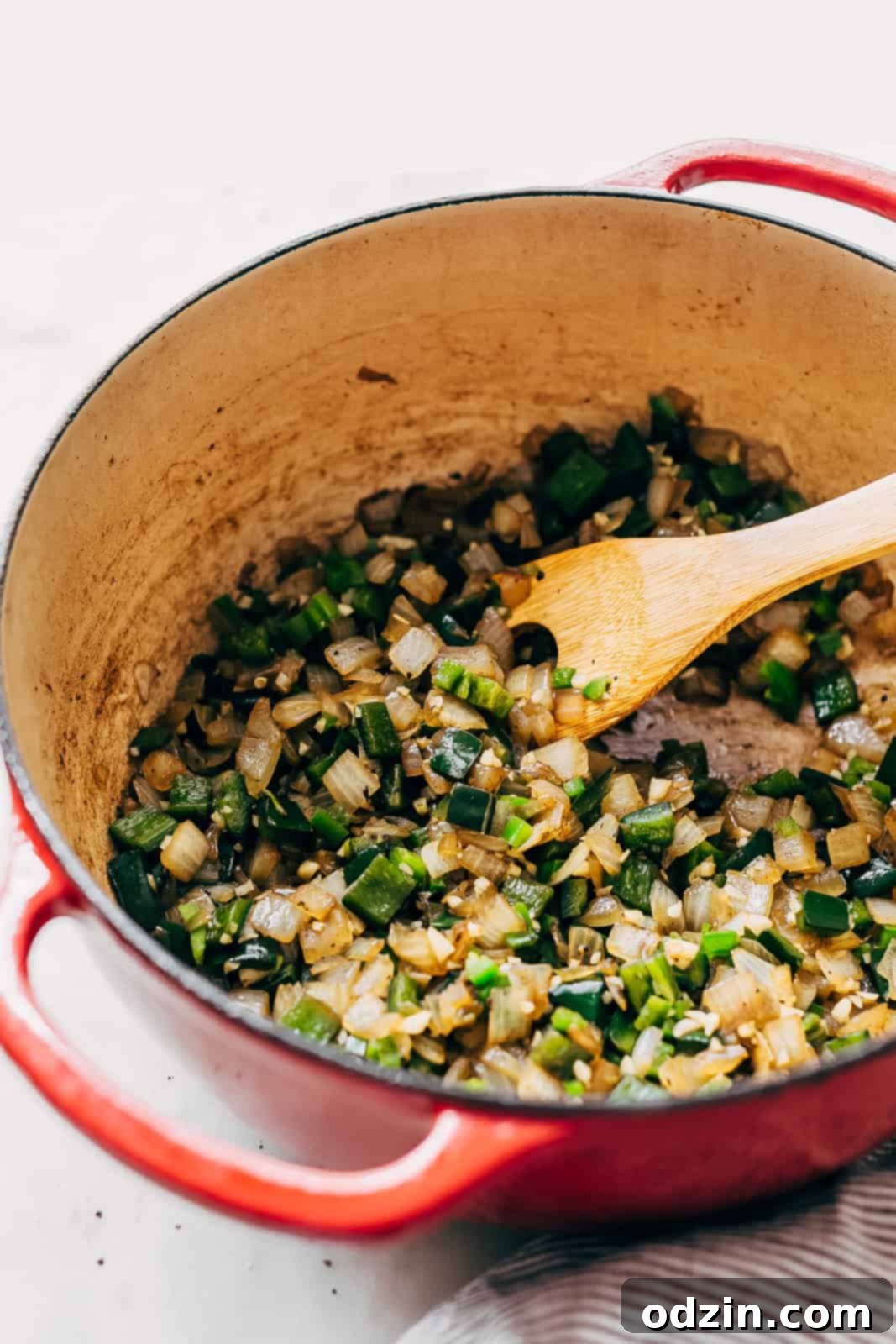
- Build the Flavor Base with Aromatics: With the beef removed, you might need another drizzle of oil in the pot. Add the chopped onions and poblano peppers (or bell peppers) and cook them down. Use a wooden spoon to gently scrape up all those delicious brown bits left from the searing process. This deglazing technique incorporates all that concentrated flavor into your chili base. After about 5 minutes, add the minced garlic and jalapeños, cooking for another 1-2 minutes until fragrant. Next, stir in your prepared chili paste, ensuring it coats all the vegetables. Let it cook for just 1 minute to toast the spices, intensifying their aroma and taste.
- Introduce the Liquids and Simmering Magic: After toasting the paste, add the brown sugar, Worcestershire sauce, beef broth, tomato sauce, and water to the pot. Use your wooden spoon to scrape the bottom again, ensuring no chili paste is sticking. Most traditional Texas chili recipes often call for a bottle of beer, beef stock, and some form of tomato. While beef broth is a staple, I sometimes experiment with liquids. I often use all beef broth and a bit of water, along with low or no-sodium tomato sauce (passata is also a great option). Diced tomatoes are not commonly found in authentic Texas chili; you want a smoother tomato component. For an intriguing twist, I’ve even added brewed coffee to my chili, which imparts an unbelievably smoky, rich depth that truly elevates the flavor profile.
- The Essential Slow Simmer: This is where patience truly pays off. Return the seared meat to the pot and bring the chili to a boil. Then, immediately reduce the heat to low, cover, and let it simmer slowly for 2 ½ to 3 ½ hours. The “low and slow” cooking method is crucial for breaking down the tough fibers in the beef chunks, transforming them into incredibly tender, fall-apart morsels. During this time, make sure to stir the chili every 30-45 minutes to prevent the cornmeal from sticking to the bottom of the pot and to ensure the meat is submerged in enough cooking liquid. Keep a cup of water or extra beef broth handy, adding about ¼ cup each time you stir if the chili thickens too much. If you prefer an even thicker chili, simply remove the lid for the last 30 minutes of cooking, allowing some of the liquid to evaporate. If you choose to add beans, I recommend adding them around the 2-hour mark, giving them enough time to warm through and meld with the chili flavors before serving.
Serving Your Hearty Texas Chili: The Perfect Toppings
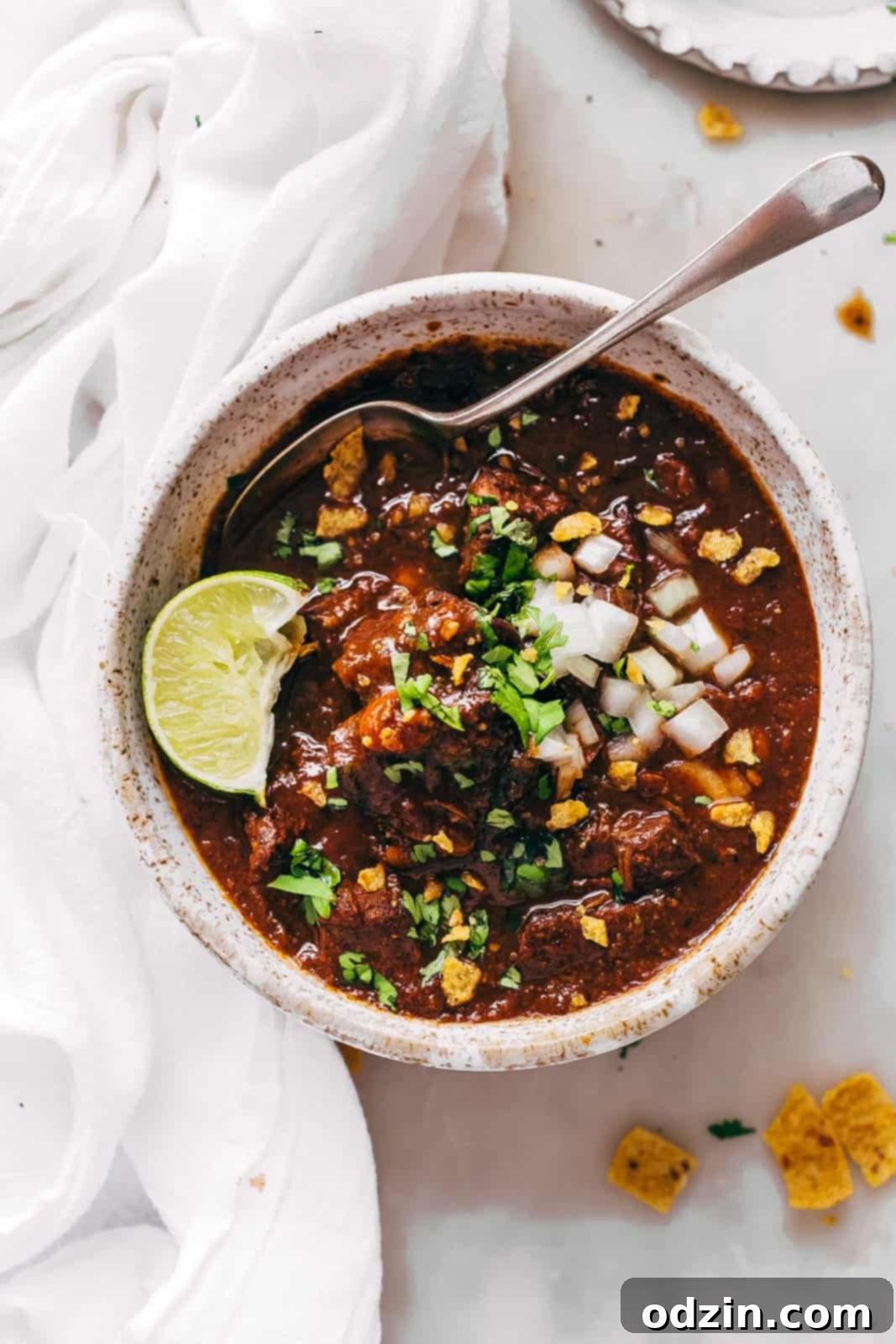
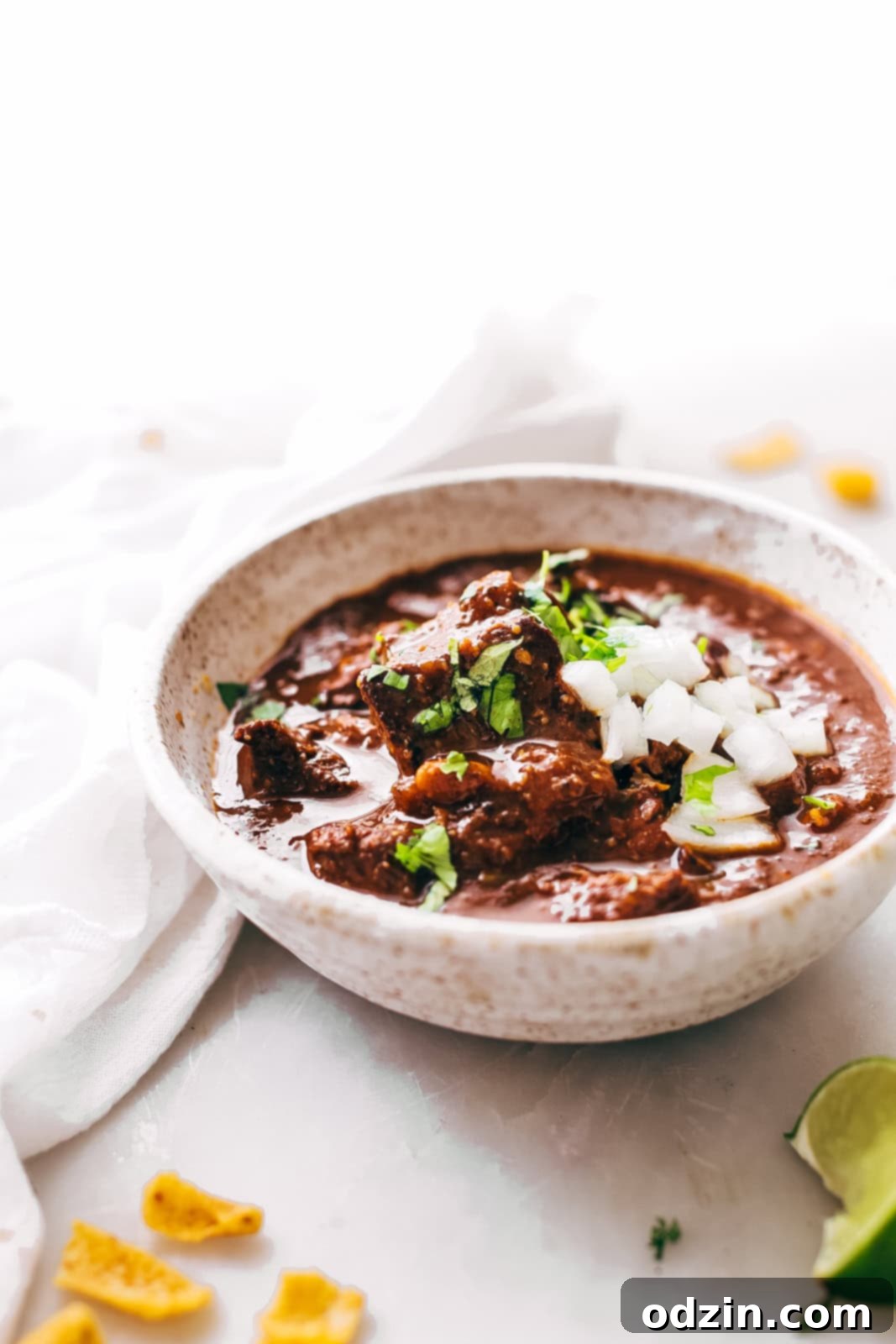
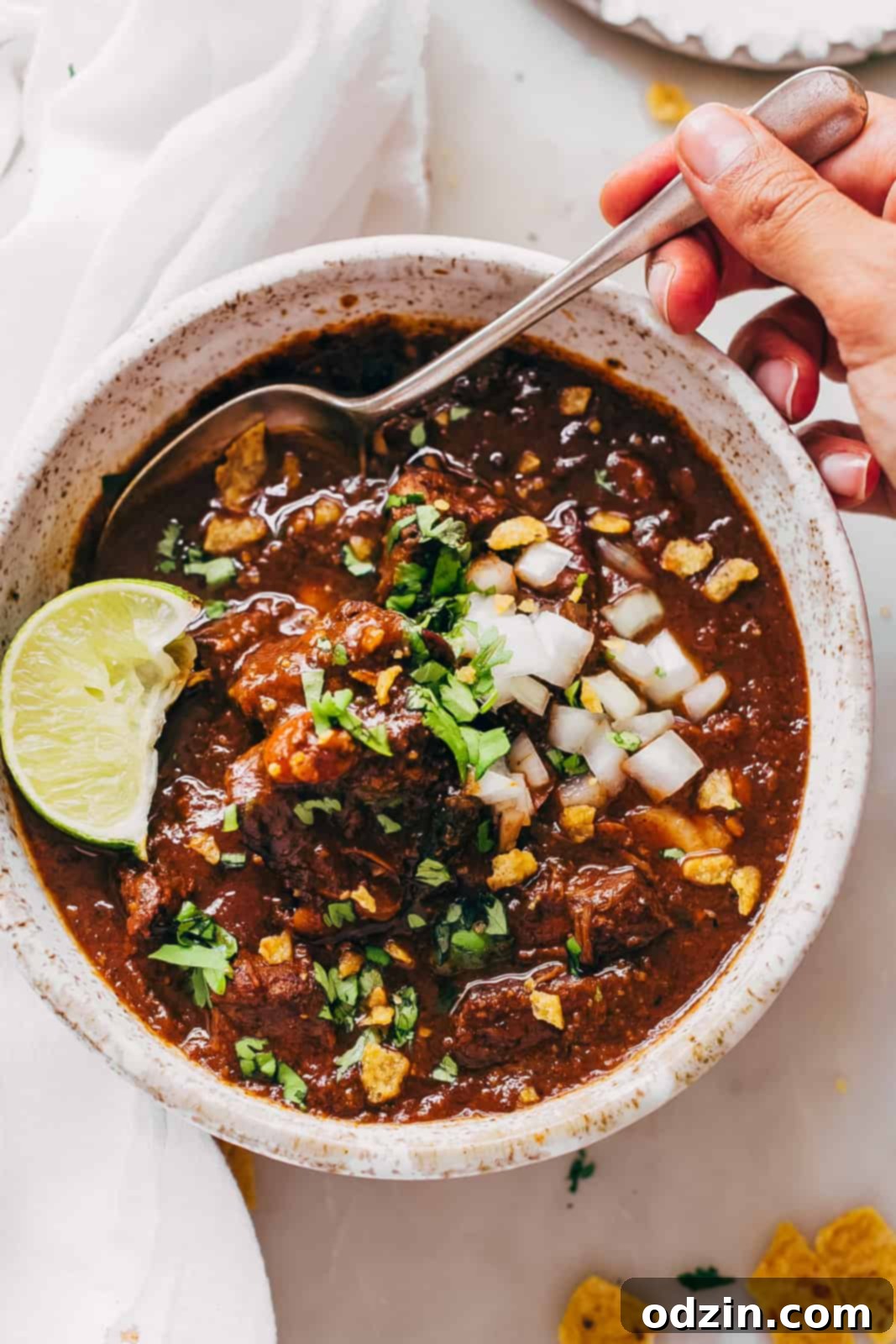
While the chili itself is the star, the right toppings can elevate the experience to new heights. I prefer to keep my serving style fairly straightforward, focusing on classic additions that complement the rich flavors without overshadowing them. My go-to combination includes a generous handful of crunchy Fritos corn chips (because, let’s be honest, tortilla chips just don’t quite cut it for true Texas chili!), a cooling dollop of sour cream, a sprinkle of finely chopped sweet onions, a mound of freshly shredded sharp cheddar cheese, and a light dusting of fresh cilantro. Sometimes, a tiny squeeze of fresh lime juice adds a welcome bright note that cuts through the richness. Okay, perhaps it’s not entirely “simple,” but you understand what I mean – no fancy cornbread or elaborate garnishes; just a girl, her bowl, and a few essential toppings.
I cannot stress this enough: for an authentic Texas chili experience, corn chips are essential. Their thicker, heartier texture stands up beautifully to the robust chili, unlike thinner tortilla chips that can quickly become soggy. Plus, any leftover chili is practically begging to be turned into classic Frito pies – a true Texas treat!
This Texas Chili recipe also freezes exceptionally well, which is why I often make a substantial batch. While you can certainly halve the recipe if you’re cooking for a smaller household, why wouldn’t you seize the opportunity to cook a large pot and freeze half for a quick, delicious meal later? Future you will thank you!
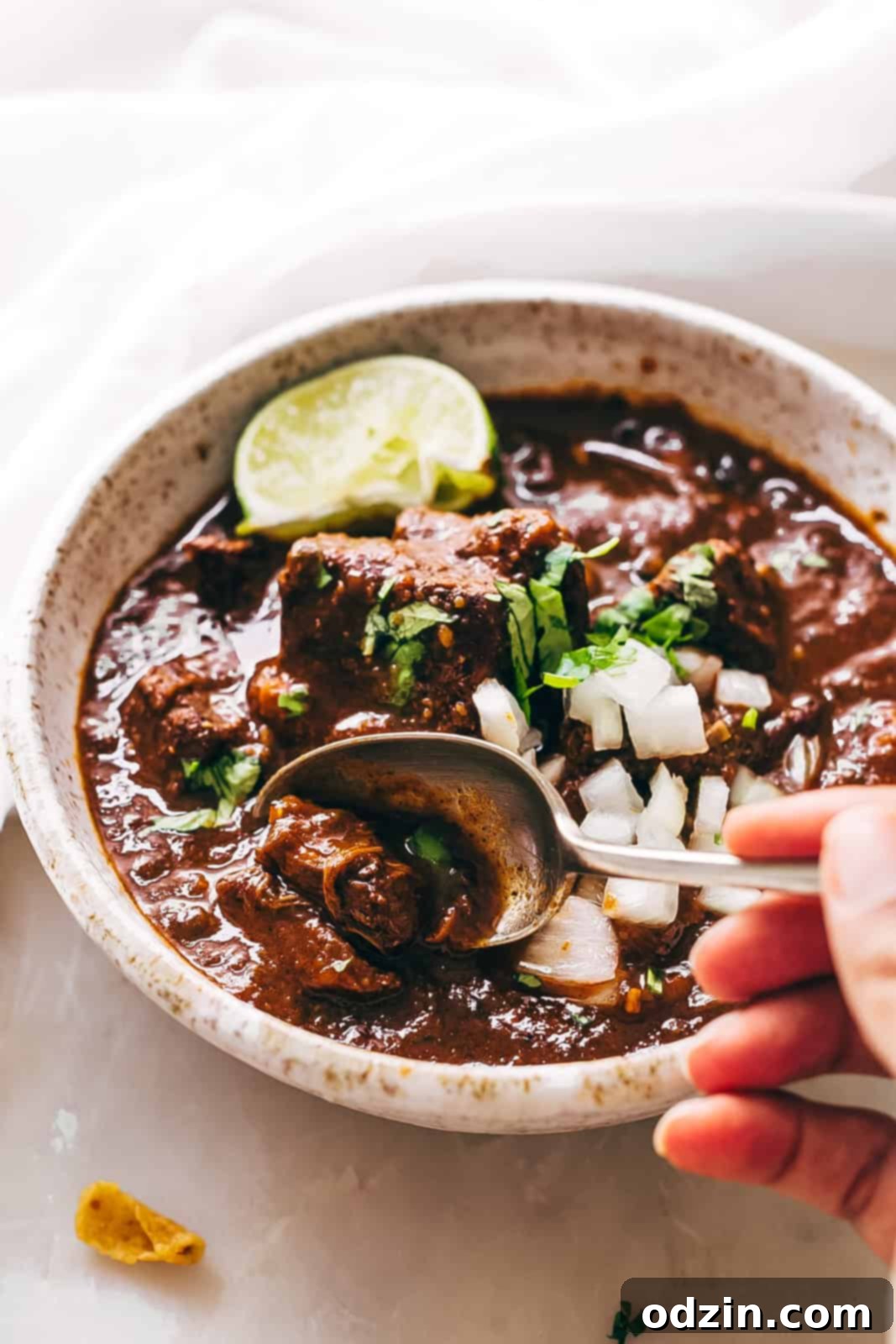
Beyond traditional serving, leftover chili offers incredible versatility. You can shred the tender beef and serve it over pasta, creating a unique fusion that’s reminiscent of Cincinnati chili – a delightful blend of Texas heartiness and pasta comfort. We absolutely adored it prepared this way! For convenient future meals, store any leftovers in an airtight container in the freezer for 1-2 months, making this a perfect make-ahead dish.
While it might be a tad early to start planning your Super Bowl menu (or is it ever too early?), this Texas Chili is undeniably a dish that will impress and satisfy any chili connoisseur. It’s a guaranteed crowd-pleaser and a robust centerpiece for any gathering.
Enjoy, everyone! This recipe is a definite home run, or rather, a touchdown, for us every single time!
If you like this recipe, you might also like these comforting dishes:
- Taco Chili: A Spiced-Up Twist on a Classic
- Skillet Chili with Jalapeño Cornbread: A One-Pan Wonder
- Chipotle Butternut Squash Chili: A Smoky Vegetarian Delight
- Hatch Chile Cornbread: The Perfect Spicy Side
- Instant Pot Mexican Chili with Black Beans: Quick and Flavorful
Rancher’s Texas Chili Recipe (Chili con Carne)
20 minutes
3 hours
3 hours 20 minutes
Learn how to make real Texas chili! Hearty and warm bowls of Texas-style chili loaded with spices and made with chunks of beef! This chili recipe will warm you from your fingers to your toes!
Ingredients
Chili Paste Starter:
- 3 tablespoons EACH: ancho chili powder AND cornmeal
- 1 tablespoon EACH: chipotle chili powder, ground cumin, cocoa powder AND smoked paprika
- 2 teaspoon EACH: ground coriander AND Mexican oregano
Texas Chili:
- 3 ½ -4 pounds stew meat (or chuck roast cut into 1 – 1¼ inch chunks)
- 2 tablespoons EACH: oil AND Worcestershire sauce
- 1 large onion, diced
- 2 poblano peppers, diced (or bell peppers)
- 1-5 jalapeños, minced
- 8-12 cloves garlic, minced
- 1 tablespoon brown sugar
- 4 cups beef broth*
- 1 (14-ounce can) tomato sauce
- 2 (14-ounce) cans rinsed/drained pinto beans (OPTIONAL)
Instructions
- PASTE: Combine the ingredients for the paste in a small bowl and slowly stir in 1/2 cup of hot water. Mix and set this aside for now.
- SEAR THE MEAT: Season the meat with a generous pinch of salt and pepper. Heat a large chili pot over medium-high heat. Add 1 tablespoon of oil to the pot and add a few pieces of meat at a time. Sear the meat on all sides, about 2-3 minutes and remove it to a plate. Repeat the process until all the meat is seared. You may need a little more oil than what’s listed just depends on how well marbled the meat is.
- CHILI: If you need it, add another drizzle of oil to the pan along with the chopped onions and the poblanos. Use a wooden spoon to help scrape any brown bits left behind by the meat and cook for 5 minutes. Then, add the garlic and jalapeños and continue to cook for another 1-2 minutes or until fragrant. Add the prepared chili paste to the pot and stir it in so that it coats everything nicely. Allow the paste to cook for 1 minute before adding the brown sugar, Worcestershire, beef broth, tomato sauce, 1 cup water and ½ teaspoon salt. Use the wooden spoon to scrape the bottom so that none of the chili paste is sticking.
- COOK: Add the seared meat and allow the chili to come to a boil before lowering the heat to low and allowing it to cook for 2 ½ – 3 ½ hours. Set aside 1 cup of water and add in a ¼ cup every time you stir the chili if it’s thickened. Stir the chili every 30-45 minutes to make sure it’s not sticking. You may not need all of the water if you’re going bean-free, with beans you generally need a little more. I like to add the beans around the 2-hour mark so that they have a chance to cook for at least half an hour before serving. Serve topped with all your favorite chili toppings!
Notes
- If you decide to use a chuck roast, just be sure to trim as much of the fat as you can. You don’t need that. The natural marbling is more than enough. If you leave on the extra fat, the chili will end up being really oily at the end and you’ll need to skim most of it off.
- You can also replace some of the water/beef broth with a bottle of beer or brewed coffee. It just comes down to preference.
Have you made this recipe?
If you enjoyed this recipe, please consider leaving a ⭐️⭐️⭐️⭐️⭐️ rating and a comment below. You can also share a picture on Instagram with the hashtag #LITTLESPICEJAR, I’d love to see what you made!