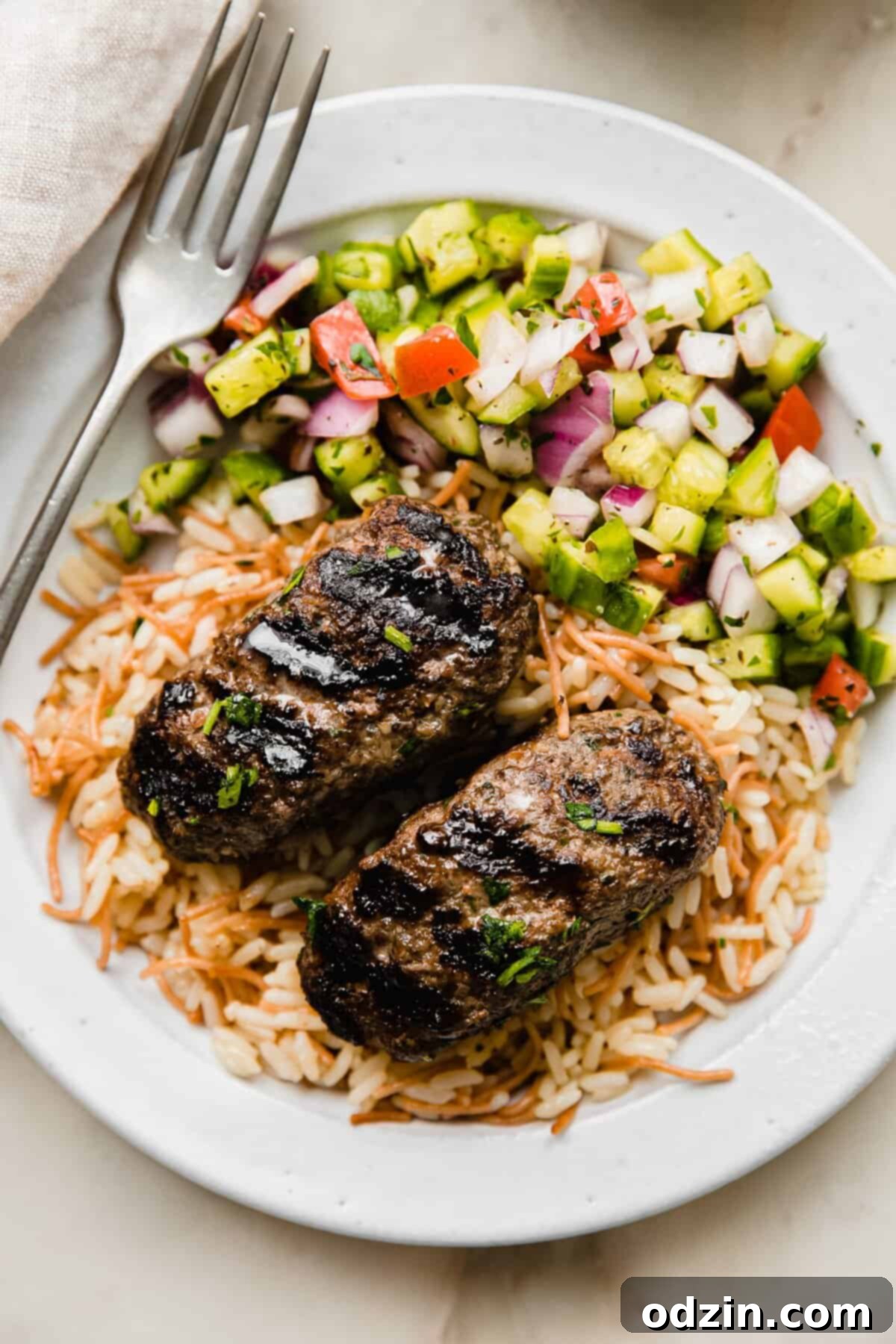
Authentic Lebanese Beef Kafta Kebabs: A Flavorful Journey to Middle Eastern Cuisine
Embark on a culinary adventure with this homemade Lebanese-inspired Beef Kafta recipe, a true household favorite! These tender, flavorful ground meat kabobs are infused with minced onions, fresh parsley, and a vibrant blend of aromatic Middle Eastern spices. Whether you prefer grilling them indoors on a grill pan or outdoors on a BBQ, these Kafta are incredibly versatile and perfect when served alongside fluffy vermicelli rice and a generous dollop of your favorite sauces.
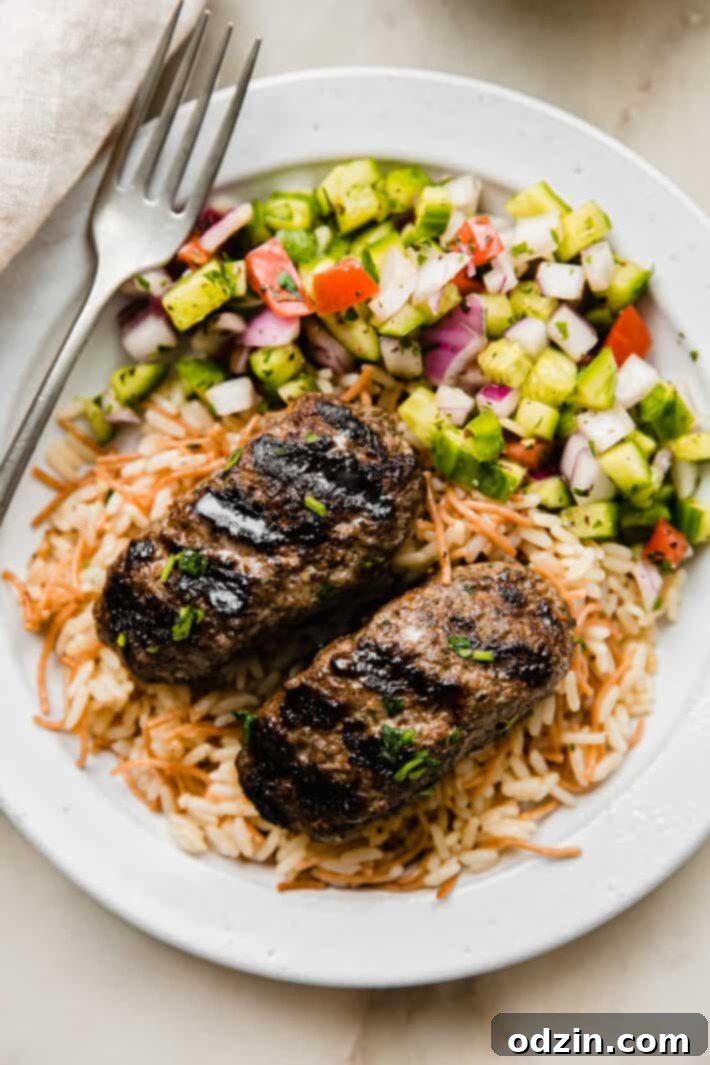
Kafta kabobs, also known as kofta, are a staple in Middle Eastern cuisine, particularly in Lebanon. This dish brings together the simple goodness of ground beef (or lamb) with an explosion of fresh herbs and spices, transforming ordinary meat into an extraordinary meal. Imagine tender, juicy meat infused with the bright notes of fresh parsley, the pungency of garlic and onion, and the warming complexity of a unique spice blend. They’re often shaped into oblong patties or cylinders, making them distinct from traditional meatballs, though they share that same comforting, savory appeal.
For years, the thought of making kafta at home, especially attempting to keep the meat on skewers, felt daunting. Many home cooks shy away from recipes that seem complicated, often recalling initial attempts where the meat mixture simply wouldn’t hold together on a skewer. However, after refining this recipe over a decade, I’ve discovered the beauty of making these kabobs without the fuss of skewers. We’re embracing a freestyle approach that’s both easier and equally delicious, proving that you don’t need fancy equipment to achieve authentic flavors.
This recipe delivers incredibly tender kafta, loaded with finely minced onions, fragrant garlic, vibrant fresh parsley, and a symphony of spices that harmoniously uplift the flavor profile. I adore serving these delectable kabobs with a batch of velvety smooth homemade hummus or a pungent toum (Lebanese garlic sauce). For a refreshing contrast, I always include a generous portion of crisp Shirazi salad or a zesty fattoush salad, accompanied by a side of fluffy vermicelli rice. If you’re new to kafta, picture them as exceptionally flavorful, elongated meatballs, bursting with Middle Eastern zest.
Essential Ingredients for Authentic Homemade Kafta
Crafting perfect kafta starts with selecting high-quality ingredients and understanding how each contributes to the final flavor and texture. Here’s a detailed look at what you’ll need:
- Ground Beef (or Lamb): For this recipe, I highly recommend using 90:10 lean ground beef. This ratio provides just the right amount of fat to keep the kafta moist and tender, preventing them from drying out during cooking, without making them greasy. While 95% lean ground beef can be used, the extra fat content in 90:10 significantly enhances the flavor and succulence. Feel free to substitute with ground lamb for a richer, more distinct flavor, or use a 50:50 blend of both. Ensure your meat is fresh and of good quality.
- Fresh Parsley: A generous amount of fresh parsley is crucial. It not only adds a beautiful vibrant green color to the kafta but also contributes a fresh, herbaceous flavor that is essential to Middle Eastern cuisine. Always opt for fresh over dried parsley for the best results.
- Onions: I typically use a yellow onion, roughly chopped, which I process along with the parsley and garlic in a food processor. The key is to mince the onion very finely and, crucially, to drain out as much excess liquid as possible. This step prevents your kafta mixture from becoming watery and ensures a firm, well-bound texture. A red onion can also be used for a slightly sharper flavor.
- Garlic: Fresh garlic is indispensable. Together with the onions and parsley, it forms the aromatic base of these beef kafta kebabs, providing a pungent, savory depth that elevates the entire dish.
- Aromatic Spice Blend: The unique flavor profile of kafta comes from a carefully balanced blend of spices. You’ll need:
- Ground Sumac: Adds a distinct tangy, slightly tart flavor that is characteristic of Middle Eastern cooking.
- Kosher Salt: Essential for seasoning and bringing out the natural flavors of the meat and herbs.
- Allspice: A signature spice in Lebanese cuisine, offering warm, sweet, and peppery notes that are reminiscent of cloves, nutmeg, and cinnamon combined.
- Ground Cumin: Contributes an earthy, warm aroma and flavor.
- Coriander: Adds a mild, citrusy, and slightly sweet undertone.
- White or Black Pepper: For a touch of heat and classic seasoning. White pepper is often preferred in Middle Eastern cooking for its milder, less pronounced flavor.
- Cinnamon: Provides a subtle warmth and sweetness, balancing the savory elements.
- Ground Cloves: Offers intense aromatic and pungent notes that deepen the flavor profile.
- Cayenne Pepper: Just a touch adds a very mild, pleasant kick without making the dish overly spicy.
- Ground Nutmeg: Another warming spice that adds a sweet, woody, and slightly peppery nuance.
- Ground Cardamom: (Included in the recipe card but not listed above explicitly, so I’ll mention it here for completeness) Adds a highly aromatic, slightly sweet, and floral note, common in Middle Eastern spice blends.
This specific combination of spices creates the complex, aromatic, and deeply satisfying flavor that defines authentic Lebanese kafta.
Step-by-Step Guide: How to Make Homemade Beef Kafta Kebabs
Making flavorful kafta at home is simpler than you might think. Follow these steps for perfectly tender and juicy results:
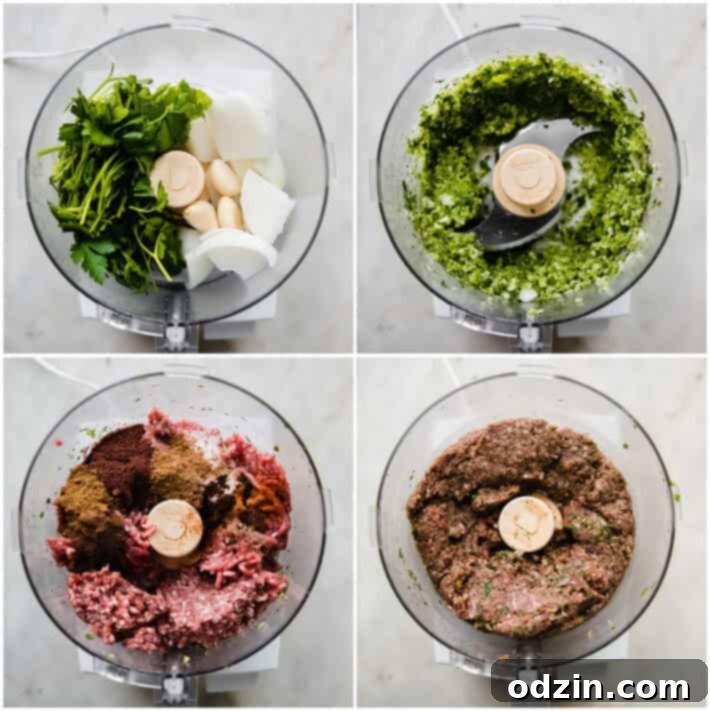
- Prepare the Aromatics: The first crucial step is to finely process your aromatics. Add the fresh parsley, roughly chopped onions, and peeled garlic cloves to the bowl of a food processor fitted with a blade attachment. Pulse them until they are very finely minced into small, even pieces. The goal here is to create a paste-like consistency, ensuring the aromatics are evenly distributed throughout the meat mixture. Once processed, transfer this mixture into a fine-mesh strainer or colander. Press down firmly with a silicone spatula or the back of a spoon to thoroughly drain out all the excess liquid. This step is vital to prevent your kafta from becoming soggy or falling apart during cooking, as excess moisture can hinder binding. Set the drained aromatic mixture aside.
- Combine and Pulse the Ground Meat Mixture: In the same food processor bowl (no need to clean it thoroughly, as it will be combined with the aromatics later), add the ground beef (or lamb) and all the specified spices from the recipe card. Pulse a few times – just enough to evenly disperse the seasonings throughout the meat. Avoid over-processing at this stage. Next, add the drained onion, parsley, and garlic mixture back into the food processor with the seasoned meat. Continue to pulse, working in short bursts, until the protein is thoroughly combined with the aromatics. You want the meat to develop a slightly pasty texture; this is perfectly normal and actually desirable, as it indicates the meat fibers are breaking down slightly, which will help the mixture bind properly and prevent the kafta from crumbling.
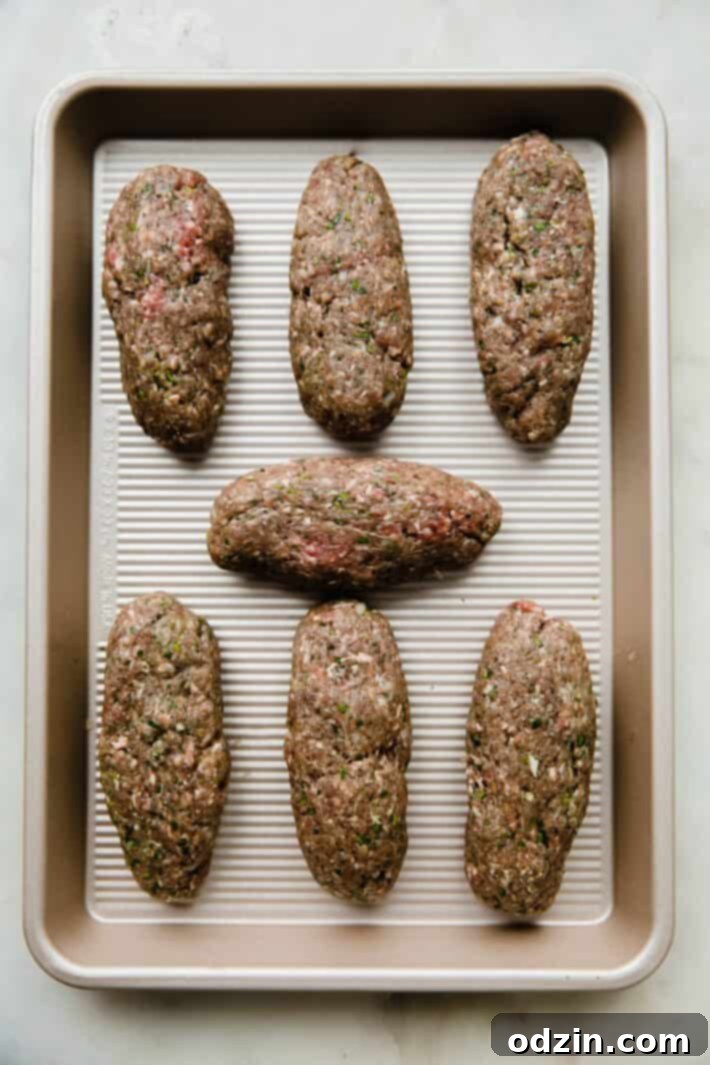
- Shape the Kafta Kebabs: Once your kafta mixture is ready, transfer it into a clean dish or bowl. Divide the mixture into 10 equal portions. To shape, take one portion and roll it into a sphere or ball between the palms of your hands. Then, gently roll and press it to create the characteristic oblong, log-like shape of kafta. You can adjust the length and thickness to your preference, aiming for an even size for consistent cooking. If you wish to prepare these in advance, you can shape the kafta a few hours ahead of time and arrange them on a baking sheet lined with parchment paper. Be sure to cover them tightly with plastic wrap and refrigerate until you are ready to cook.
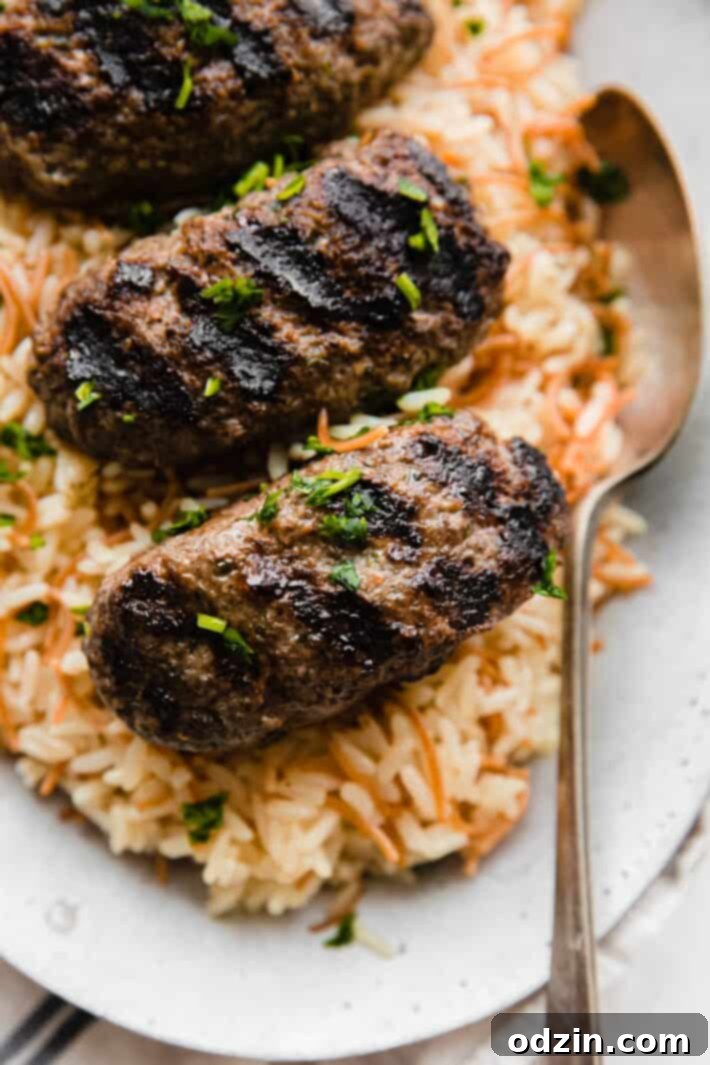
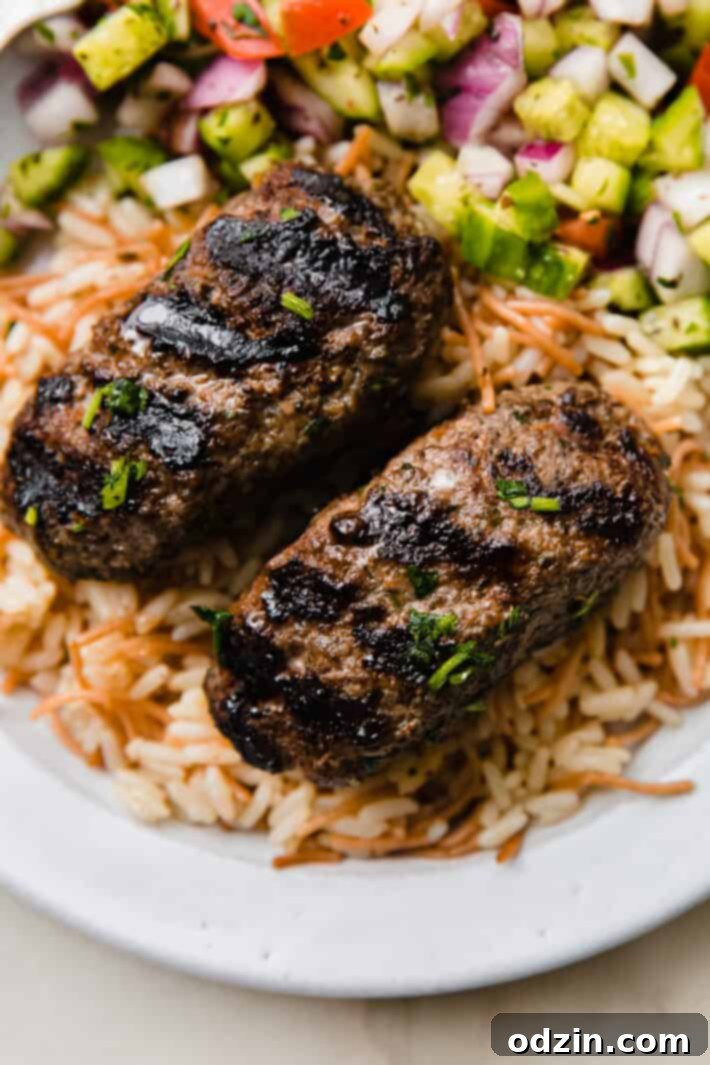
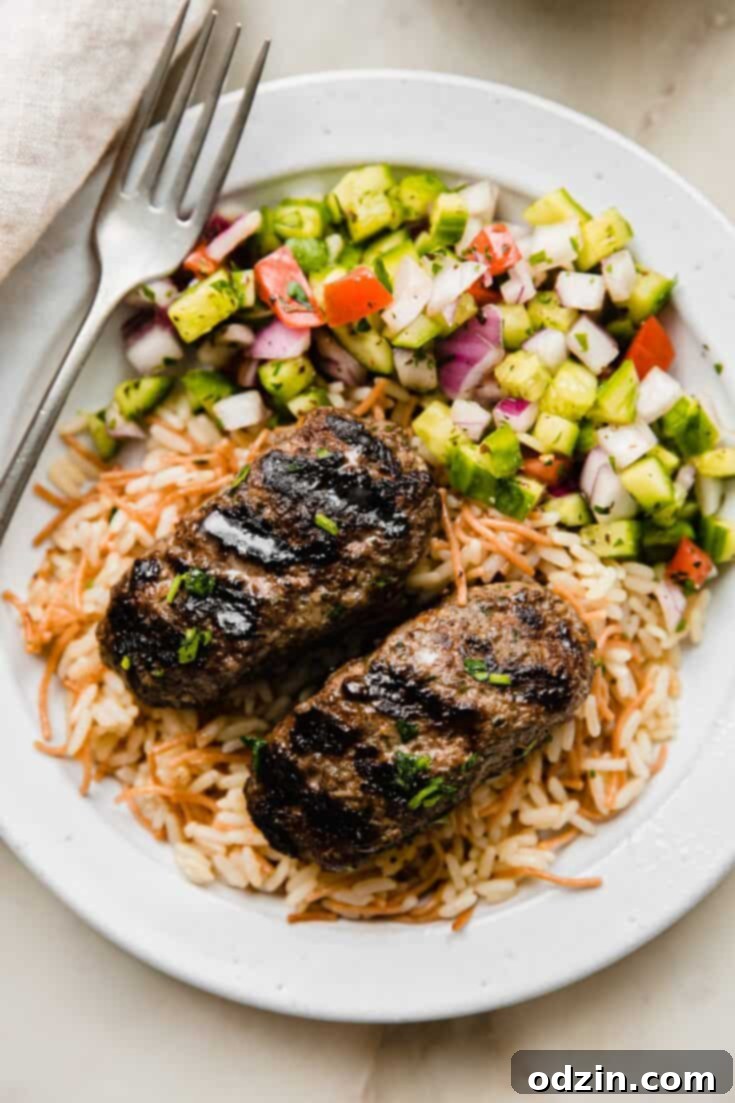
- Cook the Kafta to Perfection: Heat either an indoor grill pan or an outdoor grill over medium-high heat. Allow the grill to get sufficiently hot. To prevent sticking, spray the grates with a high-heat cooking oil or brush them thoroughly with oil. Carefully place the shaped kafta onto the hot grill, ensuring they are a few inches apart to allow for even cooking. If you are using an indoor grill pan, it’s best to cook them in batches to avoid overcrowding and to maintain the grill’s temperature. Grill the kafta for a total of 8-10 minutes, flipping them around the halfway mark, until they are beautifully browned on all sides and cooked through to your desired doneness. The internal temperature should reach 160°F (71°C) for ground beef. Serve these delicious kafta immediately and warm, paired with your favorite salads like Shirazi salad, creamy hummus, pungent toum, or a refreshing cucumber and tomato salad.
Frequently Asked Questions About This Kafta Recipe
Here are some common questions about making and serving these delightful beef kafta kebabs:
- Can I make kafta sandwiches or wraps with this recipe? Absolutely! Kafta makes for an incredible sandwich or wrap. Use warm pita bread or traditional Lebanese bread as your base. Layer it with sliced onions, fresh tomatoes, crunchy pickles, and a generous smear of homemade garlic sauce (toum) for an authentic and satisfying meal. The tender kafta, fresh veggies, and creamy garlic sauce create a perfect flavor balance.
- What are your top serving suggestions for kafta? We love to pair our kafta with a variety of complementary dishes to create a full Middle Eastern feast. Our favorites include:
- Homemade vermicelli rice, a fragrant and buttery rice pilaf that perfectly soaks up the kafta juices.
- Refreshing salads like Shirazi salad (a Persian cucumber and tomato salad with mint) or a vibrant fattoush salad (a Lebanese bread salad with fresh vegetables and a tangy sumac dressing).
- An array of delicious dips and sauces such as extra-smooth hummus and the iconic toum (garlic sauce). A simple tahini sauce or a cooling yogurt-cucumber dip would also be excellent additions.
- Can I use lamb instead of ground beef? Yes, definitely! You can use all ground lamb or a 50:50 combination of ground beef and lamb. Lamb kafta has a richer, more distinct flavor that many people adore. The key is to ensure the lamb isn’t completely lean. Ideally, aim for a 90:10 fat-to-meat ratio (or similar) for ground lamb as well, as this fat content is crucial for tender and juicy kafta.
- Do you have instructions on how I can make this kafta recipe in an air fryer or oven? While the grill provides the best flavor and char, kafta can certainly be cooked in an air fryer or oven for convenience.
- Air Fryer: Although I haven’t had a chance to fully test this method extensively, a good starting point would be to preheat your air fryer to around 375ºF (190°C). Arrange the kafta in a single layer in the air fryer basket, ensuring not to overcrowd it. Cook for approximately 7-8 minutes, flipping them halfway through, until they are golden brown and cooked through. Always check for an internal temperature of 160°F (71°C).
- Oven Baking: Preheat your oven to 400°F (200°C). Line a baking sheet with parchment paper and arrange the shaped kafta on it. Bake for 15-20 minutes, flipping them halfway through, until they are nicely browned and cooked to your liking. The baking time may vary depending on the thickness of your kafta and your oven.
- Can I freeze kafta? Yes, kafta freezes beautifully!
- Raw Kafta: Arrange shaped, uncooked kafta on a freezer paper-lined baking sheet and flash freeze them for 1-2 hours until solid. Once frozen, transfer them to a zip-top freezer bag or an airtight container. They can be stored for up to 3 months. When ready to cook, you can grill them directly from frozen (adding a few extra minutes to the cooking time) or thaw them in the refrigerator overnight.
- Cooked Kafta: Allow cooked kafta to cool completely, then place them in an airtight container and freeze for up to 2-3 months. Reheat gently in the oven or on a stovetop until warmed through.
- How can I ensure my kafta don’t fall apart? The key to well-bound kafta lies in two main points: thoroughly draining the processed aromatics (onions, parsley, garlic) to remove excess moisture, and pulsing the meat mixture in the food processor until it achieves a slightly pasty consistency. This process helps to break down the meat fibers just enough to create a cohesive mixture that holds its shape during cooking. Using ground meat with a good fat content (like 90:10) also aids in binding and adds moisture.
If You Enjoyed This Recipe, You Might Also Like These Middle Eastern Delights:
- Lebanese Meat-Stuffed Pitas (Arayes): Crispy pita bread filled with a savory spiced meat mixture.
- Persian Chicken Kebabs (Jujeh Chicken): Juicy chicken marinated in a vibrant saffron and yogurt blend.
- Beef Shawarma Bowls: All the flavors of a classic shawarma, served in a deconstructed bowl with rice and fresh toppings.
- Most Delicious Homemade Shawarma Seasoning: Learn to make your own authentic spice blend for various Middle Eastern dishes.
- Cheesy Zaatar Bread (Manakish): A popular Lebanese flatbread topped with earthy za’atar and melted cheese.
Beef Kafta Kebabs
20 minutes
10 minutes
30 minutes
Lebanese-inspired Beef Kafta is a household favorite! Onions, fresh parsley, and tons of spices make the Kafta kabob tender and flavorful. Grill them indoors or outdoors and serve them with vermicelli rice and lots of sauce!
Ingredients
- 1 pound (90%) lean ground beef (or lamb)
- 1 cup parsley, lightly packed
- 1 yellow onion, quartered
- 3 cloves garlic
- 2 teaspoons ground sumac
- 1 teaspoon EACH: kosher salt AND allspice
- ¾ teaspoon ground cumin
- ½ teaspoon coriander
- ¼ teaspoon EACH: white pepper, cinnamon, AND ground cloves
- ⅛ teaspoon EACH: cayenne pepper, ground cardamom AND ground nutmeg
Instructions
- PROCESS: In the bowl of a food processor, add the parsley, onions, garlic, and pulse until they break down into small pieces. Place this mixture in a sieve to drain any excess liquid then press down with a silicone spatula to make sure you get most of it; set aside for now.
- PULSE: Add the ground beef and all the seasonings to the bowl of the food processor and pulse long enough to combine before adding the drained onions mixture. Run the food processor, long pulsing 4-6 more times until the meat and onions mixture is combined. The meat will be slightly pasty and that’s perfect! You need it to be that way so it binds.
- SHAPE: Transfer the kafta mixture to a bowl. You can form the oblong kafta shapes on a wooden/metal skewer or freehand them by turning them into oblong patties; Place the kafta on a clean plate and continue shaping the remaining meat. I make about 10 pieces total.
- COOK: Heat an indoor grill pan or an outdoor grill (see notes) over medium heat. When hot, spray the grates with a high heat oil and place the kafta on the grill. Grill or 8-10 minutes total, flipping the kafta halfway through until cooked to your liking. Serve warm with Shirazi salad and Lebanese rice pilaf or in pitas with homemade toum!
Notes
- Shaped Kofta: can be placed on a freezer paper-lined baking sheet and flash frozen. Simply transfer them to a zip-top bag afterward. I stick to grilling these on an outdoor grill and do so from frozen!
Recommended Products
- Silicone Spatula
- 9×13 Sheet Pan
- Cast Iron Grill Pan
- Food Processor
Nutrition Information:
Yield:
5
Serving Size:
1/5
Amount Per Serving:
Calories: 274Total Fat: 16gCarbohydrates: 6gProtein: 26g
To get the most accurate information, please input the ingredients you’ve used into a nutrition calculator.
Have you made this recipe?
If you enjoyed this recipe, please consider leaving a ⭐️⭐️⭐️⭐️⭐️ rating and a comment below. You can also share a picture on Instagram with the hashtag #LITTLESPICEJAR, I’d love to see what you made!