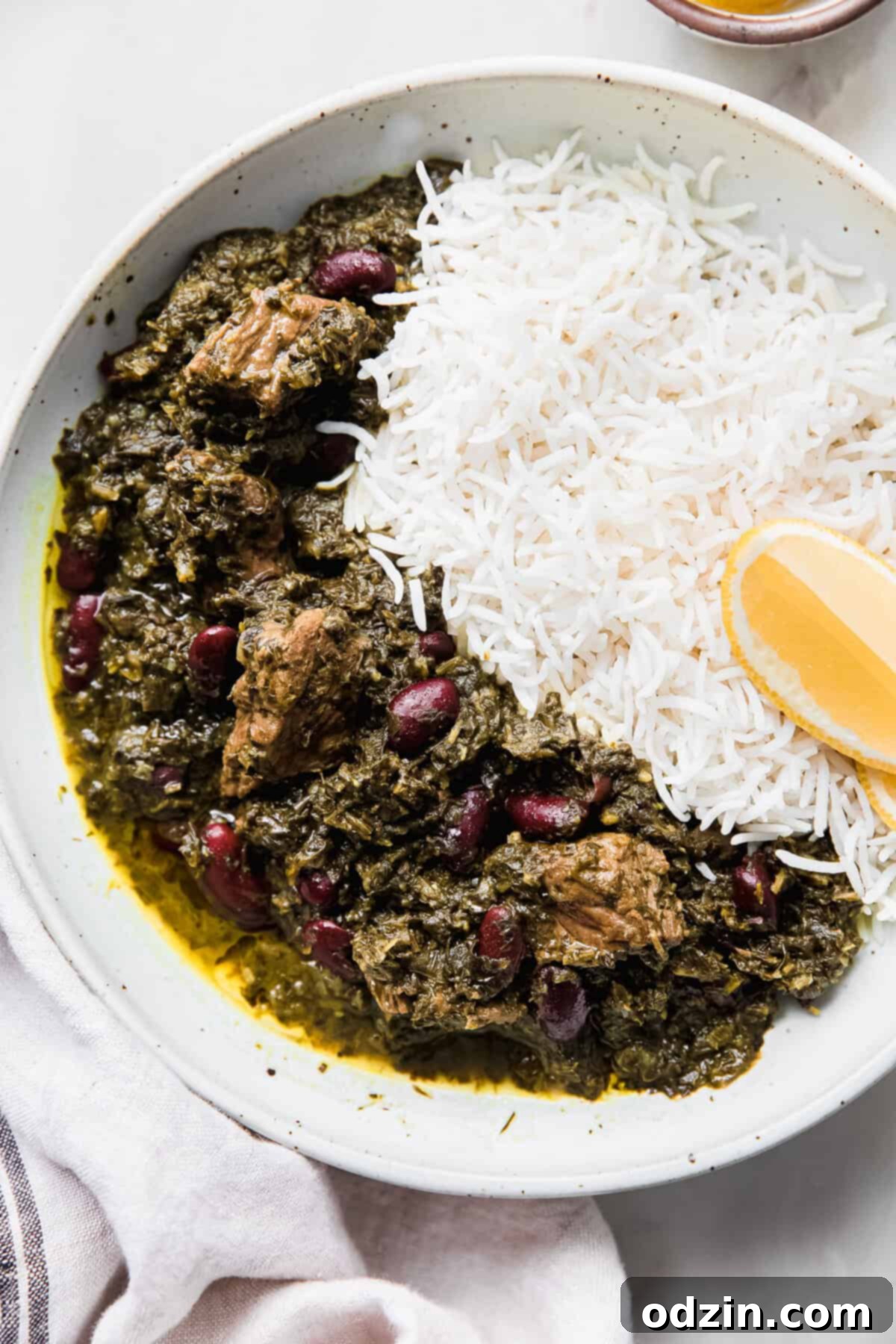
Authentic Ghormeh Sabzi Recipe: The Ultimate Persian Herb Stew with Tender Beef & Dried Limes
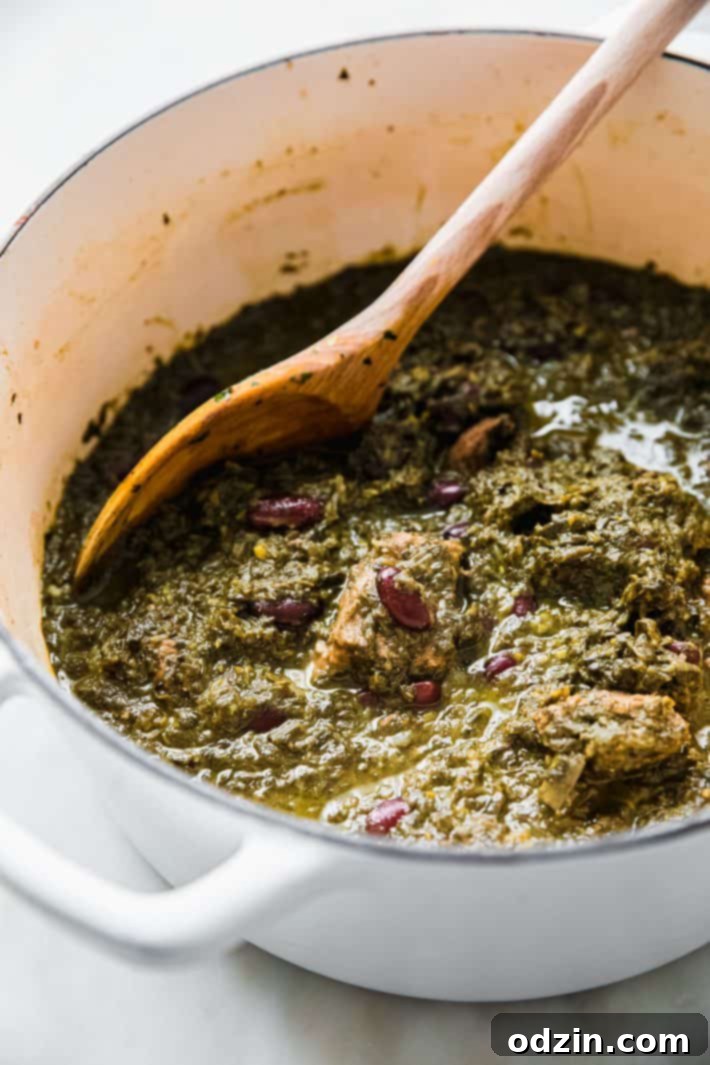
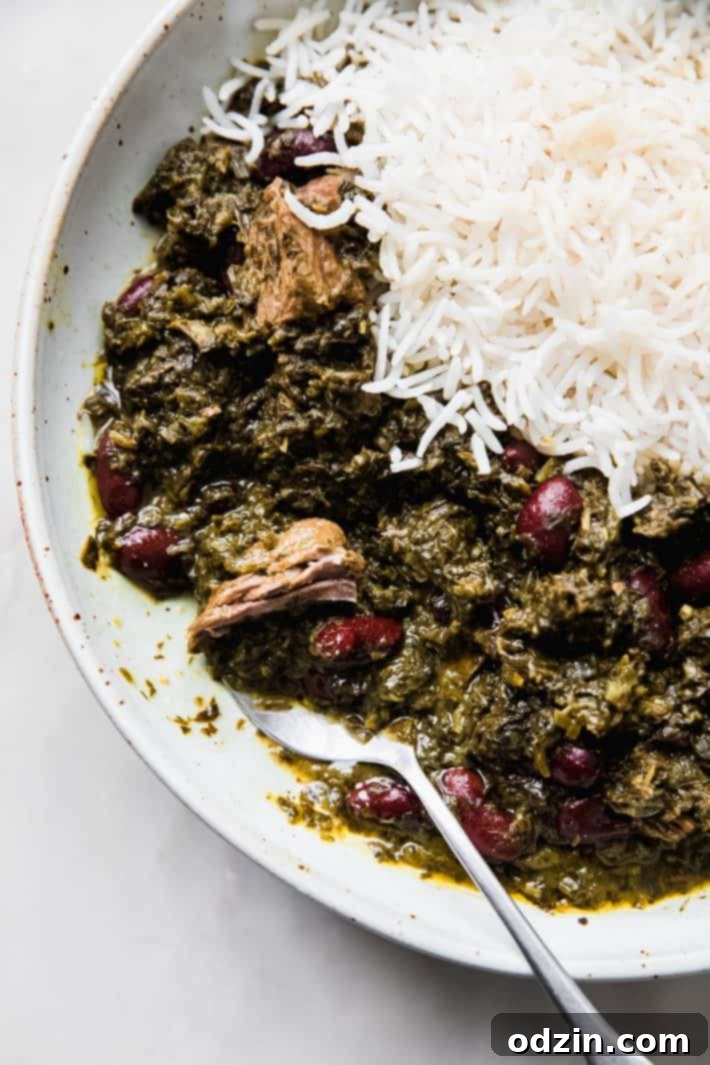
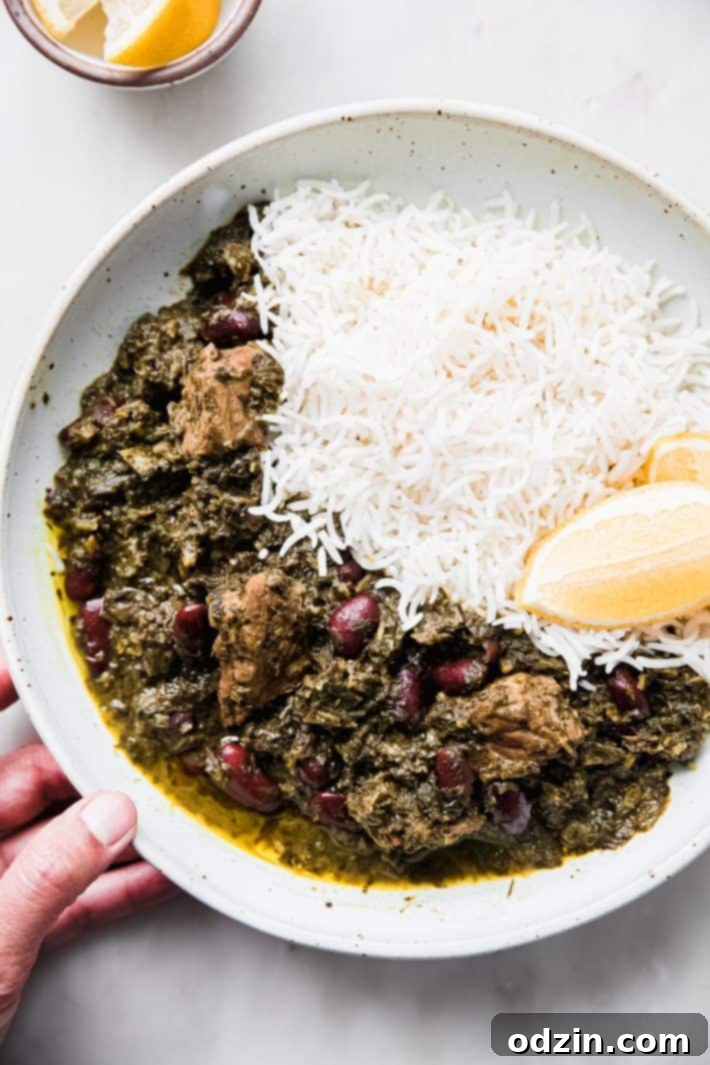
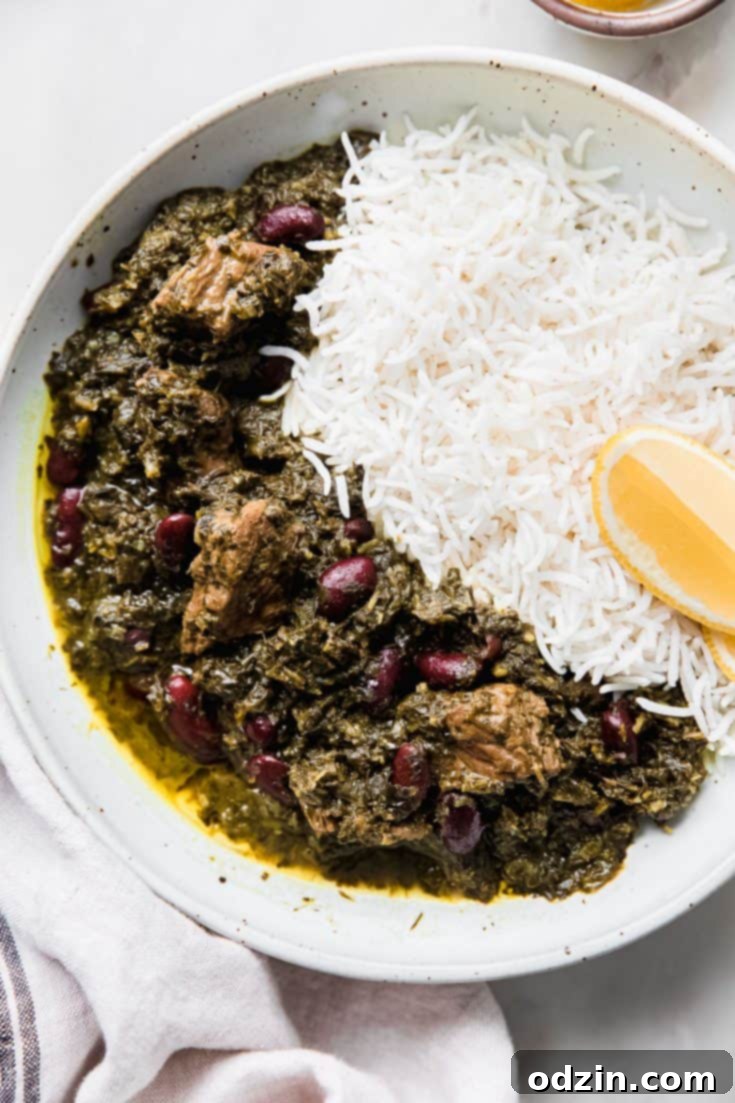
Experience the rich, soul-warming flavors of Ghormeh Sabzi, Iran’s national dish. This iconic Persian herb stew is a symphony of fresh herbs, earthy red kidney beans, and tender chunks of beef (or lamb), all slow-simmered with aromatic dried limes to perfection. Served with fluffy basmati rice or golden tahdig, it’s a deeply satisfying and cozy meal that will transport your taste buds straight to the heart of Persian cuisine.
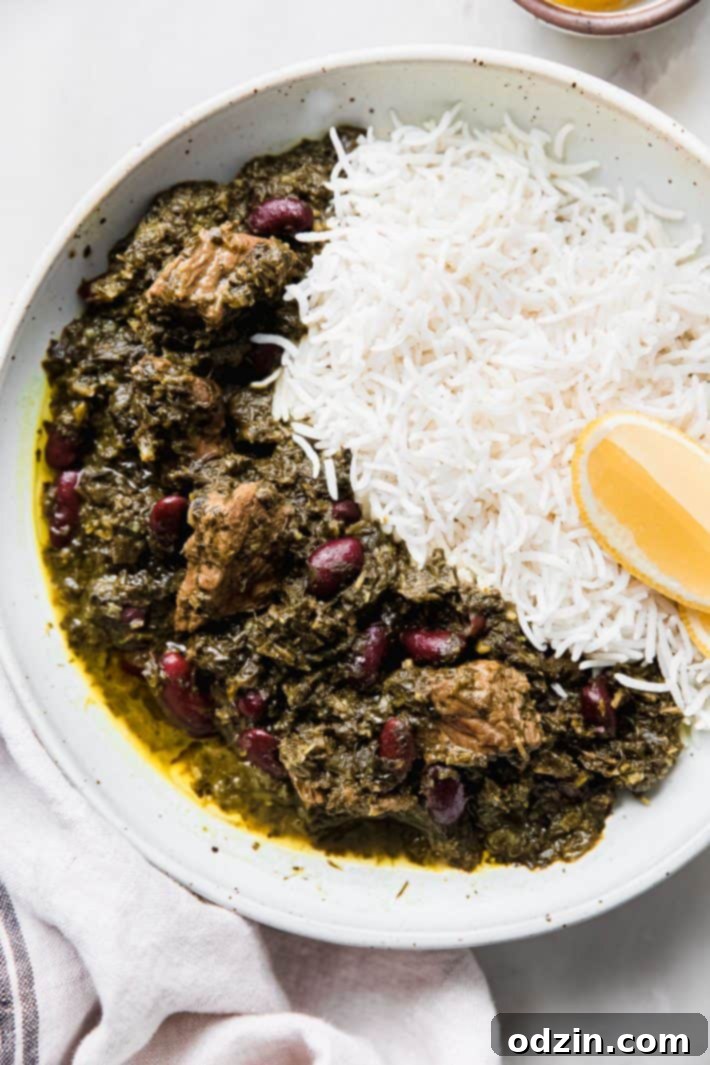
My current obsession? Ghormeh Sabzi. And once you try this recipe, I’m confident it will become yours too. This stew is more than just a dish; it’s a culinary journey, a testament to the art of slow cooking, and an explosion of unique flavors. It truly is the coziest bowl of greens you’ll ever encounter, featuring tender beef, hearty beans, and a complex broth infused with turmeric and the irreplaceable tang of dried Persian limes.
The distinctive tartness comes from the dried limu amani and a final touch of fresh lemon juice, which brightens the entire dish. These dried limes are a non-negotiable ingredient, providing an unparalleled depth and a signature tangy-sour note that defines Ghormeh Sabzi. The vibrant green base is a carefully selected blend of fresh parsley, garlic chives (or green onions), cilantro, fenugreek leaves, and baby spinach. When slow-cooked, these herbs release their essence, creating a verdant, rich, and incredibly aromatic stew that is simply magical served over a bed of fluffy saffron-infused basmati rice. While traditional Ghormeh Sabzi often uses succulent lamb, this recipe opts for beef, which is more readily available and equally delicious, providing tender, fall-apart pieces after hours of gentle simmering.
For an authentic Persian dining experience, I can’t imagine serving Ghormeh Sabzi (or its cousin, Khoresh Gheymeh) without a refreshing side of Shirazi salad. The crisp, zesty cucumber and tomato salad provides the perfect counterpoint to the rich, savory stew.
Admittedly, this is one of those weekend culinary projects that rewards patience. It requires a few hours of simmering and a bit of hands-on prep work, particularly with the herbs. But fear not! I’ve included plenty of tips to streamline your preparation, allowing you to enjoy the process and savor the incredible result.
What is Ghormeh Sabzi? Iran’s National Treasure
Ghormeh Sabzi is much more than a warm herb stew made with meat and beans; it is considered the national dish of Iran and holds a special place in Persian hearts and cuisine. The name itself offers a clue to its essence: “Ghormeh” refers to the act of braising or stewing meat, while “Sabzi” literally means “greens” or “herbs.” This iconic dish is celebrated for its distinctive dark green color and a unique tart and savory flavor profile. It’s built upon a foundation of a variety of fresh herbs, most commonly parsley, cilantro, and garlic chives (or green onions), which are sautéed to intensify their flavor and deepen the stew’s hue. The addition of dried Persian limes (limu amani) imparts a signature sourness and an aromatic depth that is truly unforgettable. For many, it’s not just a meal, but a comforting taste of home, embodying the rich culinary traditions of Persia. I affectionately call it the king of Persian stews because of its complexity, depth, and universal appeal.
Essential Ingredients for an Authentic Ghormeh Sabzi
Creating an authentic Ghormeh Sabzi requires a thoughtful selection of ingredients, each playing a vital role in building its signature flavor and texture. Here’s a detailed look at what you’ll need:
- Yellow Onions: Finely chopped yellow onions form the aromatic foundation of our stew. They are caramelized to a beautiful golden brown before the meat is seared, adding a subtle sweetness and depth to the base.
- Olive Oil: A generous amount of olive oil is used for sautéing. You can also opt for ghee, vegetable oil, or any other high-quality cooking oil you prefer, but olive oil imparts a lovely flavor.
- Fresh Garlic: Minced garlic cloves contribute a pungent, savory layer to the stew. The quantity can be adjusted to your personal preference; I typically use about 5 cloves for a robust garlic presence.
- Spices: The primary spices are simple yet effective: kosher salt, ground turmeric, and freshly ground black pepper. Turmeric lends its characteristic earthy flavor and a warm, golden hue to the stew. Additionally, an optional but highly recommended bouillon cube (chicken or beef) can significantly amplify the savory notes of the stock, enriching the overall flavor profile.
- Beef (or Lamb) Stew Meat: The choice of meat is crucial for this slow-cooked stew. You need a cut that can withstand long simmering times and become incredibly tender. Look for “stew meat” at your butcher, which is often chuck roast or round eye. These cuts are rich in connective tissue that breaks down beautifully during cooking, resulting in succulent, fall-apart meat. If you prefer, tender chunks of lamb also work wonderfully. Aim for pieces cut into approximately 1½-inch cubes for even cooking.
- Dried Limes (Limu Amani): These are truly the star ingredient and are non-negotiable for authentic Ghormeh Sabzi. Also known as Omani limes, they are dried Persian limes that infuse the stew with an indispensable, complex tartness and a deep, earthy aroma. You’ll typically find them at Middle Eastern grocery stores or conveniently available online.
- A Bounty of Fresh Herbs: Ghormeh Sabzi is, at its heart, a herb stew, making the greens a powerhouse of flavor and nutrition. You’ll need substantial quantities of fresh herbs: several bunches of parsley, a small bunch of cilantro, green onions (or garlic chives), and fresh fenugreek leaves. If fresh fenugreek is difficult to find or clean, dried fenugreek works just as effectively. Chopping these herbs is often the most time-consuming part of the preparation. To save time, I often wash, dry, and chop the herbs and spinach a day in advance, storing them in airtight containers in the refrigerator. This simple step drastically reduces your active prep time on cooking day!
- Baby Spinach: I prefer using baby spinach as it comes pre-cleaned and requires only a quick chop. Regular spinach would need a thorough cleaning to remove any dirt or grit before drying and chopping. Spinach adds bulk, nutrients, and helps achieve the stew’s characteristic dark green color.
- Red Kidney Beans: While red kidney beans are commonly used in many regions of Iran for Ghormeh Sabzi, variations exist. In North and Northwest Iran, black-eyed peas are often favored, and some recipes even incorporate pinto beans. Feel free to choose your preferred type of bean, as they all contribute a lovely creamy texture and heartiness to the stew.
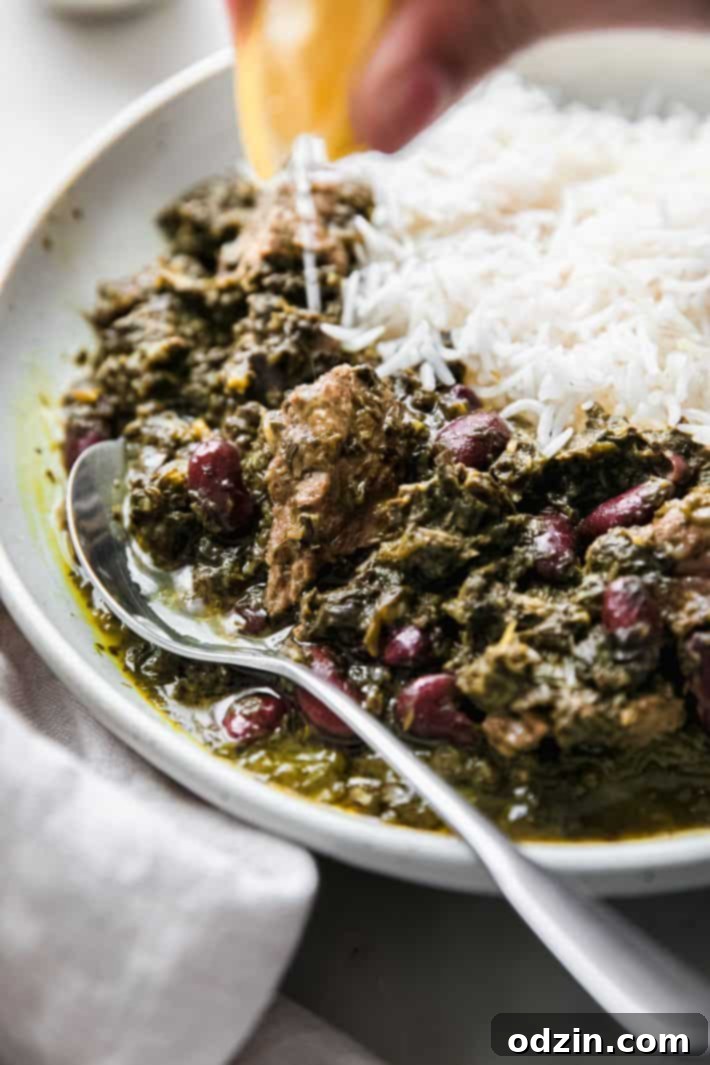
- Fresh Lemon Juice: Added towards the end of cooking, a squeeze of fresh lemon or lime juice provides a bright, acidic finish that cuts through the richness of the stew, enhancing all the other flavors.
Mastering the Art of Ghormeh Sabzi: A Step-by-Step Guide
Making Ghormeh Sabzi is a labor of love, but the process is straightforward and incredibly rewarding. The key lies in patience and allowing the flavors to meld and deepen over time. Here’s how to create this magnificent Persian stew:
- Build the Flavor Base (Initial Sauté & Sear): Begin by heating a generous drizzle of olive oil in a large pot or Dutch oven over medium heat. Add your chopped yellow onions and sauté them until they turn beautifully golden brown, about 5-7 minutes. This caramelization adds a crucial layer of sweetness and depth. Next, stir in the minced garlic, ground turmeric, and black pepper. Cook for just about 30 seconds until the garlic becomes fragrant – be careful not to burn it. Now, add the beef stew meat (or lamb) to the pot and sear it evenly on all sides until browned. Season the seared meat with salt and, if using, crumble in the bouillon cube. Pour in 4 cups of water, bring the stew to a gentle simmer, then reduce the heat to low. Let it simmer uncovered for the first hour, allowing the meat to begin tenderizing and the initial flavors to develop.
- Infuse with Dried Limes (First Simmer with Limu Amani): As the first hour of simmering concludes, it’s time to introduce the dried limes. Before adding them, use a fork or a small paring knife to poke several holes in each dried lime. This allows their intense tart and aromatic compounds to release into the stew. Add the pierced limes to the pot and stir them in gently. Cover the pot with a lid, but leave a small sliver open for venting. Continue to simmer the stew on low heat for another hour. During this stage, the limu amani will slowly soften and impart their unique, complex sourness, which is central to Ghormeh Sabzi’s character.
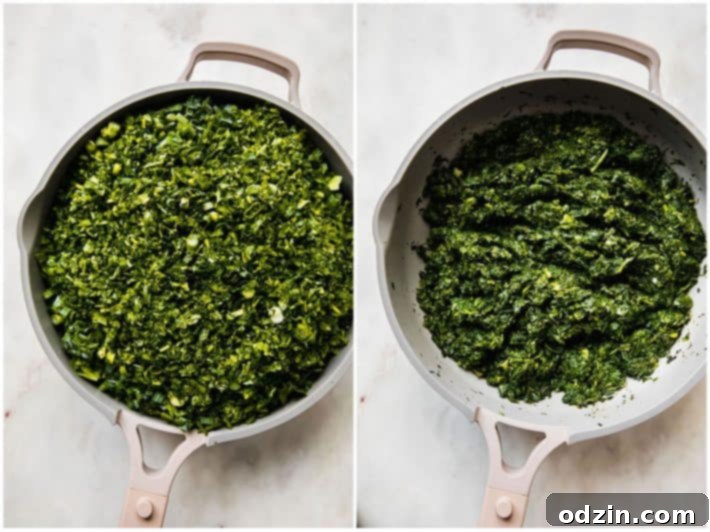
- Sauté the Herbs to Perfection: With roughly 20 minutes left in the second simmer, it’s time for the critical herb sautéing step. In a separate large skillet or deep sauté pan, add another glug (about 3 tablespoons) of olive oil and heat it over medium-high heat. Add all your finely chopped fresh herbs (parsley, cilantro, green onions/garlic chives, and baby spinach). Sauté the greens patiently, stirring occasionally, until most of their moisture has cooked off and they have wilted down to less than half their original volume. This process, which usually takes 12-15 minutes, deepens their flavor and helps achieve the characteristic dark green color of the stew. During the last two minutes of sautéing, stir in the dried fenugreek (if using dried, otherwise add fresh fenugreek with the other herbs from the start). The fenugreek adds a slightly bitter, musky aroma that is essential to the stew’s authenticity.
- Combine & Deepen Flavors (Final Simmer): Once the herbs are beautifully sautéed, add them directly to the simmering meat mixture in the Dutch oven. Stir in the drained red kidney beans (or your chosen bean variety). If the stew appears too thick or dry at this point, you can add an additional ½ to 1 cup of water to reach your desired consistency. Bring the stew back to a gentle simmer, cover the pot again, leaving a small vent, and let it cook for a final hour. The recurring theme here is gentle, prolonged simmering. The slower and longer you cook Ghormeh Sabzi, the more incredibly tender the meat will become, and the more deeply intertwined and flavorful the stew’s components will be.
- Taste, Adjust, and Serve: After the final simmer, remove the dried limes from the stew. You can keep them on the side to serve with the stew for those who enjoy eating them, or discard them if preferred. Use a paring knife to check the tenderness of the meat; it should yield easily with very little resistance. If it’s still firm, cover the pot and continue simmering for another 30 minutes. Once the meat is perfectly tender, add the fresh lemon juice. Taste the stew and adjust the seasoning with more salt, pepper, or lemon juice as needed to balance the flavors. Serve your rich, aromatic Ghormeh Sabzi warm with fluffy basmati rice, crispy tahdig, and a refreshing Shirazi salad for a complete Persian feast!
Frequently Asked Questions About Ghormeh Sabzi
Bitterness in Ghormeh Sabzi is almost always caused by leaving the dried limes in the stew for too long. For the best flavor, remove the dried limes after a maximum of 2 hours of simmering. Some people enjoy eating the softened limes with the stew; if so, simply remove them at the 2-hour mark and keep them on the side to serve.
Yes, absolutely! Pre-packaged dried sabzi mixes are available, usually containing fenugreek, parsley, and cilantro. If using a dried mix, you can omit the separate dried fenugreek from the recipe. I recommend using roughly half a bag (about 3-4 ounces) and supplementing with at least 6 ounces of fresh or frozen spinach. If using frozen spinach, be sure to defrost it completely and wring out all excess moisture before adding it to the stew.
Definitely! To significantly cut down on prep time on cooking day, you can clean, dry, and finely chop all the fresh greens a day in advance. Store them in an airtight container in the refrigerator. This simple step makes the cooking process much quicker and more enjoyable.
If You Enjoyed This Ghormeh Sabzi Recipe, You Might Also Like These Delights:
- Easy Persian Chicken Kebabs
- Persian Cranberry Rice (Polo)
- Hearty Beef Shawarma Bowls with Vermicelli Rice
- Savory Lebanese Meat Pies (Sfeehas)
- Flavorful Beef Kafta Kebabs
Ghormeh Sabzi (Persian Herb Stew)
30 minutes
3 hours 10 minutes
3 hours 40 minutes
Soul-warming Ghormeh Sabzi is a Persian herb stew loaded with dried limes, fresh herbs, and spinach, simmered in a pot with chunks of tender beef or lamb and red kidney beans. It’s perfect served with fluffy basmati rice or tahdig, and it is such a warm and cozy bowl of food!
Ingredients
- 1 large yellow onion, chopped
- 6 tablespoons olive oil
- 5 cloves garlic, minced
- 1 teaspoon EACH: kosher salt, ground turmeric AND black pepper
- 1 ½ pounds beef stew meat, in 1½-inch cubes (see notes)
- 1 chicken or beef bouillon cube (optional)
- 4 cups water
- 5 dried limes (lemoo amani)
- 1 bunch cilantro, finely chopped
- 1 ½ bunches parsley, finely chopped
- 12 ounces fresh baby spinach, finely chopped
- 2 bunches green onions, finely chopped
- 2 tablespoons dried fenugreek
- 1 (15 ounce) can red kidney beans (or black eyed peas)
- 1 tablespoon freshly squeezed lemon juice
Instructions
- SAUTE: To a 6-quart Dutch oven or larger, add 3 tablespoons of olive oil over medium heat. When hot, add the onions and sauté them for 5 minutes until golden. Then add the minced garlic, ground turmeric, and black pepper. Sauté for another 30 seconds before adding in the stew meat.
- BROWN: Brown the meat for 5-7 minutes or until all sides are nicely seared. Season with salt, add the bouillon cube (if using), and pour in 4 cups of water. Increase heat to high to bring to a simmer, then lower the heat to low, and let it simmer uncovered for 1 hour.
- ADD THE LIMES: Poke holes in the dried limes with a fork or a knife and add them to the meat mixture; stir them in. Cover the pot with a lid, leaving a small sliver to vent, and let simmer for another 1 hour.
- SAUTE HERBS: When 20 minutes remain in the simmering time, heat a 4-quart pan or larger over medium heat with the remaining 3 tablespoons of oil. Sauté the chopped herbs (parsley, cilantro, green onions), and baby spinach until most of the moisture is cooked off, and the veggies are a vibrant green, about 12-15 minutes. Add the dried fenugreek for the last 2 minutes of cooking the herbs.
- SIMMER AGAIN: Add this sautéed herb mixture into the meat stew along with the drained kidney beans, and stir to combine. If the stew looks a little dry, add ½-1 cup of water. Bring to a simmer, and cook for an additional 1 hour, partially covered with the lid.
- SERVE: Remove the dried lemons from the stew and set them aside if you wish to serve them. Otherwise, discard them. Check if the meat is tender and gives easily when pierced with a paring knife. If not, cover and cook for another 30 minutes. If the meat is tender, simmer uncovered at medium-low heat to thicken the stew for the last 15 minutes. Then, stir in the fresh lemon juice. Taste and adjust with more salt, pepper, and lemon as desired. Serve warm with basmati rice or tahdig and Shirazi salad.
Notes
- Stew meat: For best results, use chuck roast or beef round, cut into pieces. Any cut with tough connective tissue that benefits from long, slow cooking will work well to ensure tender, flavorful meat.
Recommended Products
- Turmeric
- Dried Sabzi
- Dried Limes
- Chef’s Knife
- Wooden Spoon Set
- Dutch Oven
Nutrition Information:
Yield:
8
Serving Size:
⅛th
Amount Per Serving:
Calories: 350Total Fat: 18gCarbohydrates: 16gFiber: 5gProtein: 35g
The nutrition information is provided as a courtesy and is just an estimate. To get the most accurate information, please input the ingredients you’ve used into a nutrition calculator.
Have you made this recipe?
If you enjoyed this recipe, please consider leaving a ⭐️⭐️⭐️⭐️⭐️ rating and a comment below. You can also share a picture on Instagram with the hashtag #LITTLESPICEJAR, I’d love to see what you made!